In the rapidly evolving landscape of the 21st century, cities have emerged as models of innovation in terms of sustainable development goals. Cities creatively address pressing urban challenges, including density, transportation, housing, and resilience. They hold the potential to pioneer a comprehensive climate agenda, serving as laboratories for sustainable initiatives, cross-sectoral innovations and community-oriented strategies. Cities act as catalysts for revolutions, implementing impactful solutions that can be applied worldwide.
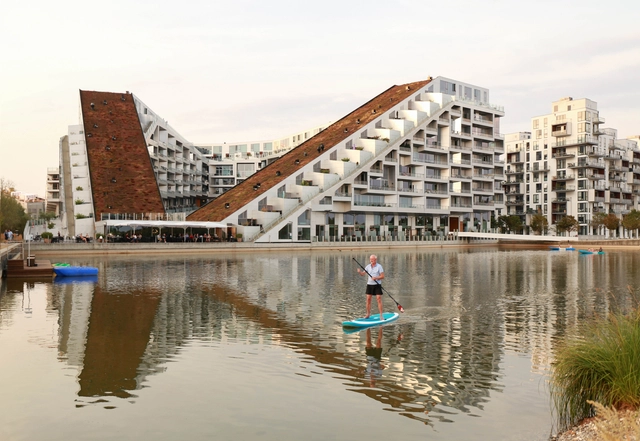
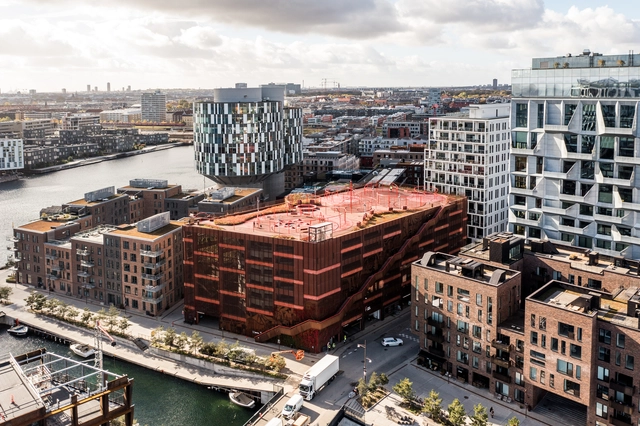
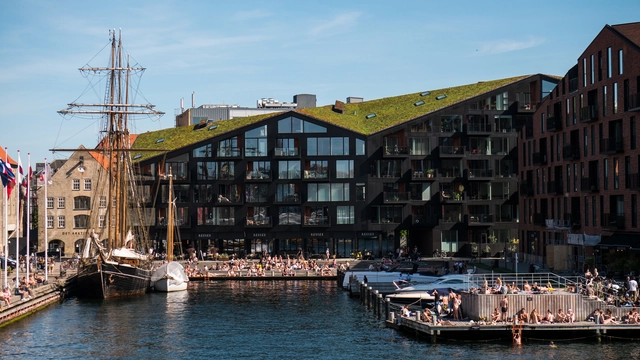
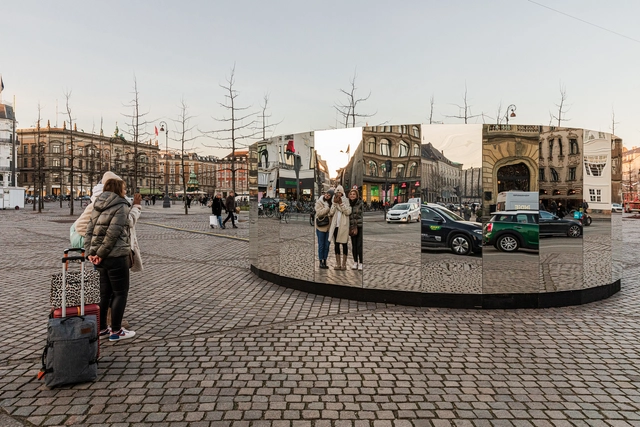
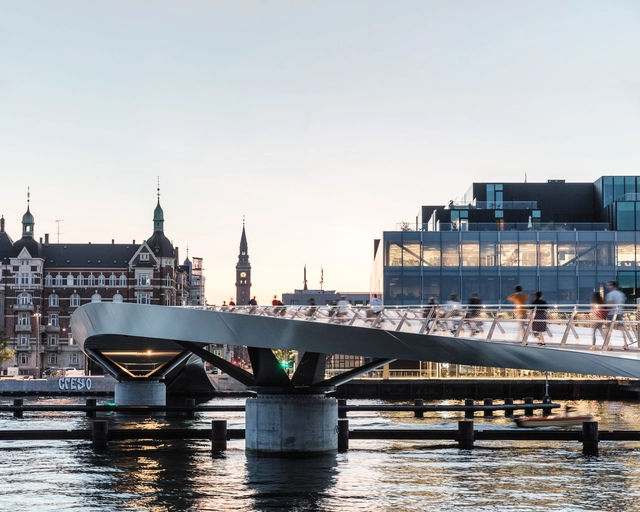
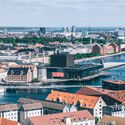
Copenhagen was founded in the 12th century and has undergone numerous transformations to establish itself as an urban benchmark of the 21st century. Its dynamic urban environment stands as an exemplar of architecture's importance and crucial role in shaping a sustainable future for cities. Confronting global challenges like mobility, urban development, and eco-friendly construction, the city is an inspiring model. This is why in 2023, the Danish city was named the World Architecture Capital by UNESCO-IUA, positioning Copenhagen as a platform for discussions on climate, sustainable solutions, and livability.
In this context, Danish architects such as Anders Lendager have been asked about their perception and interaction with their favorite places in the city, providing valuable insight into what makes Copenhagen unique. Lendager, the CEO and founder of Lendager Group, has been the designer behind eco-village projects, the Danish Pavilion in Milan, and a skyscraper built from recycled materials. Collectively, these projects showcase the capacity to translate the core principles of sustainable cities into tangible components, prioritizing human well-being and fostering circular economy models.
https://www.archdaily.com/1006184/an-architects-guide-to-copenhagen-anders-lendager-and-the-essence-of-the-sustainable-cityEnrique Tovar
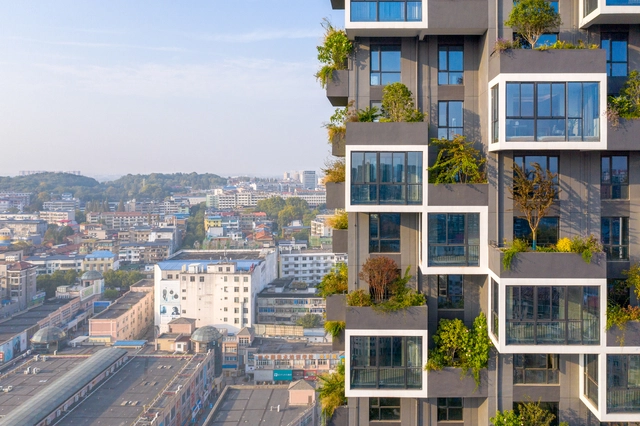
The “Green Obsession” campaign launched by Stefano Boeri Architetti has been declared the winner of the SDG Action Awards, the most important recognition of projects that support the United Nation’s 17 Sustainable Development Goals. As part of the SDG Action Campaign, the United Nations set out to reward initiatives that “mobilize, inspire and connect communities in order to promote positive change.” The winning initiative aims to help improve the relationship between nature and design by implementing the principles of urban forestation. Green Obsession represents a series of conferences, public programs and a book, “Green Obsession: Trees Towards Cities, Humans Towards Forests”, published in 2021 and supported by the Graham Foundation.
During the opening keynote at the UIA 2023 World Congress of Architects, Bjarke Ingels, the lead and founder of BIG, shared insights into pressing global challenges along with the office’s distinctive approach to addressing them. After the conference, ArchDaily had the chance to sit down with Bjarke Ingels to further expand on these topics. The discussion touched on a number of subjects, including BIG’s approach to design, based on their principle of “Hedonistic Sustainability,” the meaning and opportunities behind this change in mentality, the inter-applicability of technological innovations across different fields and even across planets, and the need to develop a New European Bauhaus as a response to the emerging environmental necessities.
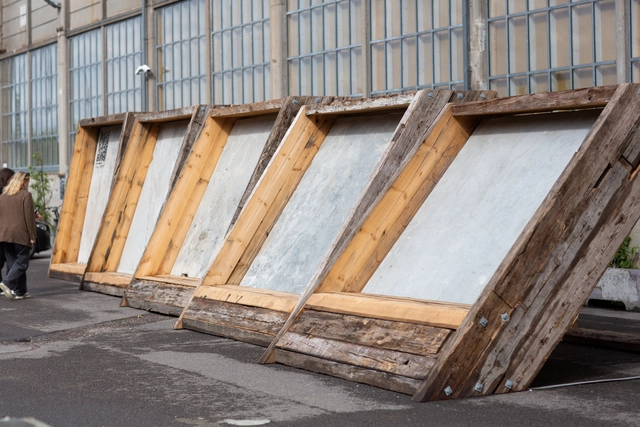
Developed by GXN for the 2023 UIA World Congress of Architects in Copenhagen, The (P)RECAST Pavilion explores the possibility of reusing precast concrete elements from existing buildings to promote circularity and reduced carbon emissions in the construction industry. The pavilion showcases salvaged concrete elements alongside 200-year-old timber beams, highlighting their aesthetic and structural value. Following the same motivation but through a different approach, MEE Studio has developed The Regenerative Cabin. Located in Copenhagen, the structure explores the applied use of regenerative biogenic materials to reduce the carbon emissions associated with the building materials.
Over the course of five days this week, Copenhagen hosted the largest gathering in the realm of sustainable architecture, bringing together over 6,000 participants from 135 nations. The UIA World Congress of Architects 2023 focused on the theme "Sustainable Futures – Leave No One Behind." This event served as a forum for distinguished researchers and professionals of various backgrounds and ages to delve into methods of creating buildings that address climate change, bolster biodiversity, and foster social inclusivity. As the congress drew to a close, "The Copenhagen Lessons" were unveiled, comprising ten principles intended to facilitate swift and transformative progress in the field of sustainable construction.
In this fifth feature, we met with co-chairs of design for Inclusivity architect Magda Mostafa, Professor of Design, Department of Architecture, the American University in Cairo and architect Ruth Baumeister, Associate Professor of Theory and History, Aarhus School of Architecture.
In this fourth feature, we met with co-chairs ofdesign for Health architectArif Hasan, former Visiting Professor NED University Karachi and member of UNs Advisory Group on Forced Evictions, and architectChristian Benimana, Senior Principal and Co-Executive Director atMASS Design Group
In this third feature, we met with co-chairs of Design for Resilient CommunitiesAnna Rubbo, Senior Researcher, Center for Sustainable Urban Development (CSUD), The Climate School, Columbia University, and Juan Du, Professor and Dean of the John H. Daniels Faculty of Architecture, Landscape and Design, University of Toronto.
As world governments grapple with environmental crises, the construction industry rushes to reevaluate sustainable design and develop new ways of measuring its efficiency. Consequently, green building certification systems (GBCS) started gaining traction in the 20th century to evaluate and promote sustainable construction practices. The Global South faces distinctive challenges in building sustainable cities. Its developing nations demand an exclusive approach to designing an appropriate, economical, and inspiring architecture for their promising futures.
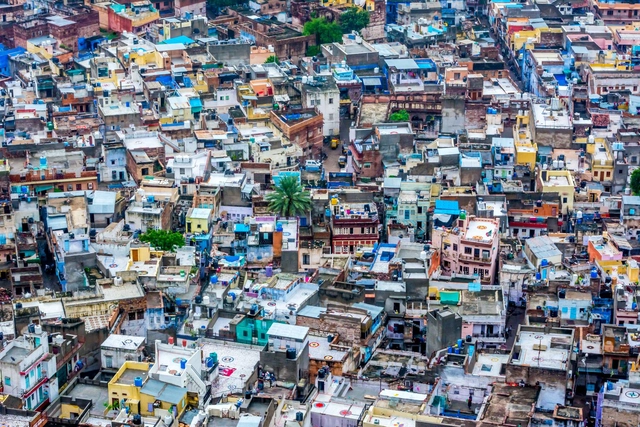
In April 2023, India achieved a significant milestone that will shape the trajectory of its urbanization going forward. According to data from the United Nations, the South Asian subcontinent is now home to over 1.4286 billion people, overtaking the former leader China’s count of 1.4257 billion. With a population boom that is estimated to grow at a 0.7% rate annually, India faces several challenges and opportunities in its path to becoming a global power.How will India’s rising demography influence its built environment?
“How do we ensure new parks don’t cause ‘green gentrification,’ which can lead to the exclusion and displacement of underserved communities? How can we ensure we don’t displace the communities that new parks are meant to serve?,” asked Dede Petri, CEO of the Olmsted Network (formerly the National Association of Olmsted Parks), during an Olmsted 200 event.
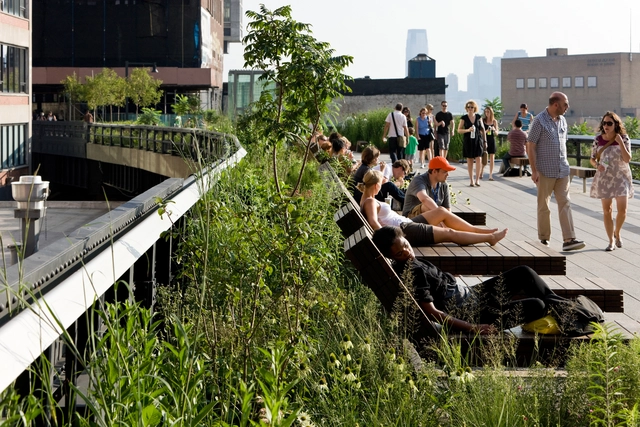
New parks are meant to be accessible to everyone, but in many urban areas, developer-driven parks mostly attract wealthier Americans. Cities benefit from increased development adjacent to these new parks, bringing in higher tax revenues, but that raises questions about whether these spaces can, in effect, lead to community displacement.
https://www.archdaily.com/997686/new-strategies-for-preventing-green-gentrificationJared Green
The UIA World Congress of Architects 2023 is an invitation for architects from all around the world to meet in Copenhagen to explore and communicate how architecture influences all 17 UN Sustainable Development Goals (SDGs). The Science Track of the UIA World Congress has been tasked with the development of the agenda, Sustainable Futures – Leave No One Behind. For more than two years, its international Scientific Committee has been analyzing the various ways in which architecture responds to the SDGs. The work has resulted in the formulation of six themes: climate adaptation, rethinking resources, resilient communities, health, inclusivity, and partnerships for change. ArchDaily is collaborating with UIA to share articles pertaining to the six themes to prepare for the opening of the Congress on July 2, 2023.
The 2022 United Nations Conference of the Parties, more commonly referred to as COP27, was held between November 6 and November 18, 2022, in Sharm El Sheikh, Egypt. The conference included more than 90 heads of state and an estimated 35,000 representatives, or delegates, from 190 countries. Aimed at encouraging and guiding countries to take effective action against climate change, the next edition of these conferences, COP28, is already scheduled from 30 November to 12 December 2023, in the United Arab Emirates. The CEO of the Abu Dhabi National Oil Co, an oil company chief who also oversees renewable energy efforts in the Emirates, was appointed to preside over the negotiations and talks, which led to a wave of criticism from environmental activists.
The first Monday of October of every year marks World Architecture Day and World Habitat Day. Celebrated simultaneously, they both seek to shed light on the built environment and its challenges, taking on a different theme with each new edition. This year, through its World Architecture Day, the UIA is focusing on “Architecture for well-being”, in line with the designation of 2022 as the UIA Year of Design for Health in buildings and cities. In parallel, the UN’s World Habitat Day, is centered on “Mind the Gap. Leave No One and Place Behind”, looking at the problem of growing inequality and challenges in cities and human settlements, due to the triple ‘C’ crises – COVID-19, climate and conflict.
Introducing Urban October, 31 days to promote a better urban future, World Architecture Day and World Habitat Day push forward the debates on urban sustainability. Joining the conversation every year, ArchDaily takes part in this occasion by promoting content that tackles the main objectives of this day, raising awareness, presenting solutions, engaging the international community, and “empowering everyone who makes architecture happen to create a better quality of life”.