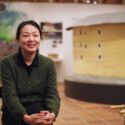
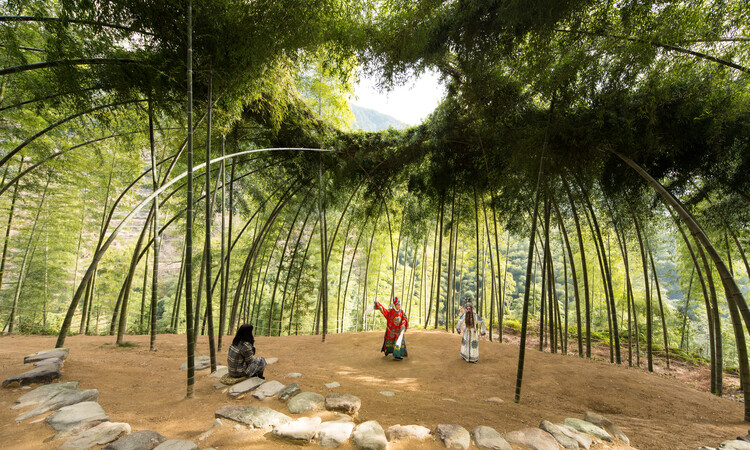
Xu Tiantian is the founding principal of DnA_Design and Architecture, an interdisciplinary practice that addresses both the physical and social dimensions of the contemporary living environment, across scales. Born in 1975 in Fujian, China, she received a Master of Architecture in Urban Design from the Harvard Graduate School of Design and a bachelor's degree in architecture from Tsinghua University in Beijing. Her recent work focuses on rural revitalization through a strategy she describes as "architectural acupuncture," understood as small-scale, site-specific interventions designed to activate local culture, agriculture, and tourism. These interventions, primarily concentrated in China's rural regions, have been recognized by UN-Habitat as a global model for urban–rural integration. In this interview with Louisiana Channel, she reflects on the role of the architect, questions architecture itself and the concept of beauty, explains her working methodology, and emphasizes the spatial dimension of nature.
Starchitecture: The Latest Architecture and News
"Beauty in Itself Is Dangerous:" Xu Tiantian on Moving Beyond Starchitecture in Louisiana Channel Interview

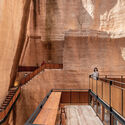
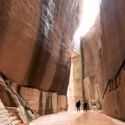
Why the 2025 Pritzker Prize Matters: Liu Jiakun and the Shift Toward Socially Responsible Architecture
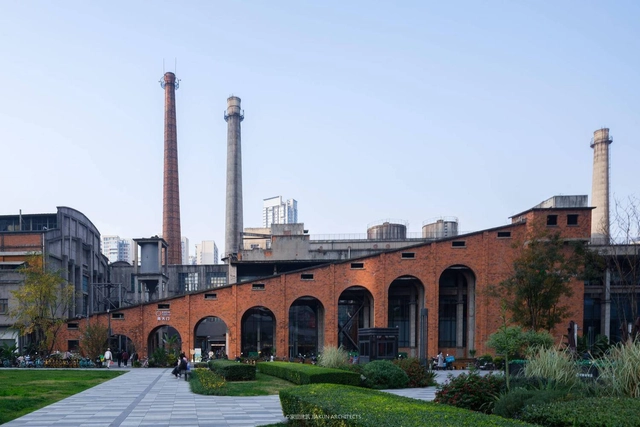
For nearly the past two decades, cities around the world embraced "starchitecture"—futuristic, eye-catching buildings designed by globally renowned architects. In China, this trend was particularly pronounced as rapid urbanization fueled the construction of iconic megastructures like Zaha Hadid's Galaxy SOHO, OMA's CCTV Headquarters, and Herzog & de Meuron's Bird's Nest Stadium in Beijing. At the time of their construction, these were all celebrated as symbols of progress and global ambition. However, architecture worldwide has begun shifting toward a more context-driven, human-centered approach, with China emerging as one of the key contributors to this transformation. This year, Liu Jia Kun's 2025 Pritzker Prize further underscores that shift.


The Nine-Step Architectural Beauty Detox Plan
This article was originally published on Common Edge.
In 1755, Francesco Algarotti, disgusted with what opera had become, wrote An Essay On The Opera in which he called for its simplification. For Algarotti, opera had degenerated into a vehicle for soloists to grandstand with endless improvisations overshadowing the music and ignoring the drama. Even the drama had lost the plot with mythological characters in extraordinary and complex situations. Algarotti saw drama as being the essence of opera and wanted the emphasis restored to it, with everything else secondary. Christoph Willibald Gluck and his librettist, Ranieri de’ Calzabigi, were the first to make it work with their 1762 opera Orfeo ed Euridice. It had characters and drama people could relate to, music that could be remembered and lyrics and a plot that could be understood. It’s regarded as the first truly modern opera.
