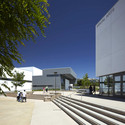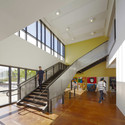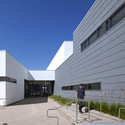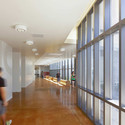

-
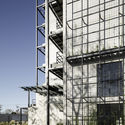
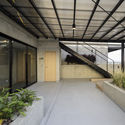
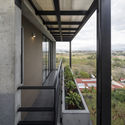
Architects: Carazo Arquitectura
- Area: 9280 m²
- Year: 2019


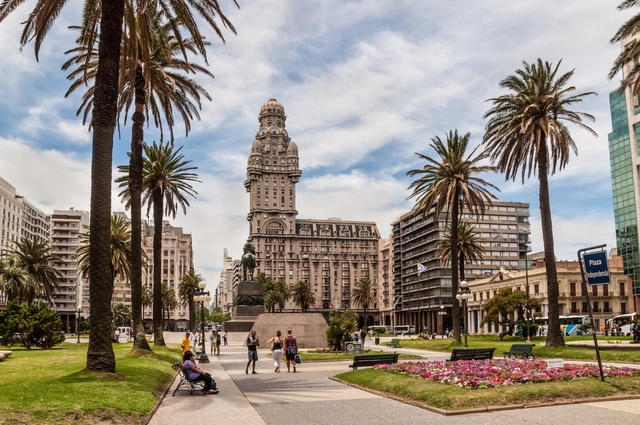
Vienna, Austria has been ranked as the city with the best quality of life in the world for ten consecutive years. The ranking made by multinational consultancy Mercer is dominated by Western European cities in the highest positions, while Vancouver, Canada reached third place, becoming the highest-ranking city in North America for the last 10 years.

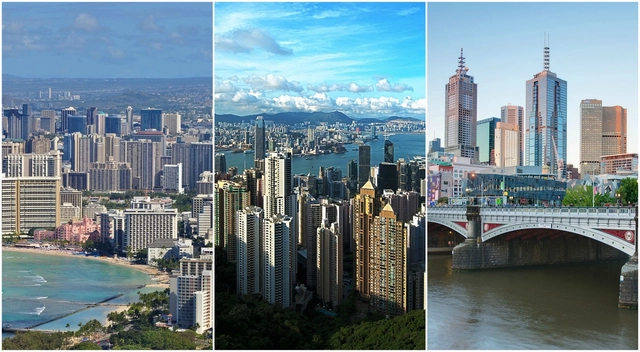
As anyone who has recently attempted apartment-hunting in a major urban area will know, reasonably-priced housing can be difficult to come by for many and salaries don’t always seem to match the cost of living. This gap is contributing to housing crises in developed and developing countries worldwide. People are simply being priced out of cities, where housing has become a commodity instead of a basic human right. Financial speculation and states’ support of financial markets in a way that makes housing unaffordable has created an unsustainable global housing crisis.
Earlier this year the 13th Annual Demographia International Housing Affordability Survey was released for 2017, revealing that the number of “severely unaffordable” major housing markets rose from 26 to 29 this year; the problem is getting worse. The study evaluates 406 metropolitan housing markets in nine of the world's major economies and uses the “median multiple” approach to determine affordability. By dividing the median house price by the median household income of an area, this method is meant to be a summary of “middle-income housing affordability.”
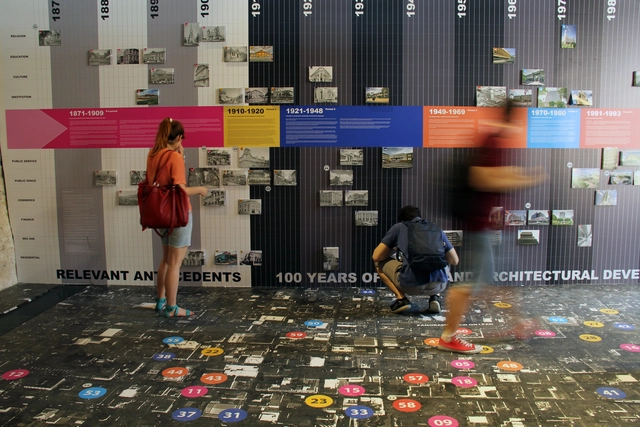
Curated and commissioned by German Architect / Urbanist Oliver Schütte and Dutch Anthropologist / Economist Marije van Lidth de Jeude, Costa Rica's first pavilion at the Venice Biennale focuses on a competition-winning project for the new Costa Rican Legislative Assembly, a project which illustrates the "vicious circle of social segregation and spatial fragmentation in the Greater Metropolitan Area of Costa Rica (GAM)."
Read the curators' description and take a virtual tour of the Costa Rica Pavilion after the break.

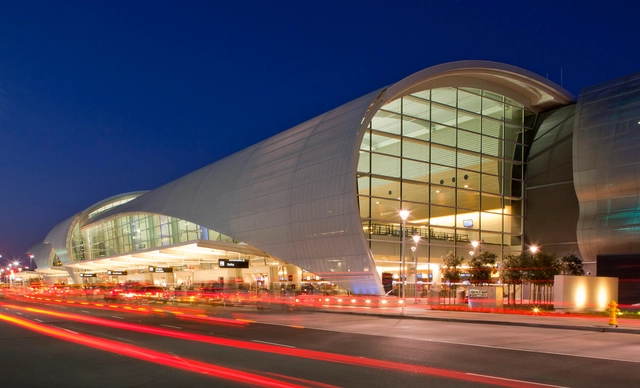

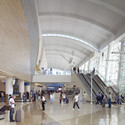
Taking inspiration from the behavior and volume of an idealized cloud, Dan Goods, Nik Hafermaas, and Aaron Koblin created eCloud an interactive sculpture for the San Jose International Airport. The dynamic liquid crystal scultpure hangs from the ceiling displaying weather data from the National Oceanic and Atmospheric Administration. eCloud is constructed from polycarbonate tiles appearing as transparent and opaque depending on the pattern which is in constant motion transforming every 20 seconds.

Spanish firm Moho Architects are currently in the schematic design phase of a mixed use tower for San Jose, Costa Rica. The tower, whose programmatic elements will range from commercial and retail spaces to offices and hotels, aims to create a strong model of sustainability for the region that will promote eco-friendliness.
More images and more about the tower after the break.