Sahar Coston-Hardy

BROWSE ALL FROM THIS PHOTOGRAPHER HERE

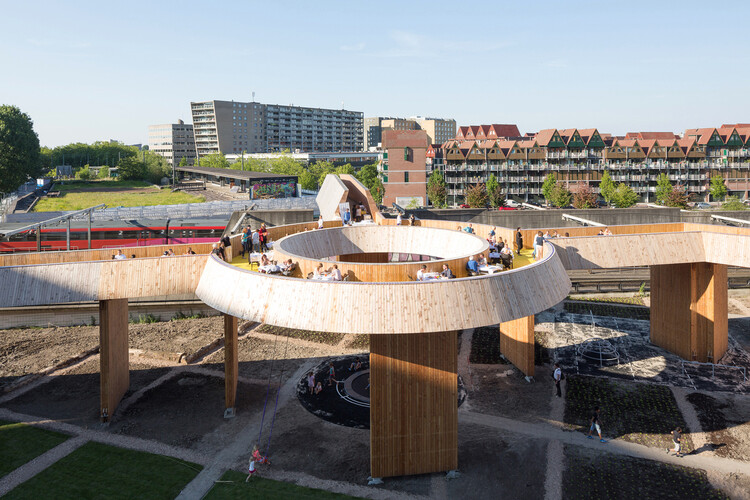
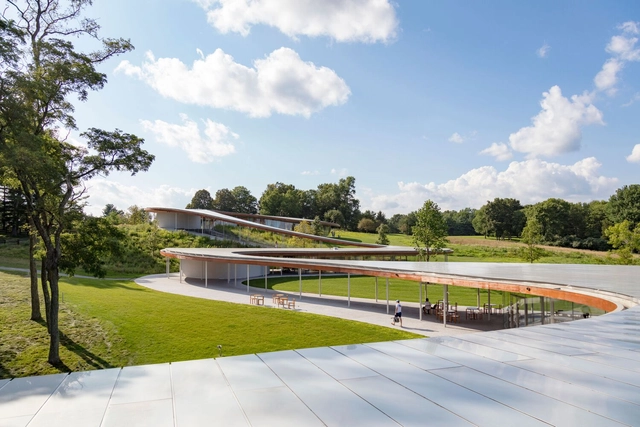
Leisure Architecture: 13 Projects Shaping Togetherness Across Generations

Leisure spaces are often where different generations cross paths. Without formal programs or assigned roles, they allow people to move, pause, and remain together, each engaging space in their own way. In a built environment increasingly shaped by specialization and separation, these shared spatial grounds have become less common, giving leisure-oriented architecture a renewed relevance.

Discussions around public space have repeatedly pointed to the value of openness and flexibility in supporting collective life. As architect Herman Hertzberger has noted, "the more a space can be interpreted in different ways, the more people it can accommodate." Rather than attempting to create interaction, architecture shapes the conditions that make togetherness possible.

Leisure Architecture: 13 Projects Shaping Togetherness Across Generations - More Images+ 10

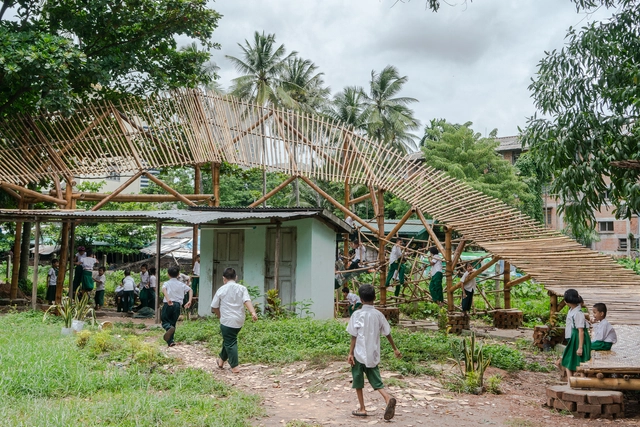
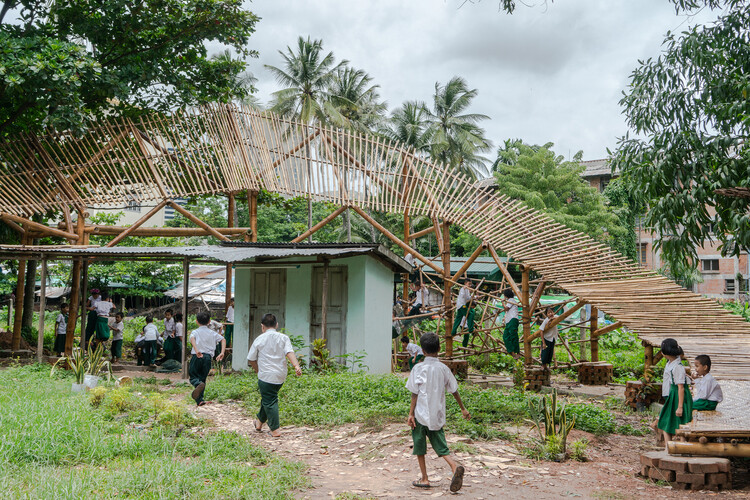
Evolving Urban Playgrounds: 5 Design Strategies and 31 Projects Around the Globe

Urban playgrounds are evolving from simple swing sets and slides into dynamic, multi-faceted urban landscapes. These new designs are more than just places to play; they are thoughtfully integrated spaces that address urban challenges, promote community, and inspire creativity. A key trend is the intentional use of color and pattern. Designers are utilizing vibrant color zones to segment different functional areas, creating a visually dynamic experience that contrasts with natural surroundings. This approach can also be used to establish a cohesive urban identity, with thoughtful color palettes that complement the existing cityscape.

Evolving Urban Playgrounds: 5 Design Strategies and 31 Projects Around the Globe - More Images+ 34

Architecture and the Stain of Modern Day Slavery

This article was originally published on Common Edge.

Exploring the question of slavery in Architecture, the building materials and the construction industry, Michael J. Crosbie interviews Sharon Prince, the women behind Design for Freedom, discussing the initiative's report "on the pervasive use of slavery in the design and construction industry, and how design professionals can respond".