1. ArchDaily
  2. Rainwater

Rainwater: The Latest Architecture and News

Architecture Between Land and Water: Design Lessons from the Bayou

Audio available

A bayou is a slow-moving body of water, typically a creek or river that winds through low, flat terrain in a broader wetland landscape. Found throughout the Gulf Coast, bayous are distinct from swamps, which contain forested wetlands characterized by standing water, and from marshes, where tall grasses and herbaceous plants grow in saturated soils. The currents of a bayou landscape support biodiverse ecosystems of plants, trees, insects, birds, and fish, while the shifting water levels, saturated ground, humid air, heavy rainfall, and long, hot summers create a blurry environment between land and water, wet and dry, interior and exterior.


Architecture Between Land and Water: Design Lessons from the Bayou - Image 1 of 4Architecture Between Land and Water: Design Lessons from the Bayou - Image 2 of 4Architecture Between Land and Water: Design Lessons from the Bayou - Image 3 of 4Architecture Between Land and Water: Design Lessons from the Bayou - Image 4 of 4Architecture Between Land and Water: Design Lessons from the Bayou - More Images+ 61

From Relic to Infrastructure: Can India's Historic Water Systems Work Again?

Audio available

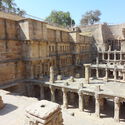
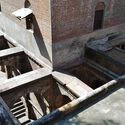
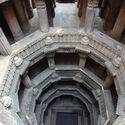
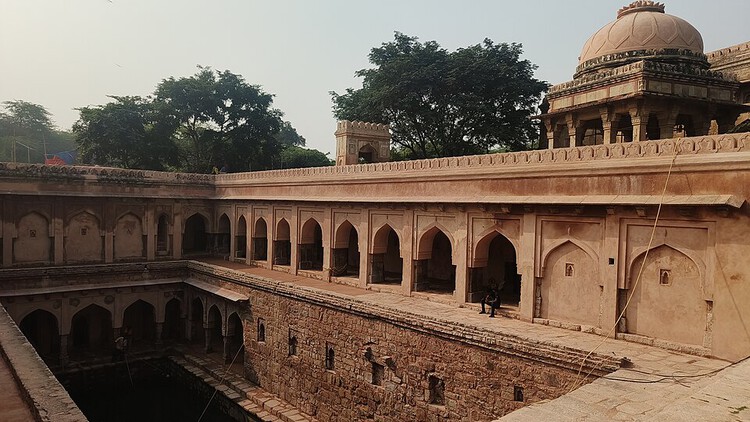
India's stepwells are usually encountered after their useful lives have ended. They are photographed, restored and interpreted as evidence of a water culture that once existed. Beneath the carved stone and descending stairs is a practical question: what happens when a structure built to manage water is put back to work? As Indian cities face water stress, seasonal rainfall and pressure on municipal systems, researchers and restoration efforts are examining whether traditional water structures can function again.

Traditional water architecture was rarely an isolated object. In Ahmedabad, water management was embedded in the organization of the city. Within the historic pols, wells, courtyards and underground Tankas formed part of a distributed system of domestic and communal water storage. A 2026 study in Built Heritage estimates that nearly 10,000 Tankas may still exist across Ahmedabad, many located beneath domestic courtyards.

From Relic to Infrastructure: Can India's Historic Water Systems Work Again? - Image 1 of 4From Relic to Infrastructure: Can India's Historic Water Systems Work Again? - Image 2 of 4From Relic to Infrastructure: Can India's Historic Water Systems Work Again? - Image 3 of 4From Relic to Infrastructure: Can India's Historic Water Systems Work Again? - Image 4 of 4From Relic to Infrastructure: Can India's Historic Water Systems Work Again? - More Images+ 7