1. ArchDaily
  2. Rainscreens

Rainscreens: The Latest Architecture and News

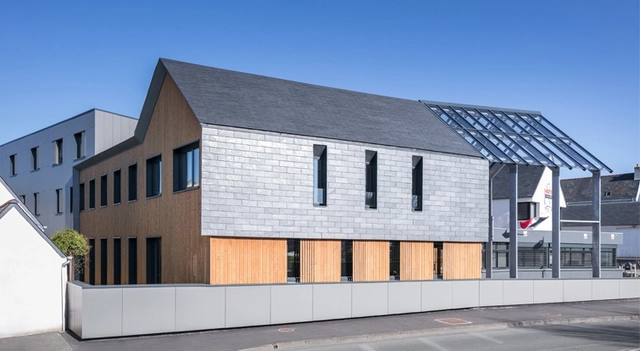
Natural Slate Rainscreen Cladding: A Solution for Passive Houses

 | Sponsored Content

Inspired by experimental solar houses developed after the 1970s oil crisis, the Passive House certification emerged in the late 1980s as a response to growing concerns about energy efficiency and the environmental impact of the construction industry. Its goal is both simple and radical: to reduce heating and cooling demands to an absolute minimum through passive strategies, controlled mechanical ventilation, and an extremely efficient building envelope — eliminating the need for complex or expensive systems.

The choice of exterior cladding materials plays a strategic role in achieving this performance. Poorly designed surfaces, thermal bridges, or sealing failures can undermine the building's entire thermal logic, especially in demanding climates. This is where rainscreen systems stand out: by creating a ventilated air gap between the cladding and the structural wall, they promote continuous airflow, manage moisture, and enhance thermal stability. Materials that combine performance, durability, and visual appeal are rare — and natural slate from Spain's Cupa Pizarras is a standout solution.
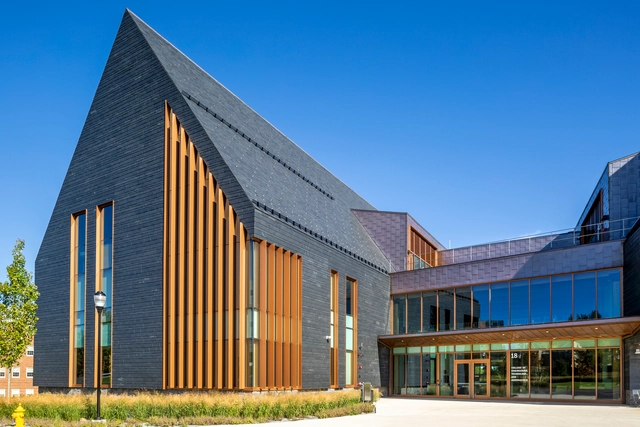
Natural Slate Rainscreen Cladding: Combining Geometric Layouts and Efficient Design

 | Sponsored Content

When designing architectural projects, protecting a building’s walls is key for ensuring its longevity, durability, and resistance to the elements, therefore preserving its aesthetic appeal. Among the protective measures available, cladding systems are exterior coverings that integrate varying textures, colors and finishes, allowing for customization and creative expression, while also providing weather resistance and thermal performance. 

Exploring materials beyond traditional masonry cladding or commercial curtain wall systems, Cupa Pizarras has developed natural slate rainscreen facades. From linear to honeycomb patterns, these geometric facade layouts meet the requirements of current architectural trends, which demand more sustainable and energy-efficient buildings. The combination of high-durability tectonic slate with innovative fastening techniques, as well as the efficiency of rainscreen cladding, makes CUPACLAD a sustainable and aesthetically pleasing alternative for enhancing the LEED certification of projects.