1. ArchDaily
  2. NCARB by the Numbers

NCARB by the Numbers: The Latest Architecture and News

Latin America in Focus: This Month in Architecture, Environmental Design, Social Infrastructure, and Practice

Audio available

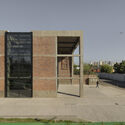
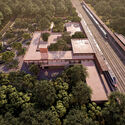
Architecture across Latin America this month reflects an ongoing negotiation between environmental challenges, cultural heritage, and changing approaches to public and professional life. From Colombia's earthquake and its impact on historic architecture to new cultural projects in Argentina and environmentally responsive design in Ecuador and Medellín, recent developments highlight how architecture continues to respond to both regional conditions and broader global challenges. Questions of heritage and infrastructure also remained prominent, as UNESCO raised concerns over the impacts of the Tren Maya on Mexico's Calakmul World Heritage site, while new initiatives in Chile and Costa Rica explored ecological design and sustainable practice. The month's stories point to a regional architectural landscape shaped by resilience, adaptation, and the relationship between built environments and their wider social and natural contexts.

Latin America in Focus: This Month in Architecture, Environmental Design, Social Infrastructure, and Practice - Image 1 of 4Latin America in Focus: This Month in Architecture, Environmental Design, Social Infrastructure, and Practice - Image 2 of 4Latin America in Focus: This Month in Architecture, Environmental Design, Social Infrastructure, and Practice - Image 3 of 4Latin America in Focus: This Month in Architecture, Environmental Design, Social Infrastructure, and Practice - Image 4 of 4Latin America in Focus: This Month in Architecture, Environmental Design, Social Infrastructure, and Practice - More Images+ 3

Lina Bo Bardi's First Exhibition in China and GXN's Reclaimed-Material Community Space: This Week's Review

Audio available

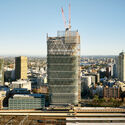
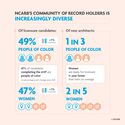
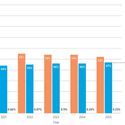
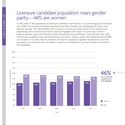
This week's stories explore how architecture engages with questions of culture, access, and collective life, from new cultural institutions and exhibitions to public spaces and housing. This week, the 2026 NCARB by the Numbers report provided a broader perspective on the profession itself, showing that people of color accounted for 49% of licensure candidates in 2025 and women for 47%, compared with 21% and 28% among the overall architect population. The report offers one perspective on access within the profession, while projects and cultural initiatives further examine how architecture responds to different forms of public and collective life.

Lina Bo Bardi's First Exhibition in China and GXN's Reclaimed-Material Community Space: This Week's Review - Imagem 1 de 4Lina Bo Bardi's First Exhibition in China and GXN's Reclaimed-Material Community Space: This Week's Review - Imagem 2 de 4Lina Bo Bardi's First Exhibition in China and GXN's Reclaimed-Material Community Space: This Week's Review - Imagem 3 de 4Lina Bo Bardi's First Exhibition in China and GXN's Reclaimed-Material Community Space: This Week's Review - Imagem 4 de 4Lina Bo Bardi's First Exhibition in China and GXN's Reclaimed-Material Community Space: This Week's Review - More Images+ 4

NCARB 2026 Report Shows a More Diverse Candidate Pool Amid Persistent Gaps in Architecture Licensure

Audio available

The National Council of Architectural Registration Boards (NCARB) has released the 2026 edition of its annual NCARB by the Numbers report, presenting data from 2025 on architectural licensure and demographics in the United States. The latest figures show a gradual increase in diversity among those pursuing licensure, while the demographic composition of the licensed architect population remains considerably less diverse than the current candidate pool. The report also examines attrition along the path to licensure, revealing differences in who ultimately reaches professional registration.

NCARB 2026 Report Shows a More Diverse Candidate Pool Amid Persistent Gaps in Architecture Licensure - Imagen 1 de 4NCARB 2026 Report Shows a More Diverse Candidate Pool Amid Persistent Gaps in Architecture Licensure - Imagen 2 de 4NCARB 2026 Report Shows a More Diverse Candidate Pool Amid Persistent Gaps in Architecture Licensure - Imagen 3 de 4NCARB 2026 Report Shows a More Diverse Candidate Pool Amid Persistent Gaps in Architecture Licensure - Imagen 4 de 4NCARB 2026 Report Shows a More Diverse Candidate Pool Amid Persistent Gaps in Architecture Licensure - More Images+ 1

Advancements in Gender Equity and Racial Diversity in Architecture: 2024 NCARB Numbers Report Findings

The National Council of Architectural Registration Boards (NCARB) released the 2024 edition of its “NCARB By The Numbers” report, an annual survey of the state of licensure in the United States. The numbers offer an overview of the architectural profession, showing the demographics of candidates pursuing architecture licensure. While the advancements in gender equity and racial diversity have been gradual, they highlight a positive trend supported by initiatives to make licensure more accessible to a diverse demographic, in hopes of promoting a more representative architectural community.

Advancements in Gender Equity and Racial Diversity in Architecture: 2024 NCARB Numbers Report Findings - Image 1 of 4Advancements in Gender Equity and Racial Diversity in Architecture: 2024 NCARB Numbers Report Findings - Image 2 of 4Advancements in Gender Equity and Racial Diversity in Architecture: 2024 NCARB Numbers Report Findings - Image 3 of 4Advancements in Gender Equity and Racial Diversity in Architecture: 2024 NCARB Numbers Report Findings - Image 4 of 4Advancements in Gender Equity and Racial Diversity in Architecture: 2024 NCARB Numbers Report Findings - More Images+ 7

NCARB Releases 2020 Numbers Featuring First Results on Equity, Diversity, and Inclusion

The ninth edition of the National Council of Architectural Registration Boards’ (NCARB) annual report has been released, in the midst of new challenges due to the COVID-19 pandemic, highlighting major information about the architecture profession in 2019. Focusing on different parameters, such as licensing, education, experience, and demographics, the study explores the evolution and transformation of the field, encompassing also findings on equity, diversity, and inclusion.

Latest Statistics from NCARB Highlight Gender Equity in Architectural Licensure

The annual report of the National Council of Architectural Registration Boards (NCARB) has been published, revealing by numbers, the latest and most reliable statistics regarding licensed architects. The report showcases annual updates on the number of U.S. architects, the time it takes to earn a license, diversity in the profession, and many more topics regarding the practice.

NCARB By The Numbers Report Shows Positive Trends for Diversity in Architecture

For years, there has been a lack of diversity in the field of architecture. Whether attrition numbers have been due to the lack of available information about promotion paths, firm hiring practices, or architects seeking out new career opportunities, this profession is one that has historically been stagnant in its representation. However, there is good news on this subject, as the National Council of Architecture Registration Boards (NCARB) revealed new data which shows that the profession is becoming more diverse and that the proportion of women staying in their careers is increasing.

According to NCARB's recently published By The Numbers report, although equity and diversity in the profession have been improving in recent years, data shows that attrition along the path to licensure remains much higher for non-white individuals. “NCARB has spent the past several years updating and aligning our programs to remove unnecessary burdens while maintaining the rigor needed to protect the public,” said NCARB CEO Michael Armstrong. “A key area for us to address is identifying how pinch points along the path to licensure may vary for candidates from different backgrounds.”

NCARB By The Numbers Report Reveals Positive Trends for Diversity in the Architecture Profession

Subscriber Access | 
NCARB By The Numbers Report Reveals Positive Trends for Diversity in the Architecture Profession - Image 1 of 4
Courtesy of NCARB

It’s no secret that the architecture field struggles with diversity. Both personal stories and deeper studies detail the profession’s lack of representation. But despite concerns suggesting diversity in the field remains stagnant, there’s good news: the latest data from the National Council of Architectural Registration Boards (NCARB) reveals that gender, racial, and ethnic diversity is slowly improving.

The 2017 edition of NCARB by the Numbers (NCARB’s annual data report) indicates that while the number of architects and licensure candidates holds steady, the pool of individuals is more diverse than ever before. Although there is still much room for improvement, this data provides an encouraging glimpse into the future of the profession.

The US States With The Most (and Least) Number of Registered Architects

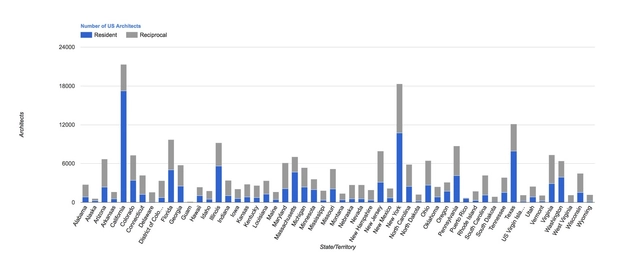
As architects around the country gather for the 2017 AIA Convention in Orlando, the National Council of Architectural Registration Boards (NCARB) has decided to share some initial results from their 2016 nationwide Survey of Architectural Registration, specifically, the number of architects licensed in each state.

The data tracks both the number of resident licenses and reciprocal licenses (licenses for a particular state held by a resident of another state). The 2016 survey found that the number of architects working in the US has held steady, and that architects are working across state lines more than ever before. While the total number architects dropped slightly from the previous year (0.4 percent) to 109,748, the number out-of-state licenses grew a full 3 percent to 126,554.

The 2016 Edition of NCARB's Numbers Shows Increasing Diversity Among Architecture Professionals

The National Council of Architectural Registration Boards (NCARB) has released the 2016 edition of its NCARB by the Numbers, an annual publication that provides insights into the number of U.S. architects, the pools of professionals working towards licensure, and diversity within the profession.

With recent streamlining and increased flexibility of architectural licensing programs, the time it takes to earn a license has decreased for the seventh year in a row, and the average age of licensure has concurrently dropped. On average, it takes just over 13 years to become an architect, from the time a student enrolls in school to the date they receive a license.