Stainless Steel, Bronze, Brass, or Aluminum: How to Choose Handle Materials

Subscriber Access | 

Door handles are a ubiquitous part of daily life, being used constantly in almost every space but rarely given thought by the passing user. Nevertheless, the chosen material of each handle can vary widely in terms of aesthetics, durability, and sustainability, with good choices going noticeably right and poor choices going noticeably wrong. For objects that are seen and used multiple times every day without fail, it’s imperative that designers get the choice right.

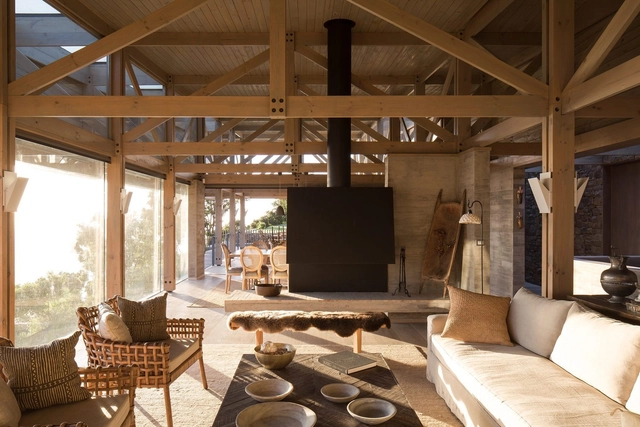
Details of Wooden Structures in Kengo Kuma's Work

Kengo Kuma's architecture can be defined by its respect to Japanese constructive traditions and alignment with its context. Internationally recognized, the architect is known mainly for his wooden (or mixed) structures, which arise from a simple pattern of assembly and, which through different intersections and angles, generate a complex whole. The representations created by his team bring very specific details, ranging from didactic isometrics to complex parametric drawings. We have gathered details of five inspiring projects by Kengo Kuma that use wood.

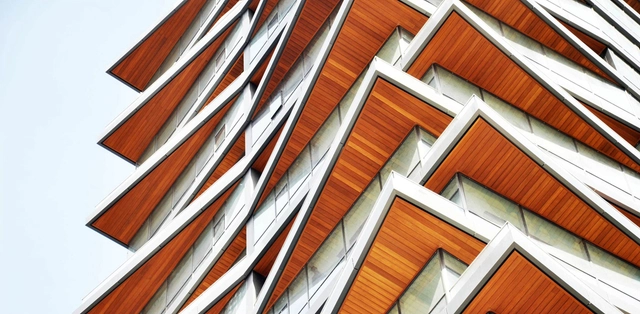
Long Format Bricks: Shaping Distinctive Facades

 | Sponsored Content

As one of the oldest building materials, dating back to at least 7500 BCE, brick is often thought of as a traditional, classic option for a building facade. Throughout its long history, however, the brick industry has changed and modernized to remain architecturally relevant. Innovations in brick construction continue to provide new opportunities for designs that combine the warmth and character of a natural material with the efficiency and aesthetics of a modern building. 

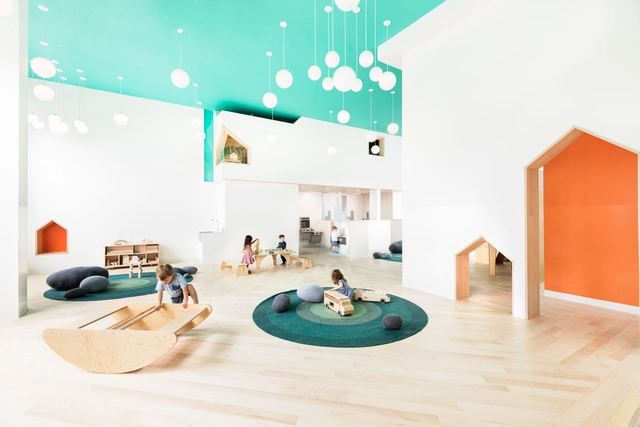
Indoor Playgrounds: Playful Architecture at Home

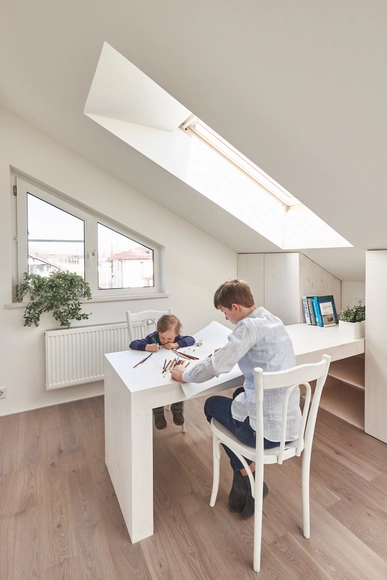
Although we know how important it is to allow children to play in public and outdoor spaces, it is difficult to deny that there are few cities offering adequate prepared environments for children - fun and safe spaces that allow them to experience urbanity and become conscious citizens of community life. For this reason, it is also understandable that families have increasingly instituted leisure spaces in indoor environments, giving their children the freedom and security necessary to learn and grow.

In this article, we have selected 11 incredible examples that demonstrate how interior architecture can help create play spaces for kids of all ages, helping them take their first steps in this world with greater autonomy and confidence.

Storage Solution for Small Houses: Useful Examples

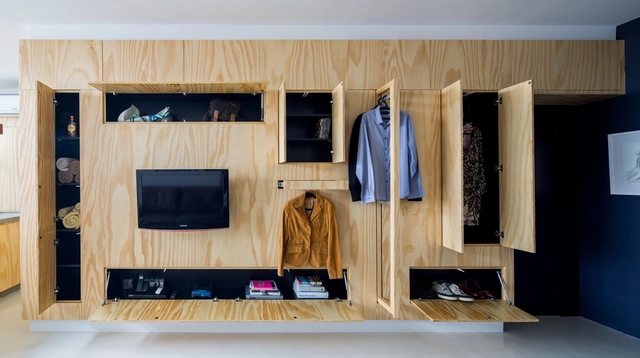
Dense cities mean small homes. With more and more frequency we are forced to adapt to spaces within which some elements simply do not fit. As architects, these restrictions actually provide us with opportunities and remind us that our goal is to give precise solutions to specific problems. Designing with infinite number square meters and/or an unlimited budget is practically unheard of.

9 Projects that Demonstrate the Versatility of Brick Floor

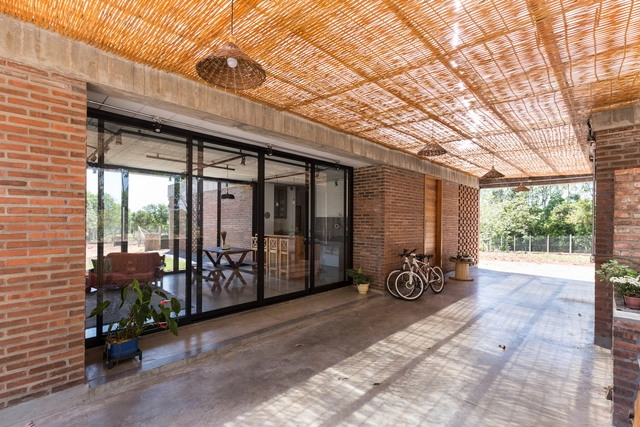
Often recognized as one of the most widespread constructive materials in the world, brick is, with no doubts, very versatile, low-cost and easily applied. Although it usually used in vertical surfaces, it also presents excellent properties when applied to horizontal ones, like floors.

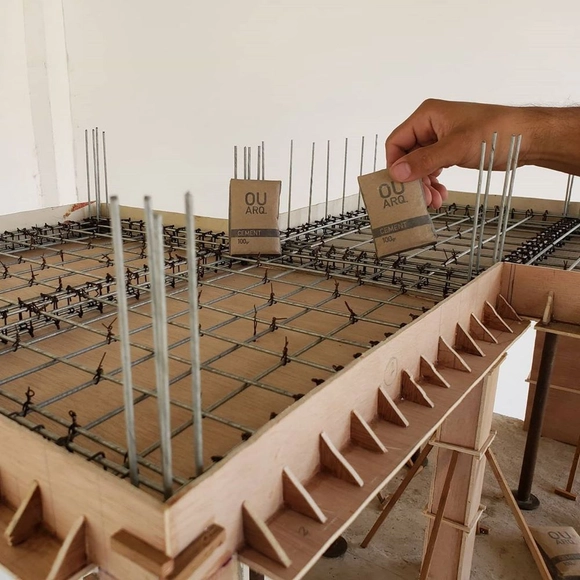
Is It Possible to Recycle Concrete?

Having been utilized as early as the Roman era in buildings of almost every scale, it is almost impossible to think of a building that does not have at least one concrete element. In fact, it is the most widely used construction material in the world, due to its versatility, resistance, ease of handling, accessibility, aesthetics, and other factors. At the same time, its manufacture is also one of the main polluters in the atmosphere, mainly due to the fact that the cement industry emits around 8% of all global emissions of carbon dioxide (CO2).

Hay Roofs Explored Through 13 Vietnamese Restaurant Projects

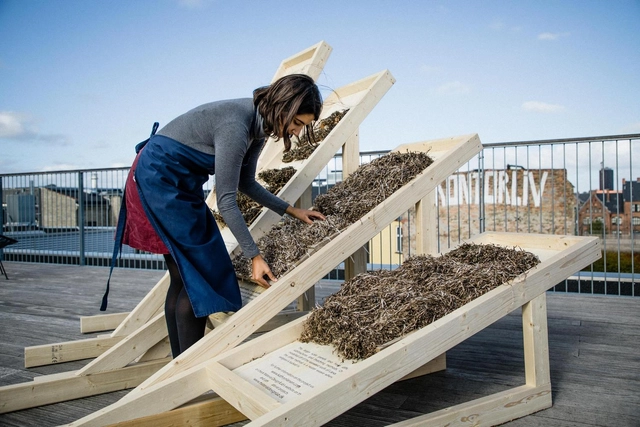
Building with Natural Biodegradable Raw materials is one of the major recurring green construction solutions of our days. Although some might call it regressive, it is an easy and affordable way to promote Eco-friendly Architecture. The implementation of Hay or Thatched roofs are a prime example of a highly beneficial Sustainable building solution.

Structural and Light Pieces of Wood Based on Natural Intelligence of Trees

The global climate crisis is not only forcing us to rethink architectural design and the way we live, but also the materials and products that shape our built environment, starting from its origins and manufacture. Toward this end, wood has become an efficient alternative to steel and concrete – materials with high levels of embodied energy – and has led to some important architectural innovations that may culminate in its more widespread use worldwide.

Generating Water from Air Humidity to face Global Drought

As the climate crisis continues to unfold, professionals in architecture, engineering, and sustainable design have relentlessly searched for new ways to mitigate the negative effects of modern industrial production. One group of such innovators, Zero Mass Water, have contributed to this effort through their creation of ‘the world’s first and only hydropanel’ - an apparatus called SOURCE.

15 Details of Metal Structures and Facades for Residential Projects

Subscriber Access | 

The use of steel in both the past and present is mainly associated with the success of grand industrial and civic structures. But due to the commercialization and standardization of steel profiles, its use in residential projects (thanks to its mechanical properties and fast installation) has resulted in complex and interesting solutions on a domestic scale.

Basic Tips for Choosing a Toilet in an Architecture Project

Subscriber Access | 

We may not give them the importance they deserve, but toilets are fundamental to our daily lives and our health. There are two "golden rules" that articulate their usefulness: they 'separate' us immediately from our waste, and they transport them for treatment, preventing them from contaminating the environment or making people sick.

In addition to being a good place to think about new ideas, browse Instagram, and answer emails, the toilet helps us stay healthy, an attribute we take for granted until we lose access to it.

The Future of the Old: How Ancient Construction Techniques are Being Updated

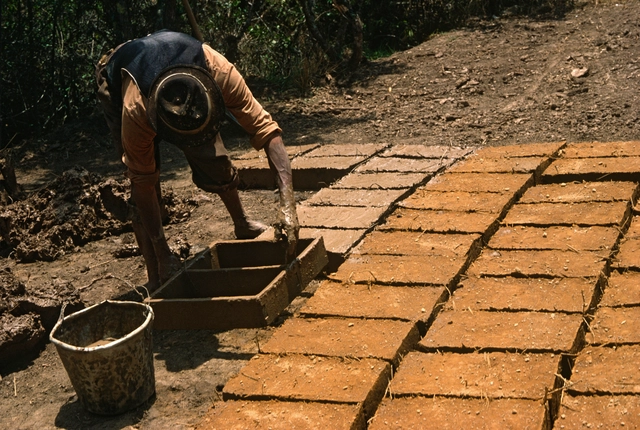
While technology and construction have progressed rapidly in recent years, allowing structures to be built taller and faster than ever, remnants of colossal ancient monuments remind us that construction techniques from as long as hundreds of years ago had enormous merit as well. In fact, many of the innovations of antiquity serve as foundations of modern construction, with the Roman invention of concrete serving as a cogent example. Other essential ancient construction techniques, such as the arch and the dome, are now often considered stylistic flourishes, with designs like the Met Opera House reinterpreting classical typologies in a modern context. Yet perhaps the most relevant reinterpretations of ancient construction today are those that do so in the interest of sustainability, renouncing high-energy modern construction methods in favor of older, more natural techniques.

The Threat of Black Mold to Architecture and its Inhabitants

Subscriber Access | 

Unfortunately, we've probably all experienced the unfortunate surprise of finding mold at home. These undesirable black and greenish spots, usually seen in dark, damp corners, may seem harmless at first, but they pose a major problem for buildings and occupants. Because the tendency of mold is to continuously spread, it gradually contaminates other materials and surfaces, causing a characteristic smell and contaminating the air. But how is it possible to control it and, mainly, to prevent it from occurring through architectural design?

Color and Geometry: 16 Projects with Hydraulic Tiles

Subscriber Access | 

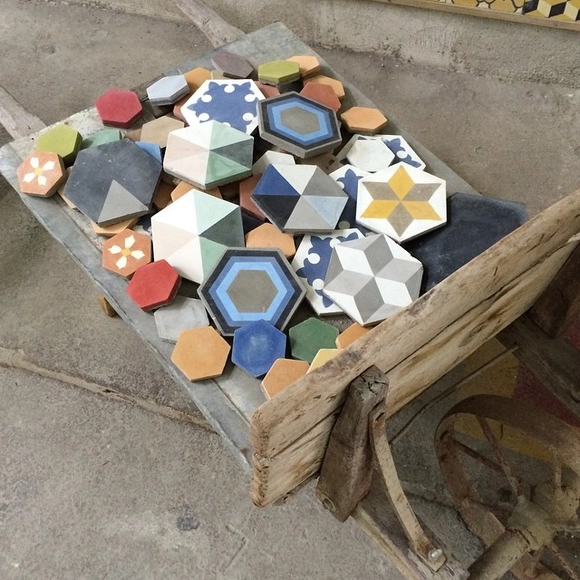
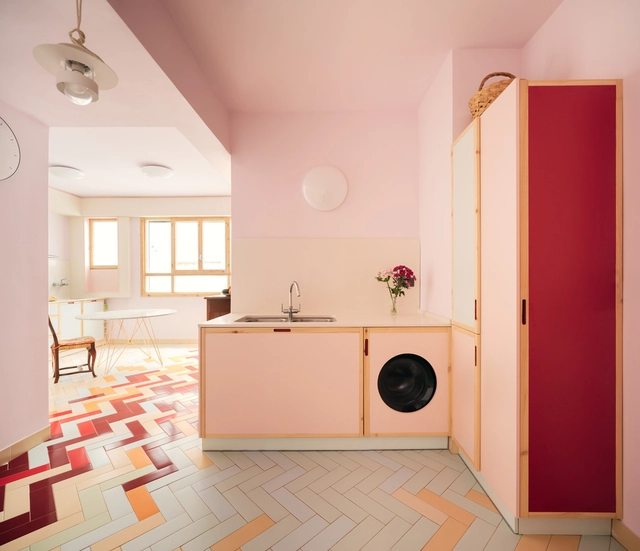
Coming from the Byzantine Era, originally used for decorating floors and walls, the hydraulic tile is a material still widely used for the coating of architectural surfaces. With versatility in patterns, composition, colors, it is water-resistant and can be installed onto various surfaces, like countertops, panels, and furniture. Going beyond thoу commonly used ones, this material still shows excellent results in projects, both residential and commercial. With that in mind, we have compiled a selection to inspire you for your next works. Check it out below:

How Material Simulation During Design Ensures Accurate Construction Performance

With the amount of information and technology we currently have, whether from academic research or from the manufacturers of construction products themselves, there is very little room for empiricism and experimentation when we design on the most diverse scales. Even worse is when design specification misconceptions can pose huge costs and headaches. However, long before construction and occupancy of the building, it is possible to clearly understand how the construction will function thermally, its photovoltaic power generation capacity, and even how much power will be required to cool and/or heat it. There are software, tools and applications that allow you to quantify all these design decisions to avoid errors, extra costs, unnecessary waste generation, and ensure the efficiency of all materials applied.

How to Choose Pavements for High-Traffic Public Spaces

Currently, there are a multitude of pavements in the market, each with different characteristics. When designing a public space, it is essential to ask the right questions regarding requirements and functions to determine the right material for the job. To begin: Where will the pavement be installed? (Will it be protected, exposed, wet, or damp?). What level of traffic will it experience? (Light, moderate, or high?). What type of traffic will it experience? (Pedestrians, bicycles, light vehicles, or heavy vehicles?). What other factors should be considered based on preexisting conditions?

From these questions, it is possible to draw a more precise and effective profile of the "abrasion resistance" of the pavement, an important factor to guarantee the durability and efficiency of the material. Then, the aesthetic, functional, economic, and sustainable factors may be added.