Earlier this month, Steven Holl Architects designed and created their project Obolin, a sculpture made locally from a single panel of cross-laminated timber, or CLT. It was made for and is now exhibited in the Art Omi Sculpture and Architecture Park, an art center that seeks to explore the intersection of architecture and art through the production of pavilions, installations, landscape interventions, and built environments designed by architects.
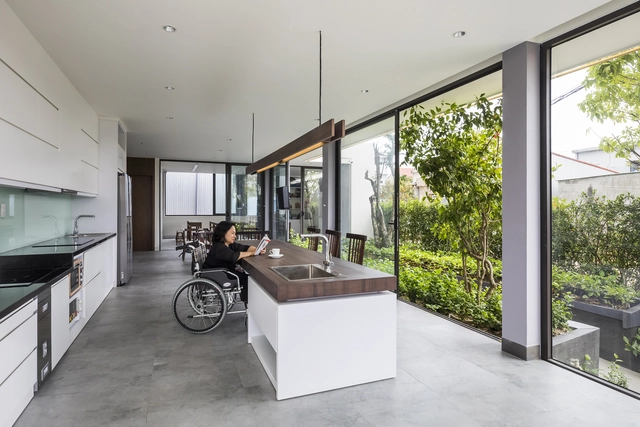
One of the most important design considerations that residential architects have the responsibility to address is accessibility, ensuring that people with disabilities can comfortably live at home without impediments blocking basic home functionality. Accessibility for wheelchair users is a particularly important architectural concern due to unalterable spatial, material, and other requirements necessitated by wheelchair design and use. Because guaranteeing the comfort of all users, including disabled users, is one of the most essential obligations of all architects, designing for wheelchair users must be done with utmost the attention and care, especially in residential environments. Below, we delineate several strategies for designing floors for wheelchair circulation, helping architects achieve this goal of maximum comfort and accessibility.
https://www.archdaily.com/943591/what-types-of-residential-floors-favor-wheelchair-circulationLilly Cao
Some researchers define the Anthropocene as beginning at the Industrial Revolution. Others identify it with the explosion of the first nuclear bomb, and others with the advent of agriculture. Regarding the precise timeline, there is not yet a scientific consensus. But the notion that human activities have been generating changes with planetary repercussions, whether in the temperature of the Earth, in biomes, or in ecosystems, is one that has become increasingly popular. The anthropocene would be a new geological era marked by the impact of human action on planet Earth. This acknowledgement of human impact is particularly disturbing if we consider that if the entire history of the Earth were condensed in 24 hours, humans would only appear in the last 20 seconds. Whether in the massive extraction of natural resources or in the carbon release from vehicles and industries, it is well known that a large part of the fault lies with construction activities, especially in the production of solid waste due to waste and demolition. In Brazil, for example, civil construction waste can represent between 50% and 70% of the mass of solid urban waste [1]. Many will end up being discarded irregularly or thrown in landfills to be buried indefinitely.
Recycling and upcycling of materials and structures have become more and more popular in architecture as alternatives to the production of components in construction, typically associated with increased energy consumption and high levels of pollutants released into the atmosphere. The main difference between these two methods is that, while the former uses a certain amount of energy to process the material before it is reused, the latter does not require this process, but rather reuses it just as it was discarded.
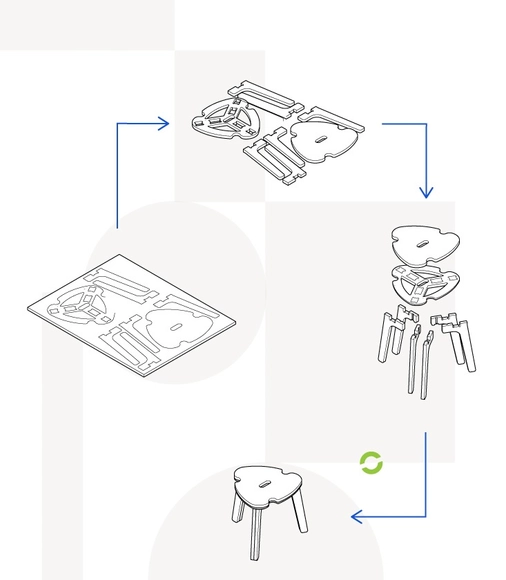
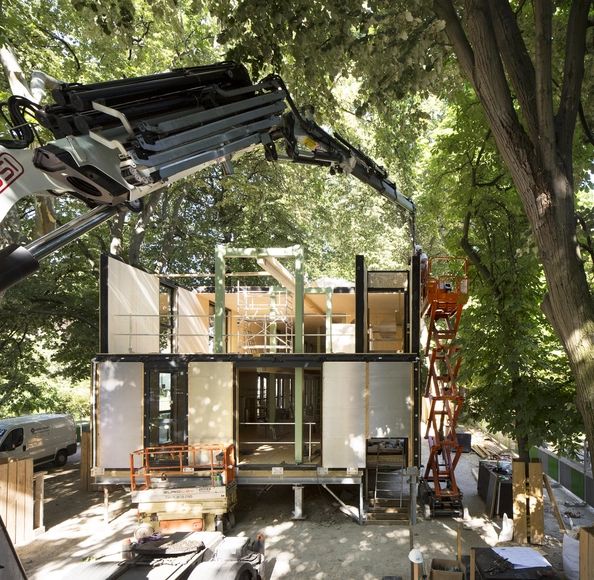
The concept of Design for Disassembly (DfD for short) gained increasing traction in recent years, as it addresses the growing concern around the high consumption of resources and low recycling rate within the construction industry. The following article details on the method and features guidelines for a design process that facilitates the dismantlement of future buildings, with the scope of providing a better understanding of this principle within the broader framework of the current practice and circular economy.
Designed by NEON, the Shiver House is a radical reinvention of the common Finnish Hut (mökki). The project is a kinetic "animal-like" structure which moves and adapts in response to surrounding natural forces. Shiver House is an exploration into the idea that architecture can be used as a means to create a closer emotional link between its inhabitants and the natural world it sits within. In addition, the project explores the idea that architecture can be made to seem "alive" with the intention that this will engender a deeper and longer-lasting emotional relationship between people and the structures they inhabit.
https://www.archdaily.com/942956/functional-shelter-and-experiential-device-600-kinetic-shingles-shape-neons-shiver-houseLilly Cao
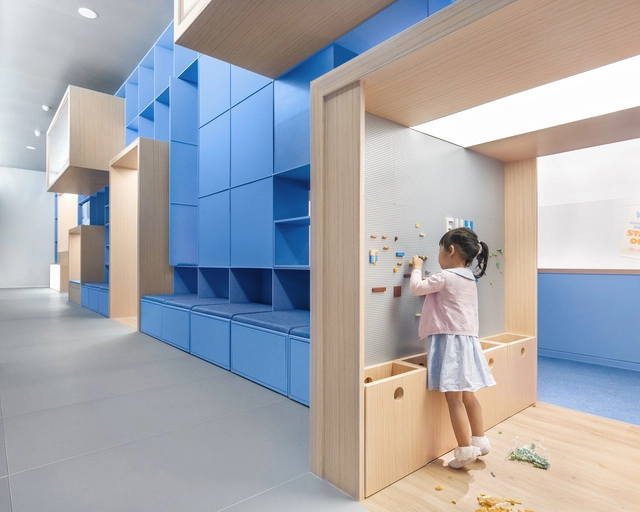
It is unquestionable that environments directly influence the behavior and emotions of their users. Human beings spend approximately 90% of their lives indoors, making it imperative that the spaces we inhabit stimulate positive behavior and emotions, or at least don't influence us negatively. There exists a specific term describing the stimuli that the brain receives from its environment: neuroarchitecture. Several studies have been published on this topic, most focusing on its impact on work environments. This article approaches this concept through a different, yet essential lens: emphasizing its importance in the design of spaces for children in early childhood.
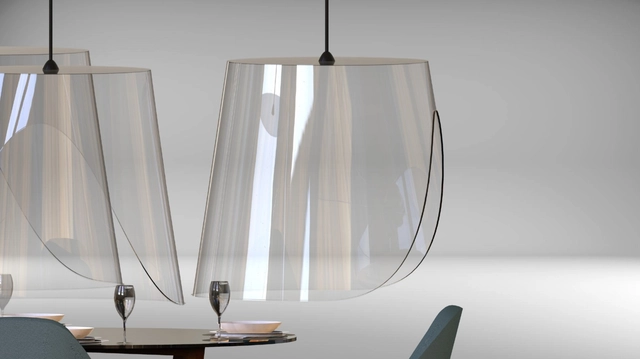
Although chemist and inventor Otto Rohm had first come up with the idea for plexiglass in 1901, it wasn’t until 1933 that the Rohm & Haas company first introduced it to the market under the trademark name Plexiglas. The material, which is considered a lightweight and shatter-resistant alternative to glass, has had a fascinating history and experienced a multitude of different uses in that time. Today, plexiglass continues to be utilized in new and interesting ways, including as a potential means with which to help combat coronavirus spread. Restaurants, stores, and other businesses have begun using plexiglass partitions as protective shields for both workers and customers, especially as cities and towns slowly reopen. Below, we dive into this unusual material, addressing its material properties, its history, and the ways it continues to be used today.
https://www.archdaily.com/943049/what-is-plexiglass-the-protective-plastic-many-are-using-to-combat-viral-spreadLilly Cao
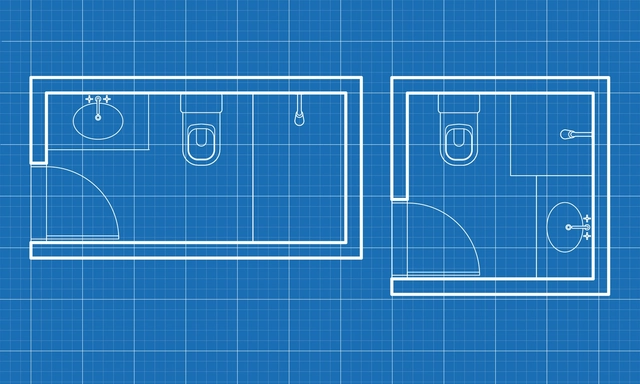
Having access to a bathroom is, above all, a factor of dignity. As basic as this fact may seem, the WHO (World Health Organization) estimates that 2 billion people worldwide do not have access to basic sanitation facilities, such as bathrooms or latrines. Such inadequate sanitation causes 432,000 deaths annually, mainly from diarrhea, in addition to being an aggravating factor for several neglected tropical diseases including intestinal worms, schistosomiasis, and trachoma. In 2010, the UN (United Nations) labeled sanitation a basic right, alongside access to drinking water.
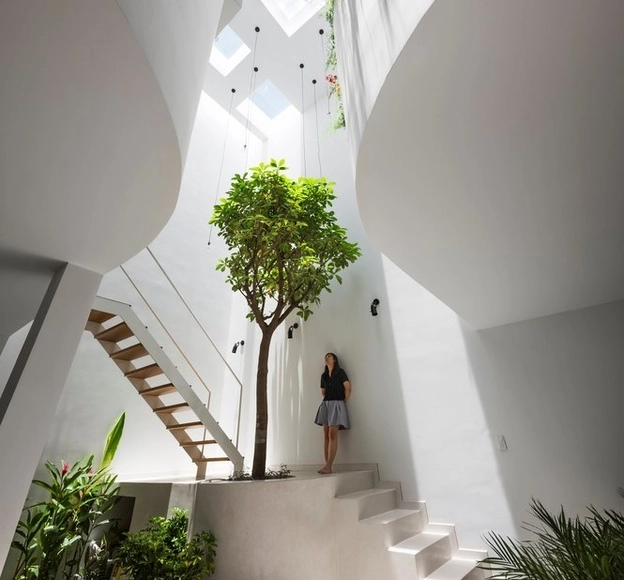
With most of the world living in cities and growing villages, people tend to spend the majority of their time indoors. When not at home, we are working, learning, or even engaging in fun activities in enclosed, built settings. All in all, 90% of our time is occupied inside. It is therefore essential to ensure a comfortable, productive, and healthy indoor environmental quality by following well-regulated parameters and design practices that consider temperature, lighting, noise pollution, proper ventilation, and the quality of the air we breathe. The latter is especially important, since contrary to what we might think, air pollution is much higher indoors than outdoor.
Architects don’t make buildings. Architects make drawings of buildings. But of course, someone has to make the building. The construction industry is one of the largest economic sectors and we all interact with the built environment on a daily basis, but the actual work of getting a building from drawing to structure has barely evolved over the decades. While the rest of the world has moved into Industry 4.0, the construction sector has not kept pace. Architecture has begun to embrace some digitalization. After all, not many of us work with mylar on drafting tables anymore. So with the architecture industry’s everlasting link to the construction industry, will the latter pick up some new technological tricks by association? And when it does, how will that change the role of the architect?
Large construction projects can often take 20 percent more time than scheduled and when they are finished, as many as 80 percent end up over-budget. Construction is one of the lowest profit-margin industries in today’s economy. In the past 75 years, productivity has increased by up to 1,500 percent in the manufacturing, retail, and agriculture fields. Over that same time period, productivity in construction remained almost the same.The emerging field of Construction Technology, or ConTech, aims to change that, to bring construction into the 21st century.
The choice of materials and products made by an architect during their design and specification process is key to defining how a project will look after its completion and over time, as it ages. Choosing materials that are not appropriate could result in projects with both aesthetic and functional issues.
https://www.archdaily.com/941827/how-do-architects-and-industry-professionals-specify-different-materials-and-productsPola Mora
Smart homes, the Internet of Things, and contactless technology have become an indelible part of the architecture and interior design industries, with automated lighting, smart HVAC units, and speakers like Alexa or Google Home becoming a principal part of the modern upper middle class home. As new devices and competing systems are continually released, we list some of the most popular home technologies developed by Lutron, alongside tips for how to integrate and choose among them.
https://www.archdaily.com/941241/how-to-design-a-smart-and-contactless-homeLilly Cao
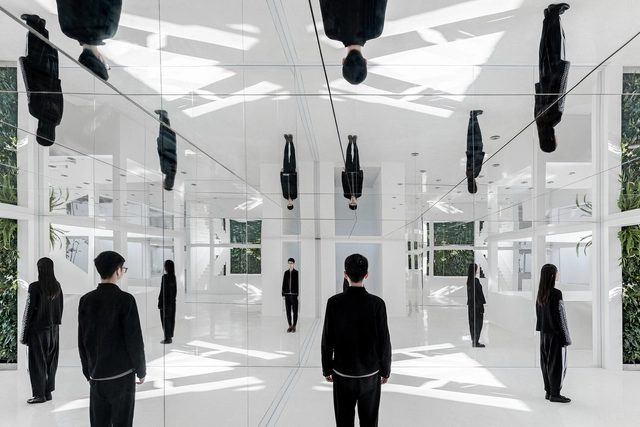
Humans have used mirrors since as early as 600 BCE, employing highly polished obsidian as a basic reflective surface. Over time, people began to use small pieces of gold, silver, and aluminum in a similar manner, both for their reflective properties and for decoration. By the 1st century CE, people had started using glass to make mirrors, but it was only during the European Renaissance that Venetian manufacturers began making mirrors by applying metallic backings to glass sheets, remaining the most common general method of mirror manufacturing today. Since then, mirrors have continued to play both a decorative and functional role in architecture, serving a clean, modern aesthetic despite its ancient origins. Below, we investigate how mirrors are made, provide a brief history of mirrors in architecture, and offer several tips for architects looking to use mirrors in their designs.
https://www.archdaily.com/942109/mirrors-in-architecture-possibilities-of-reflected-spaceLilly Cao
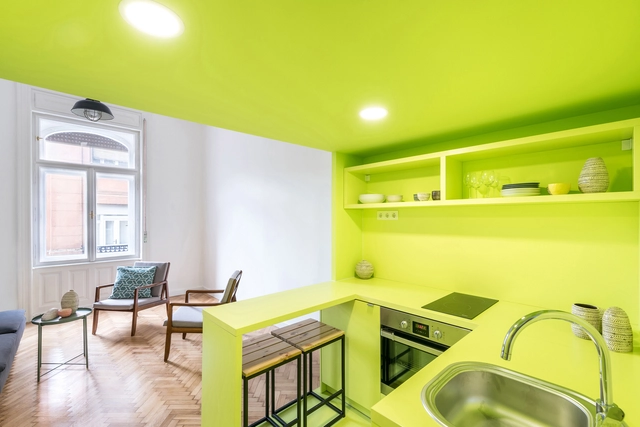
A monochrome environment is a space in which most architectural elements are of a single color. Although it is common for architects to design black or white monochromatic spaces due to its neutrality, it is possible to use almost any color to design a space, taking advantage of their infinite tones, undertones, and shades.
In her Sesc Pompéia theater, architect Lina Bo Bardi designed a central stage revealing the structure and all the functions of the theater's program, and renouncing traditional theater seating. Her seats were not upholstered, were close to each other, and encouraged a more aware, attentive, and upright posture among the audience, thus honoring, according to her, the ancient art of theater.
The issue of the housing deficit plagues virtually all countries today. According to a study by the McKinsey Global Institute, 330 million urban families worldwide lack decent housing, or housing costs are so heavy that they need to forgo other basic needs such as food, heath care, and education for children. According to the WRI (World Resources Institute), it is estimated that 1.6 billion people will lack adequate housing by the year 2025.
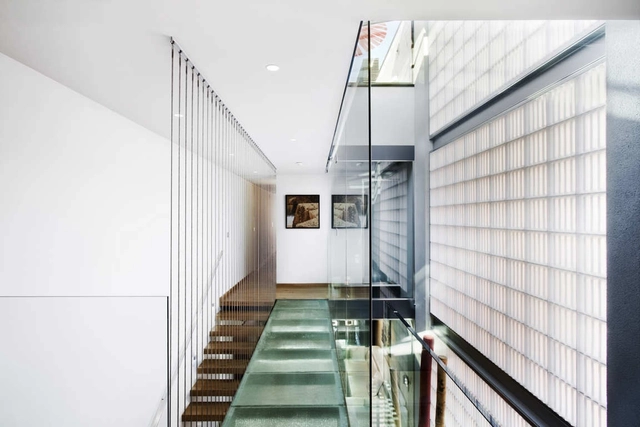
In 1977, a New York Times article by Carter B. Horsley proclaimed that “Glamorous Glass Bricks Are Booming:” once a “less than first-class” material, it was beginning to gain acceptance among architects in residential and restaurant projects for its translucence, privacy, visual interest, and sense of order. However, following the industry’s brief but widespread use of glass bricks, many now associate the material with outdated 80’s architectural styles, an aesthetic that few seem interested in reviving. Yet pioneering contemporary architects have begun using this unique material in new and distinctly modern ways, whether for sleek and minimalist bathrooms, industrial bars and restaurants, vintage residential windows, or even experimental urban facades. As Horsley stated, it appears that glamorous glass bricks are booming – again.
https://www.archdaily.com/941686/glamorous-glass-bricks-are-booming-nil-againLilly Cao


.jpg?1595011758&format=webp&width=640&height=580)


Ai_Qing_Courtesy_of_KPF.jpg?1592356426&format=webp&width=640&height=580)