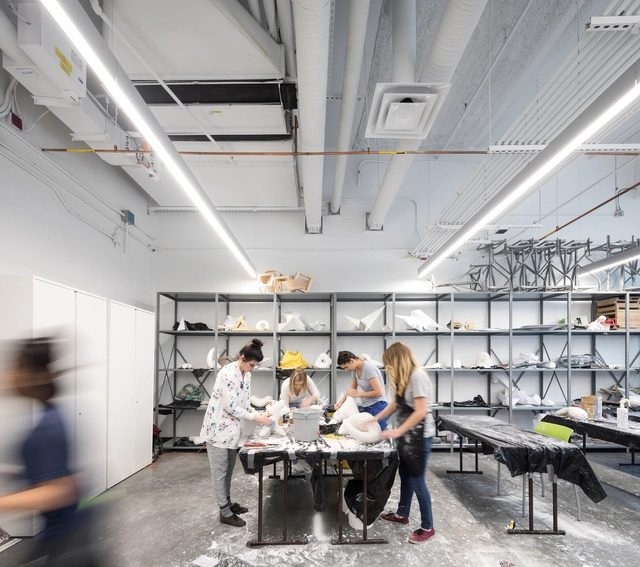
Linear Suspended Lighting. Image Courtesy of Alcon Lighting
Lighting plays a crucial role in architecture: to allow users to see, safely inhabit spaces, and carry out their daily activities. But its power has long exceeded these basic functions, primarily driven by technological advances and new design trends that have led to greater innovation and creativity. Contemporary lighting design has the ability to completely transform a room, impacting visual comfort and setting the tone by defining volumes, drawing attention to texture and enhancing colors. It can also determine shape and size perception; for example, in a room that is particularly small, having extra lighting reflect off light-colored walls will help the space appear larger. Similarly, light has been proven to affect mood, concentration and overall well-being. Whereas an adequately illuminated environment is associated to warmth and improved energy levels, poor lighting can lead to health deficiencies, including headaches, eyestrain and even depression.
Flexibility has been an increasingly appreciated characteristic in the field of architecture. In the extremely dynamic societies and spaces that we inhabit, it makes sense for buildings to have the ability to continuously adapt their spatial layout and even their structure to changing needs. Providing a space that can be adaptable and not completely static is a priority in today's world and can extend to many different types of projects, from domestic to public. In offices and convention centers, for example, having the opportunity to create reserved rooms when needed makes these large open spaces much more versatile.
As climate change continues to reach unprecedented levels, many are pointing towards enhancing circularity in the construction sector. Essentially, the circular economy aims to eliminate waste and the continual use of resources by repeatedly reusing, repairing or recycling materials. The cyclical approach is able to meet demand and minimize CO2 emissions by extending a product’s lifespan, which is especially important when dealing with limited resources. Unlike the traditional linear extractive method –where everything goes through an extremely contaminating process of 'take-make-waste'–, circularity keeps materials in use for as long as possible to extract maximum value. This, in turn, reduces pollution, regenerates natural systems and contributes to a healthier built environment, hence building economic, natural, and social capital.
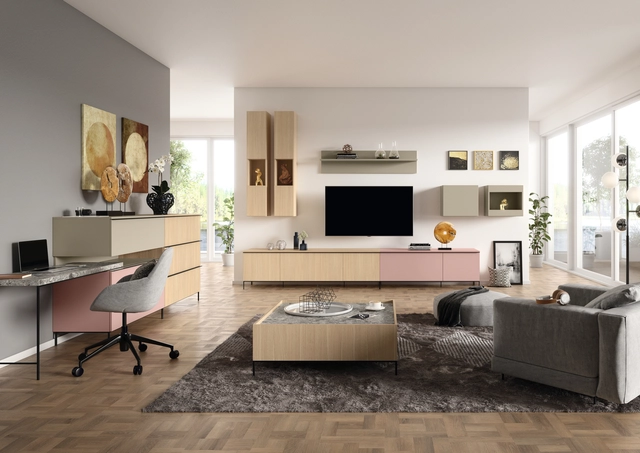
With its discreet design and coordinated colours, the workstation fits perfectly into the living area. Image Cortesia de EGGER
Although things seem to have returned to normal, it is undeniable that the COVID-19 pandemic has changed everyone. The truth is, its impacts on the economy and society can still be felt and will remain for some time. As a consequence, most people have become more conscious about public health, disease dissemination and the importance of science in everyday life. Many began to place more importance on time spent with family and at home, while companies have realized that not all office spaces are really essential and that home office can be just as effective.
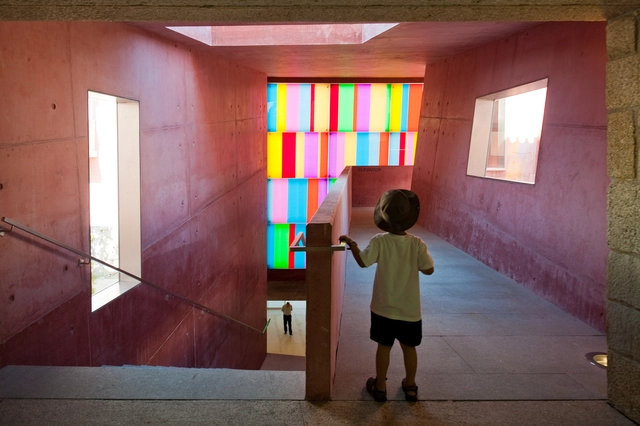
Used by artisans across the globe for thousands of years, colored glass is one of the oldest art forms. Its origins date back as early as the 7th century, when stained windows began adorning churches, cathedrals and convents – often representing religious symbols and Biblical stories. These expanded to Islamic mosques and palaces during the 8th century, and by the Middle Ages could be found in countless churches across Europe. The intricate glass work reached maximum splendor in the monumental buildings of the Gothic period, resulting in giant, elaborate windows with extremely complex figures, patterns and geometries. However, gone are the days when this was reserved exclusively for prominent places of worship or ancient structures. Hand in hand with innovative production methods and new technologies, colored glass has made a comeback in contemporary architecture, enhancing countless buildings with its bold, lively hues.
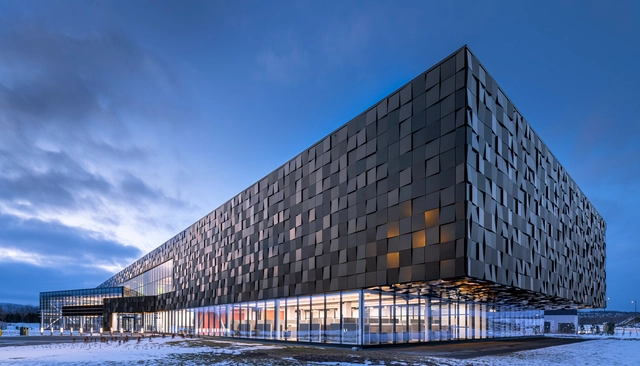
Blending in with its urban context or standing out to draw attention, a façade tells a building’s story. It is an expressive medium through which we engage with architecture, defining first impressions and setting the tone for the interior by experimenting with transparency, movement, texture and color, among other aesthetic possibilities. Of course, the envelope also plays a crucial functional role, acting as a protective barrier against extreme weather conditions and directly impacting light transmittance, energy efficiency and acoustic comfort. Architects therefore face an important challenge: to achieve a balance between an attractive look and performance. To do so, it is pivotal to specify the right materials during the design stage.
Illustration by Arkitema - Oasys MassMotion. Image Courtesy of Arkitema
From smartphones to space rockets and self-driving cars, the power of technology in this modern digital era is enormous (and practically limitless). It has impacted every aspect of our lives and will continue to open up endless possibilities that today we cannot even begin to fathom. When applied in a socially and environmentally responsible way, technology has the power to enhance productivity, communication and sustainability, enabling global communities to function efficiently, addressing people’s everyday needs and improving their quality of life. Simply put, good technology serves humanity. And just as the healthcare or manufacturing industries have taken advantage of this, the architecture, design and construction world cannot fall behind.
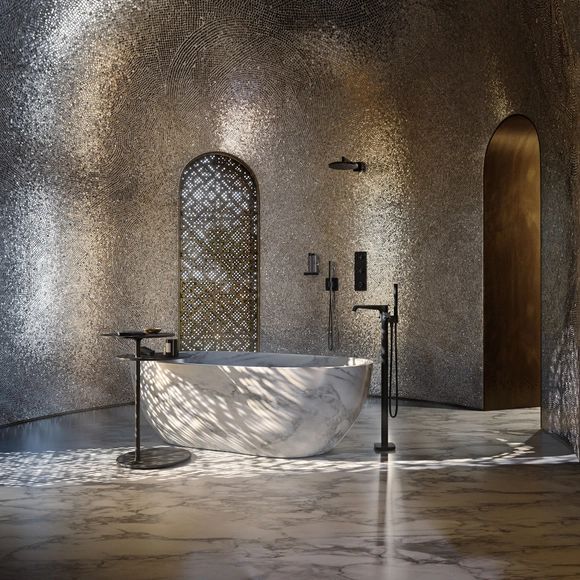
Square shapes convey a sense of reliability and safety, while triangles represent stability, balance and movement. Circular forms, in turn, tend to be more "friendly", as they encompass all other shapes. This is known as the psychology of shapes, a science that studies the influence of shapes on people and their meaning and effects on our minds. In fact, geometric shapes are almost naturally familiar to us, even if we have no formal studies or mathematical references specific to them, as this study showed. In architecture, basic geometric shapes are also widely explored through playing with volumes, subtractions and intersections in floorplans and façades. The shapes may also appear in their truest forms, in interior elements and accessories. This is the case of AXOR Universal Accessories, which comprises three product lines, each representing a basic shape: rectangular, round and with rounded corners, reinterpreted into bathroom accessory products.
Mies Van der Rohe and Lilly Reich’s German Pavilion for the 1929 Barcelona International Exhibition is known as the most written-about modern building. But no matter how many times the pavilion is redrawn for analysis, there are always new angles from which to interpret it. Identifying its capacity to redefine the German image, while genuinely introducing new strategies that continue present in contemporary architecture projects are two key elements of the architects’ intentions behind their design strategy.
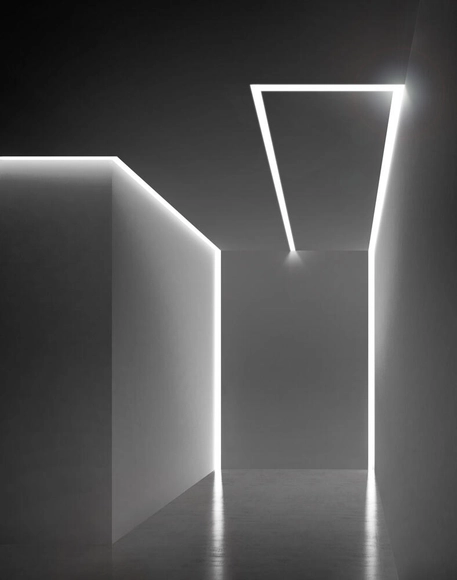
Dimensions, textures and colors are not the only factors to consider when designing a space. Choosing the right lighting also rises as a key strategy to create a project’s atmosphere. Appropriate lighting adds new aspects to space. Within the same project, different ways of applying light develops diverse situations, playing with light and shade, warmness and coldness, as well as depth and height.
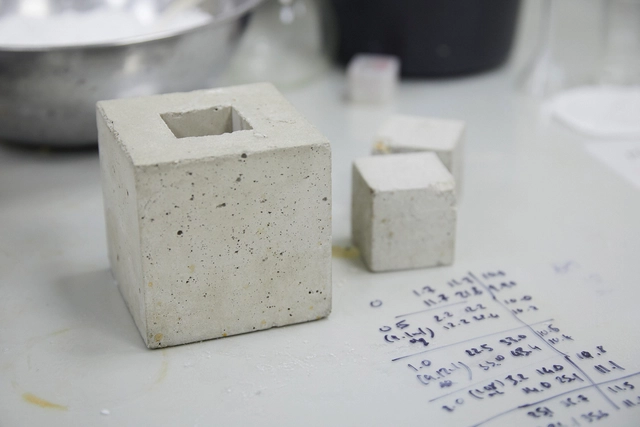
Material researchers and Ph.D. students at Imperial College London, Sam Draper and Barney Shanks have won the 2022 OBEL AWARD for Seratech, a solution for carbon-neutral concrete. With a special focus this year on “embodied emissions”, the OBEL AWARD jury selected scientists to obtain the architecture award to “encourage innovative cross-disciplinary solutions to the challenges of climate change”.
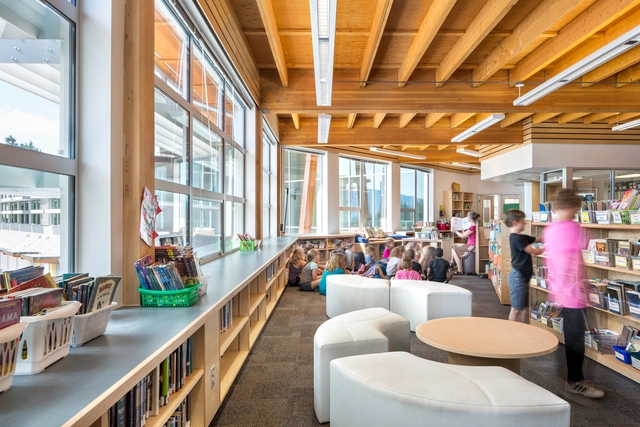
Gibsons Elementary, Gibsons, BC. KMBR Architects Planners Inc. Photo credit: Ed White Photographics. Image Courtesy of naturallywood.com
How does school design influence the process of teaching and learning? Understanding current educational design trends and methodologies is key to designing healthy spaces for students to develop their social and academic capacities.
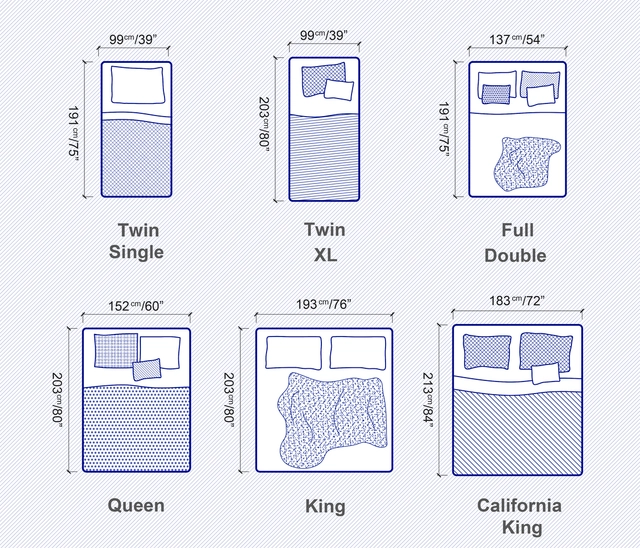
From an early age, we often hear phrases like “you must sleep a minimum of 8 hours a day.” It’s common knowledge that this brings invaluable health benefits, from reducing stress levels and keeping the immune system strong, to improving concentration, memory and decision-making skills. To guarantee a good night’s rest, having a comfortable bed that suits users’ needs is pivotal, especially considering that humans spend one-third of their entire life sleeping. Thus, when architects, designers and homeowners are faced with different bed options available in the market, the decision must be carefully thought-out and take a number of factors into account, whether related to aesthetics or functionality. But before any stylistic or material decision is made, it is crucial to start with the basics: defining the size of the mattress.
In the architectural conversations we are having in today’s world, conversations on materials are widespread. There is discussion on the viability of concrete in the contemporary context, how timber can be more sustainably sourced, and on how biodegradable materials such as bamboo should be more common sights in our urban environments.
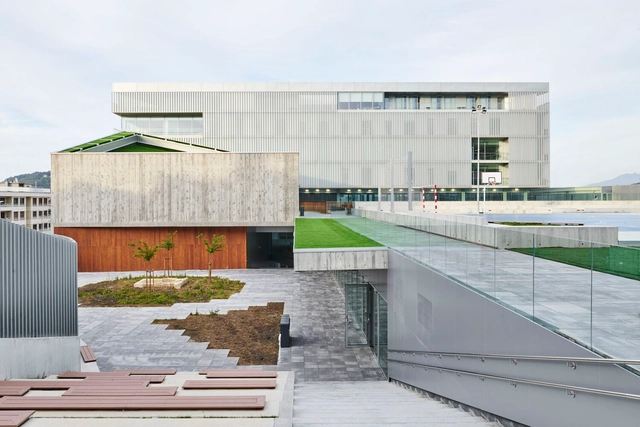
Wooden elements have the power to add warmth to a space or building. Through their shades, textures and rustic look, wooden surfaces tend to stand out, especially when used alongside more neutral and sober materials. In the Aldapeta María Ikastetxea School, a project developed by IDOM in the city of San Sebastian, Spain, the architects used the material in a particularly interesting way. Wood panels brought visual comfort and warmth to the building, whose material palette is limited, focusing especially on the use of glass, steel and exposed concrete.
Inspired by the warm tones of harvested crops, Wild Wonder was selected as Color of the Year 2023 by AkzoNobel. Extensive research conducted by AkzoNobel, including color experts and international design professionals, identified the "Wonders of the Natural" swatch at the heart of global social and design. This trend is inspired by nature as people are re-evaluating their relationship with the environment as the source of everything in their lives. # d0c599, or pale yellow/ olive green, captures the moment's mood and conveys serenity and positivity after these recent years of uncertainty and despair.
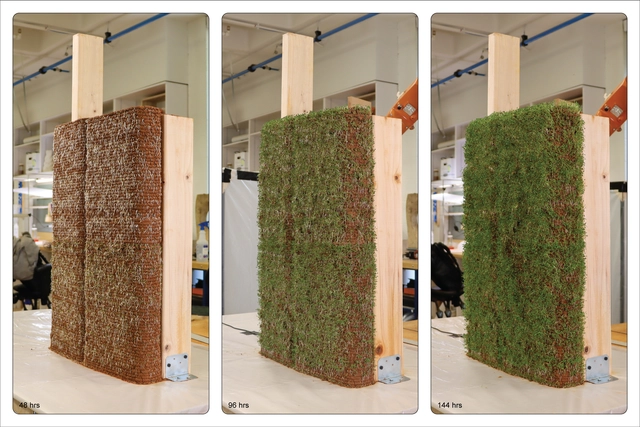
The relationship between architecture and nature is complex. If, on the one hand, we enjoy framing nature as art in our homes; on the other hand, we try at all costs to avoid the presence of obstructive "real" nature in our walls and structures, which can be damaged by roots and leaves. At the same time, we use green roofs, vertical gardens and flower boxes to bring cities closer to nature and improve people's wellbeing; but we also construct buildings with materials that are completely dissociated from fauna and flora. Although the advancement of biomaterials and new technologies is gradually changing this, we should nevertheless ask ourselves whether the structures and buildings we occupy need to be separated from the nature that surrounds them. This was the question that led researchers at the University of Virginia (UVA) to develop geometrically complex 3D-printed soil structures on which plants could grow freely.
Sanctuary House / Tai Ikegami. Image Cortesia de Western Window Systems
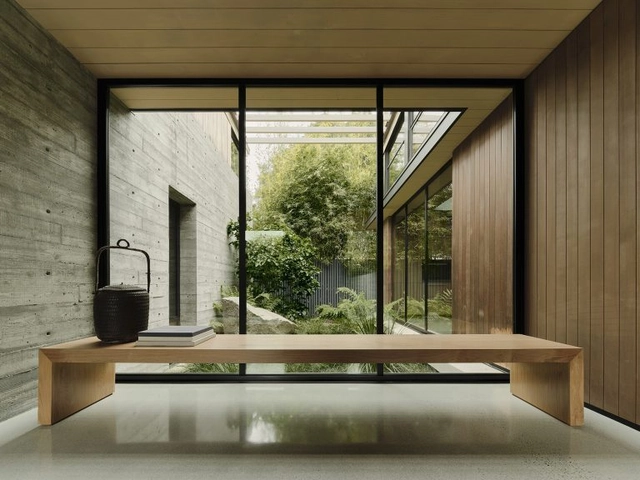
Interior courtyards can be found in various types of traditional architectures around the world, especially in warmer climates. They can be classified as introverted, safe, and even sacred spaces in some cultures. They can also be gathering places and, above all, provide greater contact with nature while providing light and ventilation to home interiors. To properly design these spaces and create a functional relationship between the inside of a house and its courtyard, it is important to use appropriate doors and openings. In this article we highlight 5 projects that use sliding glass doors for the seamless integration of both spaces.