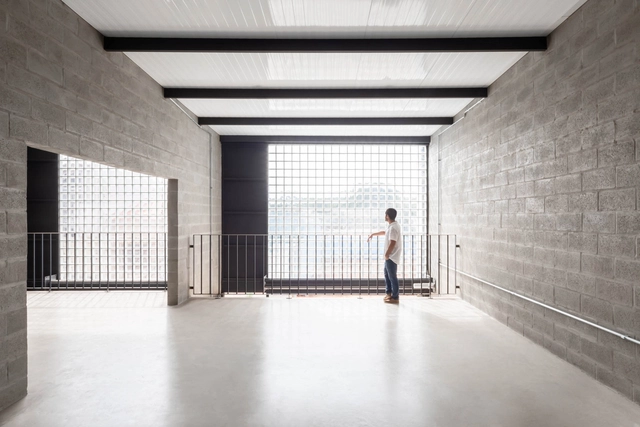
Sustainability is much more than simply deciding for or against a specific product. It is a concept that must be integrated into the way we build and design architecture, as well as the intelligent use of existing buildings and their potential renovations. From a sustainability perspective, demolishing an old building is just as unsustainable as building a new one. Both use large amounts of embodied energy that can be avoided when all planning parties consider new ways of working and collaborate more closely.
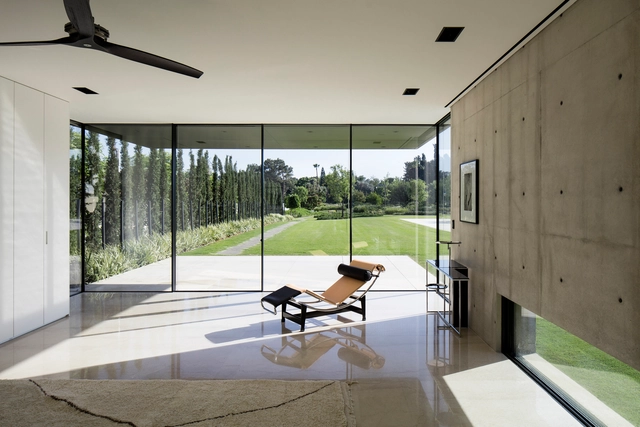
Le Corbusier once described architecture as “a learned game, correct and magnificent, of forms assembled in the light.” Natural light –and its accompanying shadow– plays a crucial role in shaping our perception of architecture, serving a long list of functions that define how users experience, engage and interact with buildings. From illuminating and accentuating to enhancing views and evoking warmth, the presence of daylight has the power to set a room’s tone and aesthetic language. It even has a significant impact on human health and well-being, including boosting mood and productivity, regulating circadian rhythms and reducing eyestrain and headaches –it makes our lives brighter, literally.
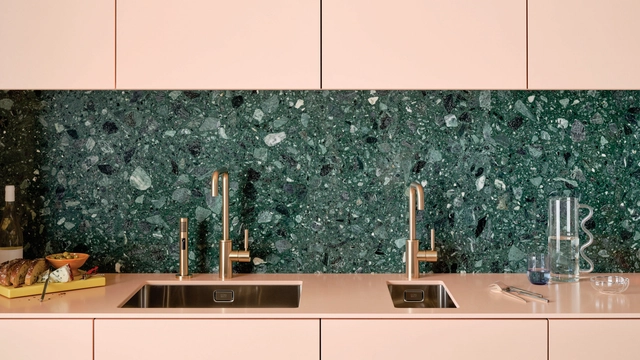
META SQUARE Brushed Champagne. Image Courtesy of Dornbracht
Appropriate fittings are as crucial to interior design as any other prominent feature, enhancing aesthetic appeal and providing the finishing touches to a space. Considered spaces where some of our most basic needs are met, kitchens are ideally designed to suit the lifestyles of its inhabitants, and can include customized fittings with diverse faucet systems, functions and finishes. Seeking style and functionality, we showcase a round-up of Dornbracht’s latest series of kitchen faucets, which seamlessly integrate cutting-edge refinements with timeless design to create versatile living spaces.
As trivial as the act of flipping a switch and lighting up a room may seem, we've had to come a long way to have safe and reliable light sources. It is estimated that the first lamps were invented 70,000 years ago, consisting of hollowed out stones or shells filled with an absorbent material soaked with animal fat that could be ignited. The Egyptians, on the other hand, used decorated ceramic vessels filled with oil, which provided a constant flame. Candles were popularized during the Middle Ages, made of tallow (animal fat) or beeswax, and could be burned in simple candlesticks and chandeliers. It was in the late 19th century that Thomas Edison and his team invented an incandescent light bulb that could be mass manufactured and was economically viable, soon becoming the dominant form of lighting for much of the 20th century. Although it was a revolutionary invention at the time, we are now aware that these lightbulbs are not very efficient, and they were eventually replaced by fluorescent and, more recently, LED bulbs. But if we have already advanced so much in such a short time, what can we expect for the future of lighting, and more specifically, how will our interiors be lit in a few years or decades?
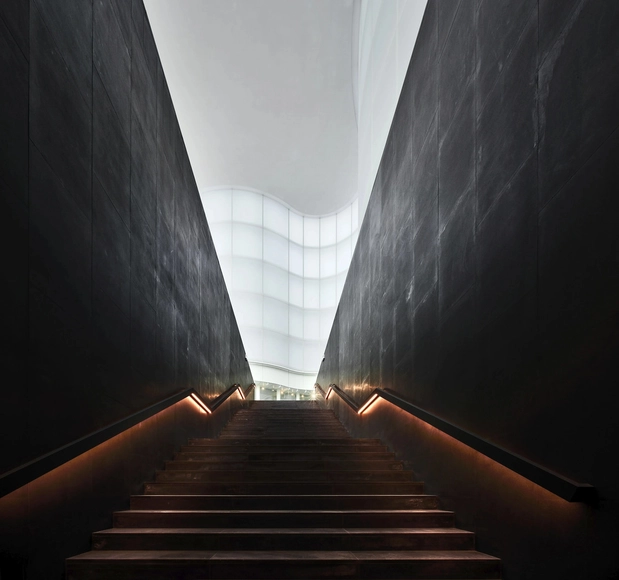
David Chipperfield, laureate of the 2023 Pritzker Prize, has designed over a dozen museums throughout his career, with some still under construction. As a typology that has significant urban and social impact, Chipperfield and his team have skillfully leveraged each commission to transform neighborhoods and cities while still honoring the essence of the place and what was there before. His museums make powerful statements without being obtrusive, and this is reflected in the choice of materials and the construction solutions used.
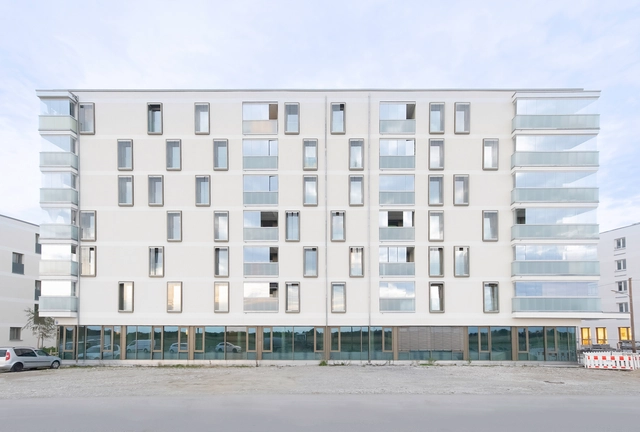
Higher noise emissions, higher wind loads and a desire for greater energy efficiency – the structural requirements for façades in multi-storey residential buildings and skyscrapers are becoming increasingly demanding, for both new builds and renovations. This is the result of the urban densification that is taking place in response to the acute lack of available housing and the more extreme weather conditions brought about by climate change.
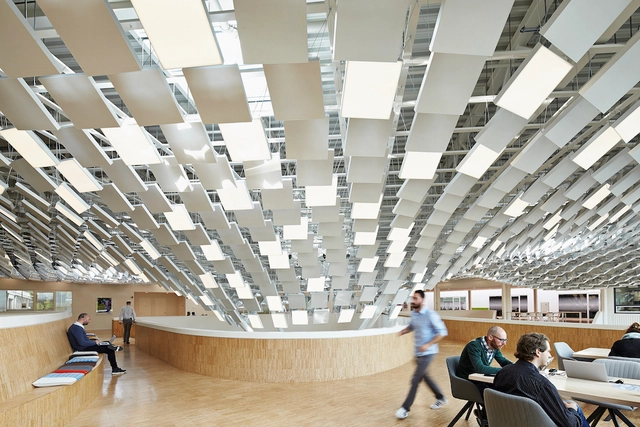
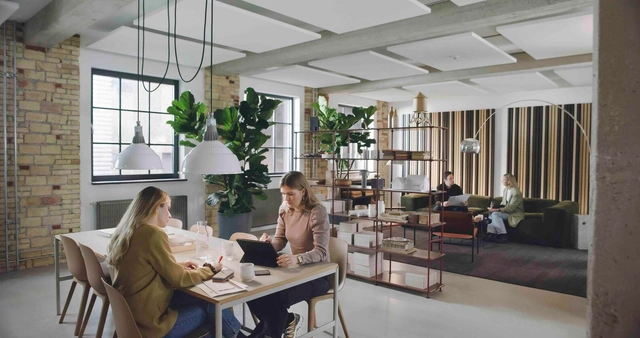
Rockfon are to host a debate about what it means to be human-centric when it comes to office design, and is expected to address everything from acoustic comfort to engendering community and inclusion. Image Courtesy of Rockfon
What’s more important, work or wellbeing? Should we have to choose? A ‘good work ethic’ –as in placing work before all else– used to be a badge of honour, certainly among generation X-ers who grew up with post-war parents and a recession to wrestle with just as they were getting going on working life in the 1990s. Today’s economic situation might present similar wrangles in securing a wage among their off-spring, so-called generation Z, but it is nevertheless this emerging set of workers that are teaching the rest of us that work at any cost –particularly that of our mental and physical wellbeing– should not be a life ambition.
https://www.archdaily.com/997709/the-art-of-human-centric-design-for-healthy-office-spacesEmma Moore
Contrary to what we might believe, hearing loss is not always congenital, but could sooner or later happen to any of us. According to the WHO, almost a third of people over 65 suffer from debilitating hearing loss. Yet from a certain perspective, hearing loss could be considered more of a 'difference' than a 'disability'. Although the spatial demands of people with hearing disabilities are not as noticeable as spaces for the blind or for those who experience reduced mobility, the reduction of hearing capacity does entail a particular way of experiencing the environment. Is it possible to enhance this experience through interior design?
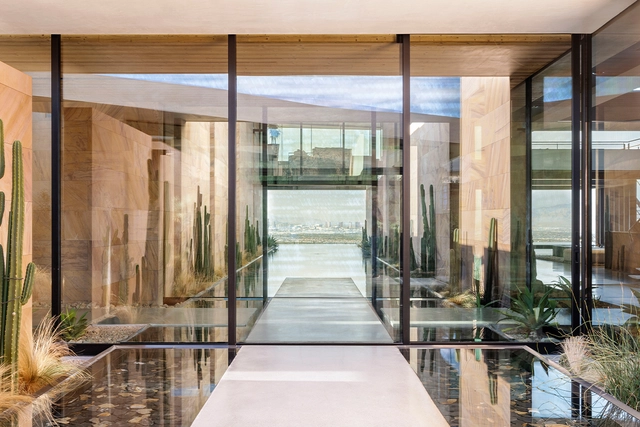
VM01 House / Blue Heron. Image Courtesy of Western Window Systems
A home’s entry is often its first impression, and modern architects are using large scale glass to create impressions that are dramatic, surprising, and uniquely welcoming. See how six architects designed unique entries for homes, regardless of size and location.
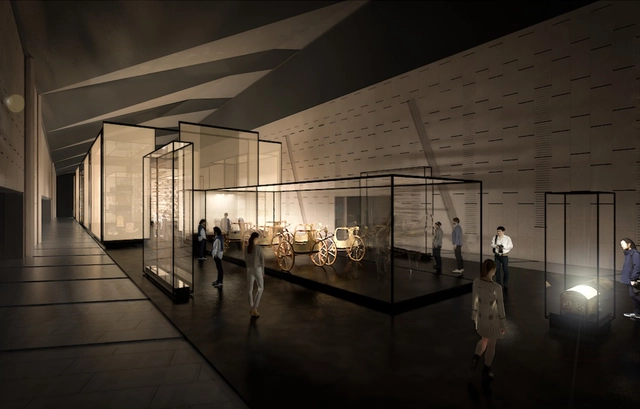
Two decades in the making, the Grand Egyptian Museum (GEM) in Cairo is one of the most anticipated cultural buildings, set to be an architectural marvel and a leading scientific, historical and archeological study center. The vast, billion-dollar mega-project occupies a site of around 500,000 square meters adjacent to the Pyramids UNESCO World Heritage Site in the Giza Plateau. Within its halls, what will soon be the world’s largest archeological museum will showcase 3,500 years of ancient Egyptian history, revealed through a collection of more than 100,000 artifacts –many of which will be displayed for the first time.
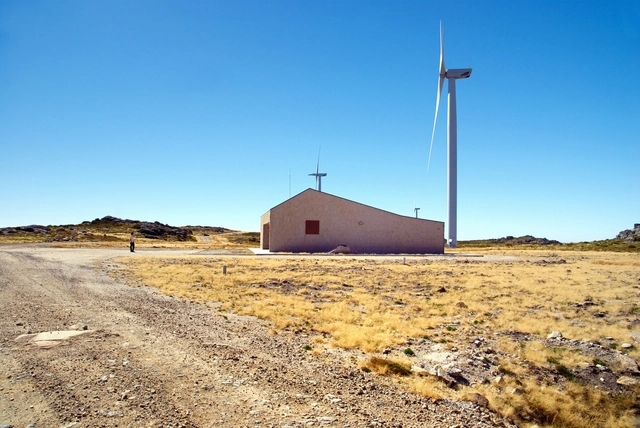
Wind energy is a type of renewable energy obtained from the wind, or in other words from the movement of air masses transferring from areas of high atmospheric pressure to nearby areas of lower atmospheric pressure, with speeds proportional to the pressure gradient. To take advantage of wind energy, machines called wind turbines or mills are used, activated by the movement of the wind as the propeller rotates. The propeller is in turn connected to a generator rotor that raises the speed of rotation to thousands of revolutions per minute, converting kinetic energy into electrical energy.
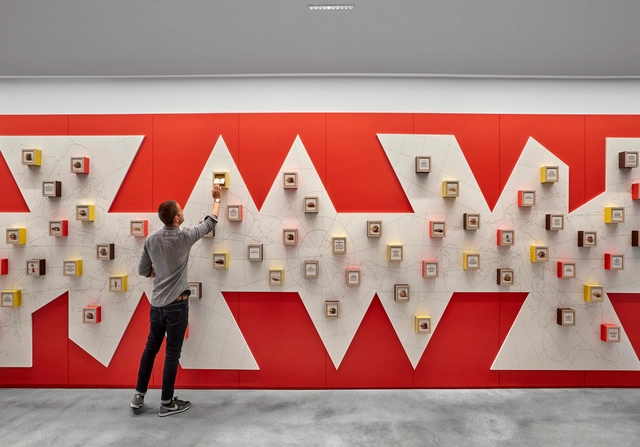
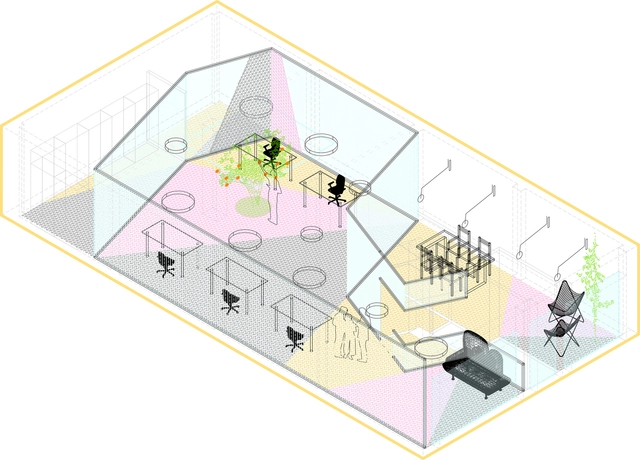
LANO FRUITS Office / Laura Ortín. Image Courtesy of Laura Ortín
From assigned cubicles to open plan coworks, workspaces have been transforming their design strategies following society’s changing lifestyles. While traditional layouts encouraged more independent work (avoiding social distractions), adjusting to new technologies and ways of thinking has enhanced productivity while respecting communication, wellness consciousness and the benefits of feeling comfortable at work.
Videos
Courtesy of Philipp Aduatz. Photos by Paris Tsitsos
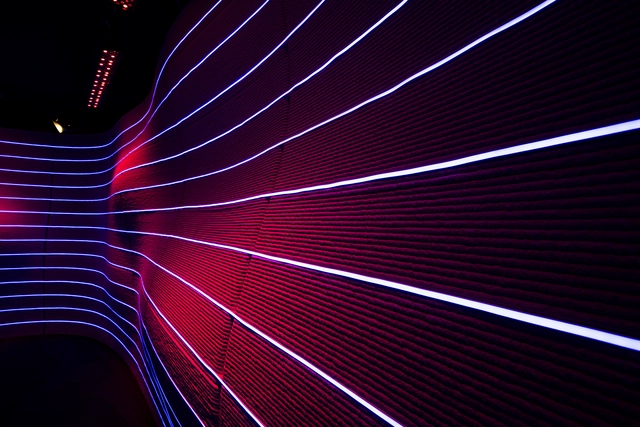
By emulating manual manufacturing techniques, 3D printing utilizes digital models to create customized three-dimensional objects through an additive production process. This tool enables architecture to explore innovative forms, structures, and materialities, providing new paths for creative thinking. Progressively expanding its limits, 3D printing is integrating other existing technologies to unlock new uses and typologies. Such is the case with the work of Philipp Aduatz, which combines 3D printed textured structures with LED lighting, adding a new layer of complexity to enable the creation of the world's first 3D printed film studio.
Villa Peer / UAU Collectiv Architects. Image Courtesy of Randers Tegl
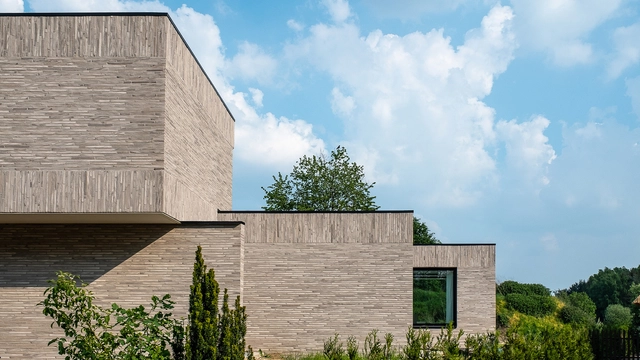
Identified as small rectangular blocks made of fired or sun-dried clay, bricks have traditionally been used for building pavements, walls and other elements of masonry construction. Laid in courses or rows and joined together with mortar, bricks are known for their strong structural strength and durability. But beyond their basic functional purposes, their multiple patterns, sizes and shapes allow for a distinctive aesthetic with an infinite design versatility, becoming a design feature themselves. Showcasing an example of aesthetic brickwork, we will take a closer look of Villa Peer, an architecture project in Belgium that uses Randers Tegl’s long format waterstruck bricks as the main design feature for the whole building’s facade.
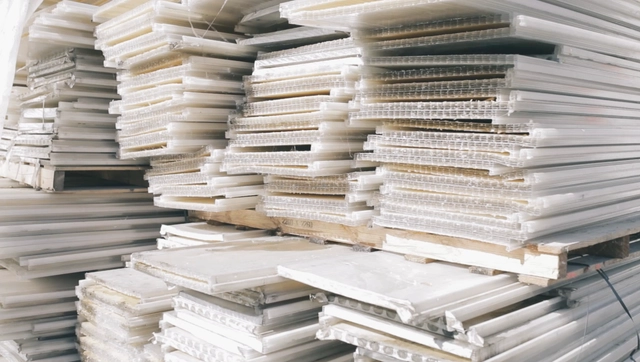
Sustainability needs to go further beyond inspiring speeches and promises, with visible, concrete actions. In order to see this change, it is essential for individuals, companies and governments to take responsibility and act in a sustainable manner in their daily lives and practices. By taking into account the environmental and social impacts of their decisions and seeking more conscious and responsible alternatives, they can take steps to ensure a sustainable future for the next generations. In the construction industry this is even more urgent. Responsible for a large amount of solid waste and greenhouse gas emissions, it is essential for this industry to adopt sustainable practices, such as recycling, to minimize environmental impacts.
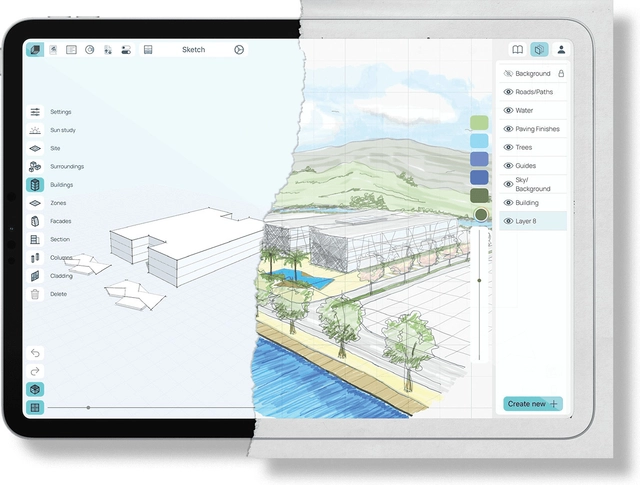
In the 1956 competition to design the city of Brasilia, Lucio Costa's proposal differed significantly from his competitors'. In contrast with the detailed plans and well-designed perspectives of the other competitors, the winning proposal presented the minimum required by the tender: a drawing of the pilot plan and a report. In the report, a few simple drawings supported the text, demonstrating the architect's ability to synthesize ideas in a few lines.
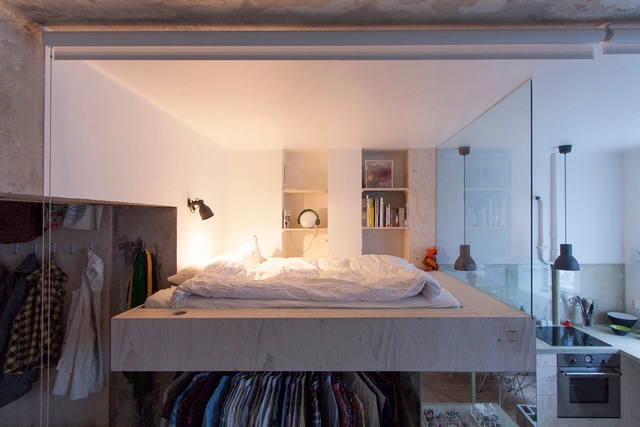
Starting from the first sketches of a project, it is essential that the project's design restrictions are well defined. This will guide the project, making it more suitable for its location, owners, and local conditions. Among common restrictions, keeping the project cost low is perhaps the most ubiquitous. We spoke with the VAGA team, an office based in São Paulo, about the challenges and possibilities that working with a tight budget imposes: