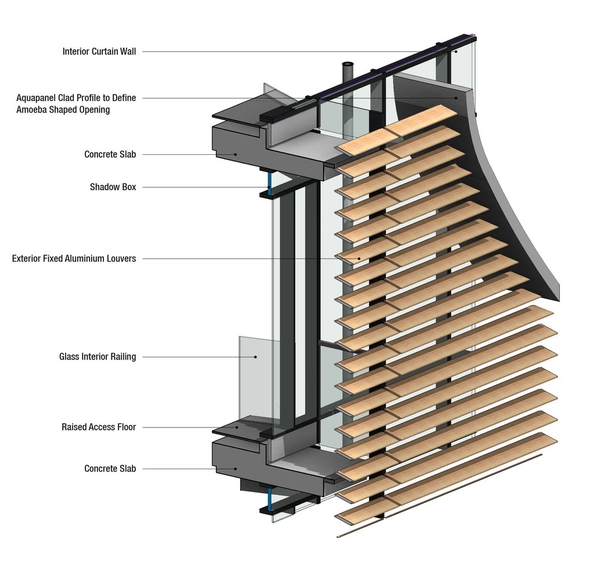
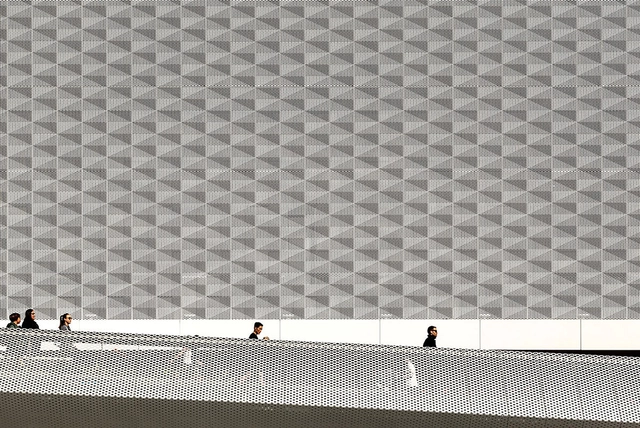
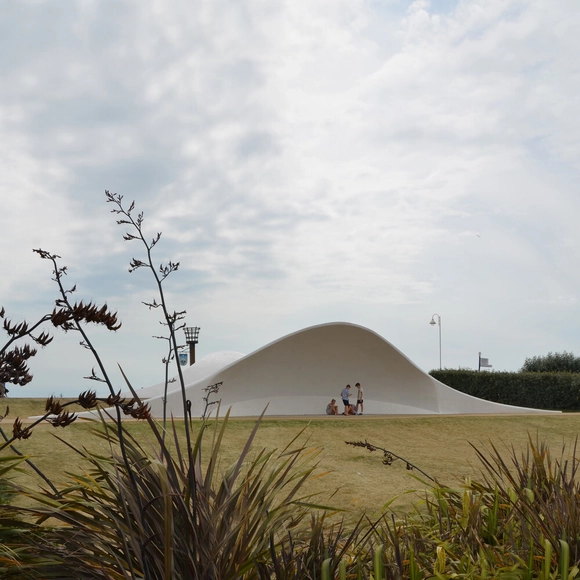
SAP Headquarters / Yashar Architects. Image Courtesy of Yashar Architects
In architecture, choosing the right construction materials is crucial to improve efficiency, ensure structural integrity and maximize performance, ultimately setting the standard for the finished product. But because any building – from its outer skin to its framing system – consists of many layers and parts, understanding how these fit and work can be just as important during design and manufacture. Technical specification of materials and constructive systems plays a key role in conveying this information, providing all of the necessary knowledge, properties and characteristics for any successful project. After all, the more you know about what lies between walls and behind finishes, the better your architecture will be.
Videos
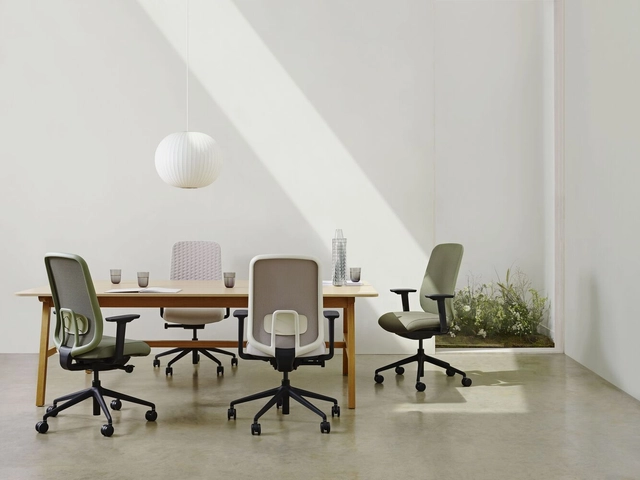
Sia Task Chair. Image Courtesy of Boss Design
Choosing the appropriate working elements –such as furniture, lighting, flooring, and other equipment– is key for creating an optimal workplace environment. With a positive impact on productivity, as well as the comfort and well-being of team members, designing workplace elements that integrate sustainable, wellness and aesthetic qualities implies a deep understanding of the interactions between these three areas. Minimizing the environmental impact and prioritizing well-being throughout the design process, while also considering the resulting aesthetics, Boss Design’s Sia Task Chair defines a new standard for workplace design.
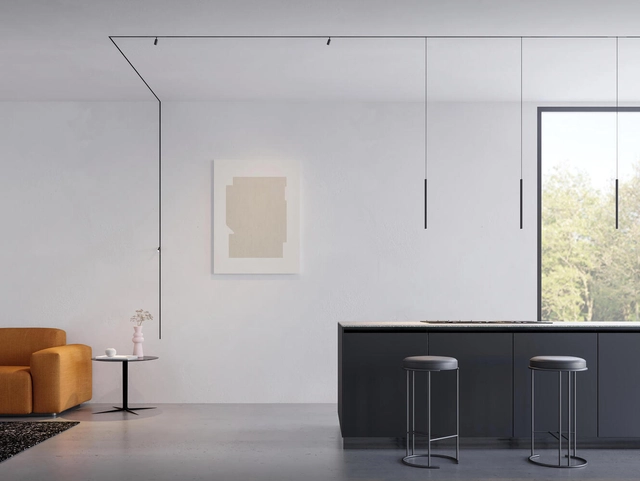
A minimal lighting framework for an open plan living space, Outline Ambient hosts a strategic combination of pendants and projectors. Image Courtesy of Reggiani
We are living in an era of active interiors where shifting perimeters, flexible set ups and agile activities are truly testing the limits of design; workspaces are hybrid, retail installations are ever-evolving and cultural spaces are multi-dimensional. Amidst changing scenarios, lighting is key to shaping interior spaces with just the right amount of mood, drama or practical spotlighting. To meet the demands of these cutting-edge interiors, lighting today must provide a solid framework that can embrace both changing dynamics and high quality consistency – offering flexibility, precision control and a timeless aesthetic.
Architects have always considered the positive influence of natural light on the health and mood of a building's occupants, but measuring its actual benefits was a challenge for a long time. However, the past few decades have seen significant progress in this area, with research such as the comprehensive study conducted by the Heschong Mahone Group, which analyzed more than 21,000 student tests in three school districts in California, Washington, and Colorado. The results showed that students in classrooms with more natural light had a 20% faster learning progress in math tests and 26% on reading tests, compared to students in classrooms with less natural light. Many other studies reinforce that including natural light in spaces has immense long-term benefits for societies, especially during a child's valuable formative years, who spend about 90% of their time indoors and about 200 days a year in classrooms.
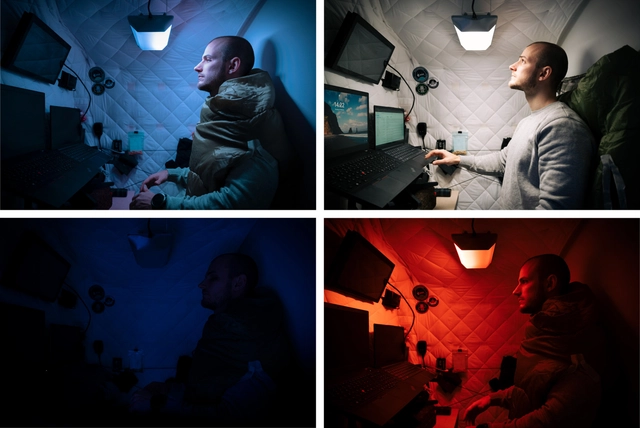
Since Yuri Gagarin's iconic pioneering flight in 1961, only 565 human beings have had the privilege of traveling into space. This extreme venture requires a high degree of devotion, extraordinary physical and intellectual preparation, and huge investments. Space exploration has the potential to benefit humanity in many ways, especially regarding the development of new technologies and the generation of scientific knowledge. Many of these technologies are already available to the public, such as GPS, water filters, or highly resistant fabrics. But while we often imagine astronauts floating in space and observing the Earth from a unique vantage point, many of them face the difficulty of sleeping and resting in space due to the lack of natural light. It is this issue that motivated a group of young Danish architects to develop a solution to improve the daily lives of astronauts in space, but also of many people on planet Earth who suffer from the same problem.
Fueled by pressing issues such as the climate crisis, population density and rapid urbanization, the built environment has become increasingly complex. Architecture and design professionals are faced with a challenging, yet fundamental task: to translate society’s ever-evolving needs into tangible and future-oriented solutions. In pursuit of this goal, they must embrace the countless tools, materials and technologies emerging every day in the construction field –from AI to virtual reality software and smart home systems. After all, to remain at the forefront in an industry where change is the norm, the ability to adapt and evolve is crucial for success.
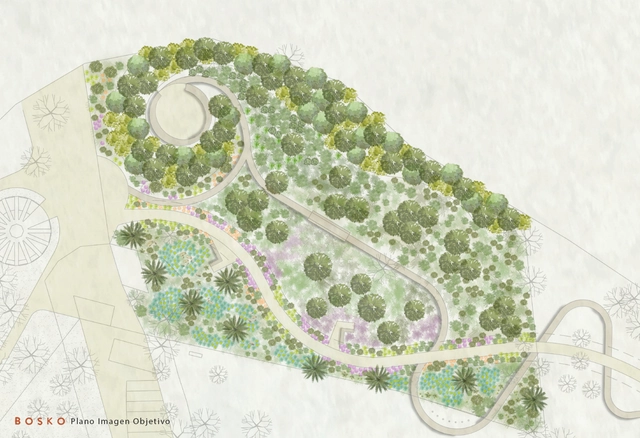
Jardín Nativo Adriana Hoffmann, Museo Interactivo Mirador (MIM) en Santiago de Chile. Image Cortesía de Bosko
During the 19th century, efforts to improve the quality of urban life focused on creating gardens and parks, marking the beginning of the evolution of landscaping as a modern discipline. However, despite remarkable examples worldwide, excessive structure and artificiality in urban parks have gone against the motivations that gave rise to them. In many cases, their design has resulted in decontextualized and inefficient public spaces that are highly demanding on resources and far from being truly sustainable.
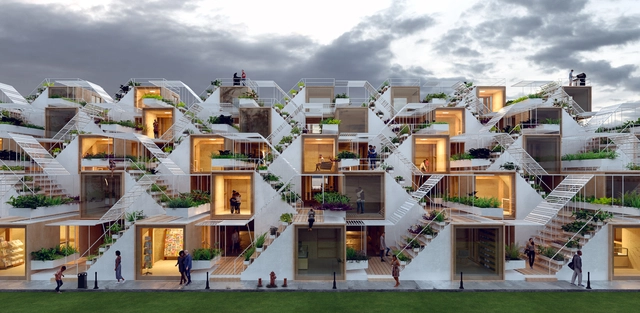
Image by Martin Pretorius and Raphael Trischler. Buildner San Francisco Affordable Housing Challenge. Image Courtesy of Buildner
To live in a world surrounded by the constant rise of new challenges calls for adaptability, resilience and continuous learning. As a response, design competitions encourage architects to think outside the box to create innovative solutions. Both for theoretical and practical projects, these competitions provide a collaborative platform to promote innovation and creativity to solve contemporary challenges. Such is the case of Buildner, which develops a space for showcasing open architecture competitions to discover new architectural possibilities.
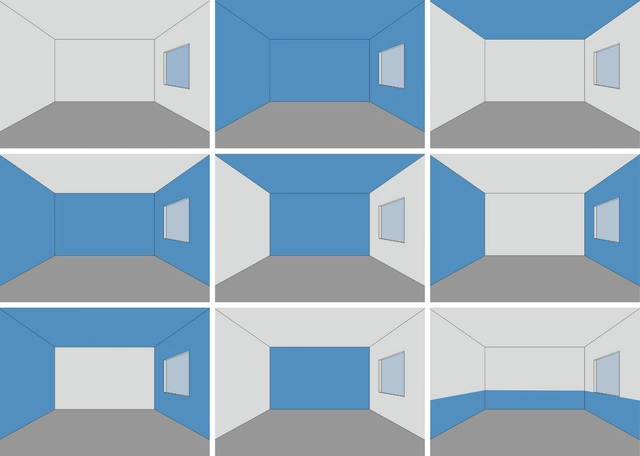
Humanity spends more and more time inside, whether at work or at home - with studies showing that we now spend 87% of our lives indoors. Pleasant environments positively influence the mood and well-being of its occupants, just as poorly lit, uncomfortable places can make lives miserable. That is why the craft of interior design is so important, even if it is often considered minor by some professionals. When designing an interior, the architect has the power to alter important variables, be it artificial lighting, natural light, proportions, or materials - with all such elements influencing the experience that occupants will have in a space.
Within various - if not all - architectural programs, there is a function that is an essential and common requirement: the bathroom. A residence, office, commercial space, theater, museum, religious space, park, or school can only be designed with it. In some countries, public toilets are part of urban infrastructure like public transport or waste collection. A fundamental human right, although denied to a considerable portion of the global population, the toilet follows a historical evolution. Modernity brought with it the separation between public and private, and the room became increasingly reserved in Western society.
Laminates combine look, feel and function in a practical way. Image Courtesy of Egger
Playing with the balance between form and function, laminates enable architecture to perform a variety of tasks at the same time, being robust, flame-retardant, stain-resistant and antibacterial. With a wide range of applications in architecture, Egger has developed a range of products that can be applied to many of the spaces we inhabit daily, such as kitchens, bathrooms, offices, hotels and shops. Diving into the specifics of laminates and how they can be applied in architecture, we showcase how these materials are an ideal coating material with extra-wide format alternatives.
Prefabricated wooden houses date back to the 19th century, when so-called "kit houses" became popular in North America. Sold by companies like Sears, they offered affordable and convenient housing options, especially for people living in rural areas where labor was scarce and expensive. Customers could choose from a few designs and dimensions, and the kits usually included all the materials needed to build the house, including numbered and precut lumber, nails, shingles, and other necessary components. For some time, however, prefabricated houses were seen as constructions of lesser quality and prestige, and coupled with the lack of flexibility of these solutions, they went into decline.
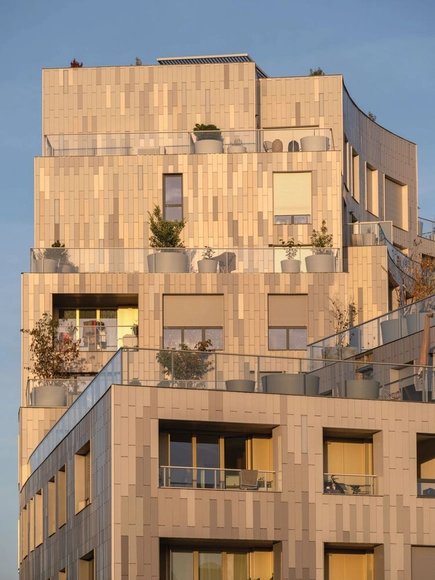
Ascension Paysagère, designed by Dutch office MVRDV, is a mixed-use development that combines residential, commercial, and community spaces in the French city of Rennes. It stands out from its surroundings through a series of stepped terraces inspired by geological formations such as gorges and mountain ranges, with terraces designed to provide a variety of living and communal spaces, as well as tree-lined gardens and public squares. To amplify the effects desired by the designers, the chosen ceramic tile resembles the rock colors of the region, and changes its appearance with every change in climate, reflecting the environment and the light.
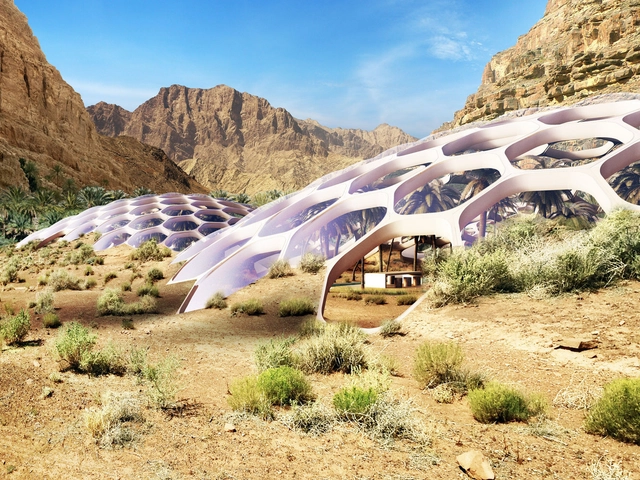
"Biodomes" in the mountains of the United Arab Emirates seek to promote ecotourism. Courtesy of Baharash Architecture
Buckminster Fuller's obsession with geodesic shapes placed them in architectural history. The spherical appearance and the complex structural framework gained different appropriations and scales over the years, one of the most iconic works being the Montreal Biosphere, the US pavilion for the 1967 World Expo, designed by him. These structures emerged from his interests in material efficiency, structural integrity and modularity. Back in the 60s, he understood these features as essential for a sustainable and easily replicable intervention
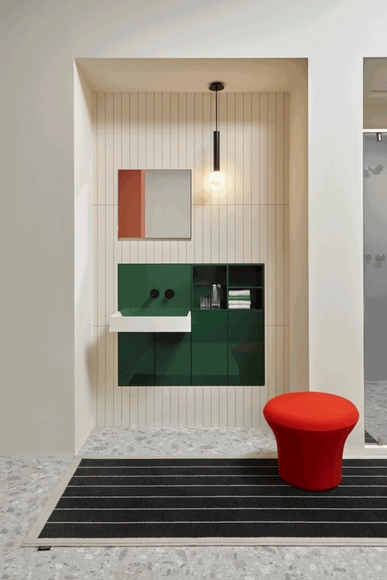
Bathroom accessories serve various functions, especially when it comes to hygiene, organization and practicality. Previously thought of as purely functional components, designed only to perform their intended use, today they are seen as compositional tools that contribute to the overall aesthetics of a bathroom. Careful consideration in the choice of pieces makes it possible to create a functional and pleasant space. As bathroom accessories have become more advanced and complex, designers have begun to explore the potential of incorporating aesthetic elements into their design, resulting in creating smarter, safer, and more beautiful accessories.
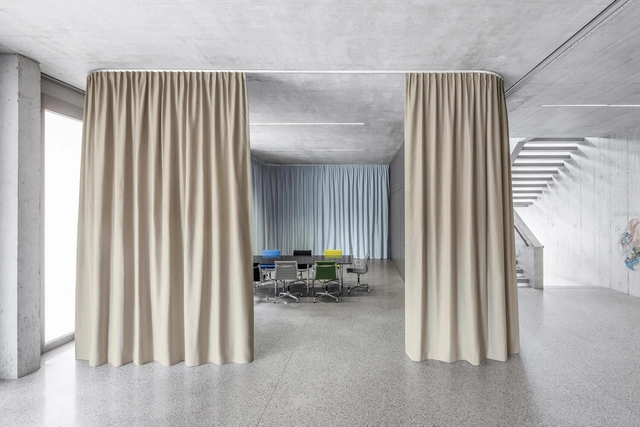
Acoustic Divider Vario / Création Baumann. Image Courtesy of Création Baumann
Beyond their features in the world of fashion, fabrics can also be an essential part of an interior design’s creative possibilities. While enhancing the aesthetic appeal of a space, these versatile materials –made from fibers or yarn that have been interlaced, knitted, or bonded together– also provide functionality to space. As part of a holistic architectural strategy, these natural and synthetic elements are essential for designing upholstery for furniture, curtains and drapes, space divisions and wall coverings. Changing the traditional notion of fabrics –known as stain collectors, bug homes and easily catching fire– the latest design innovations are exploring properties which take the use of fabrics one step further. Diving into Architonic’s fabric catalog, we take a look at different products with distinctive acoustic, fireproof and repellent properties.
Besides providing external protection, natural ventilation, insulation and energy efficiency, the presence of façades enhances the building’s personality and character. Among the different types of façade systems, cladding strategies stand out for their variety of materials and textures –such as metal, glass, stone, wood and composite– all of which build durable, low-maintenance and visually appealing structures. Innovating with textures, forms and technologies, BŌK Modern has developed different metal panels for creating functional and aesthetic façade cladding systems. Showcasing six architectural projects, we delve into the practical and visual attributes of rainscreens and wallscreens.
Acoustic Shells / Flanagan Lawrence. Image Courtesy of Flanagan Lawrence
Have you ever considered the sounds of cars and buses whizzing down the road as you walk downtown? Or the feeling you get when heading toward the theater? Each scenario has a certain something that appeals to big-city living. Streams of music wafting from the window, people having conversations, horns honking, and people running to their next destination are pieces of a city no one can deny — they make up the foundation of urban living.