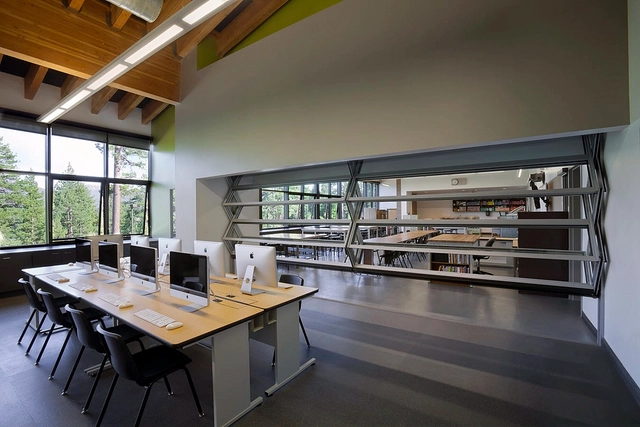
Flexibility has become a distinctive feature of contemporary interiors, driven by factors like the evolution of architectural programs and the progressive reduction of interior spaces, among others. This transition has shifted interiors from static to dynamic, aiming to achieve a state-of-the-art balance in space configuration. This sentiment is well encapsulated by Ricardo Bofill's statement that "architecture is the art of structuring space."
https://www.archdaily.com/1014623/movable-walls-the-transformative-effect-of-retractable-and-folding-partitionsEnrique Tovar
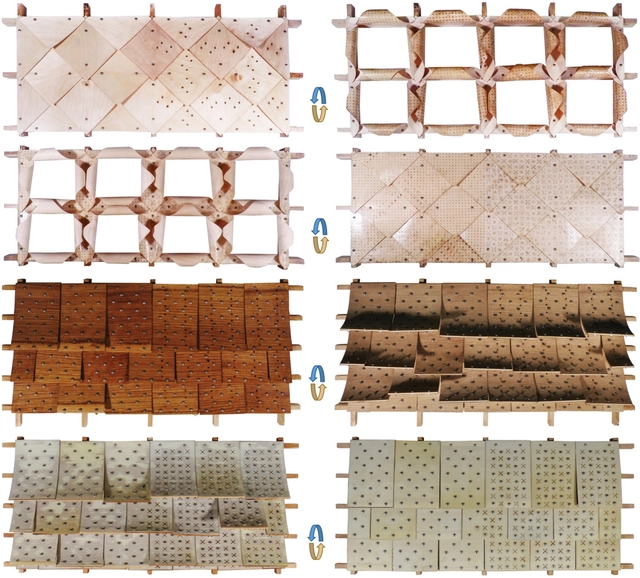
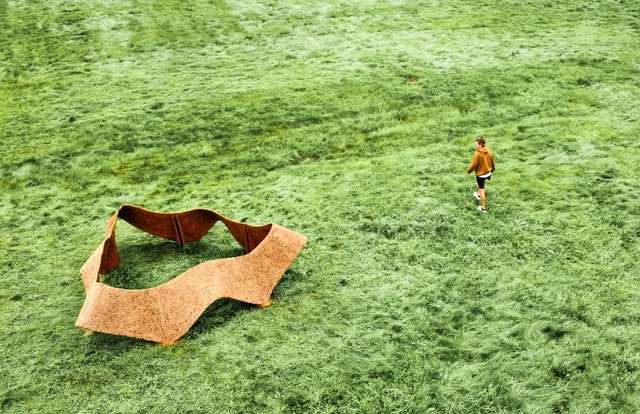
When discussing sustainability in construction, we are used to an approach based on complex technological solutions, expensive sensors, costly materials and, most recently, artificial intelligence. But what if everything we are looking for (in terms of sustainability) could come from the materials themselves, taking advantage of their intrinsic properties, without even relying on electricity? The use of hygromorphic materials offers an innovative perspective and sheds light on little-explored possibilities in the field. These materials can adapt to variations in environmental humidity, changing their shape, size or other physical properties. Examples in nature include wood, hygroscopic proteins such as collagen, polysaccharides such as cellulose and chitin, hygroscopic minerals such as certain salts and silica gel, as well as spores and pollen grains; all of which exhibit the ability to absorb or release moisture in response to changes in humidity. In architecture, researchers have been striving to develop materials, particularly for façades, that can take on a life of their own and make buildings more comfortable naturally.
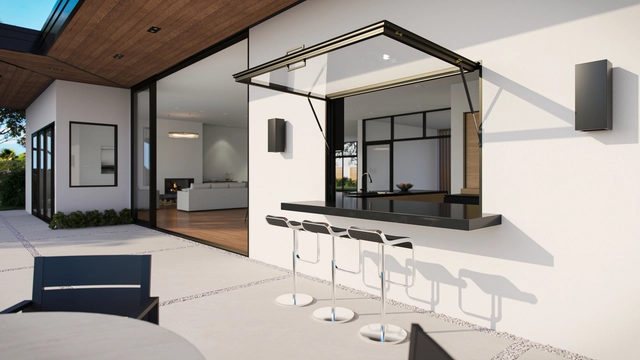
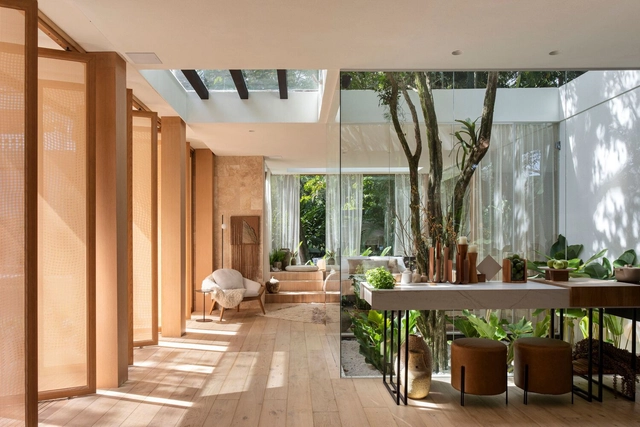
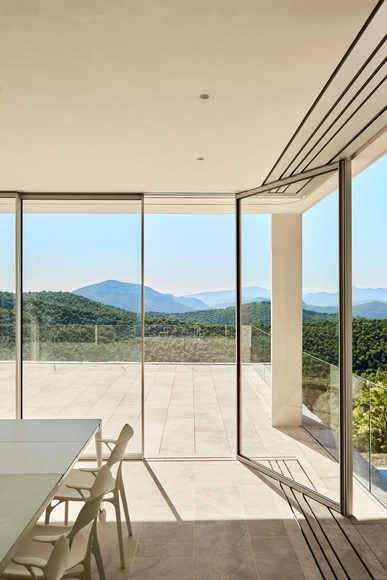
The desire for fluid integration between spaces has become increasingly relevant in contemporary architecture. This reflects a search for more connected and harmonious living experiences, especially in urban environments, where the cityscape can saturate us. By transcending conventional boundaries and blurring the lines between interior spaces and the vast outdoors, living environments can be created to celebrate connectivity, sustainability and the well-being that comes from being alongside nature. These types of integration not only make it possible to unite spaces with their surrounding contexts, but also to segment indoor environments when necessary, maintaining a visual connection while keeping them functionally separate. By creating these integrations, architects and designers allow spaces to merge with each other or with nature, promoting a sense of tranquillity, balance and rejuvenation, as well as integration and fluidity—a seamless transition that blurs the distinction between the two. This is achieved through architectural elements such as large windows and doors, which dissolve barriers through the simple action of opening and closing.
If there is any consistent factor in his work, says Pritzker-winning architect Tadao Ando, then it is the pursuit of light. Ando’s complex choreography of light fascinates most when the viewer experiences the sensitive transitions within his architecture. Sometimes walls wait calmly for the moment to reveal striking shadow patterns, and other times water reflections animate unobtrusively solid surfaces. His combination of traditional Japanese architecture with a vocabulary of modernism has contributed greatly to critical regionalism. While he is concerned with individual solutions that have a respect for local sites and contexts Ando’s famous buildings – such as the Church of the Light, Koshino House or the Water Temple – link the notion of regional identity with a modern imagining of space, material and light. Shoji walls with diffuse light are reinterpreted in the context of another culture, for instance, filtered through the lens of Rome’s ancient Pantheon, where daylight floods through an oculus. Ando’s masterly imagination culminates in planning spatial sequences of light and dark like he envisioned for the Fondation d’Art Contemporain François Pinault in Paris.
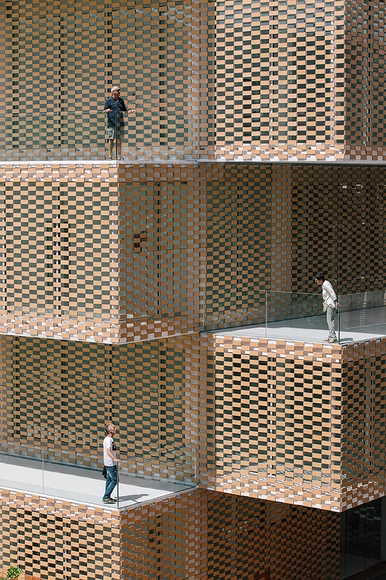
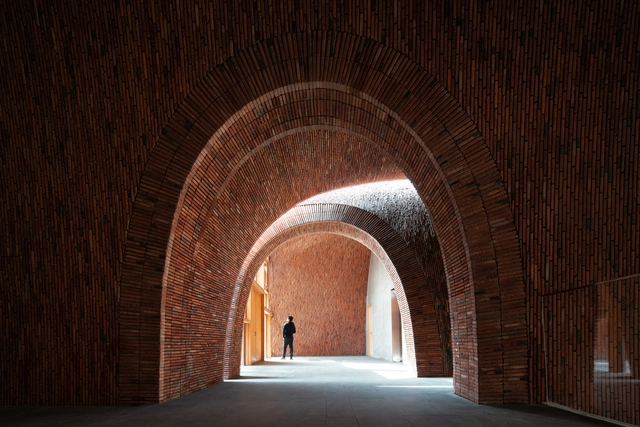
When considering traditional brick facades, we usually conjure up images of solidity and robustness. Solid ceramic blocks, recognized for their ability to withstand compression and offer strength and durability to structures, are materials frequently used in architecture. However, innovation in construction materials has made space for solutions that combine tradition and modernity, transforming the use of materials such as brick. In contemporary construction, the integration of solar control measures has become essential to improve the energy efficiency of buildings, especially in hot climates where the need to mitigate the effects of solar radiation is critical. This is one of the areas in which brick can play a significant role, aided by new technologies.
The early 20th century marked a pivotal era in Brazilian architecture with the advent of the modernist movement. Architects like Oscar Niemeyer or Lúcio Costa introduced avant-garde designs characterized by sleek lines, reinforced concrete, and a focus on functionality. What's more: residential projects of the era, in particular, blurred the lines between indoor and outdoor, flawlessly merging interior and exterior spaces to reflect a lifestyle that harmonizes with nature. Fast forward to the present day, and contemporary architects and designers in Brazil continue to embrace the challenge of creating indoor-outdoor homes that nod to the country's tropical climate. These residences often feature open floor plans, expansive glass walls, and strategic positioning of courtyards, gardens, or terraces with a design philosophy that emphasizes natural light, ventilation, and the incorporation of greenery for increased well-being. We take a detailed look at four recently completed residential projects in Brazil that fuse contemporary architecture, sustainable living, and a deep appreciation for their natural surroundings.
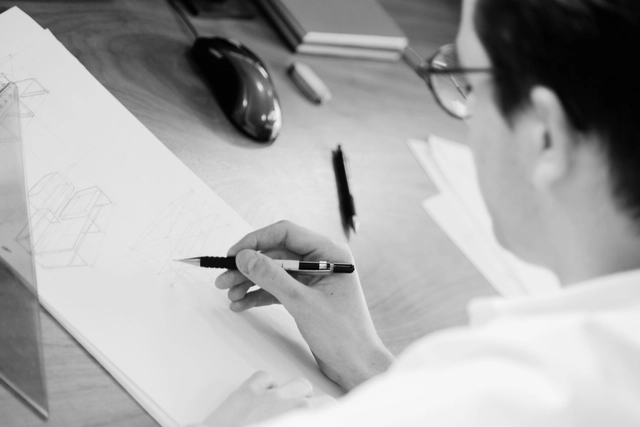
Just as fashion designers use pins, needles and textiles to bring their creations to life, architects rely on materials to shape our built environment. From steel and glass to wood and concrete, these form the artistic palette that transforms blueprints into tangible structures, bridging the gap between imagination and reality. It's as simple, yet as complex as that. But with so many materials –and countless shapes, finishes, textures and colors– available in this day and age, making the correct choices for a particular project can be quite challenging. Several questions naturally arise: How do architects navigate the endless possibilities to handpick the elements that will breathe life into their designs? What does the material specification process entail? Where does one begin?
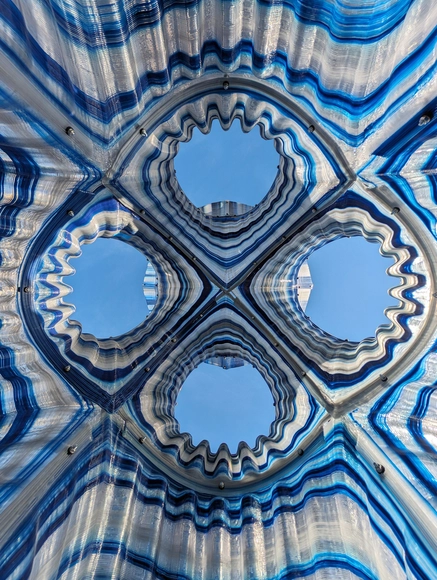
As an additive manufacturing method, 3D printing has been characterized by the construction of objects through the horizontal deposition of material, layer by layer. This still restricts, nonetheless, the manufacture of elements and limits the shape of early prototypes to within the range that allows the addition of material in a single direction, making it difficult to create complex shapes with smooth curves.
Each piece of furniture, be it a table, a chair, or a sofa, is much more than just a functional element. It is a bearer of stories, a keeper of memories, and a reflection of the craftsmanship of those who brought it to life. When it comes to wooden furniture, this connection with history and skill is even deeper; every grain, knot, and shade tells the story of the tree it came from, and the craftsmanship of the artisans is manifested in the curves and joints. In the contemporary context, where mass production and fast-paced trends tend to standardize the world around us, furniture making remains a beacon of authenticity, and wood continues to be highly prized. It's a haven where exclusivity and connection with the natural are celebrated, resisting the passage of time.
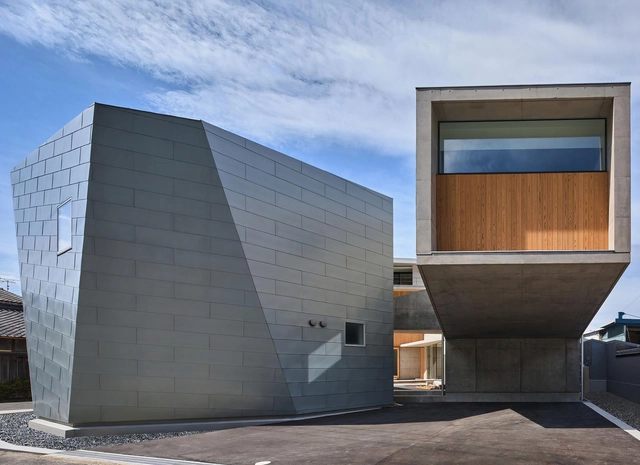
Credits: SpaceClip, Photographer: Mr. Daijiro Okada
In nature, zinc is mainly found as zinc sulphide ore or zinc carbonate, which is mined to obtain the metal. Once refined, it is used in a variety of applications, including metal alloys, battery manufacturing, medicines and supplements, as well as in the fabrication of pigments, chemical compounds and coatings. In the latter, which is used in architectural applications, zinc is well known for its weather resistance and self-healing properties and is highly durable, with a lifespan of up to 100 years, requiring minimal maintenance. In addition, because it is 100% recyclable and has a low environmental impact during its production, zinc is a sustainable choice for construction projects.
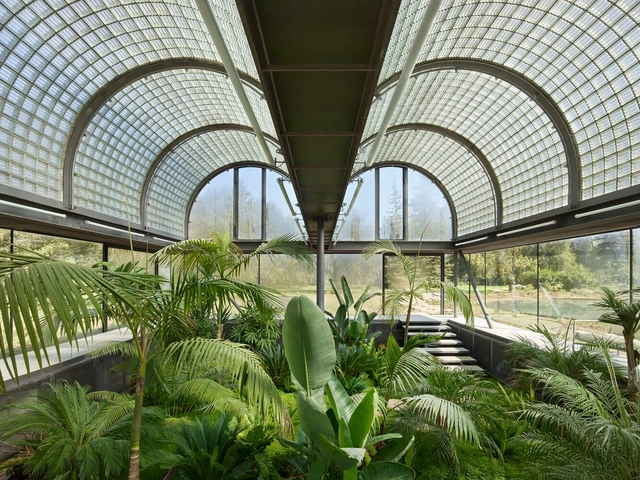
When delving into the envelope of construction and examining how the interior relates to the exterior, the concept of greenhouses emerges as an opportunity to cultivate life indoors, whether dependent on external factors or not. Defined as spaces enclosed by glass or other transparent plastic materials, greenhouses facilitate the growth of vegetables and ornamental plants even during periods of adverse external weather conditions. However, what does designing for plants involve?Climate, species, structural design, and the type of covering are just a few of the considerations to take into account.
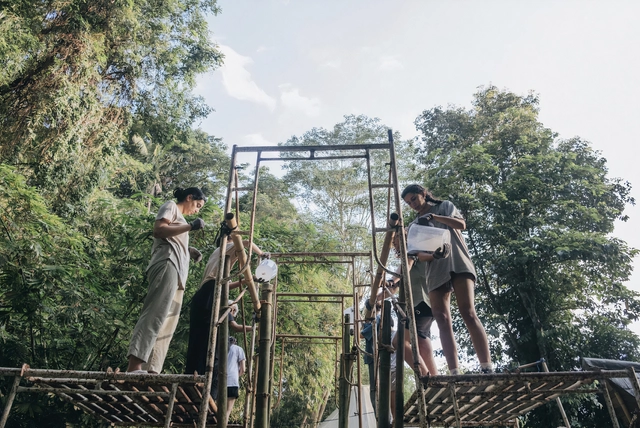
Bamboo, renowned for its strength and eco-friendliness, often faces a formidable adversary: insects and fungi. Despite its resilience, these pests can compromise its durability over time. However, there exists a simple yet effective solution to bolster bamboo's longevity and sturdiness. In this article, we unveil the Vertical Soak Diffusion (VSD) method—a budget-friendly approach that ensures your bamboo projects stand the test of time.
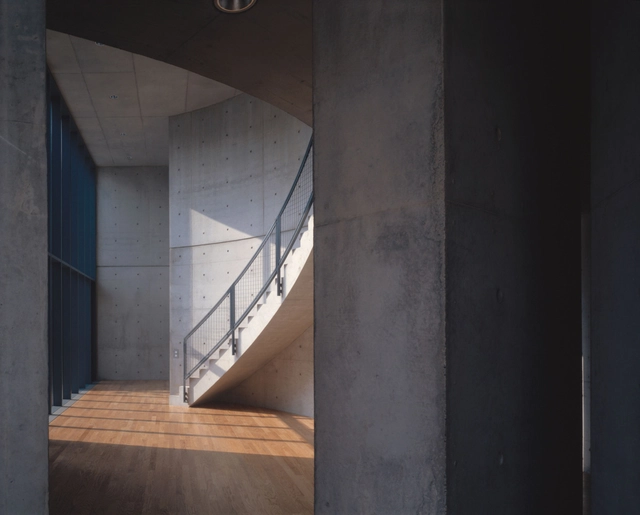
Jingdezhen Imperial Kiln Museum_View to the vaulted foyer of the auditorium. Image
On April 4 – 6, the international conference FABRICATE 2024will be held at the Royal Danish Academy in Copenhagen. Since its inception in 2011, FABRICATE has established itself as a global forum for new radical possibilities for architecture and welcomed thousands of participants from practice, industry, and research.
https://www.archdaily.com/1014439/rationalise-elements-and-assemblies-at-fabricate-2024Pernille Maria Bärnheim
For decades, our society has predominantly embraced an extractivist approach when formulating models for material manufacturing across diverse industries. While we now know that this model is unsustainable, a major question remains: So, how do we do it? We may be a while away from offering a definitive answer to this challenge. Still, it is exciting to note that, in a context marked by a challenging global and ecological horizon, the architectural community maintains a positive approach by pushing for a re-evaluation of what we make and how we make it.
https://www.archdaily.com/1014260/harvesting-architecture-a-glimpse-into-3-plant-based-materialsEnrique Tovar
When we talk about the building envelope, we often make the analogy of a skin that protects and wraps the structure, creating a transition in the physical environment. This concept is interesting as it identifies that, similar to its function in humans, the skin plays a role in protecting and regulating the interior setting, besides contributing to the aesthetics of the building. In this way, both the human skin and the building envelope act as elements that respond to the stimuli of the surroundings and the life that develops within them. More than just protective barriers, they are experienced as means of active interaction with the context.
https://www.archdaily.com/1013905/reframing-the-concept-of-building-envelope-through-minimalist-windowsEnrique Tovar
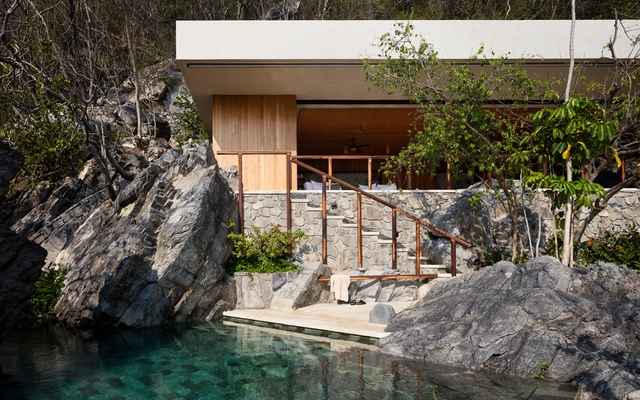
Due to their aesthetic, sustainable, durable, and resistant qualities, stone materials have accompanied the disciplines of architecture and engineering since their origins. As is known, in Mexico, stone has been a fundamental element in pre-Hispanic constructions where experimentation was done with vaults, ashlars, masonry, etc.
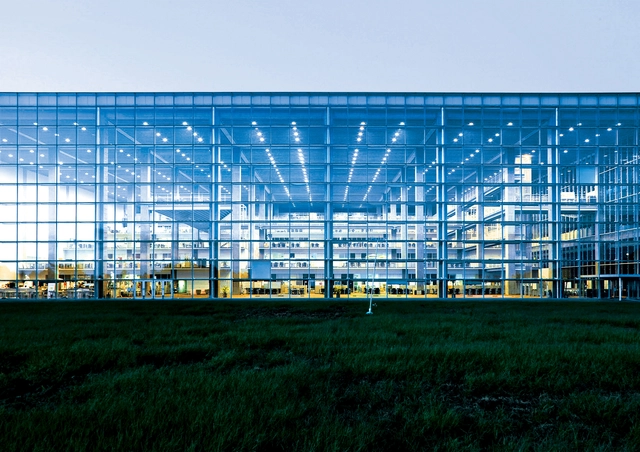
Future University of Hakodate (2005). Image Courtesy of Isao Aihara
Transparency, integration and boundaries are key words for understanding the work of Riken Yamamoto. Winner of the Pritzker Prize in 2024, the Japanese architect's work can be recognized for its ability to establish and challenge conventional spatial concepts of materiality, creating spaces that promote interactions and connections between people and their surroundings. Transparency, whether in the physical configuration of the buildings, the choice of materials used or the underlying philosophy applied to all his works, emerges as a central element throughout his career.
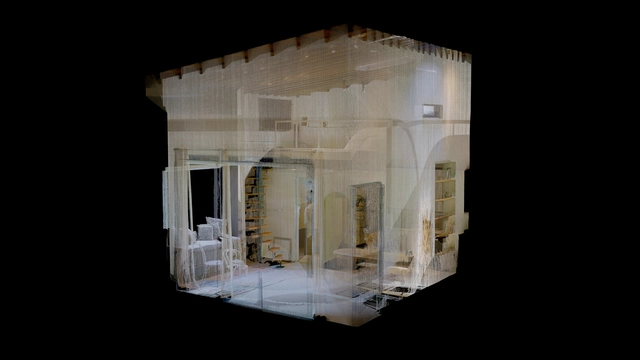
In the coming decades, it seems inevitable that architects will increasingly focus on renovations and rehabilitations –especially in established urban centers–, whether to modernize outdated structures or adapt to new uses and demands by contemporary society. A main challenge when executing these types of projects is obtaining a truly reliable working base, including accurate and true-to-life 3D models. Conducting surveys can be a herculean task, requiring extensive hours or days of on-site work and considerable effort to organize and interpret the collected information, often resulting in data that lacks adequate precision.