1. ArchDaily
  2. Hidden Architecture

Hidden Architecture: The Latest Architecture and News

Architecture of Water: Disappearing Fixtures in Contemporary Wellness

 | In Collaboration

What if the most advanced elements in a bathroom were the ones you could barely see? In spaces where walls, ceilings, and floors form uninterrupted surfaces, fixtures retreat, and water itself becomes the primary material shaping experience. The careful placement of fixtures in bathrooms, such as sinks, taps, showerheads, and shower drains, each asserting their presence as both an object and a function. But what happens when these elements begin to disappear?

Instead of adding mounted elements to a bathroom's design, some approaches work through subtraction. The bathroom is no longer composed of visible objects, but understood as a continuous surface. Fixtures recede into walls and ceilings, allowing water, light, and atmosphere to take precedence. What takes shape is a form of minimalism and something more: an architecture that absorbs its technical systems entirely, allowing fixtures to disappear, leaving only their effects. The experience itself becomes the protagonist, no longer mediated by visible objects, but shaped directly through water, light, and space.
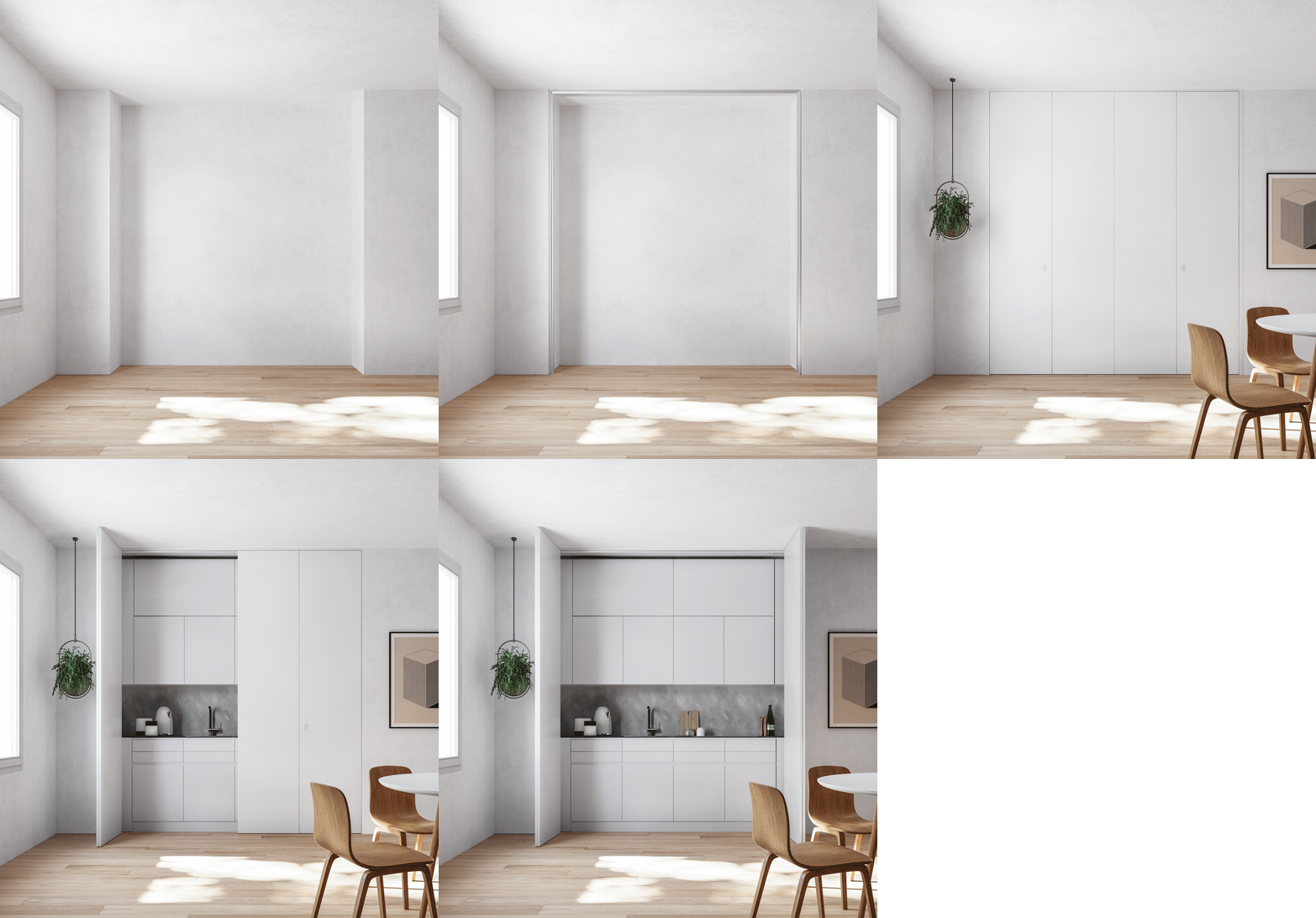
How Can Hidden Niches Transform Walls into Functional Architecture?

 | Sponsored Content

The niche has been a space of visible intention throughout the history of architecture. In ancient Roman architecture, it served as a formal device carved into masonry to display statues, vases, or other objects. These recesses animated the walls of temples, bath complexes, and civic buildings, adding rhythm, depth, and focal points to otherwise massive structures. The interior spaces of the Pantheon framed statues of gods, and the Baths of Caracalla used similar voids to structure expansive halls. By the Renaissance, the niche evolved into a refined architectural frame. In Florence, the external cavities of Orsanmichele held guild-commissioned statues, while the Uffizi Palace's recesses displayed sculptural works. Whether filled or intentionally left empty, these openings articulated internal and external walls and facades, introduced hierarchy, and provided visual interest, serving as deliberate gestures meant to be seen.

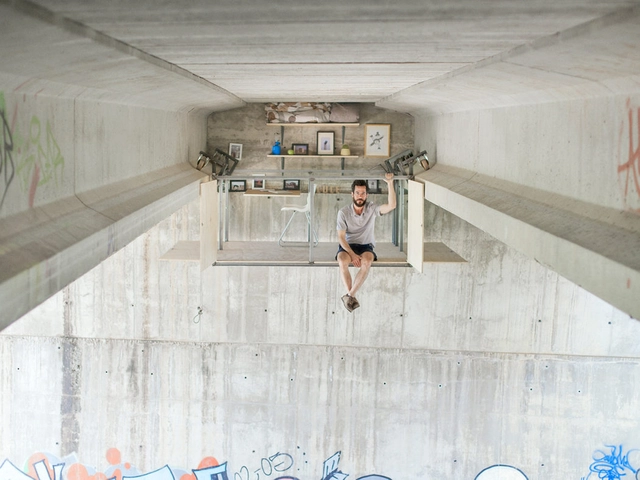
Hidden Studio Beneath a Busy Bridge Provides Creative Solitude for Its Designer

As urban environments become denser, more expensive and, on occasion, less desirable, creative minds are creating novel ways to escape the hustle, bustle, and tumult of the city. Fernando Abellanas, a designer based in Valencia, has gone to new extremes in his search for solitude. Positioned beneath a traffic bridge somewhere in the Spanish city, a hidden studio comprises a shelf, a chair, and a small desk – all anchored to the concrete undercarriage of the bridge by means of rails and rollers. Movable, the "room" becomes both impenetrable and isolated by the turn of a hand crank.

Hidden Studio Beneath a Busy Bridge Provides Creative Solitude for Its Designer - Image 1 of 4Hidden Studio Beneath a Busy Bridge Provides Creative Solitude for Its Designer - Image 2 of 4Hidden Studio Beneath a Busy Bridge Provides Creative Solitude for Its Designer - Image 3 of 4Hidden Studio Beneath a Busy Bridge Provides Creative Solitude for Its Designer - Image 4 of 4Hidden Studio Beneath a Busy Bridge Provides Creative Solitude for Its Designer - More Images+ 11