1. ArchDaily
  2. Expensive

Expensive: The Latest Architecture and News

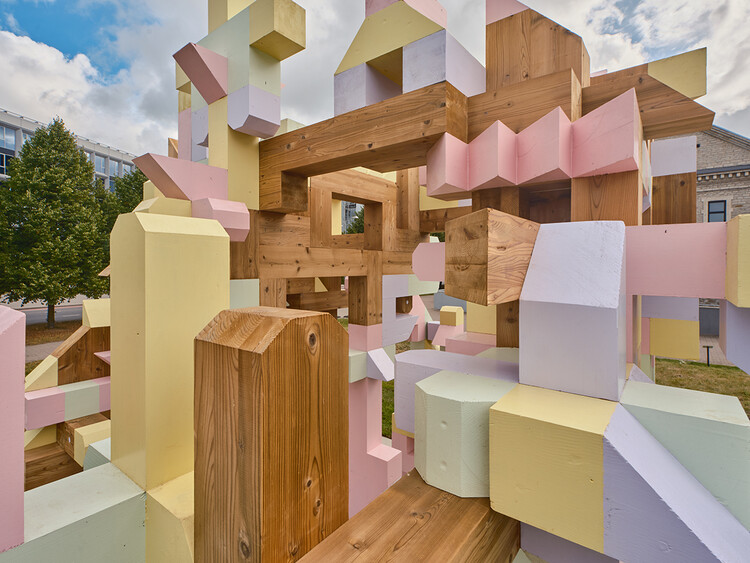
Stuudio TÄNA and Mark Aleksander Fischer to Curate the 2026 Tallinn Architecture Biennale on Affordability in Architecture

The Tallinn Architecture Biennale (TAB) has been organized by the Estonian Centre for Architecture (ECA) since 2011. Since its founding, it has become Estonia's leading international festival dedicated to architecture and the built environment. The ECA recently announced that the upcoming edition will be curated by Stuudio TÄNA and Mark Aleksander Fischer, winners of the Curatorial Competition for the 8th International Tallinn Architecture Biennale (TAB 2026). Their winning proposal, titled "How Much?", poses the question of what affordability truly means in architecture today. The event, which in previous editions has included exhibitions, lectures, seminars, tours, satellite events, and installations across Tallinn, seeks to open a space for reflection on how architecture and design can be genuinely cost-effective, addressing the broader implications of cost and consumption. TAB 2026 will take place in the Estonian capital from 9 September to 30 November 2026.


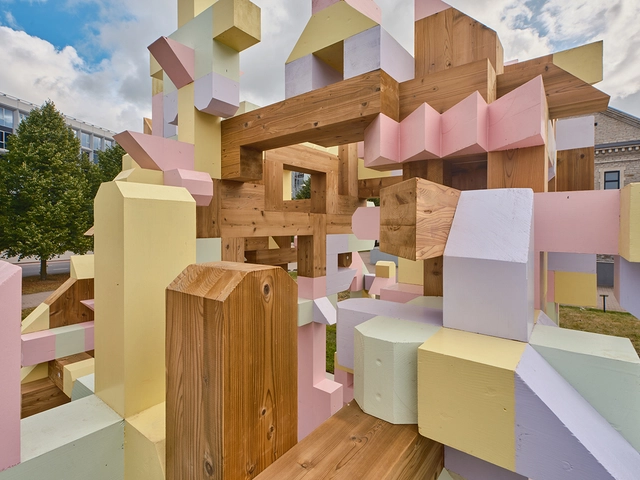
Stuudio TÄNA and Mark Aleksander Fischer to Curate the 2026 Tallinn Architecture Biennale on Affordability in Architecture - 1 的图像 4Stuudio TÄNA and Mark Aleksander Fischer to Curate the 2026 Tallinn Architecture Biennale on Affordability in Architecture - Featured ImageStuudio TÄNA and Mark Aleksander Fischer to Curate the 2026 Tallinn Architecture Biennale on Affordability in Architecture - 2 的图像 4Stuudio TÄNA and Mark Aleksander Fischer to Curate the 2026 Tallinn Architecture Biennale on Affordability in Architecture - 3 的图像 4Stuudio TÄNA and Mark Aleksander Fischer to Curate the 2026 Tallinn Architecture Biennale on Affordability in Architecture - More Images+ 1

The World's Most Expensive Buildings

Subscriber Access | 

If the Great Pyramid were to be built today, it would cost between 1.1 and 1.3 billion US dollars, according to a cost estimate by the Turner Construction Company—not surprising, considering how that is roughly the same amount of money that it took to build the Trump Taj Mahal or the Petronas Twin Towers. Complicated structural requirements, delayed work timelines, complex building programs, the need for good earthquake or typhoon proofing, the use of advanced mechanical and electronic systems, and costly materials and finishes can all add up to the eventual cost. But sometimes—and especially in cases in which governments or powerful clients set out to beat existing records such as the “tallest building in the world”—money is spent for no real reason except for an unabashed display of wealth, power or strength.

Emporis, the renowned global provider for building data, has compiled a list of the top 200 money-guzzlers from recent years, and not surprisingly, a lot of high-rises have made the list. Read on to see the top 20.