1. ArchDaily
  2. Construction Systems

Construction Systems: The Latest Architecture and News

How are New Construction Materials Prioritizing Human Safety and Wellbeing?

It is expected that by 2050, the rapid depletion of raw materials will leave the world without enough sand and steel to build concrete. On the other hand, the cost of building continues to soar, with an increase between 5% and 11% from last year. And with respect to its impact on the environment, the construction industry still accounts for 23% of air pollution, 50% of the climatic change, 40% of drinking water pollution, and 50% of landfill wastes. Evidently, the construction industry, the environment, and the human race are facing several challenges that are influenced by one another, but it is the human being who is at the greatest disadvantage.

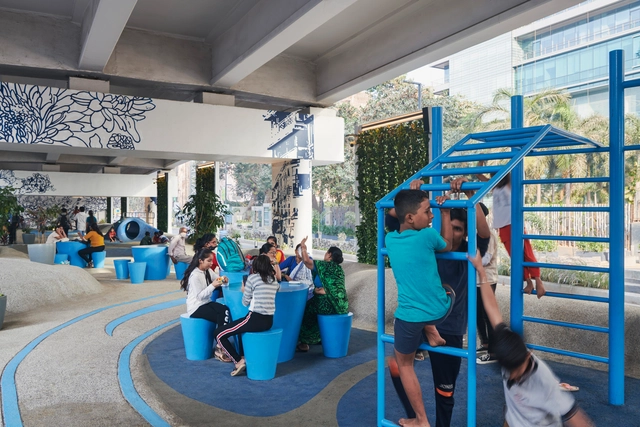
As a response to global challenges such as climate change, discrimination, and physical vulnerability, designers and engineers from across the world have developed innovative construction materials that put the human wellbeing first in urban, architecture, and interior projects.  

How are New Construction Materials Prioritizing Human Safety and Wellbeing? - Image 1 of 4How are New Construction Materials Prioritizing Human Safety and Wellbeing? - Image 2 of 4How are New Construction Materials Prioritizing Human Safety and Wellbeing? - Image 3 of 4How are New Construction Materials Prioritizing Human Safety and Wellbeing? - Image 4 of 4How are New Construction Materials Prioritizing Human Safety and Wellbeing? - More Images+ 4

MAD Architects Reveals Latest Details of the Floating Structure Aranya "Cloud Center" in China

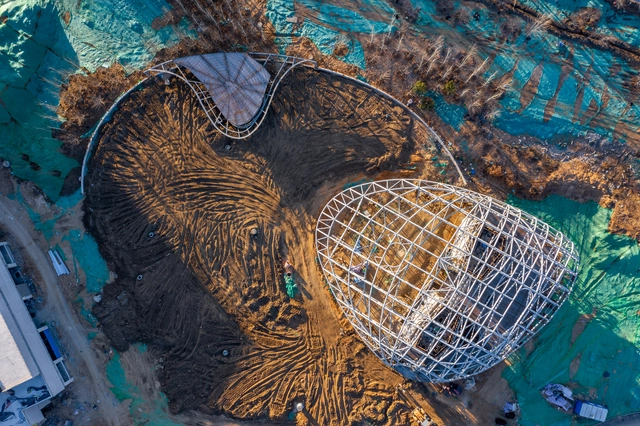
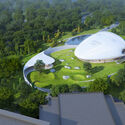
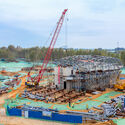
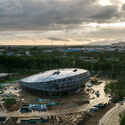
Nearly to be completed and opened in 2023, MAD Architects reveals the construction details that made it possible for the Aranya "Cloud Center" to appear floating above the rolling landscape surrounding it. Located in Qinhuangdao, 160 miles away from the east of Beijing, China, the 2,500-square meters Center will be a public art space for the vibrant artistic seaside community that, from the outside, will mark the center of a sculptural landscape that MAD had conceptualized as a "white stone garden."

MAD Architects Reveals Latest Details of the Floating Structure Aranya "Cloud Center" in China - Image 1 of 4MAD Architects Reveals Latest Details of the Floating Structure Aranya "Cloud Center" in China - Image 2 of 4MAD Architects Reveals Latest Details of the Floating Structure Aranya "Cloud Center" in China - Image 3 of 4MAD Architects Reveals Latest Details of the Floating Structure Aranya "Cloud Center" in China - Image 4 of 4MAD Architects Reveals Latest Details of the Floating Structure Aranya Cloud Center in China - More Images+ 9

Technology Isn't Trend, It's Timeless

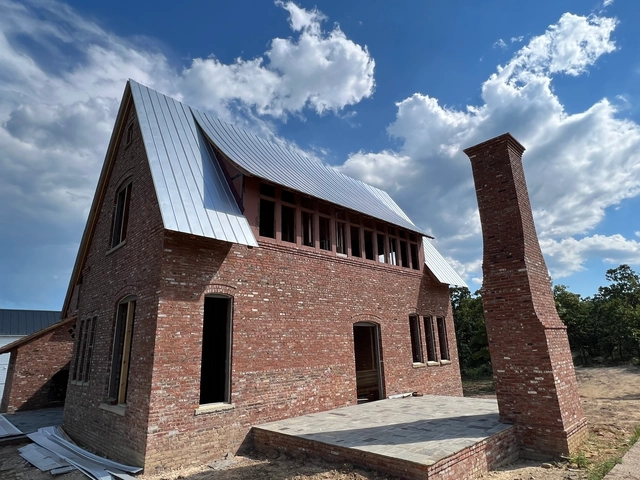
“Hope for Architecture” is the calling of Clay Chapman and described by him as “a building initiative to address the challenges of an uncertain future.” In truth, “Hope for Architecture” is a masonry and timber technology, reinvented and adapted from antiquity for this moment. Clay and his young family moved to Carleton Landing, Oklahoma fifteen years ago to fulfill a mission: creating a community and explore that technology.

Technology Isn't Trend, It's Timeless - Image 1 of 4Technology Isn't Trend, It's Timeless - Image 2 of 4Technology Isn't Trend, It's Timeless - Image 3 of 4Technology Isn't Trend, It's Timeless - Image 4 of 4Technology Isn't Trend, It's Timeless - More Images+ 1

Steel Frame and Timber Frame: The Benefits of Dry Construction Systems

Subscriber Access | 

You have to consider many factors when designing an architectural project in order to ensure quality and value. The construction technique is in most cases the first item to be evaluated, because it is the one factor that properly materializes the proposed design and determines the efficiency of the project in terms of time, costs, labor, finishes and final quality.

Innovative 'Wooden Bricks' System Cuts Building Time to Just a Few Days

Subscriber Access | 

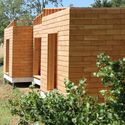
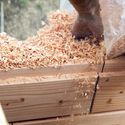
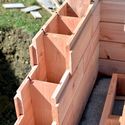
Brikawood is an intuitive and logical construction system of wooden bricks that allows the rapid construction of an entire house without the use of nails, screws or adhesives.

Each unit is totally recyclable and consists of four pieces of wood –two lateral elements and two transversal spacers– which are assembled to the general frames of the building by interlocking, achieving total rigidity when working together. The resulting structure presents thermal, mechanical, acoustic and anti-seismic properties and is designed to be used without cladding or membranes, adding only an anti-return valve specific to Brikawood, in order to increase the performance and tightness of the construction.

Innovative 'Wooden Bricks' System Cuts Building Time to Just a Few Days  - Image 1 of 4Innovative 'Wooden Bricks' System Cuts Building Time to Just a Few Days  - Image 2 of 4Innovative 'Wooden Bricks' System Cuts Building Time to Just a Few Days  - Image 3 of 4Innovative 'Wooden Bricks' System Cuts Building Time to Just a Few Days  - Image 4 of 4Innovative 'Wooden Bricks' System Cuts Building Time to Just a Few Days  - More Images

17 Templates for Common Construction Systems to Help you Materialize Your Projects

Earlier this year, Chilean architects and professors Luis Pablo Barros and Gustavo Sarabia from the Federico Santa María University released a book (in Spanish) titled "Sistemas Constructivos Básicos" (Basic Construction Systems)." The book aims to be a tool to help architects translate their plan diagrams into tangible architectural works, as well as to help students learn the knowledge necessary to build what they plan.