1. ArchDaily
  2. Biology

Biology: The Latest Architecture and News

Has Architecture Ever Been Entirely Human? Beatriz Colomina and Mark Wigley on the Microbial Nature of Architecture

Audio available

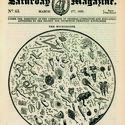
Architecture has long been understood as a discipline created by humans and for humans. But in We the Bacteria: Notes Toward Biotic Architecture, Beatriz Colomina and Mark Wigley challenge that assumption, arguing that "microbes invented architecture." From this premise unfolds an alternative history of architecture that shifts the focus away from human exceptionalism and toward the microorganisms that have shaped life, environments, and the built world for billions of years.

The book explores the idea that architecture cannot be understood separately from the microbial worlds that shape it, suggesting that "architecture inhabits humans just as much as humans inhabit architecture." Rather than inert objects, buildings emerge as dynamic ecosystems that Colomina and Wigley go as far as describing as "an expanded gut shared with others," where microbes, materials, people, and countless other forms of life continuously coexist, exchange, and evolve.

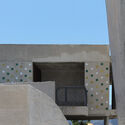
Has Architecture Ever Been Entirely Human? Beatriz Colomina and Mark Wigley on the Microbial Nature of Architecture - Image 1 of 4Has Architecture Ever Been Entirely Human? Beatriz Colomina and Mark Wigley on the Microbial Nature of Architecture - Featured ImageHas Architecture Ever Been Entirely Human? Beatriz Colomina and Mark Wigley on the Microbial Nature of Architecture - Image 2 of 4Has Architecture Ever Been Entirely Human? Beatriz Colomina and Mark Wigley on the Microbial Nature of Architecture - Image 3 of 4Has Architecture Ever Been Entirely Human? Beatriz Colomina and Mark Wigley on the Microbial Nature of Architecture - More Images+ 18

The Architecture of Mold: What Buildings Cannot Control

Audio available

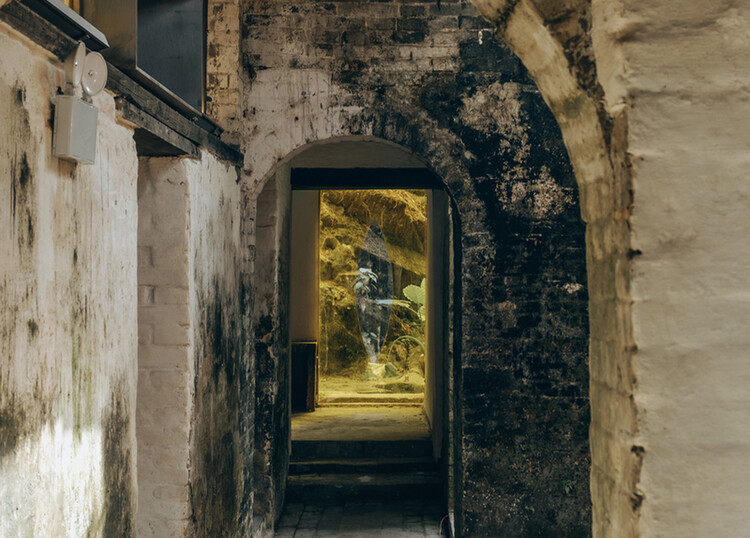
Contemporary architecture has learned to celebrate living matter. Mycelium panels, algae systems, living walls, life is now welcomed into buildings, framed as innovation. Yet the same discipline that celebrates these organisms treats mold as contamination. Both are biological. Both respond to moisture, temperature, and material conditions. The difference is not scientific. It is about which forms of life architecture is willing to accept, and which it prefers to remove.

Mold is not limited to abandoned buildings or poorly maintained interiors. It appears in homes, schools, offices, historic structures, and new construction, across different climates and contexts. This makes it harder to ignore as a minor or isolated problem. If mold keeps returning, what is it telling us about the environments buildings create?

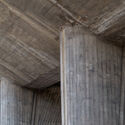
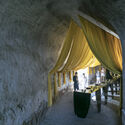
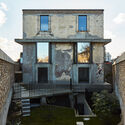
The Architecture of Mold: What Buildings Cannot Control - Imagen 1 de 4The Architecture of Mold: What Buildings Cannot Control - Imagen 2 de 4The Architecture of Mold: What Buildings Cannot Control - Imagen 3 de 4The Architecture of Mold: What Buildings Cannot Control - Imagen 4 de 4The Architecture of Mold: What Buildings Cannot Control - More Images+ 17

The Architect as Mediator of Materials: Lessons from Hybrid Habitats

With deep roots, sturdy trunks, and the ability to withstand extreme temperatures, date palms (Phoenix dactylifera) are among the species best adapted to the arid desert environment. It is no coincidence that in many local indigenous cultures they are known as the "tree of life," as their fruits, leaves, and trunks have provided food, shelter, and building materials for thousands of years. Without them, much of human settlement in desert regions would not have been possible. Today, widely cultivated across desert regions around the world, the species continues to sustain traditional agricultural  practices, yet its potential can be further enhanced and expanded through the efforts of contemporary researchers.