1. ArchDaily
  2. Arquitetura

Arquitetura: The Latest Architecture and News

Subscriber Access

Neuroesthetics: The Influence of Design on Human Experience

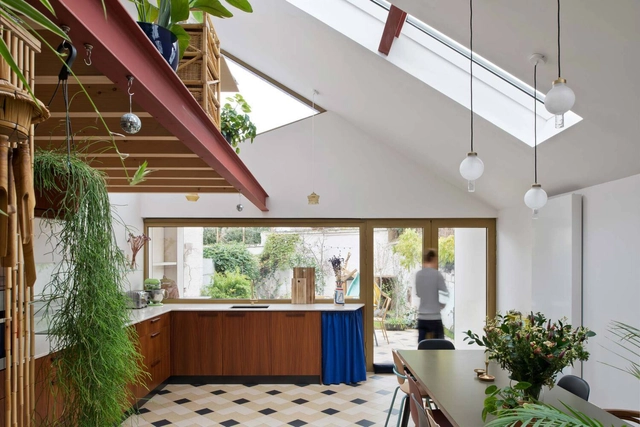
Nowadays, attention to mental health and well-being—not only physical but also emotional and psychological—has become an increasing focus not just in clinical settings but also in relation to numerous everyday factors. A notable example is the White January campaign, which emphasized this urgency, inviting us to reflect on mental and emotional well-being. In this scenario, neuroaesthetics and neuroarchitecture emerge as fields that serve as allies in this pursuit. They are not merely academic disciplines; they are practical approaches that seek to understand how our physical environment affects our psychological state. Neuroaesthetics, in particular, studies the relationship between aesthetic perception and neurological processes, as highlighted by Colin Ellard, a psychologist at the University of Waterloo and author of Places of the Heart: The Psychogeography of Everyday Life (2015).


Neuroesthetics: The Influence of Design on Human Experience - Imagen 1 de 4Neuroesthetics: The Influence of Design on Human Experience - Imagen 2 de 4Neuroesthetics: The Influence of Design on Human Experience - Imagen 3 de 4Neuroesthetics: The Influence of Design on Human Experience - Imagen 4 de 4Neuroesthetics: The Influence of Design on Human Experience - More Images

Subscriber Access

Biophilia in Brazilian Contemporary Architecture in 7 Projects

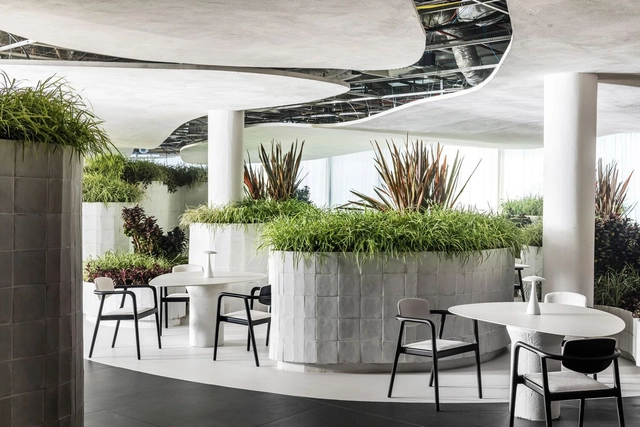
Biophilia, or love for life and nature, inspires architects around the world to create spaces that deeply connect with natural elements. These architectural projects seek to reintroduce nature into built environments, resulting in spaces that promote well-being, health, inspiration, and even productivity. In Brazil, the possibilities are even broader, given the country's exuberant climate and the vegetation found in various biomes. In this article, we will explore seven projects from different programs that embrace this concept and allow for a symbiosis between architecture, humans, and nature.

Biophilia in Brazilian Contemporary Architecture in 7 Projects - Imagen 1 de 4Biophilia in Brazilian Contemporary Architecture in 7 Projects - Imagen 2 de 4Biophilia in Brazilian Contemporary Architecture in 7 Projects - Imagen 3 de 4Biophilia in Brazilian Contemporary Architecture in 7 Projects - Imagen 4 de 4Biophilia in Brazilian Contemporary Architecture in 7 Projects - More Images+ 10

Eduardo Souto de Moura's Memorial for the Victims of the Fire in Portugal

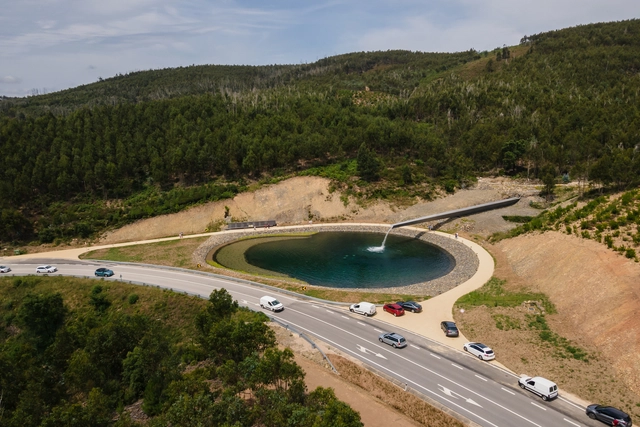
Pedrógão Grande, a Portuguese municipality located about 55 kilometers from Coimbra, inaugurated last week the Memorial in Homage to the Victims of the 2017 Forest Fires, a tragedy that claimed the lives of 66 people and left 253 others injured. The monument was designed by architect Eduardo Souto de Moura, winner of the Pritzker Prize in 2011.

The work cost about 1.8 million Euros and was initiated two years ago by Infraestruturas de Portugal (IP). The monument features "a framing lake, with about 2,500 square meters of area, fed by a 60-meter long gargoyle, bordered by a strip of plants consisting of white water lilies, lilies, and ranunculus," according to IP. In addition, the project includes a wall with the name of each victim inscribed on it.

Eduardo Souto de Moura's Memorial for the Victims of the Fire in Portugal  - Image 1 of 4Eduardo Souto de Moura's Memorial for the Victims of the Fire in Portugal  - Image 2 of 4Eduardo Souto de Moura's Memorial for the Victims of the Fire in Portugal  - Image 3 of 4Eduardo Souto de Moura's Memorial for the Victims of the Fire in Portugal  - Image 4 of 4Eduardo Souto de Moura's Memorial for the Victims of the Fire in Portugal  - More Images+ 10