Thomas Noceto

BROWSE ALL FROM THIS PHOTOGRAPHER HERE

Layers of Meaning: Exploring the Depth of Architectural Envelopes

Architecture has always played a key role in providing shelter and protection for human beings. In prehistoric times, we sought refuge in caves, taking advantage of rock structures for protection against the natural elements and predators. Over time, shelters began to be made from materials found in nature, such as branches, leaves, and animal skins, evolving into more permanent and complex homes, with walls made of stone, bricks or wood, roofs to protect against rain and sun, and doors to control access. As we developed more advanced building skills, we used materials such as wood, stone, and clay and architecture evolved significantly, with the construction of temples, palaces, and fortifications that provided not only shelter but also symbolized power, status, and cultural identity. Even so, our buildings can continue to be seen as shells that protect us from the outside world. 

From the massive stones of Greek temples to glazed skyscrapers, we work with a range of possibilities and thicknesses to separate what we consider internal and external. This article seeks to explore this diversity of thicknesses in architecture, from simple materials to complex construction techniques, highlighting how this variation not only provides protection but also influences our perception and interaction with the built environment.
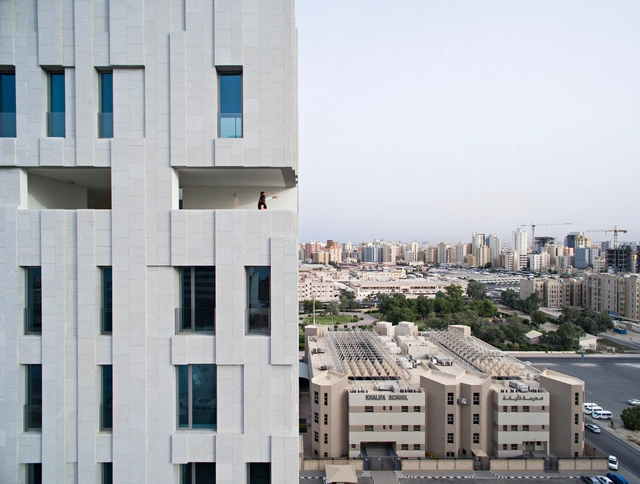
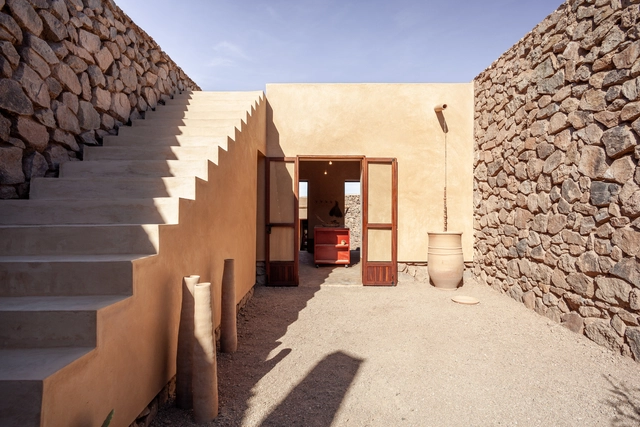
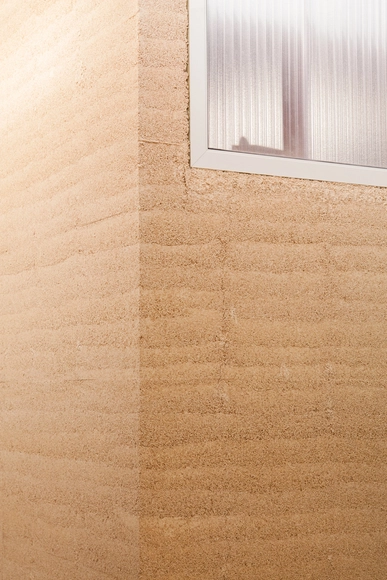
The Women’s House of Ouled Merzoug / Building Beyond Borders Hasselt University

The Women’s House of Ouled Merzoug / Building Beyond Borders Hasselt University - More Images+ 28

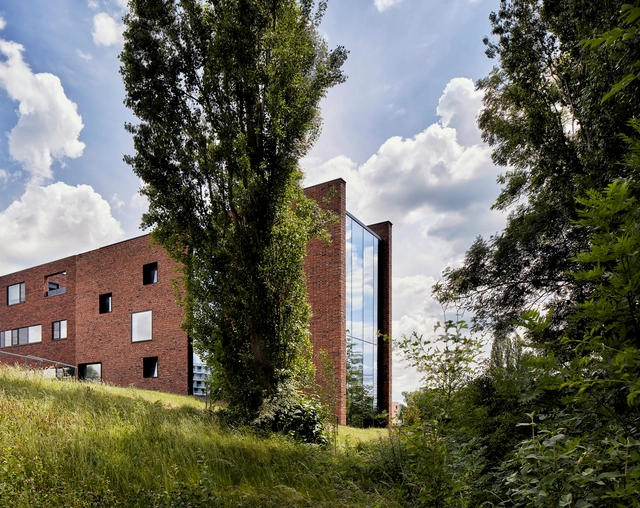
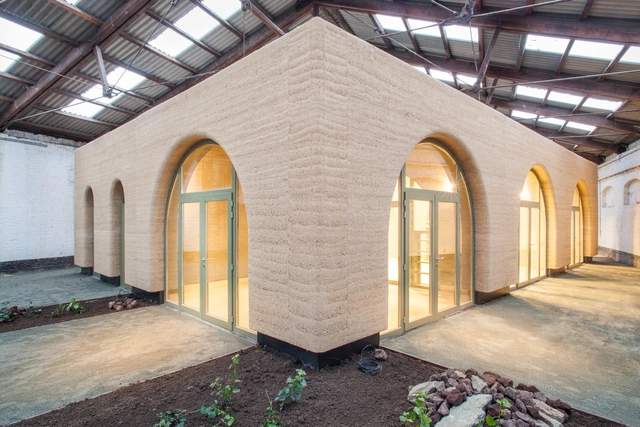
Circular Brick House with Rammed Earth Wall / AST 77 Architecten

Circular Brick House with Rammed Earth Wall / AST 77 Architecten - More Images+ 41

  • Architects: AST 77 Architecten
  • Area Area of this architecture project Area:  250
  • Year Completion year of this architecture project Year:  2020
  • Manufacturers Brands with products used in this architecture project
    Manufacturers:  BC materials, Bealstone, Metsawood, Quooker, Sapa, +2

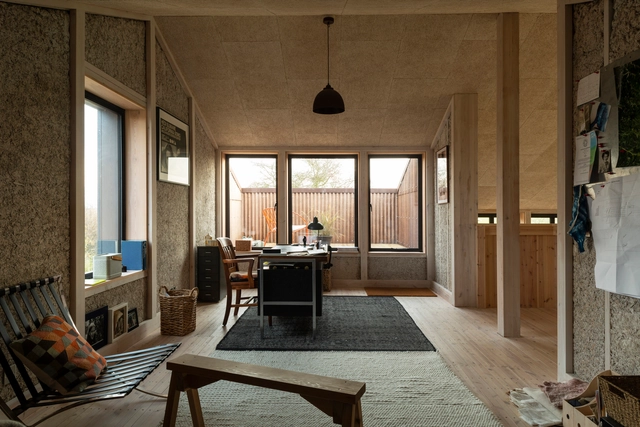
Hemp Concrete: From Roman Bridges to a Possible Material of the Future

Subscriber Access | 

A lot of prejudice and contradictions surround the history of Cannabis sativa around the world. It is estimated that hemp was one of the first plants to be cultivated by mankind. Archaeologists have found remnants of hemp fabrics from ancient Mesopotamia (now Iran and Iraq) that date back to 8,000 BC [1]. There are similar records in China documenting the consumption of hemp seeds and oils, dating between 6 and 4 thousand BC. Upon its arrival in Europe, its main use was for the manufacture of ship ropes and fabrics: even the sails and ropes of Christopher Columbus' ships were made of this material. Likewise, the first books after Gutenberg's invention of the printing press [2] and many paintings by Rembrandt and Van Gogh were made of hemp.

The use of hemp for civil construction is not new either. Mortar made of hemp was discovered on the pillars of bridges built by the Merovingians in the 6th century, in what is now France. It is also well known that the Romans used hemp fiber to reinforce the mortar in their buildings. Nowadays, although there are legal barriers in many countries, the use of hemp as a construction material has had encouraging results, with research demonstrating its strong thermoacoustic and sustainable qualities. Hemp can be shaped into fibrous panels, coverings, sheets, and even bricks.

Community Centers for Displaced Populations

Community Centers for Displaced Populations  - More Images+ 11

Through the past few months, the importance of community interaction and mental well-being has been felt by all. Yet, the need for a support system and constant reassurance has been a recurrent issue for much longer for forcibly displaced populations. Adding to the current health fears these communities, estimated at nearly 70.8 million ( 25.9 refugees only) around the world, struggle with traumas, mental health issues and have much difficulty in adapting to temporary or permanent foreign settings.

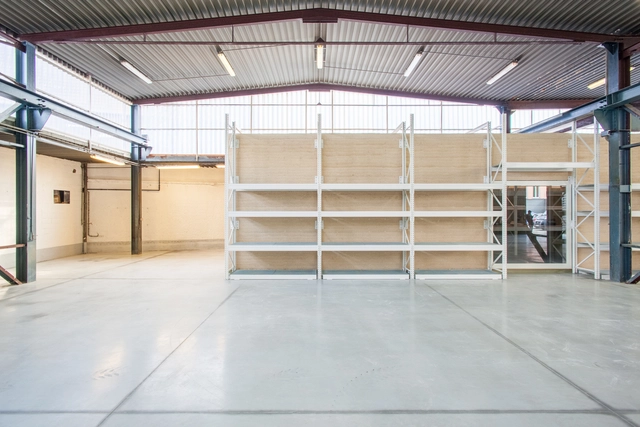
Ateliers of Pascale Marthine Tayou / BC Architects

Ateliers of Pascale Marthine Tayou / BC Architects - More Images+ 34

  • Architects: BC Architects
  • Area Area of this architecture project Area:  1650
  • Year Completion year of this architecture project Year:  2018