Tange Associates

BROWSE ALL FROM THIS PHOTOGRAPHER HERE

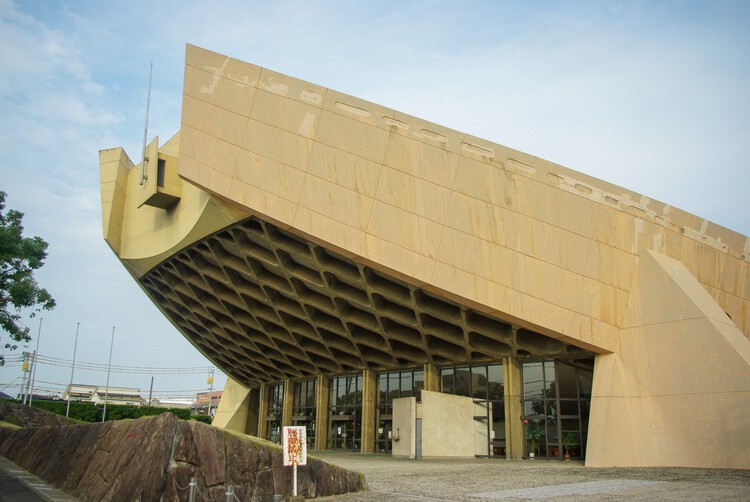
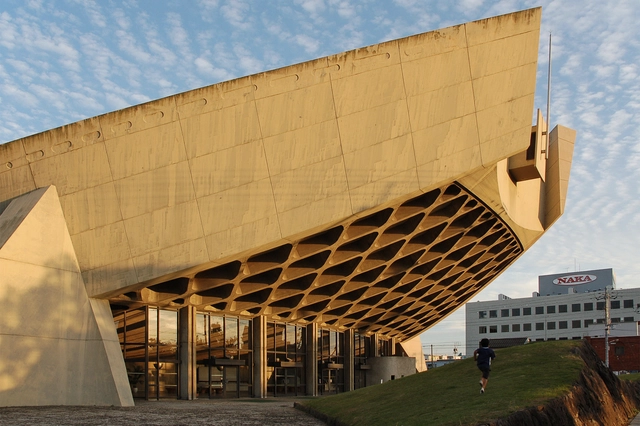
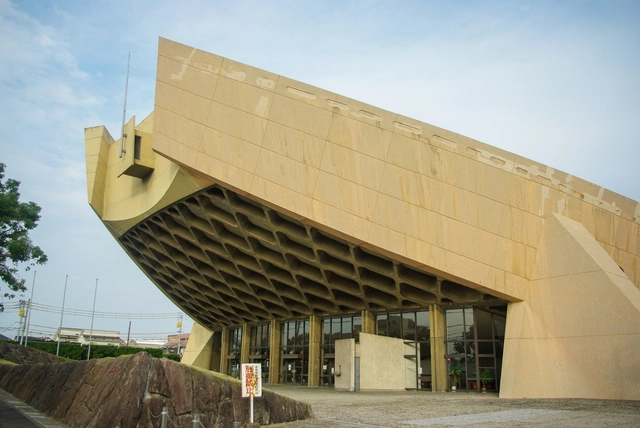
Citizen-Led Campaign Proposes New Use for Kenzo Tange's Kagawa Gymnasium, Facing Demolition

In February 2023, the governor of Kagawa Prefecture, Japan, announced the planned demolition of the Kagawa Prefectural Gymnasium, designed by Pritzker Prize-winning architect Kenzo Tange. Discussion surrounding its fate dates back to its permanent closure in 2014, after a roof leak caused structural problems in the ceiling boards. Since then, several organizations have worked to save the building, including a petition by the World Monuments Fund and an effort by a promotional council to nominate it as a UNESCO World Cultural Heritage site in 2021. Despite these initiatives, on August 7, 2025, the Kagawa Prefectural Government officially announced a public competitive bidding process to select a contractor for the demolition, something the Former Kagawa Prefectural Gymnasium Regeneration Committee is determined to prevent.

Citizen-Led Campaign Proposes New Use for Kenzo Tange's Kagawa Gymnasium, Facing Demolition - More Images+ 1

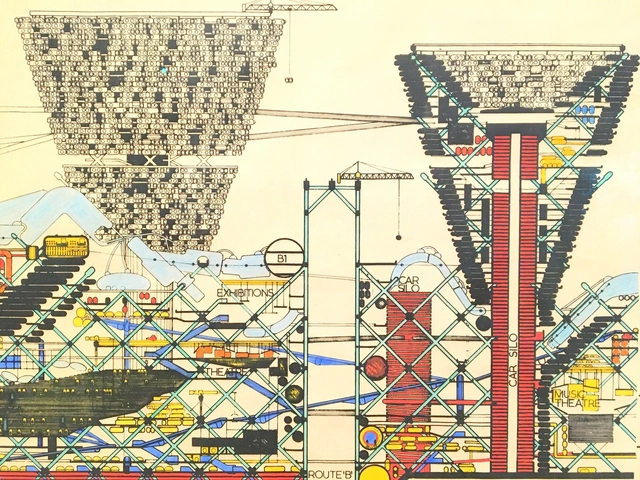
Ephemeral Cities: 3 Radical City Concepts That Propose for Users to Shape Their Built-Form

Subscriber Access | 

The concept of a city can be viewed as a constantly evolving system where both architects and users contribute to its design and redesign. While its framework may start with planners or designers, the character of the urban fabric is ultimately shaped by the societies and generations that inhabit it. The question of "city authorship" often arises in the context of masterplan design. Can architects and urban planners determine the extent to which a city will evolve through its initial design? The answer is no. User authorship then acknowledges that city planning should not be approached like building design, where designers attempt to predict every aspect of shape, pattern, behavior, and culture. Instead, it recognizes the role that people play in shaping the urban fabric through their personal taste in architecture, the development of neighborhood personality, and ongoing redesign that contributes to the story and spirit of a place. These factors should be considered in the initial design by engaging ideas related to future expansion, adaptable infrastructure, and empowering citizens to contribute to the city's architecture, thus making the city design democratic. This article explores conceptual radical cities where designers embrace the ideas of user authorship and the constant evolution of ephemeral architecture.

Ephemeral Cities: 3 Radical City Concepts That Propose for Users to Shape Their Built-Form - More Images+ 8

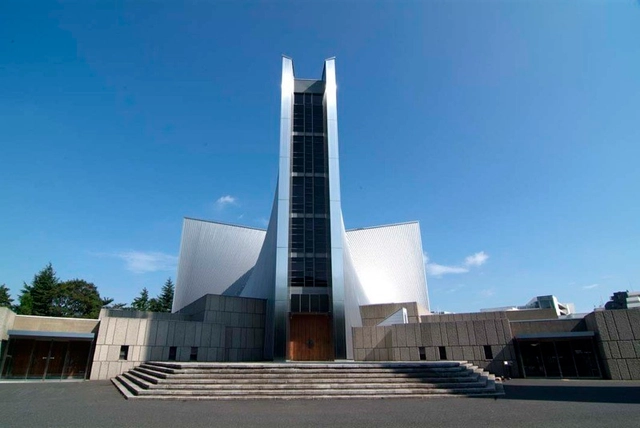
Spotlight: Kenzō Tange

As one of the eldest in a long line of architects that have made Japan one of the most revered countries in architecture, Pritzker-Prize winning architect Kenzō Tange (4 September 1913 – 22 March 2005) helped define Japan’s post-WWII emergence into Modernism. Though he was trained as an architect, Tange was equally as influential as an urban planner giving him significant influence in Japan and around the world at both large and small scales.

Spotlight: Kenzō Tange - More Images+ 8

Kenzo Tange Gymnasium and 7 Other Threatened Sites Receive $1M in Preservation Funding

Eight sites from the World Monuments Fund’s 2018 World Monuments Watch list have been awarded $1 million in funding from American Express to support much-needed preservation and restoration initiatives. The sites were selected based on their vulnerability to specific threats like natural disasters, climate change or social forces like urbanization that have left them neglected.

The Uncertain Future of Seoul, Korea's "Dream Hub"

The Uncertain Future of Seoul, Korea's "Dream Hub"  - Mixed Use Architecture
Block H; Courtesy of Kohn Pedersen Fox Associates

According to Business Insider and a number of other real estate development outlets, the "Dream Hub" project in Seoul Korea that drew designs from internationally renowned architects including Daniel Libeskind -designer of the master plan - MVRDV, Dominique Perrault, BIG, REX, KPF and Tange Associates is on the verge of collapse. The Yongsan Development Corporation reportedly defaulted on a major loan repayment, citing difficulties in raising funds due to the real estate slump since the 2008 global financial crisis. The collapse of the project is still speculative, as it is unclear how the next round of loans that are to mature in June will fare.

The $28 billion real estate "Dream Hub" project was to develop 56-acres in central Seoul into a modern business hub. In its planning it included shopping malls, hotels, department store, apartment blocks, and mixed-use office towers. Follow us after the break for a recap of the projects that were planned for this development.