Steven Bingler

BROWSE ALL FROM THIS PHOTOGRAPHER HERE

Earth Day 2024: Urban and Architectural Strategies to Navigate the Climate Crisis

Every year, Earth Day, celebrated on April 22, presents us with an opportunity to contemplate the conditions of our planet and our impact upon it. Generating around 37% of global carbon emissions, the construction industry has an important, often detrimental, role to play, thus placing an increasingly urgent responsibility on architects and builders to devise strategies for reducing this number. Still, the built environment represents the habitat for most of humanity, and so it has the potential to protect and shelter people from the risks posed by the changing climate. Read on to discover a collection of articles delving into the strategies available at urban and architectural scales for mitigating the effects of climate change and minimizing the industry’s impact upon it.

Earth Day 2024: Urban and Architectural Strategies to Navigate the Climate Crisis - More Images+ 15

A Model for a Healthier, Adaptive Approach to Community Development

This article was originally published on Common Edge.

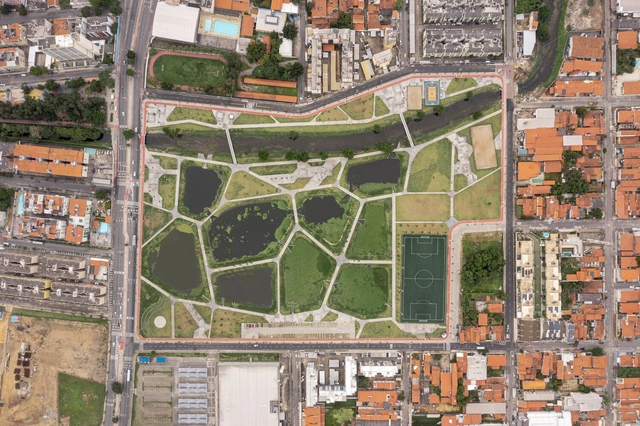
The Healthy Cities movement is a strong but sometimes underappreciated planning concept with its roots in the complex structure of the human body. Formed in the 1970s, it transcends the current paradigm of building, roadway, and open space planning to address a more complex and systemic view of community life. The movement was pioneered and co-founded by Dr. Leonard Duhl, who was both an urban planner and medical doctor. I was lucky to have him as a planning mentor.

A Model for a Healthier, Adaptive Approach to Community Development - More Images+ 10

Climate Lessons From the Floating Villages of Cambodia

This article was originally published on Common Edge.

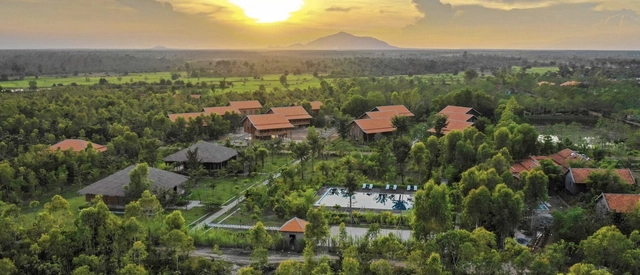
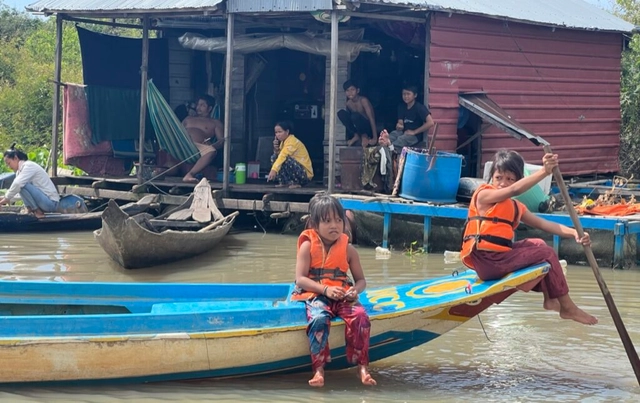
Lake Tonle Sap is a part of Cambodia’s inland water system that’s connected to the flooded forests that purify water and buffer communities from storms—an important benefit as climate change makes extreme weather more frequent. Every year from June to November, the Mekong Delta backs up into Lake Tonle Sap, creating water-depth fluctuations of up to 10 meters. The result is that land-based buildings are inundated during the rainy season, then refurbished and reoccupied again after the water recedes.

Climate Lessons From the Floating Villages of Cambodia - More Images+ 17