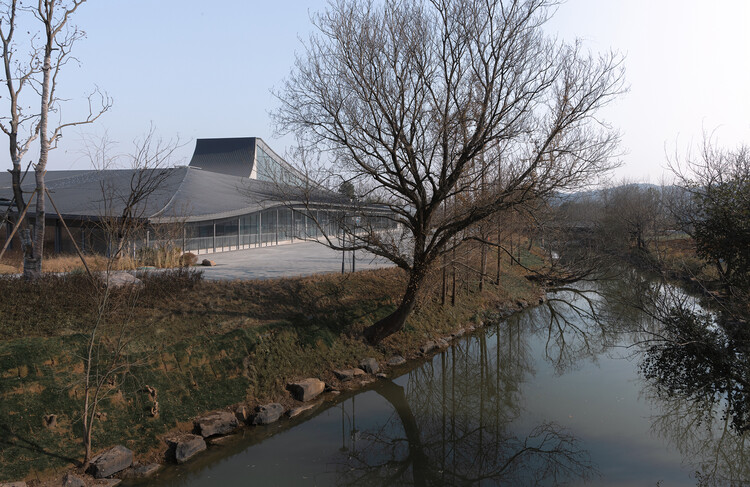
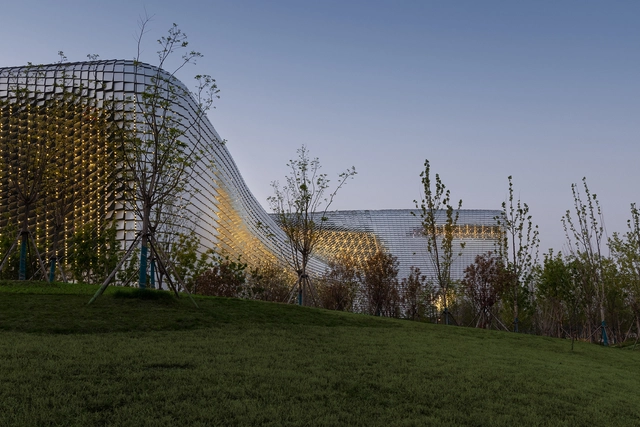
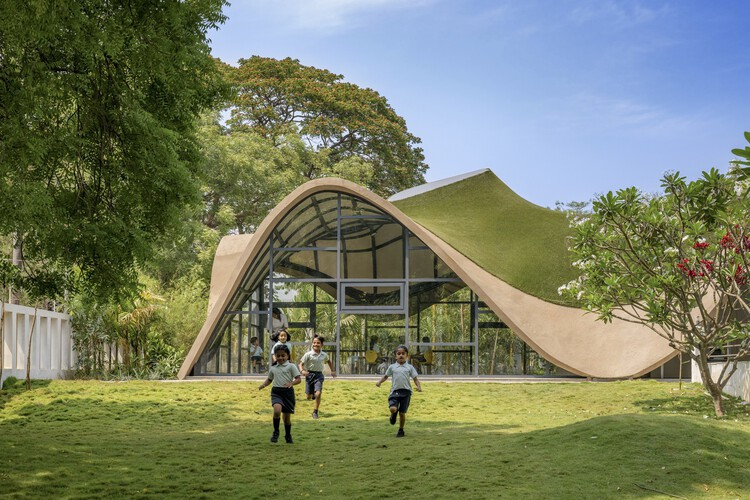
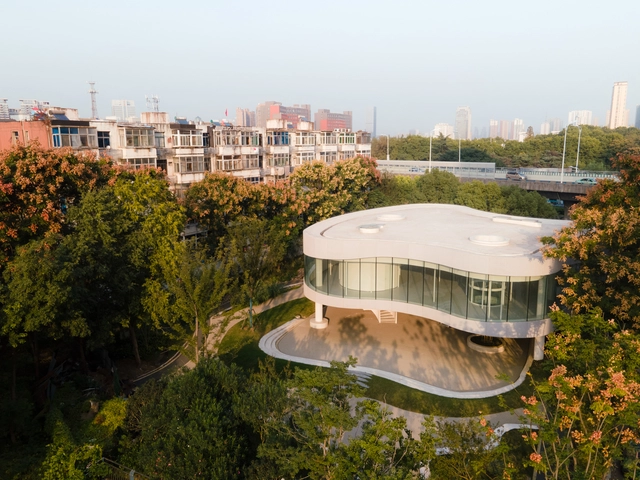
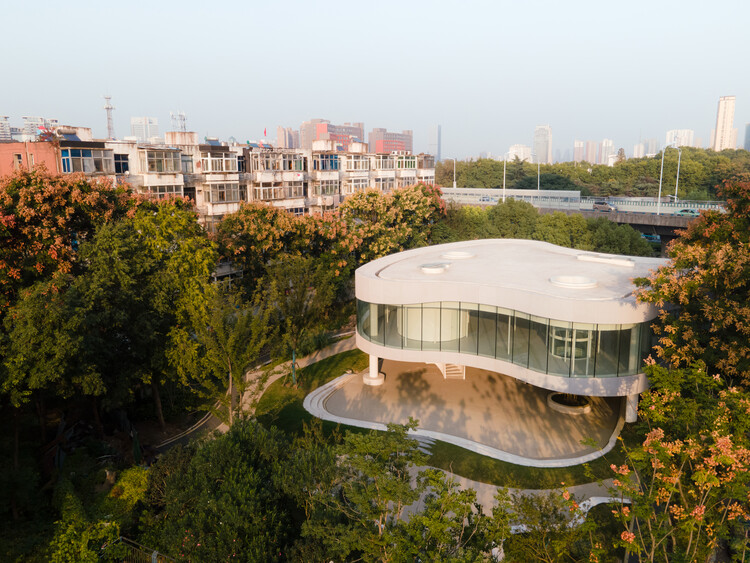
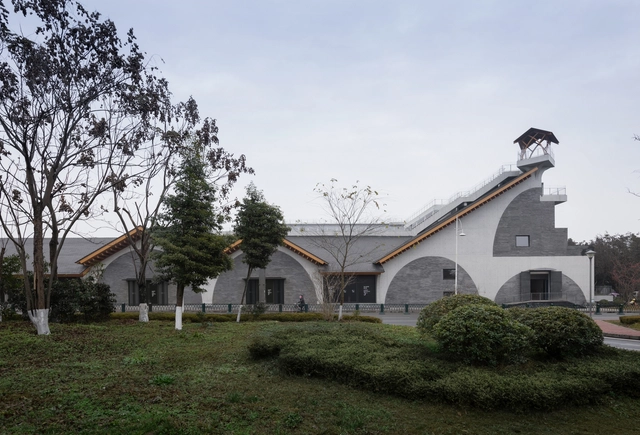
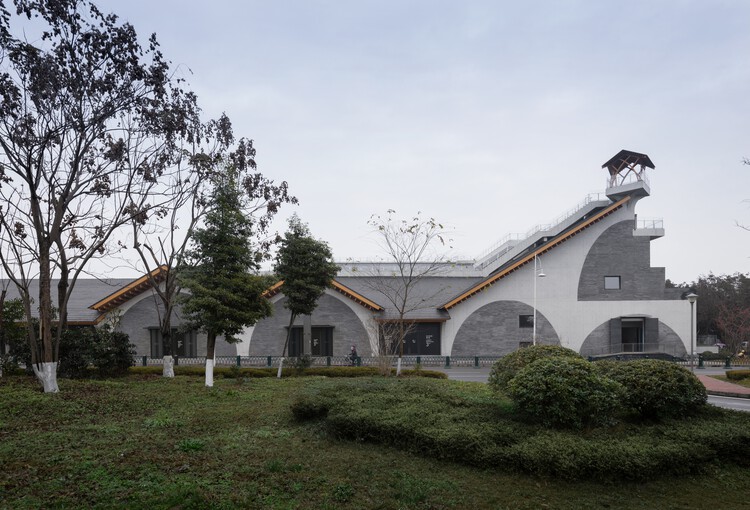
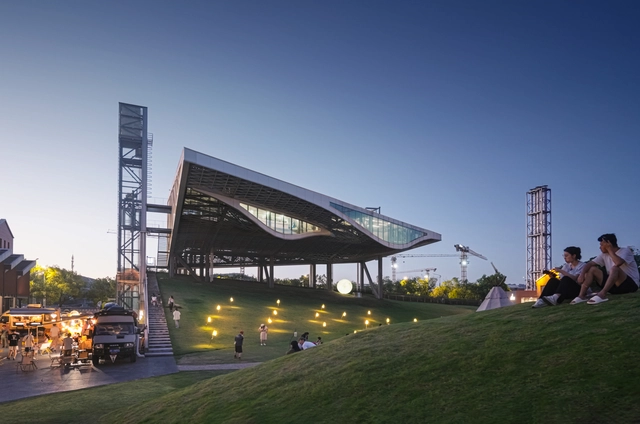
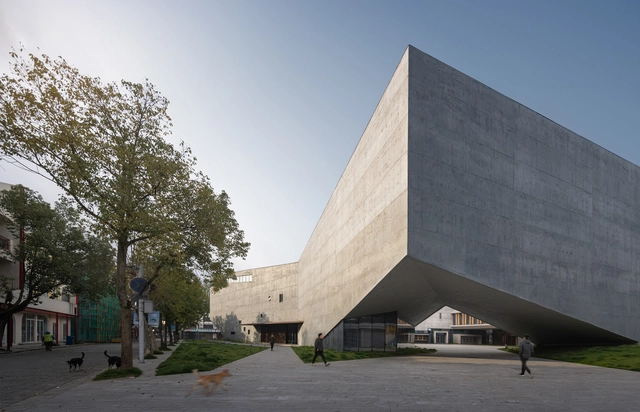
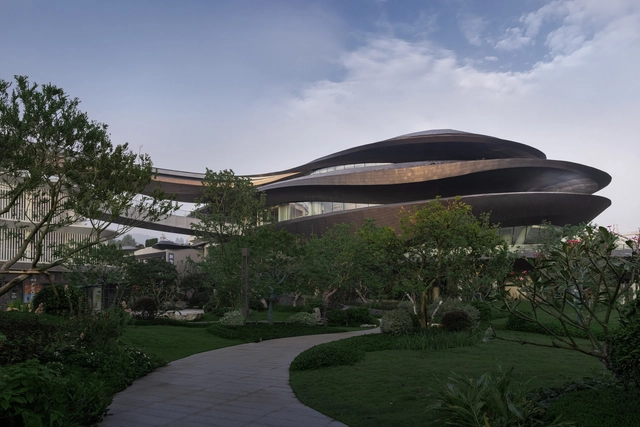
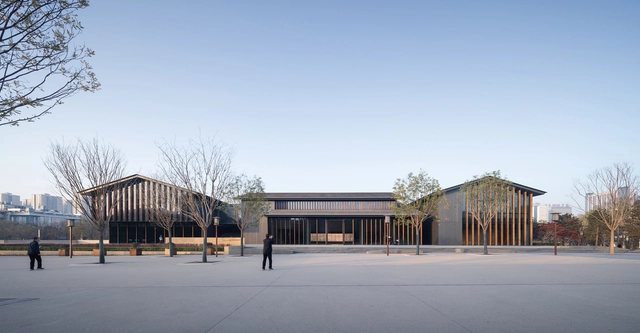
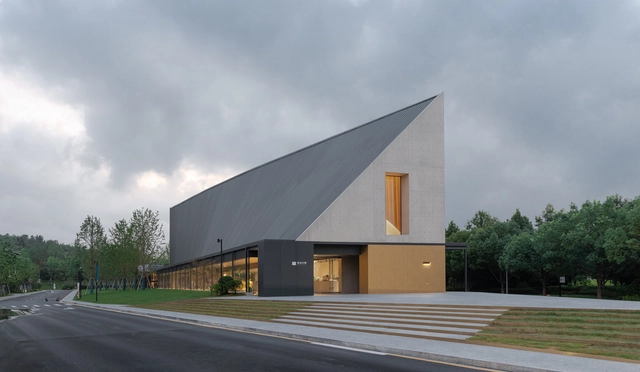
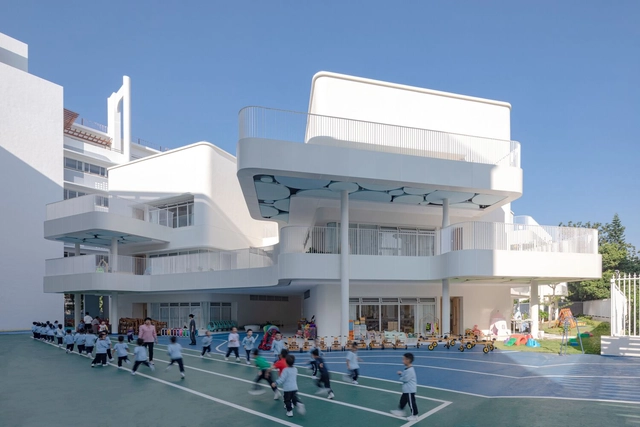
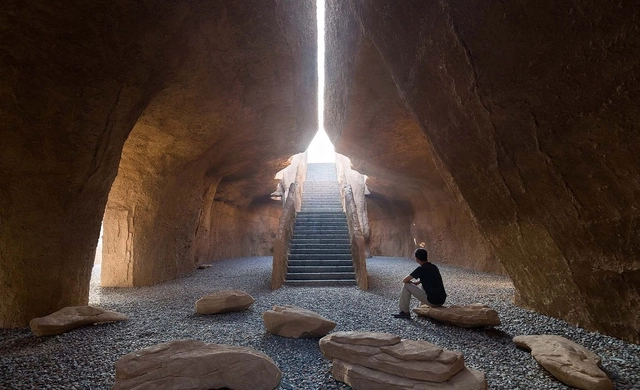
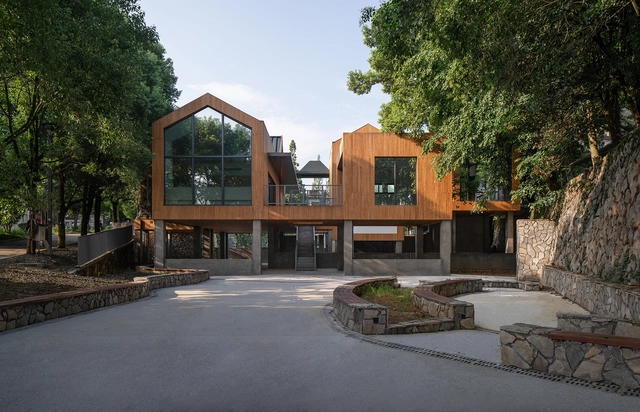
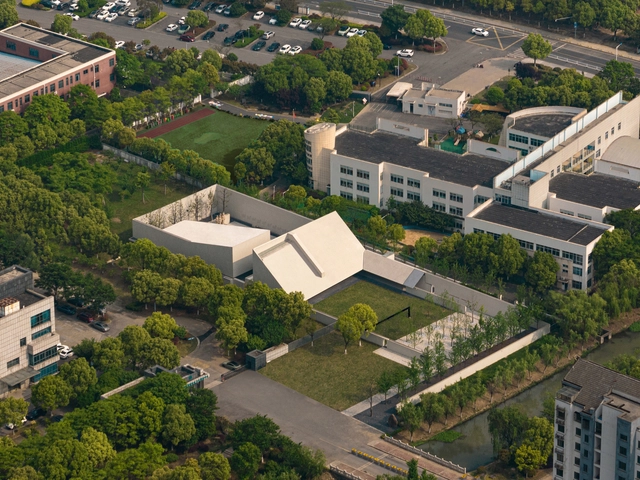
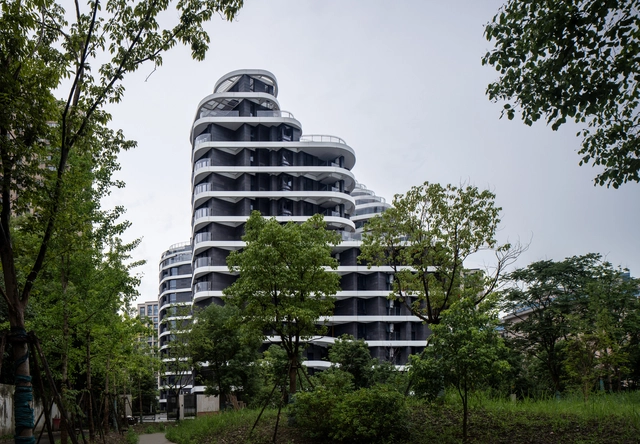
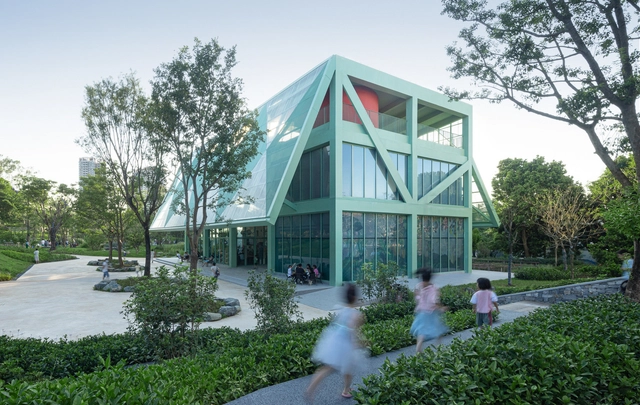
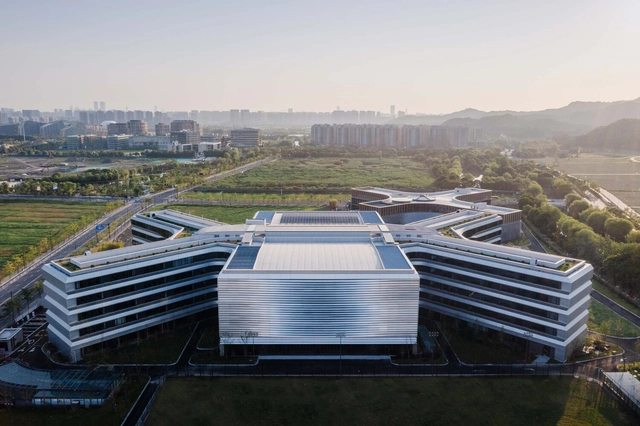
Following two exciting weeks of nominations, ArchDaily's readers have evaluated 455 projects and selected 15 finalists for the Building of the Year Award China. Architects and enthusiasts participated in the nomination process, choosing projects that exemplify what it means to push architecture forward. These finalists are the buildings that have inspired ArchDaily readers the most, which also reveal the growing trend of Chinese architecture.
Among the 15 finalists of the 2026 China Building of the Year Award, we can see a gradual shift in focus from large-scale public buildings to rural revitalization, community public spaces, exploration of new typology of school and small-scale interior spaces. People are paying more attention to their personal needs and living experiences as well as the surrounding spaces. We can also observe how different firms are responding to the needs of cities and users during the period of transformation in the real estate.
Before we get to shortlisted nominees, we want to highlight the values of this awards process — as the world's largest platform for architecture we are acutely aware of our responsibility to the profession, and to the advancement of architecture as a discipline. Since our mission is directly related to the architecture of the future—inspiring and educating the people who will design the urban fabric of the future—the trust placed in us by our readers to reflect architectural trends from regions around the whole world creates challenges that we are eager to rise to. The democratically-voted, user-centered Building of the Year Awards is one of the key pillars of our response to these challenges, aiming to tear down established hierarchies and geographical barriers. Here are the 15 finalists of the 2026 China Building of the Year Award, and the voting period will run from April 8th to April 15th, 11:59 PM (Beijing Time), 2026. The final winners will be announced on April 16th, 2026. Click here to see the details and how to vote.