Randy Crandon

BROWSE ALL FROM THIS PHOTOGRAPHER HERE
↓
Subscriber Access

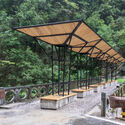
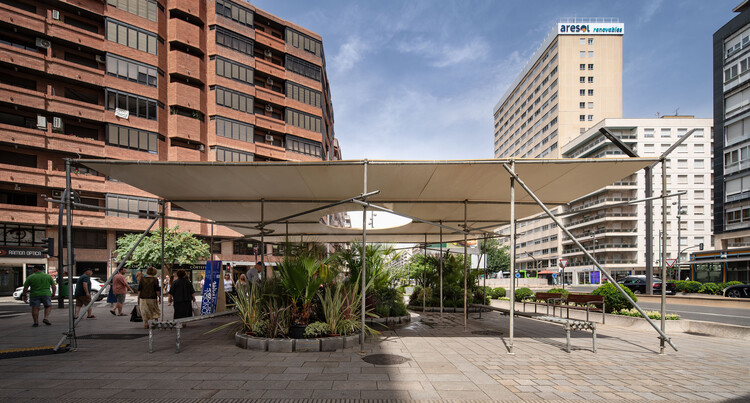
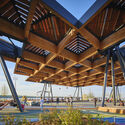
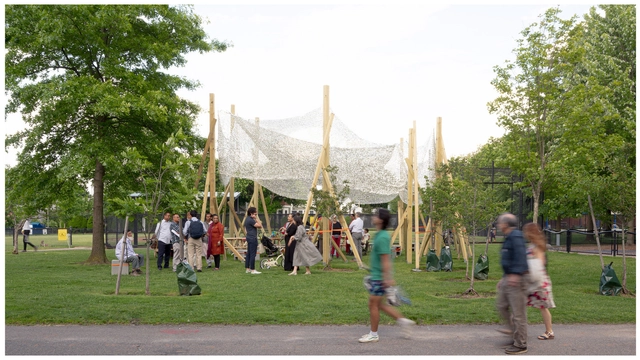
Beyond the Canopy: Six Architectural Strategies for Urban Shade

Audio available

As cities around the world brace for extreme temperatures and waves of unrelenting heat, urban greening is one of the best solutions for leaders to combat this reality. The benefits of planting trees for physical health, mental well-being, and thermal relief are well documented, and a mature canopy can transform a space by several degrees on a hot day. Trees cool the air through evapotranspiration, filter pollutants and absorb stormwater, and enhance biodiversity in urban spaces.
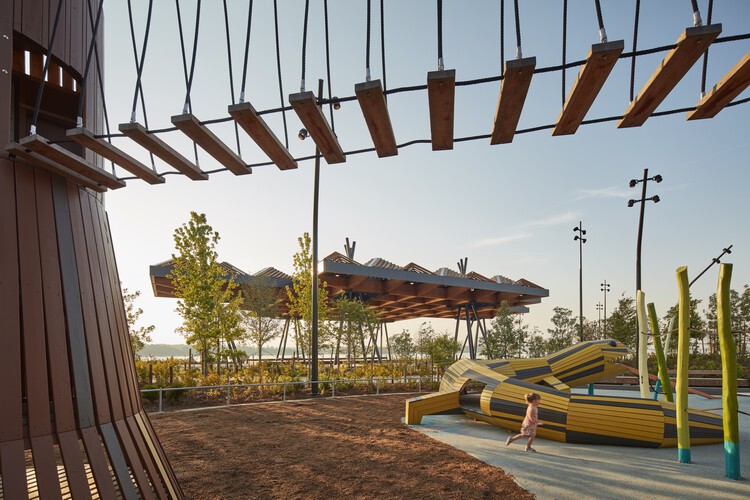
Beyond the Canopy: Six Architectural Strategies for Urban Shade - Imagen 1 de 4Beyond the Canopy: Six Architectural Strategies for Urban Shade - Imagen 2 de 4Beyond the Canopy: Six Architectural Strategies for Urban Shade - Imagen 3 de 4Beyond the Canopy: Six Architectural Strategies for Urban Shade - Imagen 4 de 4Beyond the Canopy: Six Architectural Strategies for Urban Shade - More Images+ 96

Subscriber Access

Design as Repair: How Architecture Is Advancing Environmental Justice

Audio available

Environmental justice confronts a simple but uncomfortable truth: the benefits and burdens of the environment are not shared equally. Marginalized communities bear a disproportionate share of polluted air, unsafe water, toxic land uses, extreme heat, and the accelerating risks of climate change in cities around the world. These are the consequential products of decades of policy decisions, investment patterns, exclusionary planning practices, and planning choices that have consistently favored certain communities over others.

In cities and landscapes alike, these injustices are written into the physical fabric of places, even revealing extreme differences in environmental conditions between neighborhoods and districts. Dense neighborhoods with little tree canopy, for example, absorb and hold heat, exposing residents to higher rates of heat-related illness. Highways, industrial corridors, ports, and waste facilities cluster near low-income neighborhoods and communities of color, shaping conditions of health, air and soil quality, and long-term safety.

Design as Repair: How Architecture Is Advancing Environmental Justice - Image 1 of 4Design as Repair: How Architecture Is Advancing Environmental Justice - Image 2 of 4Design as Repair: How Architecture Is Advancing Environmental Justice - Image 3 of 4Design as Repair: How Architecture Is Advancing Environmental Justice - Image 4 of 4Design as Repair: How Architecture Is Advancing Environmental Justice - More Images+ 35

Subscriber Access

How Textiles Shaped Architecture: Prehistoric Structures for Modern Buildings

Much before humans constructed their first permanent shelters, they discovered the protective power of animal hides as a barrier against harsh environmental conditions. This fundamental principle of building with flexible materials finds influence in the architecture of today, despite the lack of strong precedents that have been lost to time. Textiles served as humanity's first architectural elements, predating ancient construction methods like stone masonry. The relationship between textiles and shelter would go on to shape the entire history of architecture, from prehistoric settlements to modern skyscrapers. What lessons might these ancient origins of architecture hold for future advancements in building design?

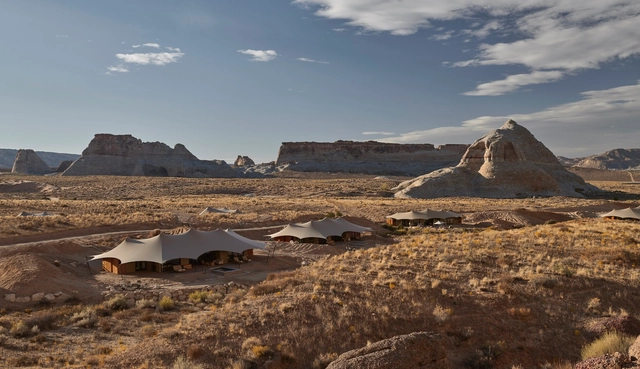
How Textiles Shaped Architecture: Prehistoric Structures for Modern Buildings - More Images+ 5

Growing Shade Community Space / Alsar Atelier + Northeastern University School of Architecture

Growing Shade Community Space / Alsar Atelier + Northeastern University School of Architecture - More Images+ 19