RA-HAUS

BROWSE ALL FROM THIS PHOTOGRAPHER HERE
↓
Subscriber Access

Miami Architecture City Guide: 22 Projects Shaping Tropical Density on the Atlantic Coast

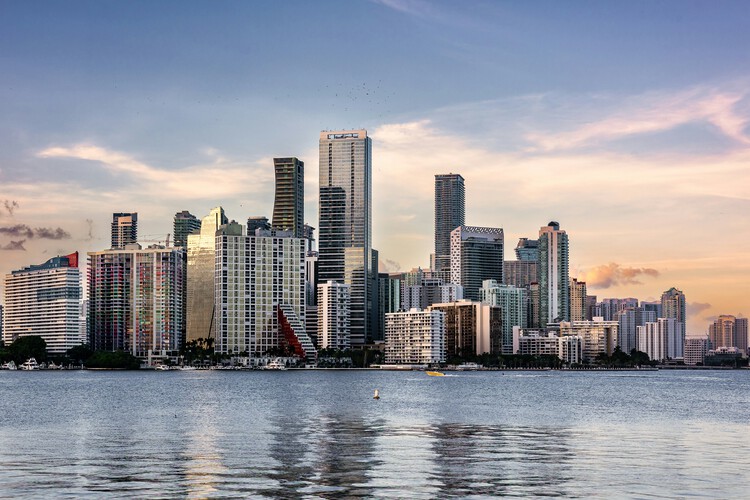
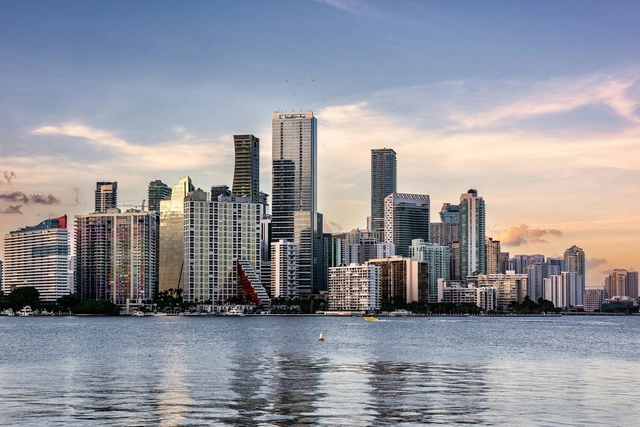
Stretching along the Atlantic coast at the southern tip of Florida, Miami is often introduced through postcard views of beaches, palm trees, and glass towers facing the water. Yet, behind this familiar image lies a city shaped by migration, tourism, and real estate cycles, where architecture has repeatedly been used to project new identities and reinvent the urban landscape. From early resort hotels and the Art Deco façades of South Beach to experimental high-rises and cultural institutions on the bay, the built environment offers a way to read how Miami negotiates climate, economy, and everyday life.

Over the past century, the city has grown through successive layers of development that remain visible in its streets and skylines. The streamlined geometry and pastel colors of the historic Art Deco District coexist with the exuberant forms of Miami Modern (MiMo) motels and postwar infrastructure along Biscayne Boulevard. Downtown and Brickell have transformed from low-rise business districts into dense clusters of residential and office towers, many designed by international firms working alongside local practices. At the same time, neighborhoods such as Little Havana, Allapattah, and Wynwood reveal how diasporic communities, industrial heritage, and creative industries occupy and adapt existing fabrics, often in contrast with the image-driven waterfront.
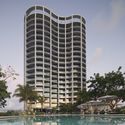
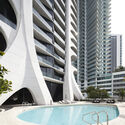
Miami Architecture City Guide: 22 Projects Shaping Tropical Density on the Atlantic Coast - Imagen 1 de 4Miami Architecture City Guide: 22 Projects Shaping Tropical Density on the Atlantic Coast - Imagen 2 de 4Miami Architecture City Guide: 22 Projects Shaping Tropical Density on the Atlantic Coast - Imagen 3 de 4Miami Architecture City Guide: 22 Projects Shaping Tropical Density on the Atlantic Coast - Imagen 4 de 4Miami Architecture City Guide: 22 Projects Shaping Tropical Density on the Atlantic Coast - More Images+ 36

Subscriber Access

Third Places in the United States: Commercialized or Community-Centered?

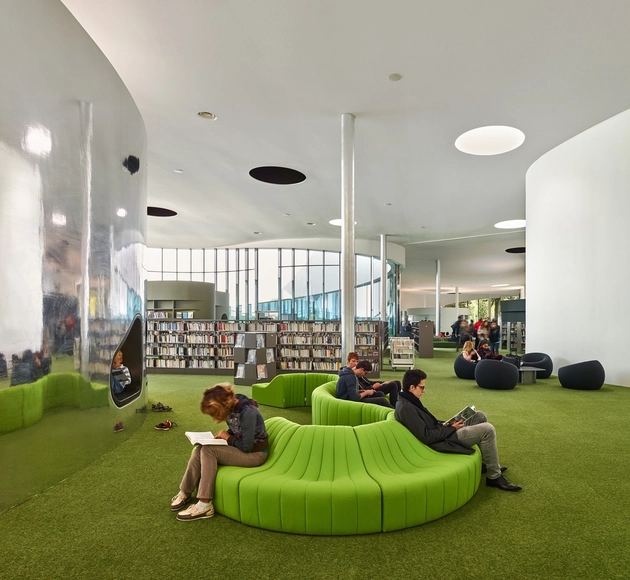
The modern world is disconnected. Online interactions dominate the daily lives of people across the world. This shift is not just a result of the rise of the internet, but also a stark reflection of the decline of public spaces, particularly third places. Third places, once essential for promoting community and social cohesion, have evolved drastically over the past few decades. In today's commercialized landscape, third places face plenty of demands from users and designers alike, calling for a need to reconsider their accessibility and purpose.

Third Places in the United States: Commercialized or Community-Centered? - Image 1 of 4Third Places in the United States: Commercialized or Community-Centered? - Image 2 of 4Third Places in the United States: Commercialized or Community-Centered? - Image 3 of 4Third Places in the United States: Commercialized or Community-Centered? - Image 4 of 4Third Places in the United States: Commercialized or Community-Centered? - More Images+ 3

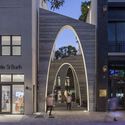
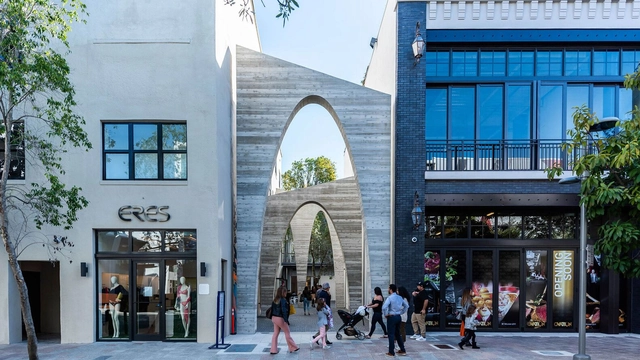
Jade Alley / Daniel Toole Architecture

Jade Alley / Daniel Toole Architecture - More Images+ 21