BROWSE ALL FROM THIS PHOTOGRAPHER HERE
↓
Subscriber Access

Framing Natural Light: Five Daylighting Strategies in Cabin Architecture

Audio available

Cabins offer architects opportunities to experiment playfully with architectural form, materials, landscaping, and spatial configurations. Their compact footprints, relatively simple programs, and close proximity to the natural surroundings allow for unconventional design approaches and the ability to test experiential, architectural ideas. Often constructed as spaces of rest, cabin architecture encourages architects to prioritize the experience of inhabiting a space, exploring how individual design elements contribute to the character and atmosphere of the interior.

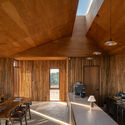
Natural light plays an important role in shaping this experience, particularly in compact spaces where the placement of openings will significantly influence spatial perception. While conventional window openings establish visual connections with the surrounding landscape, skylights introduce daylighting from above and create a unique opportunity to observe seasonal variations and the movement of shadows during the day. Beyond providing natural light for the inhabitants, well-designed skylights create a dynamic relationship with natural light and establish a closer connection to the surrounding environment and day.
Framing Natural Light: Five Daylighting Strategies in Cabin Architecture - Image 1 of 4Framing Natural Light: Five Daylighting Strategies in Cabin Architecture - Image 7 of 4Framing Natural Light: Five Daylighting Strategies in Cabin Architecture - Image 6 of 4Framing Natural Light: Five Daylighting Strategies in Cabin Architecture - Image 2 of 4Framing Natural Light: Five Daylighting Strategies in Cabin Architecture - More Images+ 71

Subscriber Access

Cabins in Spain: Small-Scale Accommodations in Natural Settings

Amid coasts, rivers, lakes, and mountain ranges, Spain’s natural environment encompasses a wide variety of climates, topographies, and vegetation species. Aiming to raise global awareness of the impact of construction on the environment and the importance of addressing climate change through new ways of creating architecture, several architectural practices and research teams are exploring the design of cabins or small-scale lodging prototypes. While capable of integrating harmoniously with their surrounding natural context, they also demonstrate strategies for self-sufficiency, resource utilization, and space maximization, as well as broad applications of innovative technologies and material solutions adapted to each region.

Cabins in Spain: Small-Scale Accommodations in Natural Settings - Image 1 of 4Cabins in Spain: Small-Scale Accommodations in Natural Settings - Image 2 of 4Cabins in Spain: Small-Scale Accommodations in Natural Settings - Image 7 of 4Cabins in Spain: Small-Scale Accommodations in Natural Settings - Image 3 of 4Cabins in Spain: Small-Scale Accommodations in Natural Settings - More Images+ 5

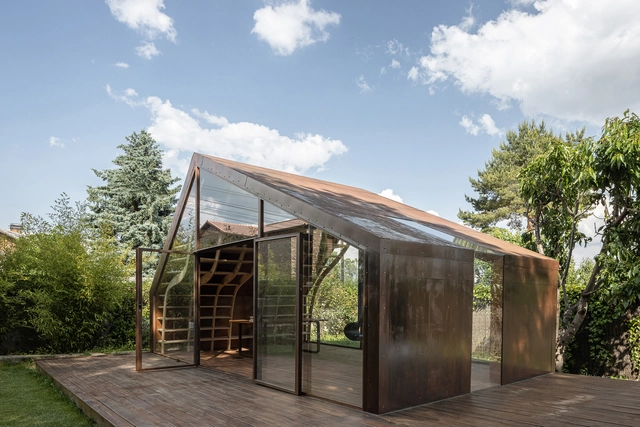
The Writer’s Cabin / MuDD Architects

The Writer’s Cabin / MuDD Architects - More Images+ 23

  • Architects: MuDD Architects
  • Area Area of this architecture project Area:  27 m²
  • Year Completion year of this architecture project Year:  2021