Michelle Young, Amy Piddington

BROWSE ALL FROM THIS PHOTOGRAPHER HERE

Miniature Architecture: 17 Projects that Explore Interior Design for Children

Subscriber Access | 

The world certainly looks different through the eyes of a young child; enormous, intriguing, and somewhat overwhelming, and it has long been believed that what we encounter as children shapes our perspective of the world. When asked about his childhood memories in Switzerland, Peter Zumthor shared that the memories of his youth contain the deepest architectural experience, which has become reservoirs of the architectural atmospheres and images that he explores in his work as an architect today. 

Having a complete understanding of how children change and grow physically and psychologically throughout their childhood requires an in-depth observation of different factors, such as their hereditary traits and genetics, the interactions they have with other children and adults, as well as the environment they are living, playing, and learning in. In celebration of World Children's Day on November 20th, we look at how architects and designers stimulated children's autonomy and promoted their mental and physical well-being through architecture and interior design. This initiative aligns with the theme of World Architecture Day 2024: "Mobilizing the Next Generation for Urban Transformation," emphasizing the crucial role that thoughtful design plays in shaping a sustainable and inclusive future for our cities and the communities within them.

Miniature Architecture: 17 Projects that Explore Interior Design for Children  - More Images+ 15

Wooden Architecture for Children: Designing Warm and Playful Spaces

Wooden Architecture for Children: Designing Warm and Playful Spaces - More Images+ 66

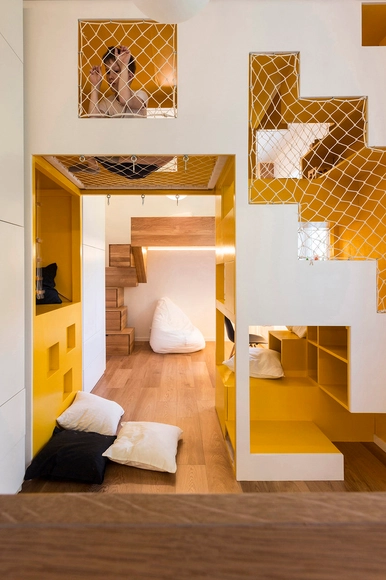
The environment we inhabit influences us directly. For kids, this environment must be especially safe and accessible, yet simultaneously stimulating, so that they can move and develop freely without jeopardizing their physical safety. We have already written about how to create playgrounds in interior spaces. Today, we put together a series of examples that use the warmth and versatility of wood to create interactive, creative, and fun interiors for children.

Schools of the Future: How Furniture Influences Learning

Subscriber Access | 

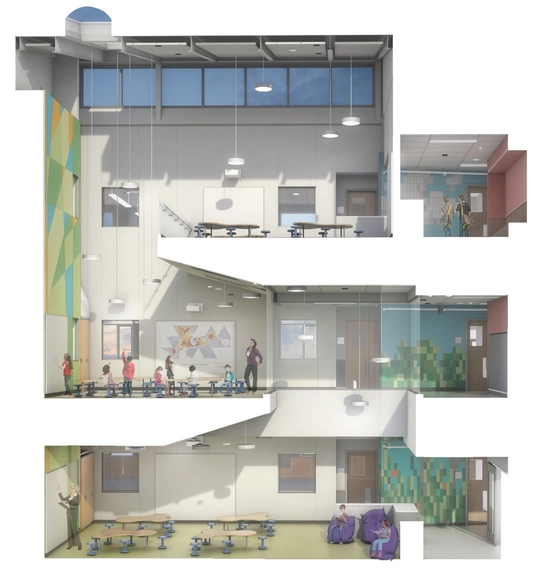
It is a student's right to be educated in a safe, healthy, and even aesthetically appealing environment, especially young students for whom these factors are even more important. For example, it has been shown that when the ergonomics of chairs are inadequate, they can greatly affect levels of concentration and the development of skills such as calligraphy. At the same time, the effectiveness of traditional teaching methods is increasingly being questioned and the quality of alternative methodologies increasingly being considered. In other articles, we discussed in more detail the design of Montessori schools and the atmosphere of Waldorf interiors.

Today, we will cover the importance of choosing furniture and address some aspects to consider when organizing them in classroom design for the schools of the future.

Schools of the Future: How Furniture Influences Learning - More Images+ 12

Contactless Architecture: Sensors and New Technologies for Indoor Daily Life

In the past 30 days, Amazon searches for touchless products such as automatic shoe cover dispensers, touch free soap dispensers, contactless thermometers, and hand free faucets have increased by up to 2000%. As anxieties over the spread of COVID-19 through contact or shared surfaces continue to plague the general population, these technologies offer a potential solution for offices or organizations struggling to stay operational without increasing the risk of viral spread.

Contactless Architecture: Sensors and New Technologies for Indoor Daily Life - More Images+ 6

NUBO Kindergarten / PAL Design

NUBO Kindergarten / PAL Design - More Images+ 8

Why Our Schools Need Better Architecture

Subscriber Access | 

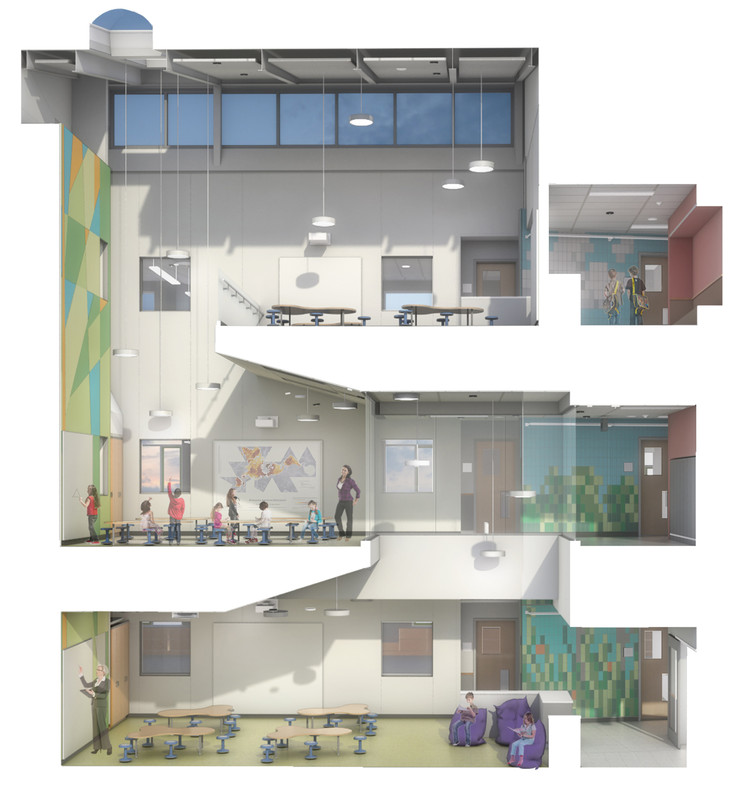
Within the architecture field, the relationship between design and education has gained prominence, especially when it comes to children’s education. The relationship between architecture, philosophy, and sociology is well known. Frequently, when designing, issues introduced by these fields work as tools to reflect upon the relationship between the space and the user. When we consider children’s education, we must go beyond ergonomics and think of architecture as an educational tool.