

-
Architects: Modern Office of Design and Architecture
- Area: 19400 ft²
- Year: 2021



Pablo van der Lugt is an architect, author and speaker. His research focuses on the potential of materials such as bamboo and mass timber for the construction sector, and their positive impacts on the world. “Throughout my professional career both in university (including my PhD research on the carbon footprint of engineered bamboo and wood) and industry the past 15 years I have found there are many misconceptions about these materials which hamper their large scale adoption. For this reason I ‘translated’ my research findings into two contemporary books for designers and architects about the potential of bamboo: Booming Bamboo, and engineered timber: Tomorrow’s Timber. They aim to dispel these myths and show the incredible potential of the latest generation of biobased building materials in the required transition to a carbon neutral, healthy and circular built environment.” We recently had the opportunity to talk with him about these topics. Read more below.
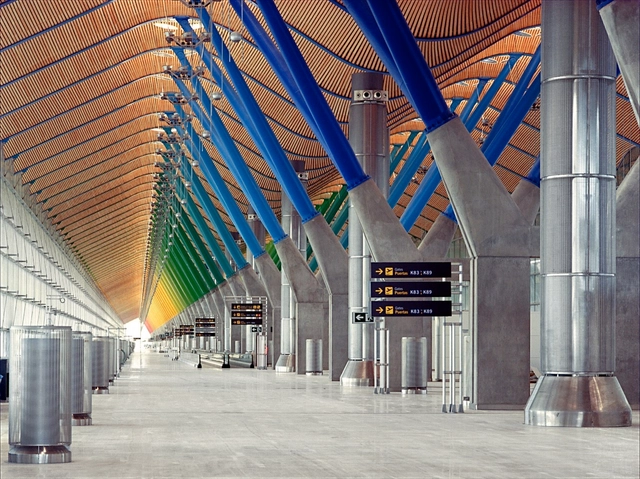
Airports require architectural solutions that not only respond to the efficiency of their spaces and circulations - both operational and passenger - but also to their connection with other transport systems and terminals.
Take a look at 10 airports/terminals and their plans and section below.
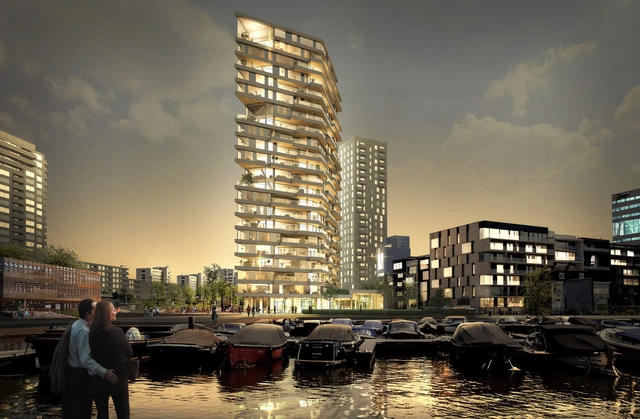
Across the globe, tall wood structures have begun transforming the world of skyscrapers and high-rise buildings, ushering in an important shift to an architectural practice that has traditionally been dominated by steel and concrete. Typically defined as wood-constructed buildings over 14 stories or 50 meters high, the past six years have seen over 44 tall wood buildings built or underway around the world. Notable examples include Michael Green Architecture and DLR Group’s T3 and Team V Architectuur’s upcoming 73 meter residential tower HAUT.
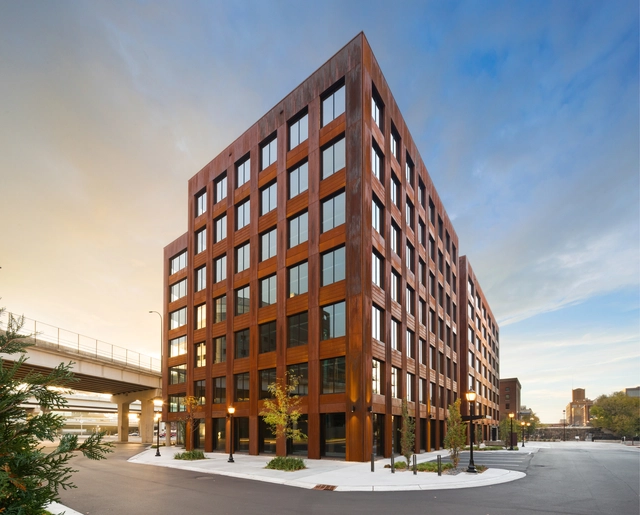
Structural timber is in the midst of a renaissance; an ironic trend given that timber is arguably the most ancient of building materials. But new innovations in structural timber design have inspired a range of boundary-pushing plans for the age-old material, including everything from bridges to skyscrapers. Even more crucially, these designs are on the path to realization, acceding to building codes that many (mistakenly) view as restrictive to the point of impossibility.
The timber structures of today aren't just breaking records - they're doing it without breaking the rules.
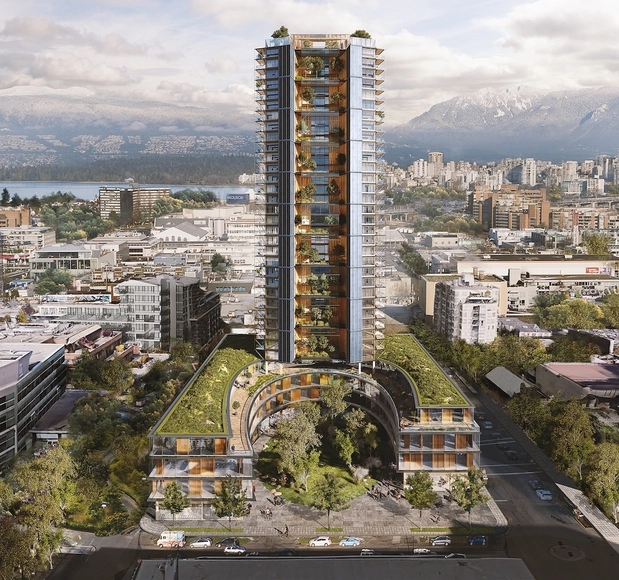
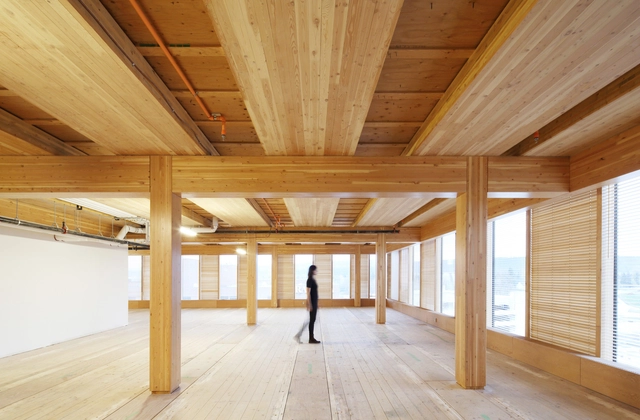
Tall timber buildings are on the rise. Design teams around the world are taking advantage of ever-evolving mass timber technologies, resulting in taller and taller structures. Building off our recent article exploring the future of high-rise buildings, we’re taking a deeper dive into new emerging timber technologies and the advantages of building taller with wood. This tutorial explores how to make tall timber structures a reality.
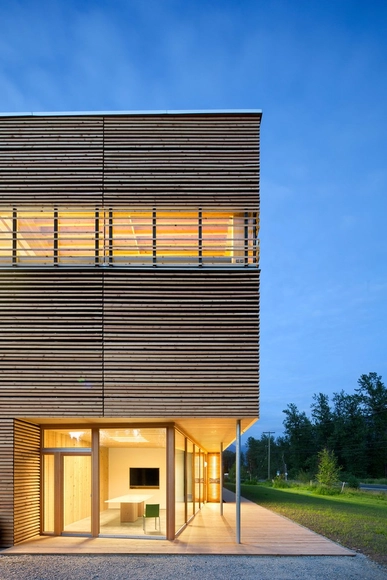
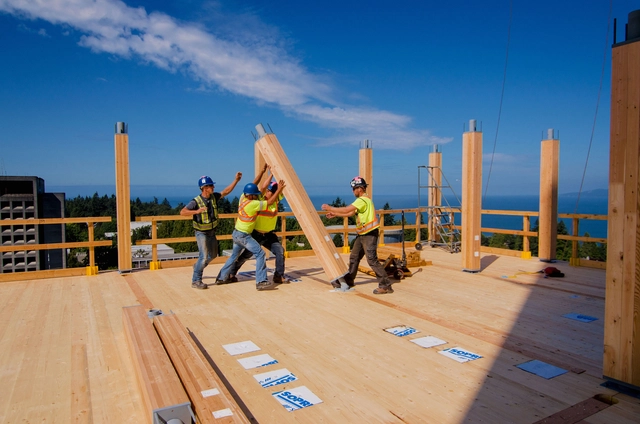
The history of timber construction stretches back as far as the Neolithic period, or potentially even earlier, when humans first began using wood to build shelters from the elements. The appearance of the first polished stone tools, such as knives and axes, then made wood handling more efficient and precise, increasing the thickness of wood sections and their resistance. Over the decades, the rustic appearance of these early constructions became increasingly orthogonal and clean, as a result of standardization, mass production, and the emergence of new styles and aesthetics.
Today we are experiencing another seminal moment within the evolution of timber. Nourished and strengthened by technological advances, new prefabrication systems, and a series of processes that increase its sustainability, safety, and efficiency, timber structures are popping up in the skylines of cities and in turn, is reconnecting our interior spaces with nature through the warmth, texture, and beauty of wood. Where will this path lead us? Below, we review 7 trends that suggest this progress is only set to continue, increasing both the capabilities and height of timber buildings in the years to come.
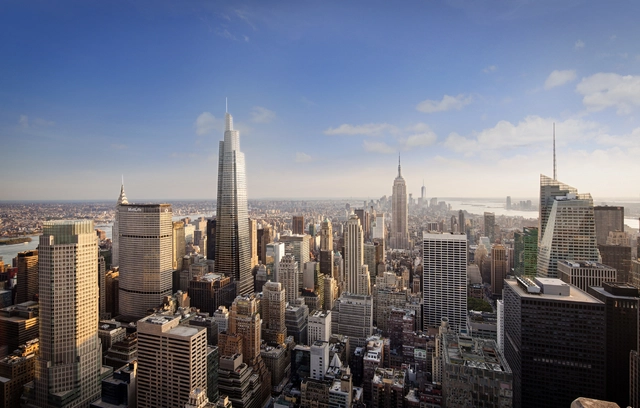
Last April, Mayor Bill de Blasio of New York announced plans to introduce a bill that would ban the construction of new all-glass buildings. Part of a larger effort to reduce citywide greenhouse emissions by 30 percent, other initiatives included using clean energy to power city operations, mandatory organics recycling, and reducing single-use plastic and processed meat purchases. The announcement came on the heels of the city council passing the Climate Mobilization Act, a sweeping response to the Paris Climate Agreement that included required green roofs on new constructions and emissions reductions on existing buildings.

The World's Greatest Places of 2019 list by Time magazine celebrates 100 destinations in the world to visit, stay, eat and drink. Selected by the global team of editors of the publication, the places have been evaluated based on quality, originality, innovation, sustainability and social impact.
We have shortened this list and selected the architectural projects that have previously appeared on ArchDaily. Read on for more details.