Ed Wonsek

BROWSE ALL FROM THIS PHOTOGRAPHER HERE
↓

What is the life cycle of urban play structures?

 | Sponsored Content
Audio available

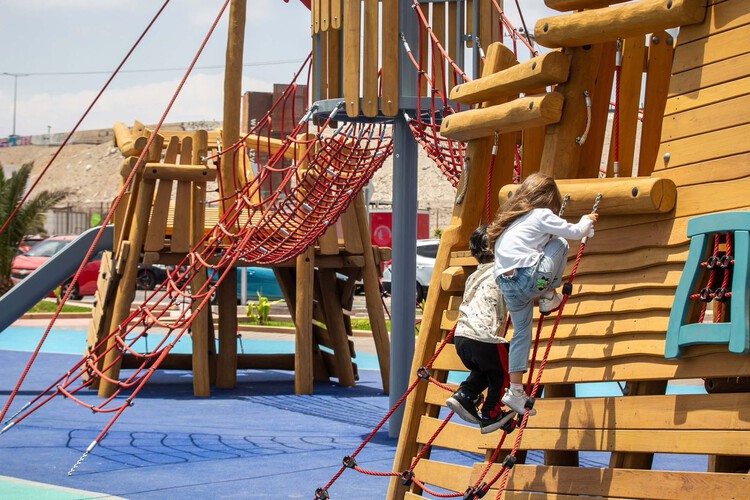
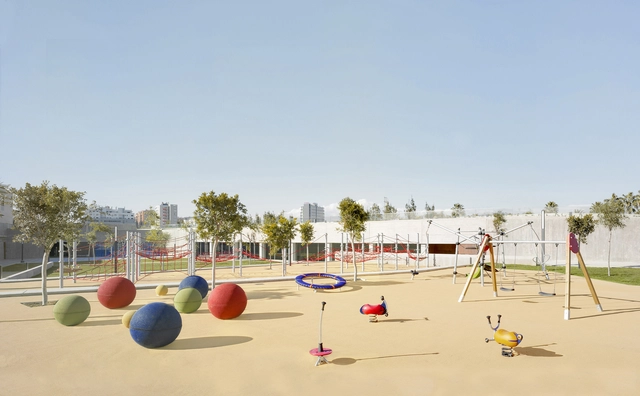
p>Understanding play as a social catalyst and an influential factor in defining public space, urban life is shaped by diverse individuals of different ages, cultures, ideologies, interests, classes, and social groups. Thinking about how play inhabits cities means thinking about all generations, and about the need to build public spaces with urban equipment designed to last and be maintained over time.

The performance of play structures invites us to review the different stages of their life cycle alongside their impact on shaping the urban environment. Analyzing the life cycle of urban play equipment involves understanding everything from materials, durability, and maintenance to the role of certifications and technologies applied in their production process, within environments that are increasingly conscious of their environmental impact.

What is the life cycle of urban play structures? - More Images+ 15

Learning through Play: How Does Playground Equipment Influence Childhood Development?

Subscriber Access | 

Play represents a key opportunity for children to acquire skills and knowledge in a natural and engaging way. Among the key innovations in early childhood and primary education, play stands out as a central axis of the learning process, serving as a fundamental pedagogical principle to achieve educational goals. Combining play with outdoor learning fosters exploration, experimentation, sensory stimulation, and motor development during childhood.

Featuring diverse materials, designs, and dynamics, the playground equipment represented by Urbanplay fosters open, spontaneous interactions, providing children with spaces to take risks, explore, and connect with nature.

Chimneys, Overhangs and Anchors: The Architecture of Climbing Gyms

Subscriber Access | 

Climbers embrace their own type of architecture. Between barn doors, mantels and multi-pitch routes, rock climbing and bouldering take on a range of surfaces, materials and structures, whether outside or indoors. Today, more recreational centers and sports facilities are including climbing walls as the sport grows in popularity. As spaces to build strength and unwind, climbing gyms are built as their own interior worlds to explore. 

Chimneys, Overhangs and Anchors: The Architecture of Climbing Gyms - More Images+ 12

Poorly Designed Acoustics in Schools Affect Learning Efficiency and Well-being

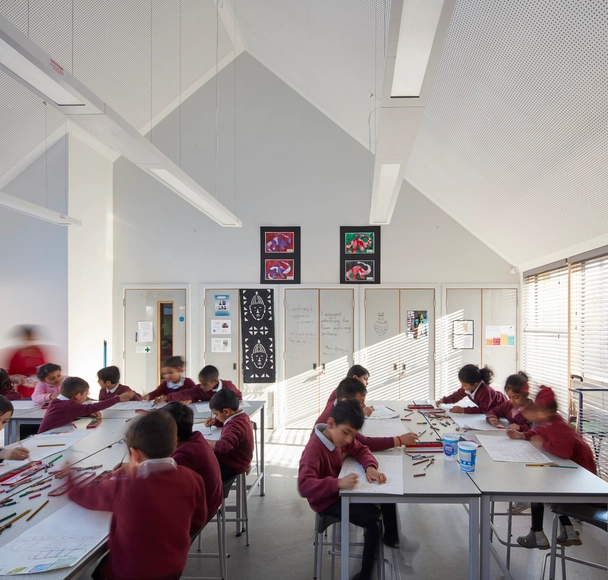
Few things irritate us more than exposure to excessive noise or inability to hear what we need to hear. Whether it's a nearby construction site, highway traffic, air conditioning, or a neighbor learning saxophone, research shows that noise can contribute to cardiovascular disease, high blood pressure, headaches, hormonal changes, sleep disturbance, reduced physical and mental performance, and the reduction of well-being. On the other hand, in an acoustically "comfortable" environment, in addition to listening to what we want, we focus better and feel calmer.

The concern about creating acoustically comfortable environments is often relegated to cinemas, concert halls and recording studios. But it is particularly important in learning environments, such as classrooms, as it directly influences the teaching-learning relationship. Acoustic discomfort can harm the process of knowledge acquisition, interfering with attention and worsening student-teacher communication.

Poorly Designed Acoustics in Schools Affect Learning Efficiency and Well-being - More Images+ 4

Schools of the Future: How Furniture Influences Learning

Subscriber Access | 

It is a student's right to be educated in a safe, healthy, and even aesthetically appealing environment, especially young students for whom these factors are even more important. For example, it has been shown that when the ergonomics of chairs are inadequate, they can greatly affect levels of concentration and the development of skills such as calligraphy. At the same time, the effectiveness of traditional teaching methods is increasingly being questioned and the quality of alternative methodologies increasingly being considered. In other articles, we discussed in more detail the design of Montessori schools and the atmosphere of Waldorf interiors.

Today, we will cover the importance of choosing furniture and address some aspects to consider when organizing them in classroom design for the schools of the future.

Schools of the Future: How Furniture Influences Learning - More Images+ 12

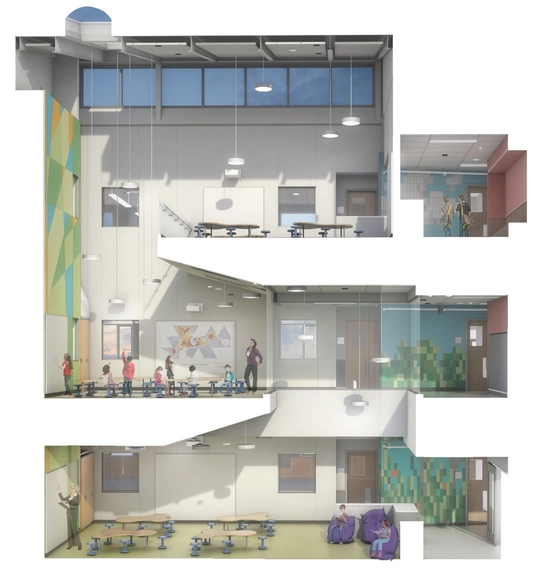
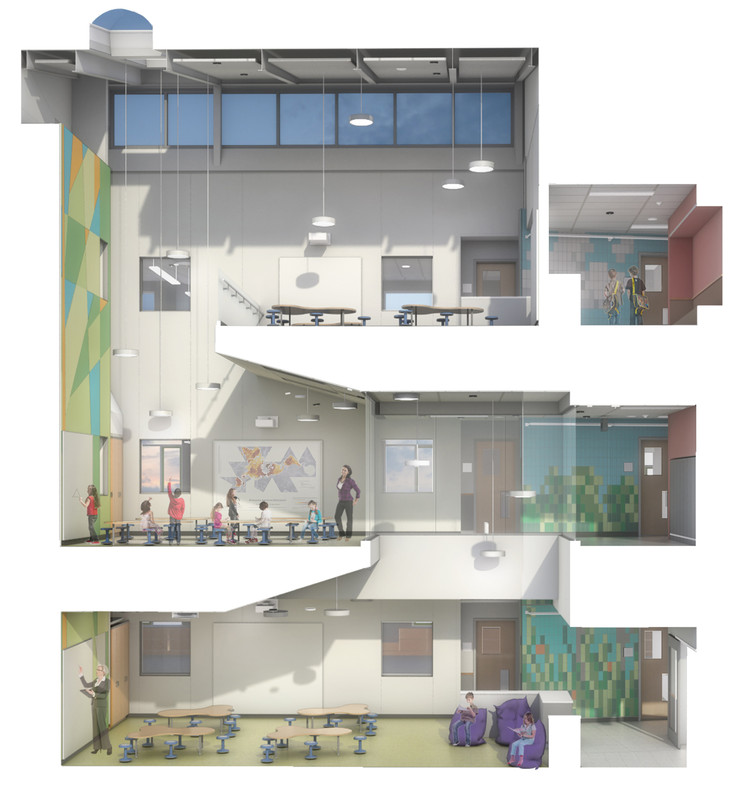
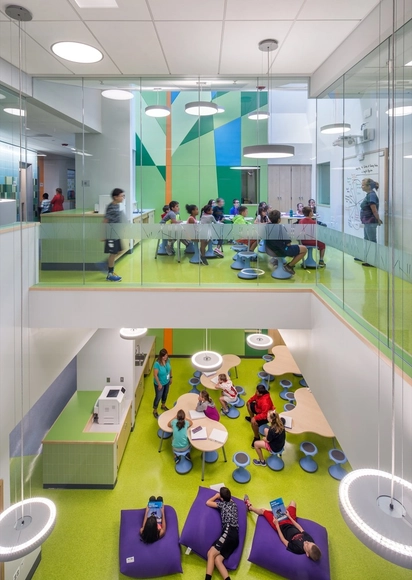
Woodland Elementary School / HMFH Architects

Woodland Elementary School / HMFH Architects - More Images+ 20

Brooklyn Boulders / Arrowstreet + Chris Ryan

Brooklyn Boulders  / Arrowstreet + Chris Ryan - More Images+ 2

Center for Life Science | Boston / Tsoi/Kobus & Associates

Center for Life Science | Boston / Tsoi/Kobus & Associates - More Images+ 24

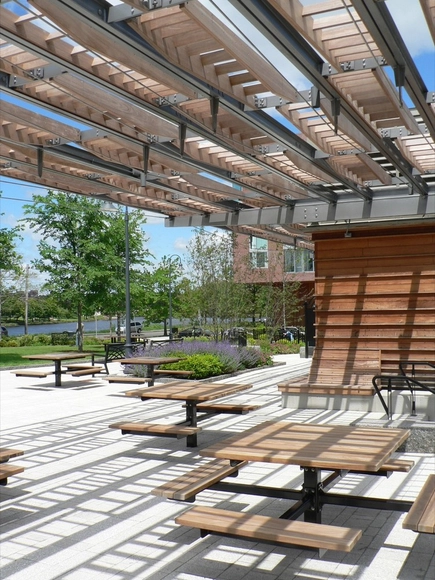
Riverside Park Pavilion / Touloukian Touloukian Inc.

Riverside Park Pavilion / Touloukian Touloukian Inc. - More Images+ 5