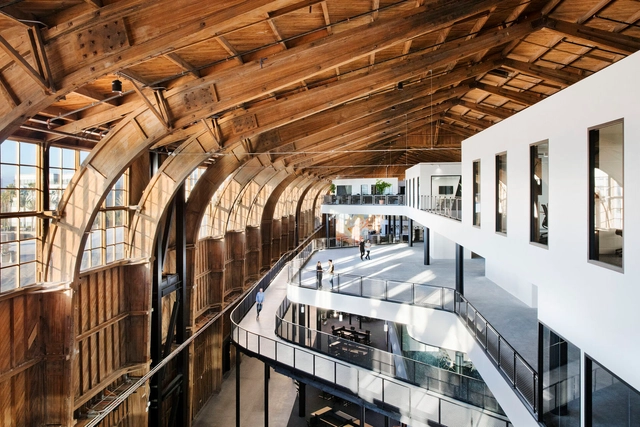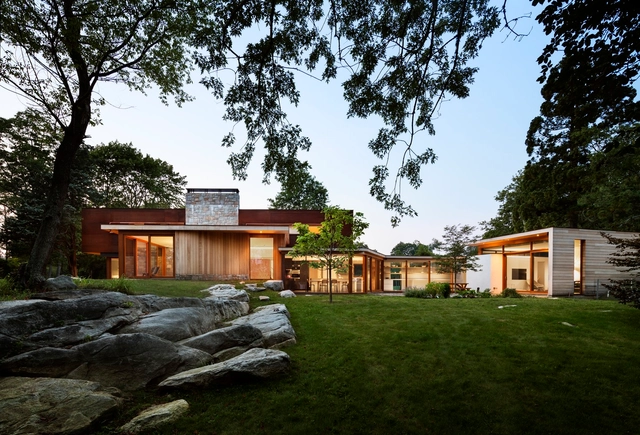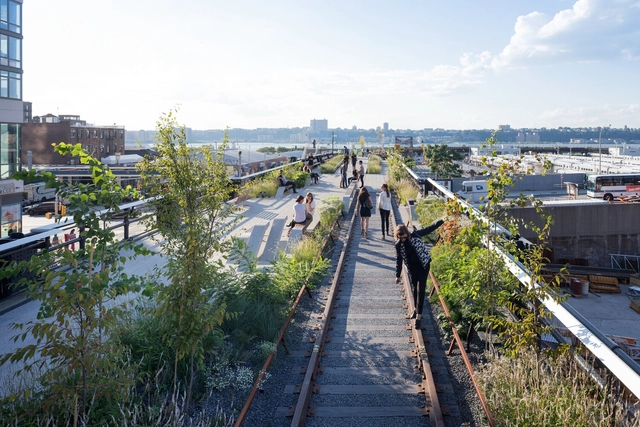
Hangar architecture is a relatively new building type. Ever since the Wright brothers stored and repaired their aircraft in a wooden hangar constructed in 1902, designers and builders have continued to rethink what these structures can be. Beyond actual airports and terminals, hangars are unique in that they're purpose-built to hold an aircraft or spacecraft. Today, how can this building type be challenged and reimagined?
Under the latest round of NYC's Department of Design and Construction (DDC) Project Excellence Program, Commissioner Thomas Foley has announced that the agency has selected 20 firms to provide architectural design services for New York City’s future public buildings project. 10 of the selected firms are certified Minority- and Women-Owned Business Enterprises (M/WBEs), meeting the city’s ambitious goals of supporting M/WBEs and increasing its ability to generate culturally competent designs.
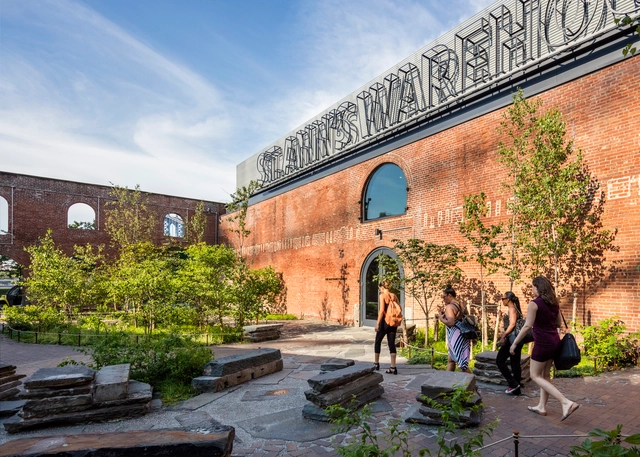
Building Information Modeling (BIM) is an increasingly common acronym among architects. Most offices and professionals are already migrating or planning to switch to this system, which represents digitally the physical and functional characteristics of a building, integrating various information about all components present in a project. Through BIM software it is possible to digitally create one or more accurate virtual models of a building, which provides greater cost control and efficiency in the work. It is also possible to simulate the building, understanding its behavior before the start of construction and supporting the project throughout its phases, including after construction or dismantling and demolition.
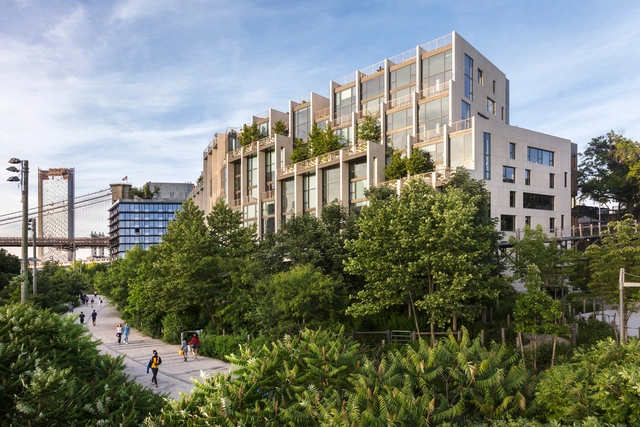
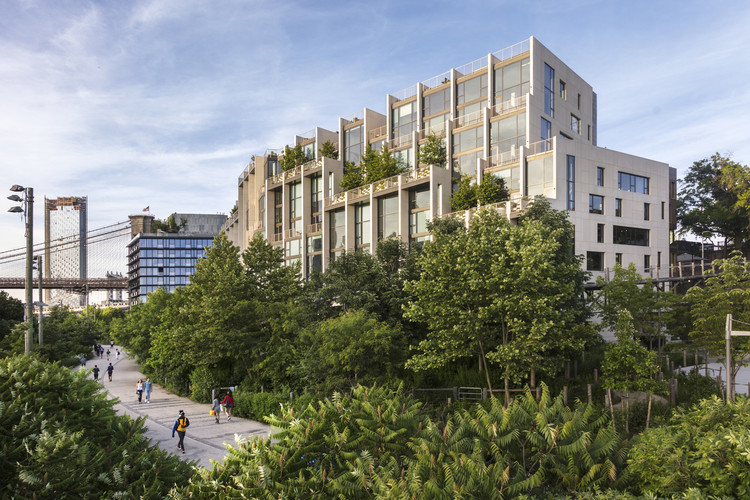
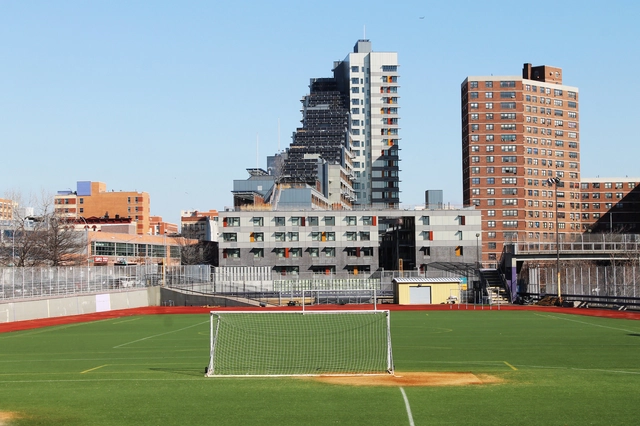
Two years after the completion of Grimshaw and Dattner's acclaimed Via Verde ("Green Way"), no successors have even been proposed for this supposed model for the design and construction of new affordable housing. In this article, David Bench returns to the site, finding that the sustainable project's lack of impact is caused by a completely different type of "green."
Affordable housing is the quest of every New Yorker. The routes to finding it are mysterious and widely misunderstood, as they are made up of a myriad of buildings, programmes, and rules that have failed to keep pace with the production of luxury housing and gentrification of middle class neighbourhoods in the city. This apartment anxiety has led to such amusing and fateful reactions as the creation of the Rent is Too Damn High political party – whose name speaks for itself – and an economic narrative that propelled Bill de Blasio from a long-shot mayoral candidacy to an overwhelming majority on election day in 2013. Soon after taking office, de Blasio unveiled the most ambitious affordable housing program in generations, which aims to build or preserve 200,000 units in the next decade.