Chiara Ye

BROWSE ALL FROM THIS PHOTOGRAPHER HERE

How to Stimulate Children's Autonomy Through Architecture and the Montessori Method

Subscriber Access | 

Maria Montessori began to develop her educational method at the beginning of the 20th century. In general terms, the method is a scientific pedagogy that promotes an education that positively contributes to the development of children's brains, respecting their individuality and stimulating their autonomy, self-esteem, and self-confidence. 

Although the method was created in the last century, science is currently beginning to test much of the information investigated by Maria Montessori. For this reason, it is  increasingly being applied to architecture for children’s educational spaces, improving the quality of children's learning and development and providing them with better tools for their future lives.

Children's Scale: A Brief History of Kid's Furniture

Children's Scale: A Brief History of Kid's Furniture - More Images+ 48

Children's furniture is all furniture –fixed or mobile– that is designed according to the ergonomic guidelines and anatomical dimensions of children specifically. Following this definition, we can identify two types of furniture: (1) those that facilitate a relationship between the caregiver and the child, and (2) those that allow the child to use them independently.

The big difference between these two types is that the first has dimensions that mainly adapt to the ergonomics of the adult, while the second is designed to meet the ergonomic needs of the child at each stage of their development. Since the growth of children occurs relatively quickly, it is common for the furniture of this second group to be multifunctional or even extendable.

Neuroarchitecture Applied in Children's Design

Subscriber Access | 

Neuroarchitecture Applied in Children's Design - Image 1 of 4Neuroarchitecture Applied in Children's Design - Image 2 of 4Neuroarchitecture Applied in Children's Design - Image 3 of 4Neuroarchitecture Applied in Children's Design - Image 4 of 4Neuroarchitecture Applied in Children's Design - More Images+ 16

It is unquestionable that environments directly influence the behavior and emotions of their users. Human beings spend approximately 90% of their lives indoors, making it imperative that the spaces we inhabit stimulate positive behavior and emotions, or at least don't influence us negatively. There exists a specific term describing the stimuli that the brain receives from its environment: neuroarchitecture. Several studies have been published on this topic, most focusing on its impact on work environments. This article approaches this concept through a different, yet essential lens: emphasizing its importance in the design of spaces for children in early childhood.

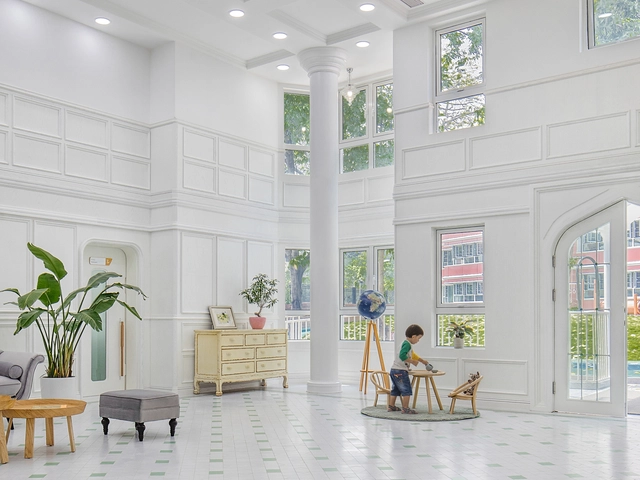
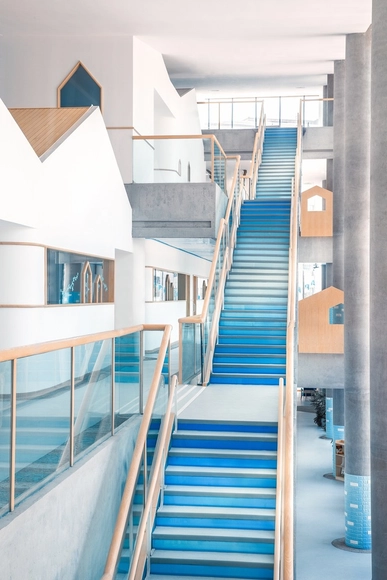
Peninsula Jingshan Kindergarten / ArkA

Peninsula Jingshan Kindergarten / ArkA - More Images+ 35

  • Interior Designers: ArkA
  • Area Area of this architecture project Area:  8884
  • Year Completion year of this architecture project Year:  2019

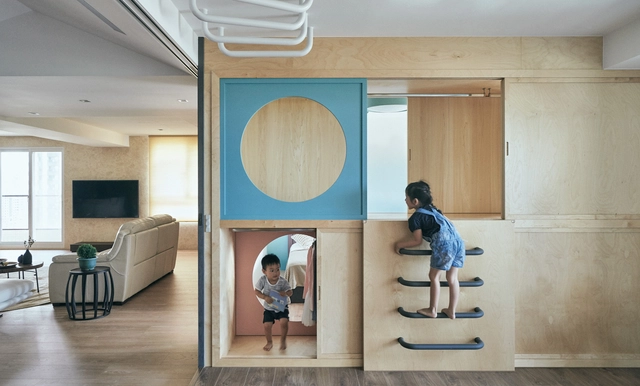
TZ Office / AE Architects

TZ Office / AE Architects - More Images+ 20

  • Interior Designers: AE Architects
  • Area Area of this architecture project Area:  400
  • Year Completion year of this architecture project Year:  2018
  • Manufacturers Brands with products used in this architecture project
    Manufacturers:  Beibo Glass, Kodin, TISCO

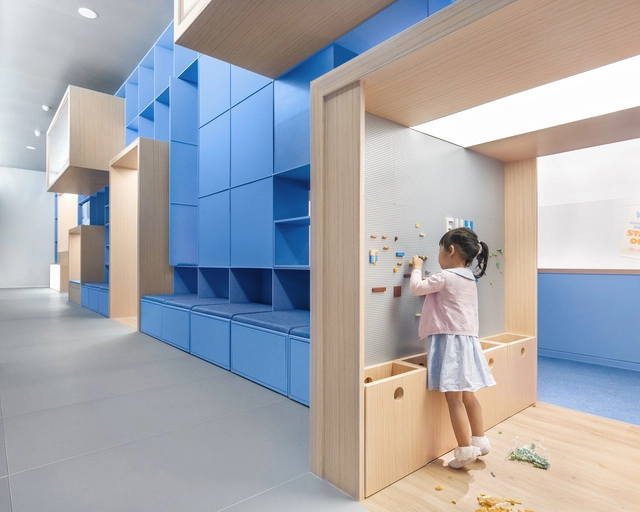
Montessori Kindergarten / ArkA

Montessori Kindergarten / ArkA - More Images+ 15

  • Interior Designers: ArkA
  • Area Area of this architecture project Area:  8000
  • Year Completion year of this architecture project Year:  2017
  • Manufacturers Brands with products used in this architecture project
    Manufacturers:  Forbo Flooring Systems, OXO