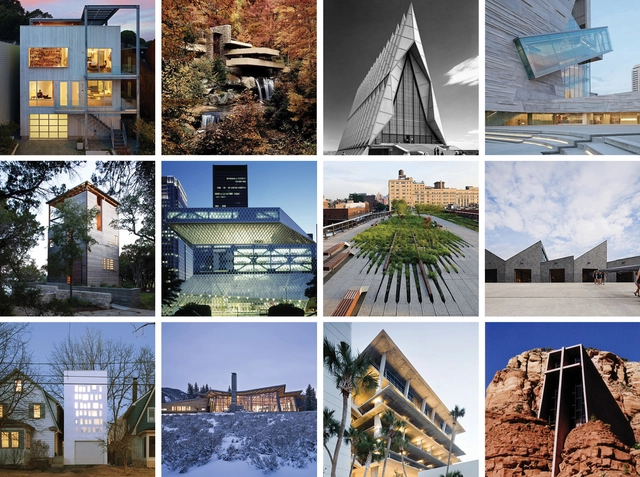
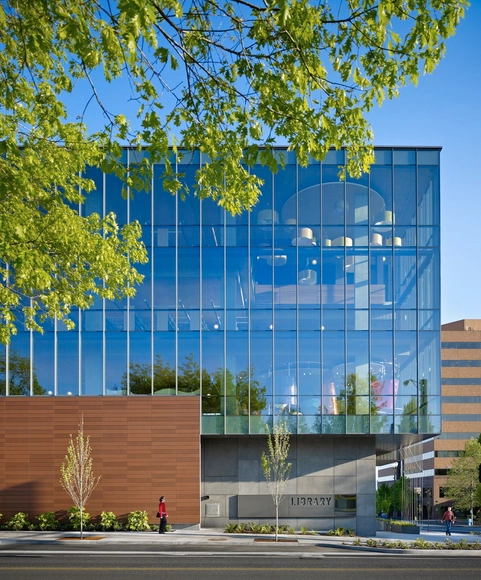
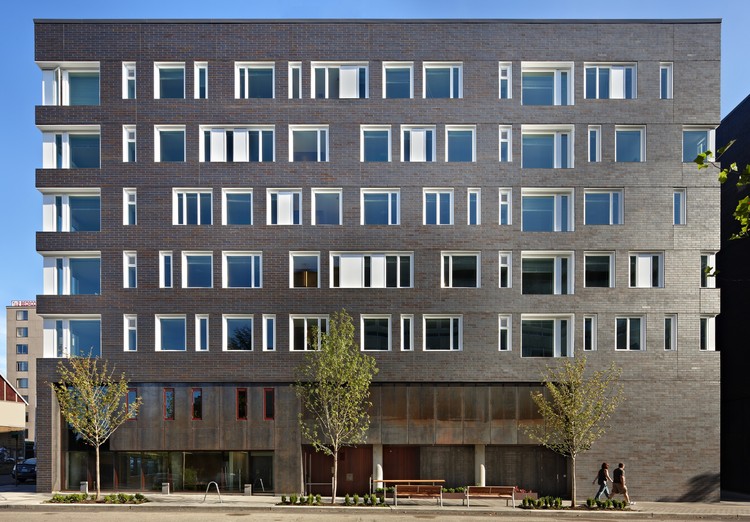
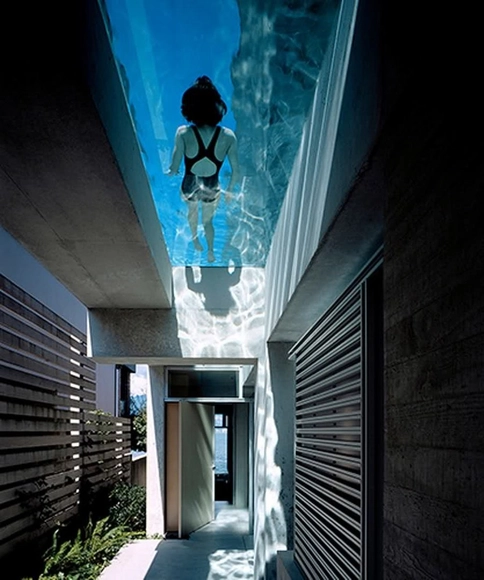
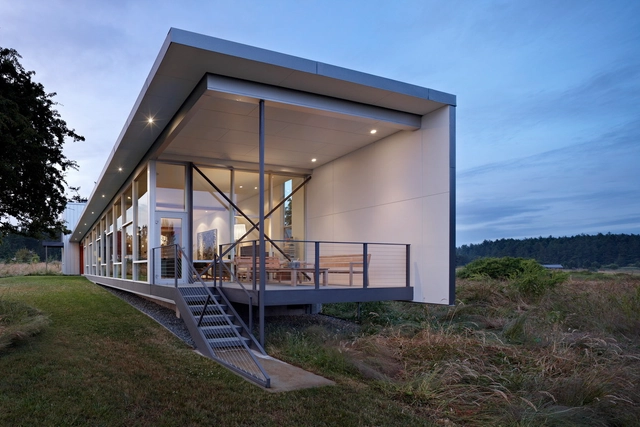
Happy 4th of July! To celebrate the USA's Independence Day, our editors have selected their favorite projects located in the USA, from architecture classics to extraordinary newcomers. Enjoy them all, after the break!
The following 20 articles are what we at ArchDaily consider the Best of 2013. They may not have received the most traffic, but they posed fascinating theories about the state of architecture and urbanism today, they gave us insight into the creative processes of innovative architects (from Bjarke Ingels to Peter Zumthor) and, most of all, they provoked us to question: What does architecture mean? For us architects, and for the world?
From Atlanta's Beltline to Los Angeles' Spring Street "Parklets," architecture and design is increasingly more relevant in the fight against obesity and chronic disease, conditions which have reached epidemic levels in the United States. In the article, "Toward a Fit Nation," the AIA and FitNation identify 18 projects from around the country, ranging from large complexes to temporal installations, that encourage physical activity and healthy lifestyles. The AIA National Headquarters will be curating the FitNation exhibit till January 31, 3014. Read the article here.
https://www.archdaily.com/451594/toward-a-fit-nation-18-projects-that-promote-healthy-lifestylesJose Luis Gabriel Cruz
The 2010 launch of the “Boris Bike” - London’s cycle hire scheme, named after mayor Boris Johnson – was the clearest indication to date that cycling was no longer just for a minority of fanatics but a healthy, efficient and sustainable mode of transport that city planners wanted in their armoury. There are now more than 8,000 Boris Bikes and 550+ docking stations in Central London. And the trend’s not anomalous to London: Wikipedia reports that there are 535 cycle-share schemes in 49 countries, employing more than half a million bikes worldwide.
However, the real question is: will cycling actually change the city? Will it result in new urban forms or, as the title of Australian academic Dr Steven Fleming’s new book predicts, a “Cycle Space”? Like Fleming, I believe so. I believe that cycling might just be the catalyst for a 21st Century urban renaissance.
In our last Editorial, "Post-Traumatic Design: How to Design Schools that Heal Past Wounds and Prevent Future Violence," we discussed how architects must conceptualize school design in the wake of the tragic shootings that have affected our nation. Rather than leaning towards overly secure, prison-like structures, the Editorial suggested a different model, one better suited to dealing with student needs (particularly for those who have experienced trauma): domestic violence shelters.
While the comparison may seem bizarre at first, shelter design is all about implementing un-invasive security measures that could easily make schools safer, healthier spaces for students. To further elaborate this unlikely connection, we spoke with an Associate at Mahlum Architecture, Corrie Rosen, who for the last 6 years has worked with the The Washington State Coalition Against Domestic Violence [WSCADV] on the Building Dignity project, which provides Domestic Violence Shelters advice to design shelters that empower and heal.
Find out Corrie Rosen's 8 strategies for designing schools that can improve security and student well-being, after the break...