

-
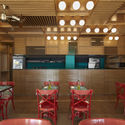
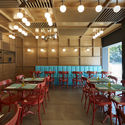
Interior Designers: Golucci Interior Architects
- Area: 150 m²
- Year: 2018
-
Manufacturers: Dulux, Golucci




Opening its doors last fall, Princeton University's Lewis Arts Complex by Steven Holl Architects and BNIM created a new campus gateway and state-of-the-art facilities for the arts. Expanding performance, rehearsal and teaching spaces, the complex has now been featured in a video directed by Spirit of Space. The footage shows how the building was designed to shape campus space while maximizing porosity and movement. Welcoming its second year of students, the complex is made to take the arts at Princeton to even greater heights.
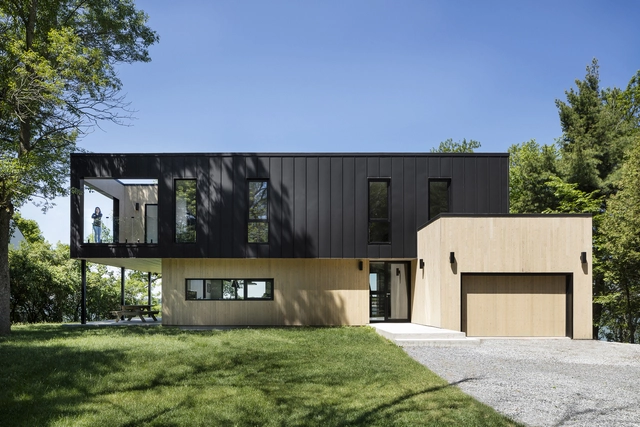

BIG’s “unzipped wall,” which served as the 2016 Serpentine Pavilion in London, has been opened to the public in Toronto under the new title “Unzipped.” Having been transported to the city and rebuilt in collaboration with Westbank, new photographs by Derek Shapton show the completed pavilion standing as a temporary place of showcase and events in downtown Toronto.
“Unzipped” is the first Serpentine Pavilion to embark on a multi-city tour of this kind, before ultimately landing in a permanent home on the Vancouver waterfront.


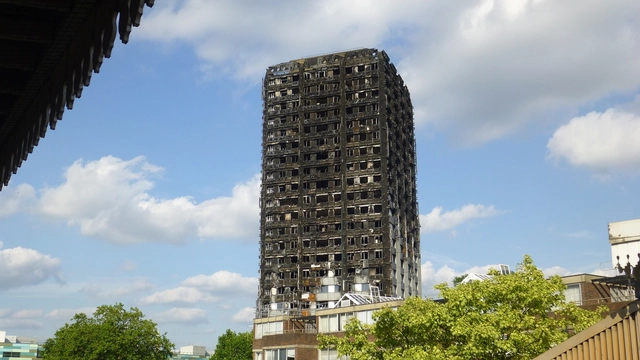
Following the Grenfell Tower fire in June 2017, which claimed 72 lives, the RIBA has launched a consultation for a new “Plan of Work for Fire Safety.”
Having consistently called for changes to building regulations in the wake of the tragedy, the organization has produced the document in response to Dame Judith Hackitt’s Independent Review of Building Regulations and Fire Safety, and her call for “greater transparency, accountability, and collaboration” from the industry.
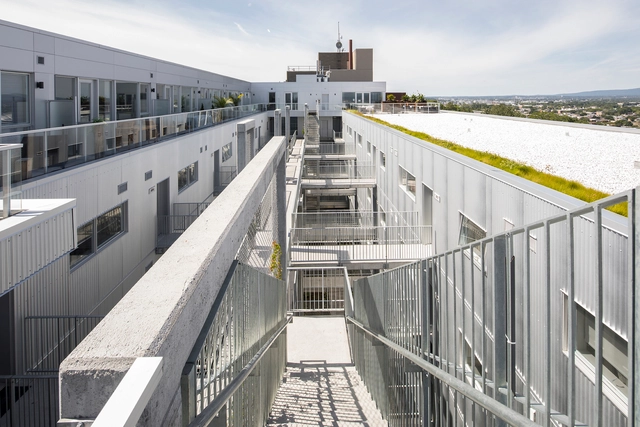
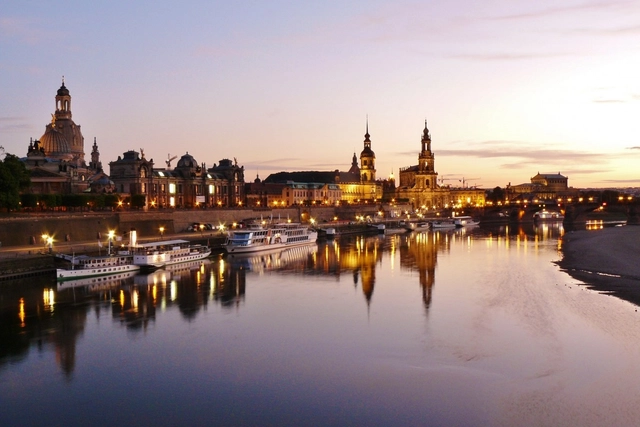
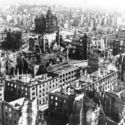
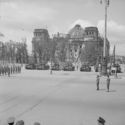
Every city has a story. Throughout history, many natural and man-made changes have altered the way cities were originally laid out. For some, the urban form developed as a result of political disputes, religious separations, or class divides. For others, a more mixed approach has allowed for uniquely mixed cultural atmospheres. And while development of cities is typically slow, occasionally cities experience dramatic and immediate changes to the urban fabric - the results of natural disaster, military conflict, or industrial catastrophe.
What happens next - if anything - can reveal a great deal about not just the city itself, but the local culture. Do cities rebuild exactly as they were? Or do they use disaster as an opportunity to reinvent themselves? The following is a roundup of cities that have moved past catastrophe to be reborn from the ashes.

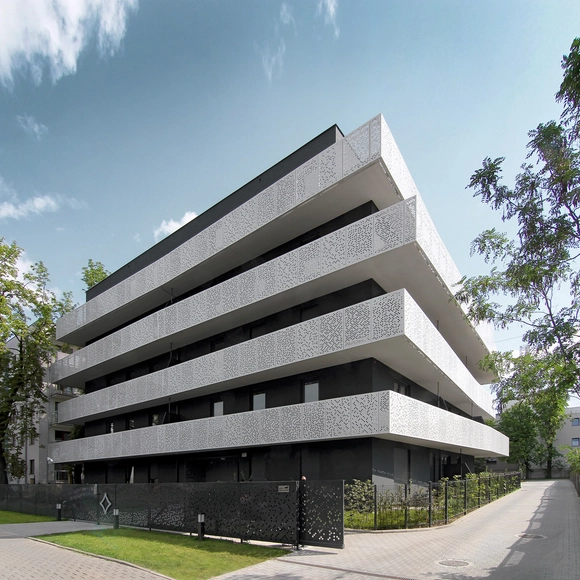

Lanmar Services’ CTO Larry Kleinkemper, AIA, creates 3D laser scans and BIM project files for some of the world’s leading architecture firms and their high-profile projects. Because of these massive data sets, Lanmar demands the best CAD computer workstations available. In this must-see video, Kleinkemper compares two workstations recommended by their respective manufacturers as optimal Autodesk Revit solutions.
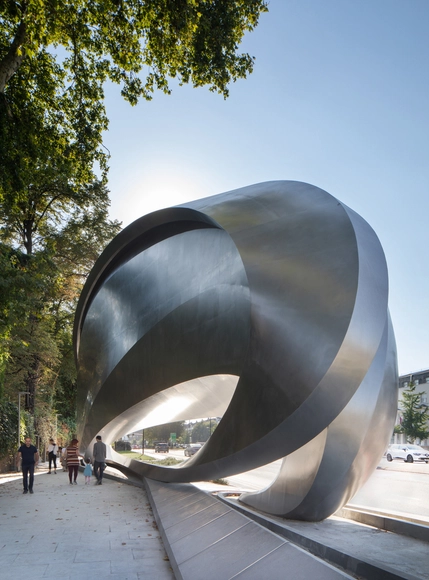















PaulWarchol.jpg?1537282894 "Lewis Arts Complex, Princeton University. Image © Paul Warchol")