

-
Architects: Nommo Arquitetos
- Area: 392 m²
- Year: 2018
-
Manufacturers: Decorea, Revestone

Cities can be considered humanity's major economic, social, technological, and cultural centers, given their diverse functions and importance to their citizens' quality of life. According to United Nations data (2017), currently, more than half of the world's population lives in cities or urbanized centers, and this figure is expected to grow to around 70% by 2050. Furthermore, in late 2015, the United Nations (UN) launched the 17 Sustainable Development Goals (SDGs) to be achieved by all countries by 2030. Given the importance of cities, SDG 11, "Sustainable Cities and Communities," is dedicated to this agenda, seeking to ensure that cities and human settlements find ways to be inclusive, safe, resilient, and sustainable.
Last week, we announced the 15 finalists for the 2020 Obra do Ano, an award celebrating the best of Lusophone architecture by inviting our readers to choose their favorite projects built in Portuguese-speaking countries. Today, it is time to reveal the winners of ODA 2020.
Escola da Cidade is once again hosting its Seminar on Culture and Contemporary Reality as open, public livestreams. In today's episode, Guilherme Wisnik welcomes Giselle Beiguelman for a conversation inspired by the series Coronavida, published in seLecT magazine.
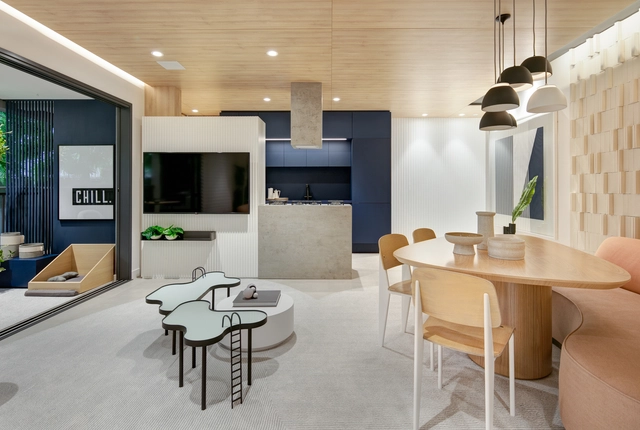

On the first of this month, São Caetano do Sul (SP) implemented free fares on municipal buses through its "Zero Fare Program." Far from an isolated initiative, the measure aims to encourage public transportation use, providing direct savings to residents while improving air quality.
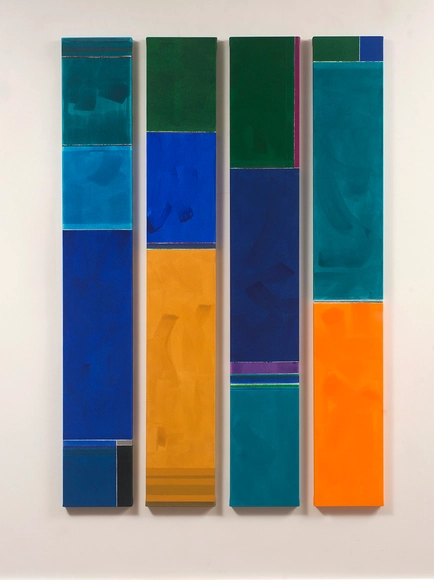
“Renata Cazzani: Chromatic Pulsations”
The artist presents 20 new paintings at Galeria Patricia Costa,
curated by Vanda Klabin
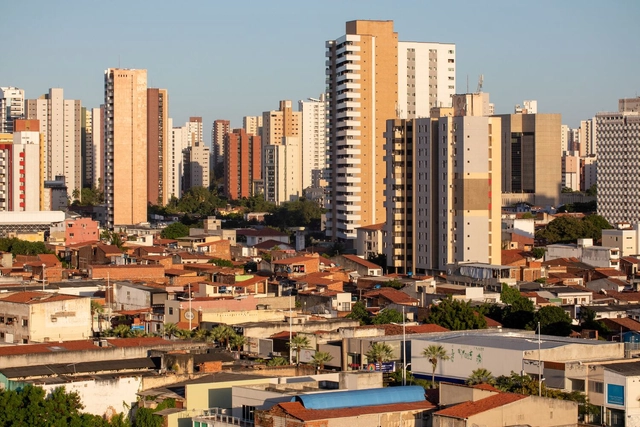
The ten cities selected to compete for $9 million in the Sustainable Cities Challenge, a global mobility initiative by the Toyota Mobility Foundation in partnership with Challenge Works and the World Resources Institute, have been announced. The list of selected cities includes Fortaleza, Brazil, as well as cities in Colombia, India, Italy, Malaysia, Mexico, the United Kingdom, and the United States.
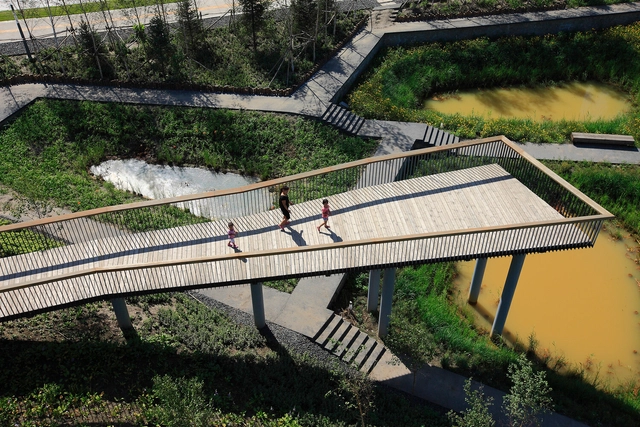
The climate emergency manifests itself in Brazilian cities in various ways: floods in the South, coastal surges in Rio de Janeiro, storms causing power outages in São Paulo, wildfire smoke in Manaus, droughts in Amazonian rivers, and heatwaves in the Midwest. Therefore, integrating the fight against climate change into public planning is crucial.

Lima has many more sunny days than its inhabitants let on. The urban layout of its historic center is the most Cartesian in South America, yet migration has generated an informal, heterodox, and radical periphery. Its society lives in a state of constant commercial frenzy, while maintaining the continent's oldest traditions. While its best-known architecture is viceregal and republican, pre-Columbian ruins are scattered throughout the city.

The COVID-19 pandemic is characterized by the vast territorial scope of its contagion. This is not an epidemic confined to a single specific location. Instead, transmission spreads rapidly, exploiting the highly urbanized world we inhabit. The virus spreads through gatherings in public spaces and private service facilities, transit terminals and stations, precarious settlements lacking sanitation, and, ultimately, the intense national and international flow of people and goods across the global network of cities. Airports acted as the primary gateway for the virus worldwide. Yet, the network of informal workers who roam city streets delivering goods during the pandemic—keeping commerce alive—represents one of the most vulnerable dimensions of this risk. However, while urban life has facilitated transmission, certain urbanization patterns can also help combat it.

Brazilian architect Marcelo Ferraz, founder of the firm Brasil Arquitetura, is the first guest on Studio Casa, an interview series produced by Casa da Arquitectura - Portuguese Center for Architecture.
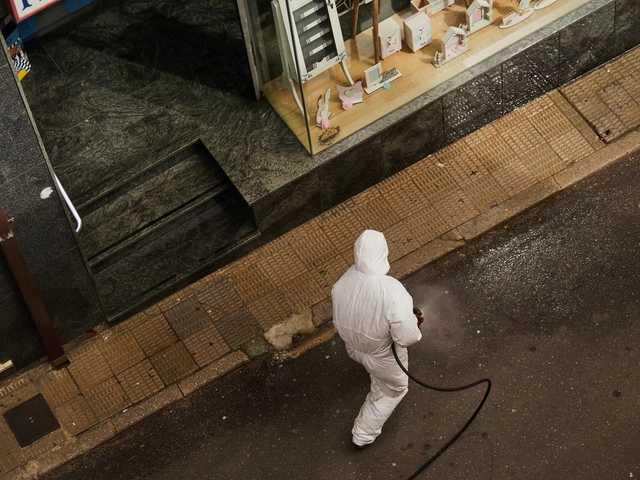
How can you protect yourself from the coronavirus on the street, upon arriving home, and inside your own home? The 'Urbanistas contra o Corona' (Urbanists Against Corona) network has developed a guide to instruct the public in each of these situations. The illustrated publication lists prevention measures and categorizes contamination risks when on the street (high), returning home (medium), and within the private space of the home (low).

In response to a request from the Council of Architecture and Urbanism, Banco do Brasil has announced a package of measures with special conditions to support architects, urban planners, and companies in the sector during this period of economic impact caused by the coronavirus.
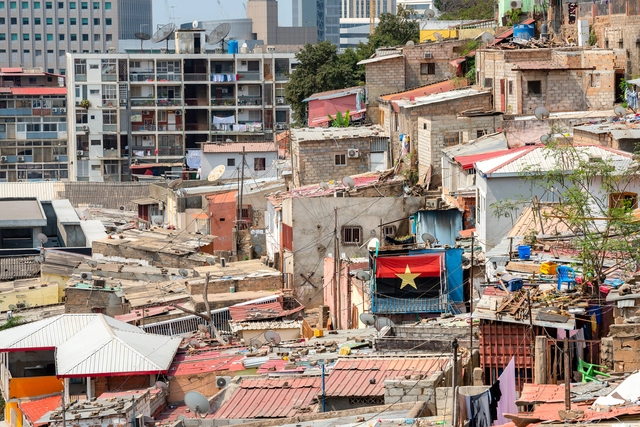
This article offers an observation and analysis of the diverse forms of land occupation and use within informal or self-built urban fabrics on the outskirts of Luanda, examining their relationship with the Angolan capital's consolidated urban core.