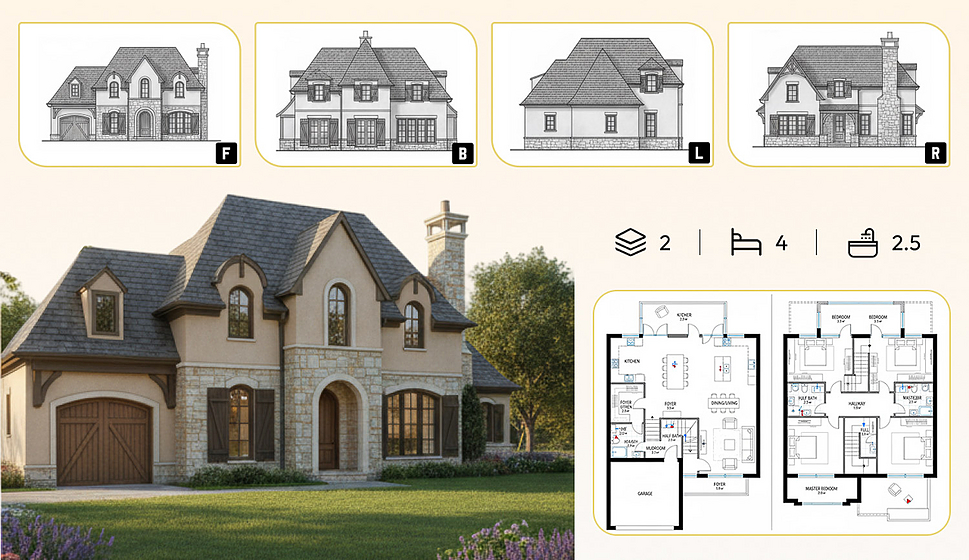
This guide covers a workflow that moves from project parameters to generated floor plans, 3D perspective views, exterior design exploration, and site context visualization, using AI tools in place of preliminary CAD and rendering work.
This guide covers a workflow that moves from project parameters to generated floor plans, 3D perspective views, exterior design exploration, and site context visualization, using AI tools in place of preliminary CAD and rendering work.
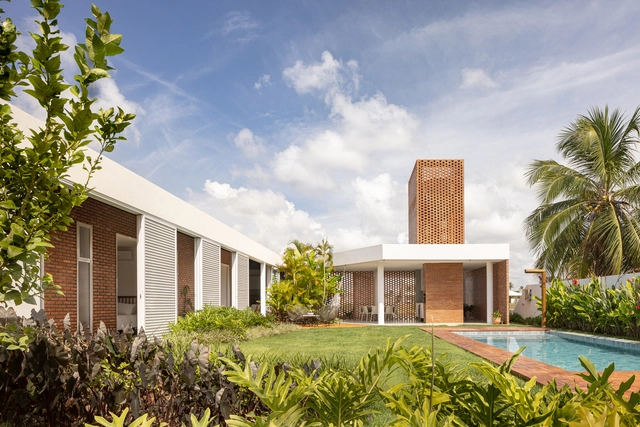
Review the best of architecture from the past week according to our readers and editors, featuring this selection of the most read articles, most visited projects, and most popular products on ArchDaily Brasil.
To make sure you don't miss the best of each week, subscribe to our weekly newsletter and receive these and other updates on architecture, cities, and the built environment directly in your inbox.
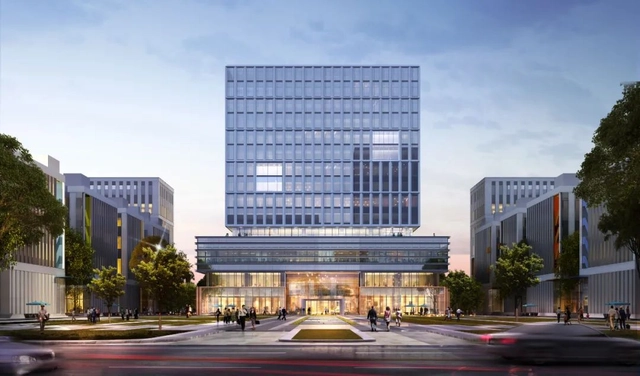
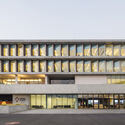
FTA Group (FTA Group GmbH) entered China in 2003, with its headquarters in Shanghai. FTA focuses on the design of offices and industrial innovation districts. Advocating for integrated services that span consulting, master planning, architecture, interior design, and landscape architecture, FTA is committed to integrating global resources, technologies, and teams to build impactful industrial communities and innovation hubs. Having designed over 1,000 office and innovation park projects, FTA has developed specialized product lines tailored to various industrial sectors, such as biopharmaceuticals, the digital economy, information technology, and artificial intelligence—with biopharmaceutical industrial parks standing out as one of its most representative sectors.
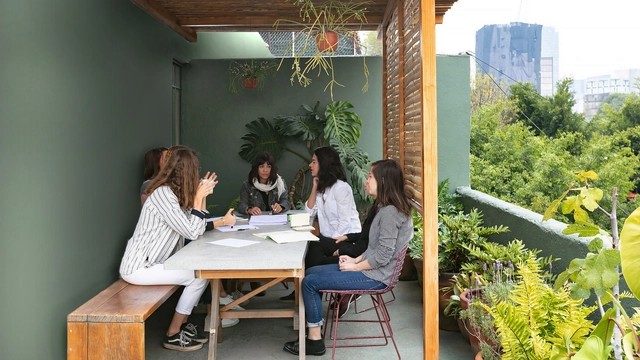
In this episode of Arquicast, a conversation with architects Liz Valente and Larissa Fioravante revisits the topic of work environments in architecture, bringing a new perspective to some of the discussions addressed in episode 214. The momentum for this "part 2" came from provocative comments from the audience, which prompted a deeper and more diverse reflection on the daily life of the profession. The participants shared their personal career paths, shaped by internships, experience in offices, the classroom, and even personal ventures.
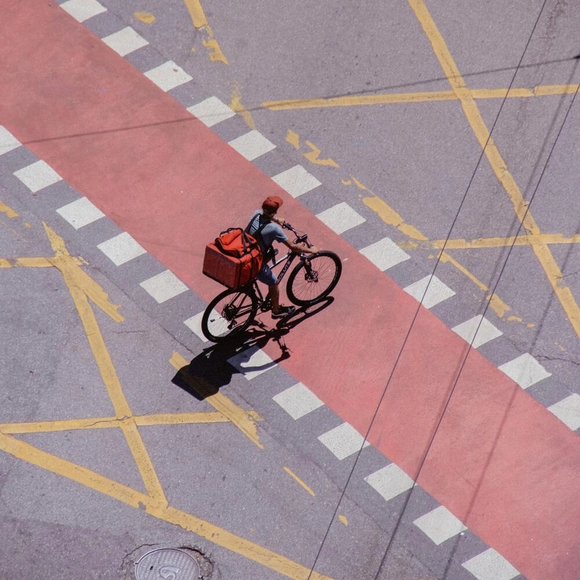
Bike lanes, with their distinct paths and dedicated signage, have increasingly shaped the urban landscape of many cities around the world. Their impacts range from reducing vehicular traffic to promoting healthier and more sustainable lifestyles. Episode 212 of Arquicast addresses this crucial topic, featuring architect and transportation engineering expert Janaína Amorim, a partner at Metrics Mobilidade. The discussion explored global best practices, design and architectural trends, and the impact of bicycle infrastructure on public health.
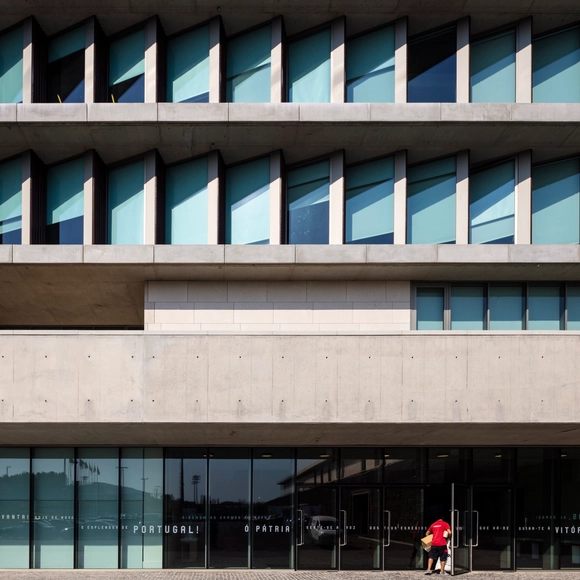
No País dos Arquitectos is a podcast created by Sara Nunes, who is also responsible for the architectural film production company Building Pictures. The podcast aims to profile the professionals, projects, and stories behind Portugal's leading contemporary architecture. With just over 10 million inhabitants, Portugal is a highly compelling country regarding this professional field, and its architectural output punches far above its population or territorial scale.
In this episode of the fourth season, Sara talks with Tomás Salgado, from the office Risco, about the Cidade do Futebol, a facility for the Portuguese Football Federation. Listen to the conversation and read part of the interview below.
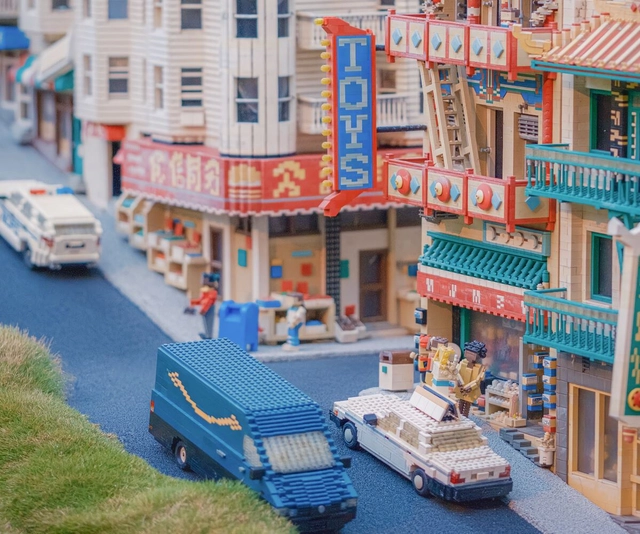
Cities are constantly evolving, and technological innovations play a significant role in this process. So-called "smart cities" have been a major topic of discussion in recent years, but what does this actually mean? How can technology contribute to better urban management? And how can we ensure that these new possibilities do not further deepen social inequalities?
With an academic background in biological sciences, psychology, environmental engineering, and energy management, Salvador Rueda speaks with ArchDaily in Costa Rica about sustainable mobility, urban planning, and the implementation of superblocks in Barcelona.
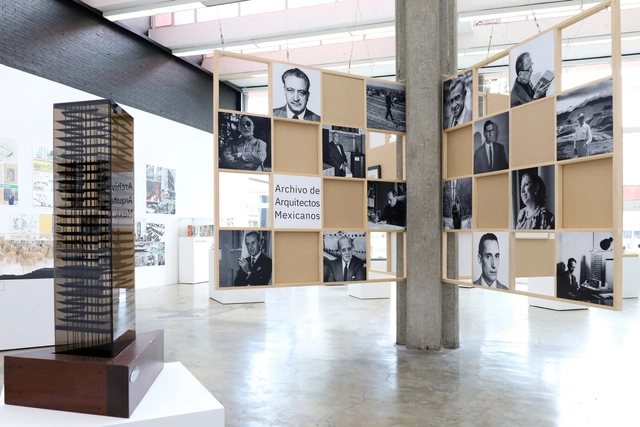
In November 2022, the María Luisa Dehesa Gallery of the Faculty of Architecture at UNAM hosted the first exhibition compiling twenty years of the Mexican Architects Archive, showcasing a variety of documents and objects preserved under its care. The AAM was founded in January 2002, and since its inception, it has become one of the most important archives in the country, thanks to donations by the families of some of the Modern Movement's most influential architects in Mexico.
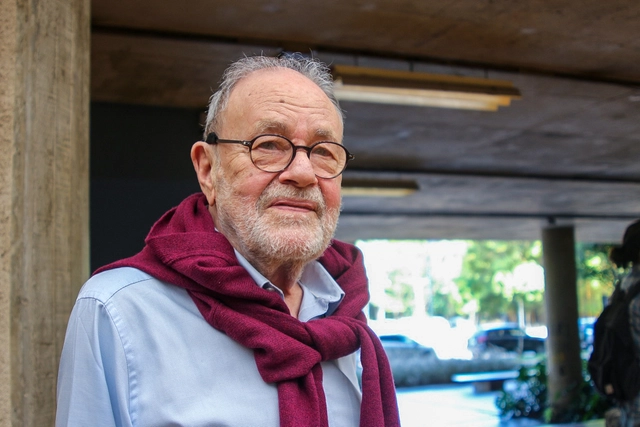
Sérgio Ferro is a Brazilian architect, artist, historian, and architectural critic who, due to his political activism during the military dictatorship, was imprisoned and exiled to France in the 1970s. Throughout his career, he has observed and intervened in the production spaces of civil construction, developing a critique of the production of plastic arts and architecture based on the construction process and its agents: the construction site, technologies, materials, and the builder.
In a historical context dominated by Eurocentric and male references, Ferro, along with architects Rodrigo Lefèvre and Flávio Império, formed Arquitetura Nova, a group that proposed debates centered on architectural production, the social role of the architect, and the relations of production on the construction site, challenging hegemonic thinking and practices, whether in design practice or academia. Following his exile, unable to practice as an architect, he dedicated himself to teaching at the École Nationale Supérieure d'Architecture de Grenoble.
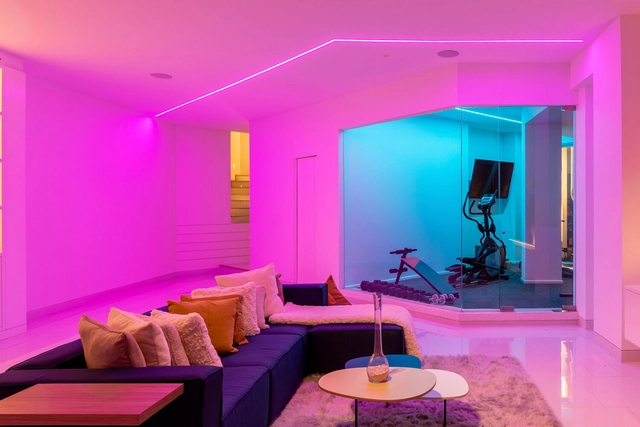
The history of light has undergone various transformations over the centuries; its intrinsic relationship with architecture itself has sparked expressions and critiques that, beyond serving as a tool to illuminate the inhabited world, directly influence how we perceive it and how the built environment is produced. Every lighting project is directly tied to its own understanding of quality, class, interpretation, intention, and meaning.
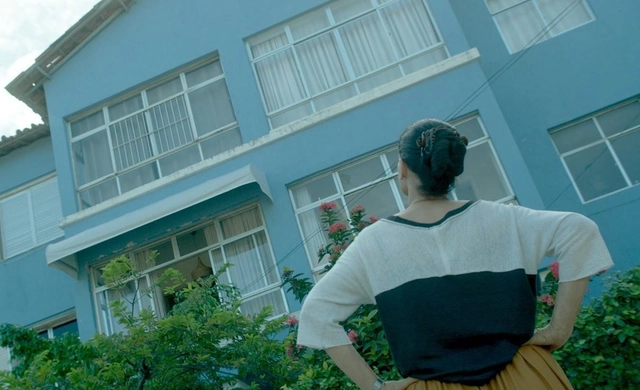
Set in Recife, specifically along Boa Viagem beach, Aquarius (2016) portrays a conflict experienced in many cities worldwide. Unfolding in parts, the film draws a parallel between the protagonist's personal struggles and her fight against a real estate developer seeking to acquire her apartment to make way for a new development.
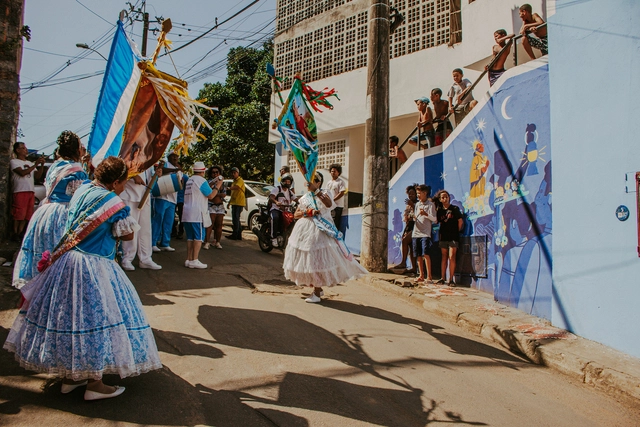
In this episode, Arquicast talks with the jury of the 9th Tomie Ohtake Akzonobel Architecture Prize about the behind-the-scenes of this prominent national award and the criteria used to select the projects. The conversation also explores the profile of each jury member, highlighting how their individual perspectives shaped the identity of this year's edition.
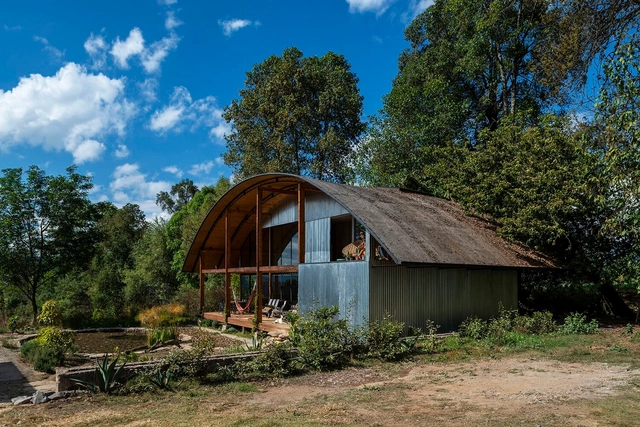
Agencia Social de Paisaje is a Mexico City-based practice driven by the conviction that landscape is a vital tool for designing new horizons. Drawing on logical and natural systems, they create coherent, functional, and holistic environments that foster a deep connection to place and its inhabitants. They are part of ArchDaily's Best New Practices of 2023.

In the world of architecture, there is much more than drawing plans and constructing buildings. Architecture school offers a comprehensive education that goes beyond the specific technical skills of the profession. In this episode, we explore some of the valuable skills that architecture students learn throughout their academic journey — presented in the article 13 Non-Architecture Skills You Learn in Architecture School — and how these skills can be applied to various areas of life.
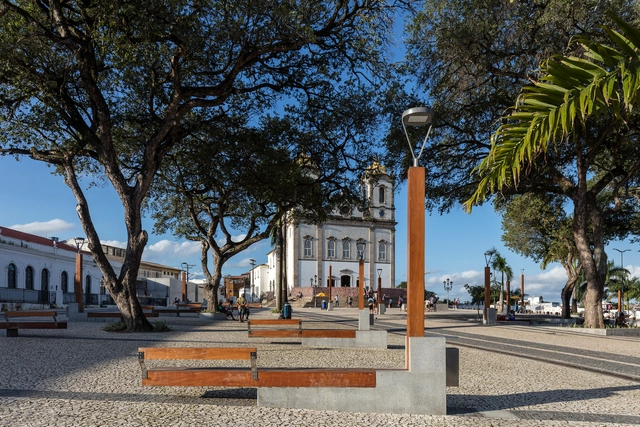
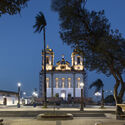
In this interview episode, Arquicast sits down with the founder of Sotero Arquitetos, architect Adriano Mascarenhas. A graduate of the Federal University of Bahia, his work spans a highly diverse range of scales and programs.
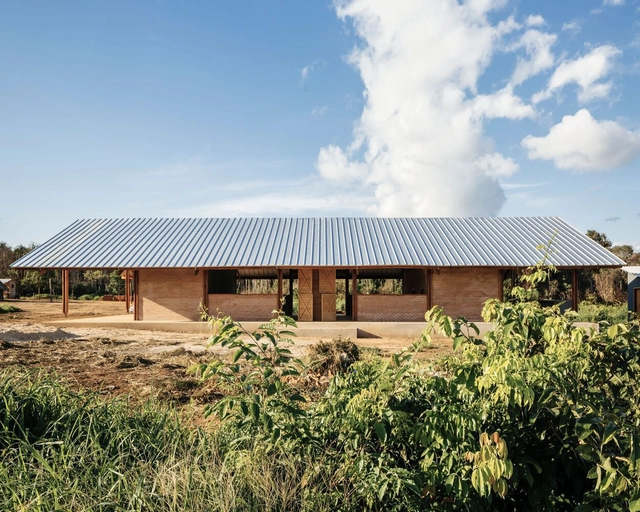
Arquicast sits down with Gustavo Utrabo, a Brazilian architect whose work stands out for its capacity for continuous experimentation and research. Having graduated in Paraná, his career includes academic and professional experiences at Harvard, MIT, Hong Kong, and Escola da Cidade. The episode covers his communication experience on the "Entre Mundos" podcast, the initial challenges of establishing an independent practice, the dynamics and structure of his current office, and notable projects like the Canuanã Children's Village. It also explores his vision for the future of the profession and a discussion on the role of social media.
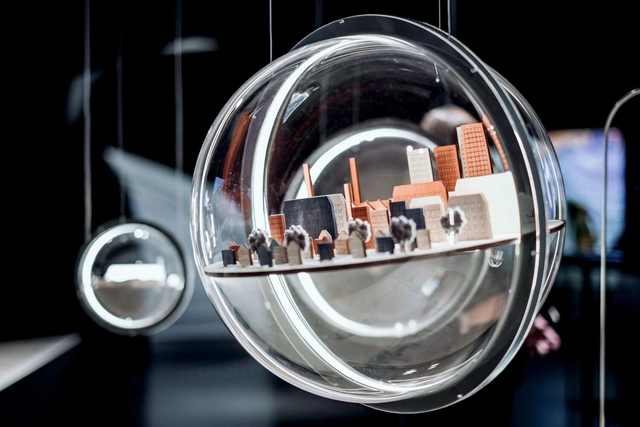
The topic of Artificial Intelligence (AI) has become ubiquitous across the news, spanning both entertainment and the workplace. This phenomenon also extends to the fields of architecture and urbanism. The emergence of ChatGPT highlighted the transformative potential of this technology, especially regarding language, raising concerns about its potential impact on how we work today.
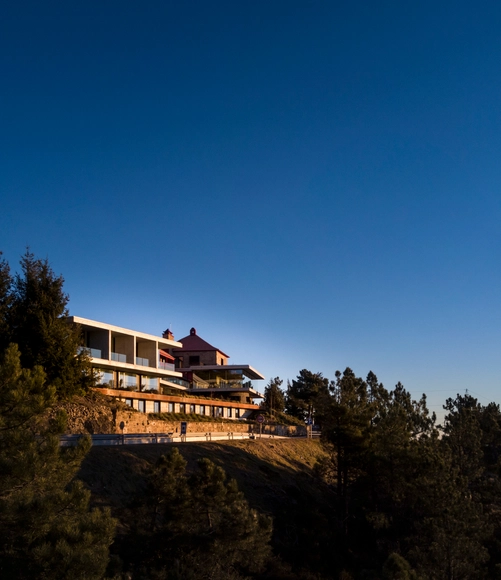
No País dos Arquitectos is a podcast created by Sara Nunes, who is also responsible for the architectural film production company Building Pictures. The podcast aims to get to know the professionals, projects, and stories behind benchmark contemporary Portuguese architecture. With just over 10 million inhabitants, Portugal is a highly intriguing country within this professional field, and its architectural output far exceeds what its population or territorial scale would suggest.
In this episode of the sixth season, Sara talks with architects Patrícia Marques and Paulo Costa of Site Specific Arquitectura, about the project Casa de São Lourenço – Burel Panorama Hotel. Listen to the conversation and read part of the interview below.
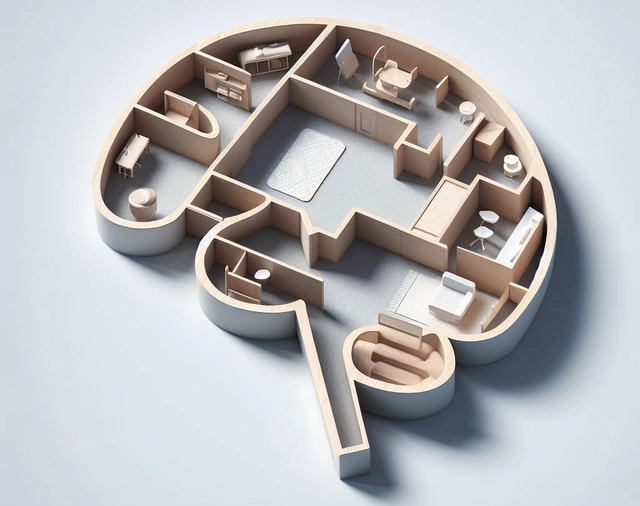
Neuroarchitecture is a discipline that has gained prominence in architecture and interior design circles in recent years. It seeks to bridge the fields of architecture and neuroscience, with the goal of creating spaces that positively impact our well-being and behavior. Arquicast invited two experts in the field, Nicole Ferrer and Lori Crizel, to discuss the concept of neuroarchitecture, current trends in professional training, its scientific foundation, and the ethical and future implications of this approach.
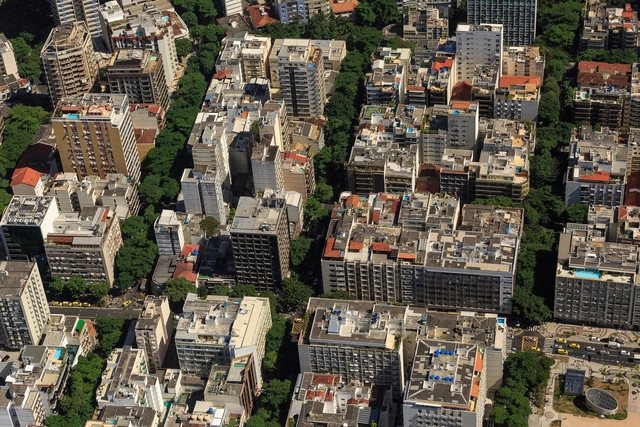
Major cities like Rio de Janeiro, São Paulo, and Belo Horizonte have been transforming their downtown areas into more residential zones, reclaiming a past of greater vitality. Rio de Janeiro pioneered this trend with the launch of its Reviver Centro program in 2021. More recently, São Paulo launched Todos pelo Centro, which also aims to “promote transformative actions in downtown São Paulo, bringing new life alongside the city's memories and history.”
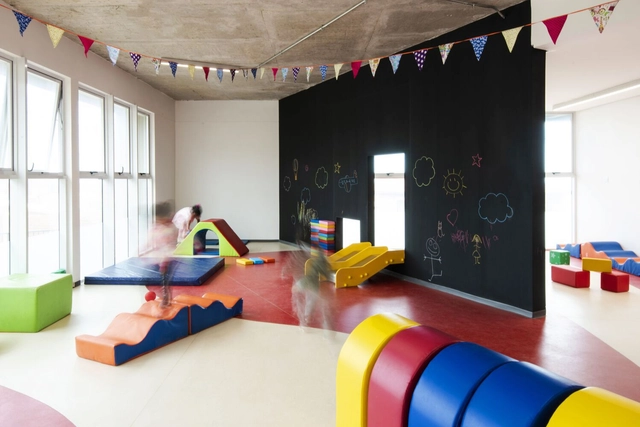
Preschool is more than just a place to leave young children; it is a space that allows them to connect with their imagination and senses through the colors, textures, and layout of their environment. In Chile, many architects have committed to translating these learning opportunities into the architecture itself.
From the recently built Golondrina Preschool and Nursery in Valparaíso to the renowned Bambú Preschool in Santiago, we present a selection of outstanding projects that leverage these attributes, enabling both children and educators to engage in their activities in dynamic and creative ways.
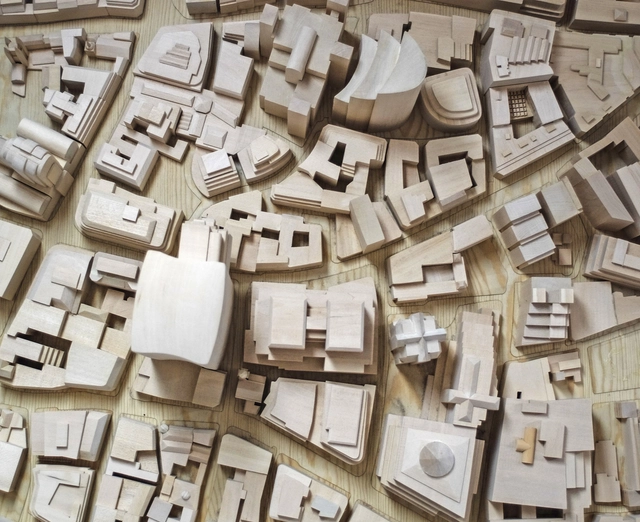
There is no doubt that architectural models are among the oldest forms of architectural representation. In the first episode of the year, Arquicast discusses this theme within the context of publications and debates on the training of new professionals. After all, models are ubiquitous: they are found in architecture exhibitions (often built exclusively for them), in museums as part of the exhibits, and in architecture offices, where they are typically finalized for the big presentation day.
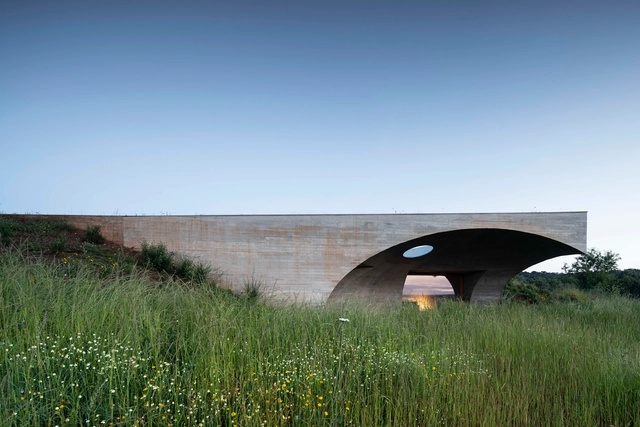
No País dos Arquitectos is a podcast created by Sara Nunes, who is also responsible for the architectural film production company Building Pictures. The podcast aims to profile the professionals, projects, and stories behind leading contemporary Portuguese architecture. With just over 10 million inhabitants, Portugal is a highly compelling country in this professional field, and its architectural output far exceeds its population or territorial scale.
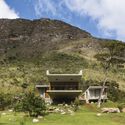
In the first episode of the sixth season, Sara talks with Manuel Aires Mateus of the firm Aires Mateus about the House in Monsaraz. Listen to the conversation and read part of the interview below.

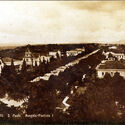
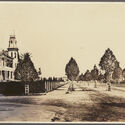
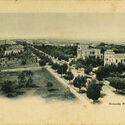
A major urban axis where thousands of people, subways, buses, cars, and bicycles pass daily. High-rise buildings, cultural centers, banks, and shopping malls. As the symbol of São Paulo, Avenida Paulista once looked very different. As difficult as it may be to imagine today, it was once lined with grand mansions of the most diverse architectural styles, and its destiny was altered in a matter of days by heritage preservation disputes and... a pizza.