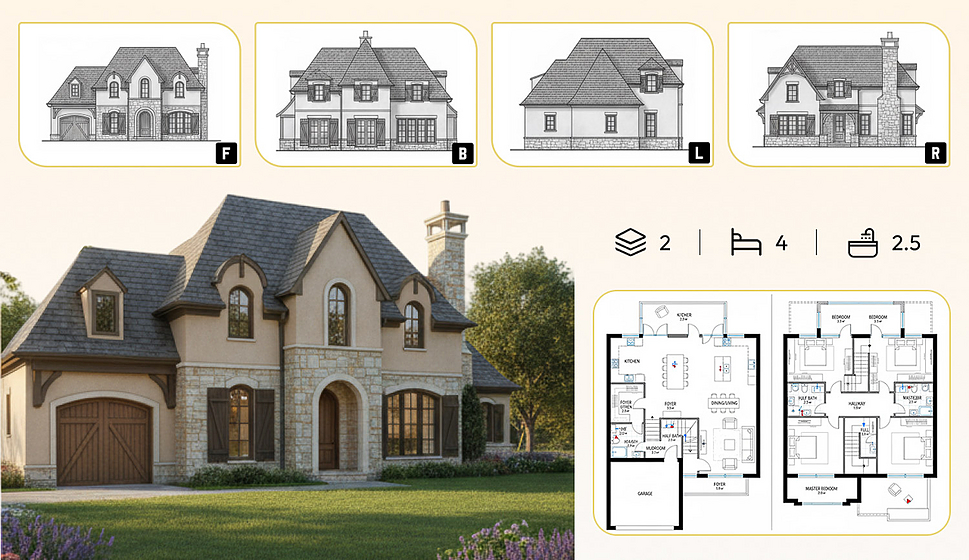
This guide covers a workflow that moves from project parameters to generated floor plans, 3D perspective views, exterior design exploration, and site context visualization, using AI tools in place of preliminary CAD and rendering work.
This guide covers a workflow that moves from project parameters to generated floor plans, 3D perspective views, exterior design exploration, and site context visualization, using AI tools in place of preliminary CAD and rendering work.
_-_Google_Art_Project.jpg?1558383794&format=webp&width=640&height=580)
Escola da Cidade has shared with us a lecture series on Japanese Architecture and Culture, which is part of the Estúdio Deriva program. This series features the following lectures: "Ambience Without Hierarchy: SANAA and Electronic Music" with Guilherme Wisnik, "Contemporary Japanese Culture" with Gabriel Kogan, "The Professional Practice of Japanese Architects" with Lourenço Gimenes, "A Graphical Analysis of Toyo Ito's Mediatheques" with Marina Lacerda, "Destroy to Build: The Impact of Tokyo's Reconstruction Plans in Akira" with Beatriz Oliveira, "Jidai no nagare, the Flow of Eras: Japanese Wood Joinery" with Heloisa Ikeda, and "The Tōkaidō Road: Travel, Woodblock Prints, and Cities of the Tokugawa Period (1603-1868)" with Fernanda Sakano. Watch all the lectures here.
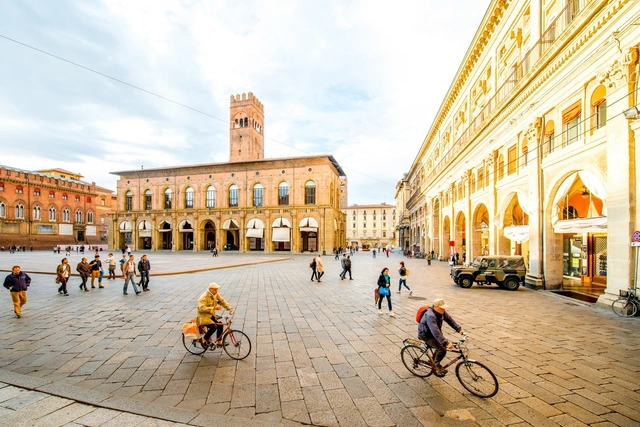
One of Italy's most important culinary hubs, Bologna is aiming to encourage its residents to adopt cycling, public transit, or simply walking as their primary means of transportation—leaving their cars at home. To achieve this, the city has launched an incentive program.
The urban public space between two architectural masses is defined as a street. It is where we establish the relationship between motorized vehicles, non-motorized transport, and pedestrians. In managing this relationship, public space requires a series of systems to guarantee active occupancy, in addition to infrastructure and safety. Consequently, the proper design of roadways and their immediate public surroundings becomes essential. Beyond what meets the eye, water, gas, electricity, and telecommunications networks are laid out beneath our feet, completely unnoticed.
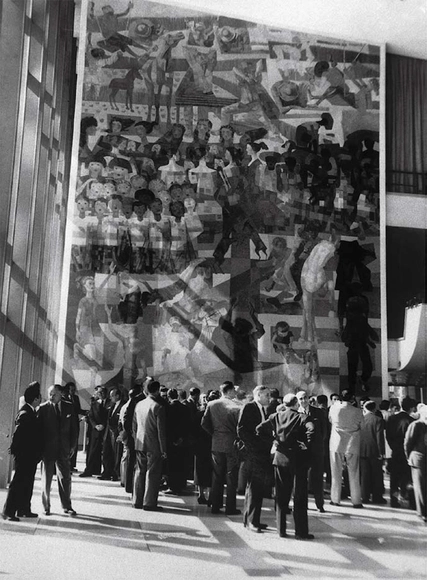
Led by the Portuguese duo Isabel Ruas and Gonçalo Ruas, the studio Oficina de Mosaicos will create a mosaic reinterpretation of the work War and Peace, the monumental panel painted by Candido Portinari and donated to the UN in 1956. The piece will be permanently displayed at the USP campus in Butantã. The project has the support of the artist's son, João Portinari, and is currently in its fundraising phase.
Discovering the stories behind architectural projects and urban interventions is the premise of ARQ.DOC, a new series set to premiere in January 2019 on YouTube. Produced in a documentary format, the episodes explore the creative diversity of Brazilian architecture.
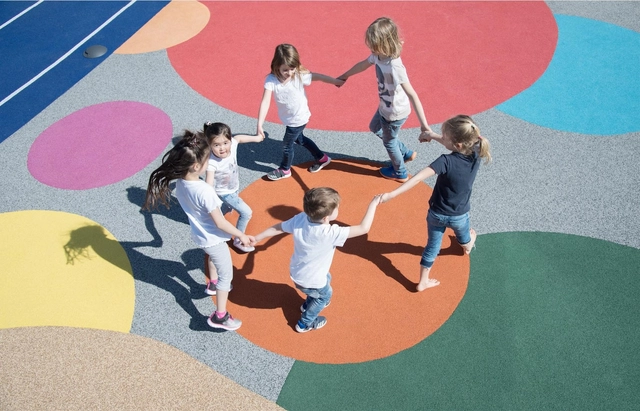
The construction industry drives considerable economic activity worldwide, generating countless jobs and substantial revenue. At the same time, it also carries significant negative impacts, ranging from the depletion of natural resources to high levels of waste generation during both construction and demolition phases. To put this in perspective, in Brazil, Construction and Demolition Waste (CDW) is estimated to account for 61% of all waste generated, while household waste represents 28% [1].

Conceived by architects Vinicius Andrade and Beatriz Vanzolini, along with the team from the Arq.Futuro platform, the course “Aprendendo a viver na cidade” aims to awaken young people to the importance of understanding the city, while also discovering how to influence it. The course is delivered in a book format—which is already available in bookstores—and will be officially launched at Escola da Cidade on February 27. The course features videos and audio from the “Cidade Cidadão” series, accessible via QR Code or on the Arq.Futuro website. Teachers who wish to implement it in the classroom will have access to a digital Teacher's Guide (Caderno dos Professores) with pedagogical suggestions and activities.

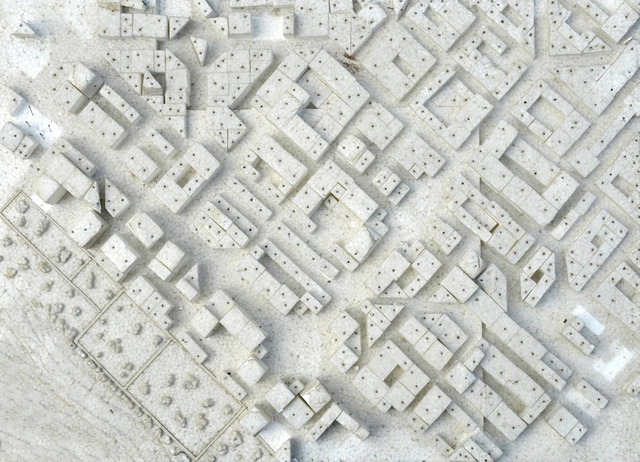
The city of São Paulo is the first in South America to freely release laser-scanned data covering its entire territory. The files are available for download on the GeoSampa Portal. The technology, known as LiDAR (Light Detection and Ranging), goes beyond standard satellite imagery or aerial photography to provide a high-resolution geometric representation of a city. Consequently, it offers a much more accurate and detailed model of the mapped area.

The use of shared e-scooters as a mode of transportation has emerged as one of the major revolutions in urban mobility in recent years. Since launching in September 2017 in the United States, e-scooters quickly became a phenomenon and, within less than two years, a reality in several major cities worldwide.
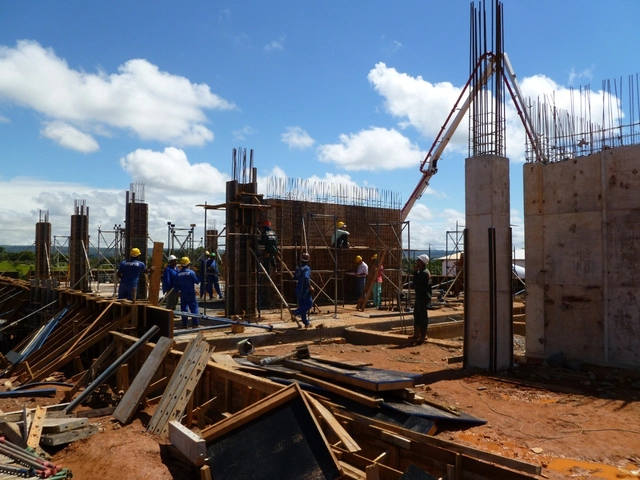
Growing concern over the use of natural resources in architecture has drawn increasing attention from professionals and researchers, pointing toward a future where architects must not only design but also facilitate the decommissioning and recycling of buildings. Against this backdrop, raising awareness about water waste on construction sites has become a major priority—an issue addressed in a recently launched guide by the São Paulo State Construction Industry Association (SindusCon-SP), Caixa Econômica Federal, and the United Nations Development Programme (UNDP).

Since the 2013 protests, there has been a clear resurgence of the concept of the public sphere in Brazil, particularly in metropolises like São Paulo. Within a context of speculation and a commodified city—where both spaces and public services are driven by capital accumulation, and where public authority operates merely as power rather than in the public interest—a growing movement to reclaim urban spaces by previously marginalized actors has emerged.
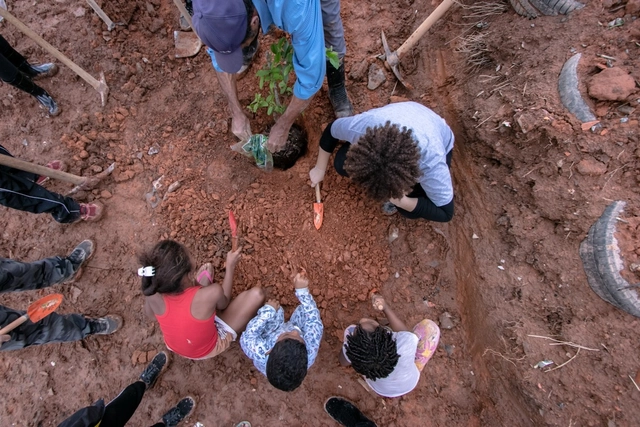
According to data released by the United Nations (UN, 2017), the global population has reached 7.6 billion, with more than half (54%) living in urban areas. In Brazil, according to data from the Brazilian Institute of Geography and Statistics (IBGE, 2010), 84.4% of the population lives in cities.
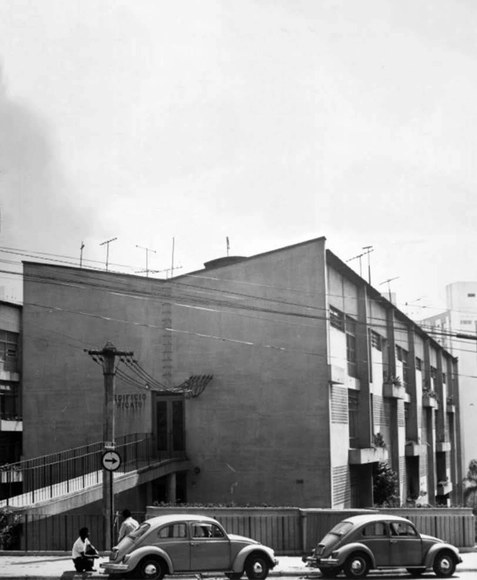

Conceived as a large-scale residential development in an expansion zone of São Paulo, the Jardim Ana Rosa Residential Complex began its subdivision design in 1950, in the Vila Mariana neighborhood, facing Largo Ana Rosa. The development, carried out by the Banco Hipotecário Lar Brasileiro, featured the participation of several prominent São Paulo architects of the time, such as Abelardo de Souza, Plínio Croce, Roberto Aflalo, and Salvador Cândia. In its initial version, the project planned for a few buildings bordering Vergueiro Avenue, with most of the area designated for single-family homes.

The work of the Catalan firm Barozzi Veiga is explored through the tension between tradition and invention in architecture in this article by João Paulo Rapagão, published in partnership with AMAG.
There is perhaps no concept so generic and comprehensive, yet at once so impersonal and difficult to reach consensus on, as that of the environment (focusing on the United Nations Conference's own definition of environment—the environment as the set of physical, chemical, biological, and social components capable of causing direct or indirect effects, in the short or long term, on living beings and human activities—we immediately find that establishing a stable, common, and assertive conceptual foundation is highly difficult to achieve, let alone universally recognize...)
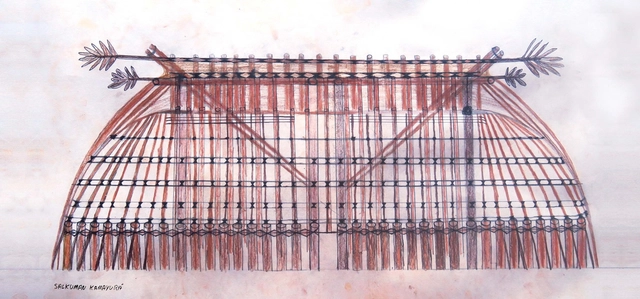
In July 2019, the habita-cidade Platform [1] organized the "Ways of Dwelling: Traditional Architectures" Travel-Workshop, which brought students and professors to the Ypawu Village in Kamayurá territory, in the Upper Xingu. The general objective of the "Ways of Dwelling" Travel-Workshops is to foster constructive reflection on the diverse forms of human habitat across the planet. This year, responding to a request from Kamayurá master builders to produce a manual on local architecture, the Travel-Workshop was designed so that the visiting group could support this important endeavor. The idea for the Kamayurá Architecture Manual was first proposed by Kanawayuri L. Marcello Kamaiurá (a local leader) to architect Clarissa Morgenroth (a graduate of Escola da Cidade) and theater director Cibele Forjaz. Escola da Cidade was then invited to join the project, which was taken on by the habita-cidade Platform, an initiative linked to the *lato sensu* postgraduate program "Housing and City."

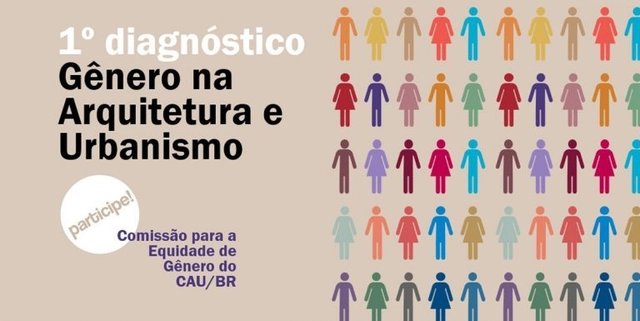
The Council of Architecture and Urbanism of Brazil, through its Commission for Gender Equity (CTEG), has launched a public survey to collectively build a women's agenda aimed at overcoming challenges in the practice of architecture and urbanism.

The Master Plan is the basic instrument for defining a municipality's development model. It establishes guidelines and strategies for executing plans, programs, and projects, seeking to emphasize public participation as well as economic, social, and environmental sustainability. Yet, its influence on the city goes far beyond what is commonly imagined: it ultimately dictates the volume and form of every new building.
The CAU/BR is studying new rules for issuing Technical Responsibility Records (RRT) and Technical Collection Certificates (CAT) by architects and urban planners. The Professional Practice Commission, which is presenting the proposal to the public, aims to improve the registration system to protect both architects and their clients regarding the technical responsibility of architecture and urbanism services.
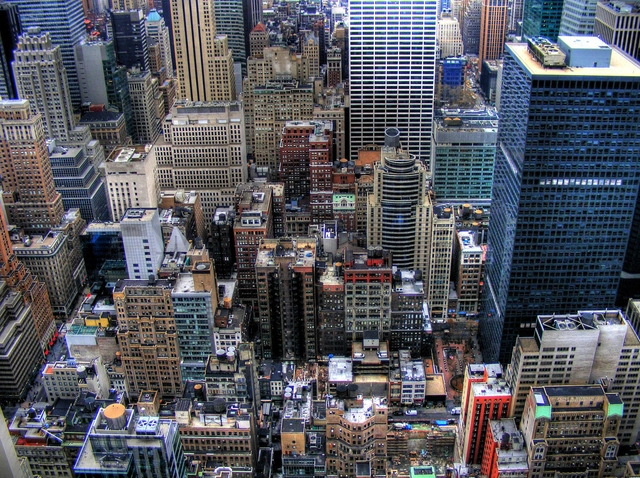
The Swiss Federal Institute of Technology in Zurich (ETH Zurich) is offering free online courses on smart cities and future cities. Available through the edX platform, which is shared by institutions worldwide, the courses last ten weeks and are conducted via video.
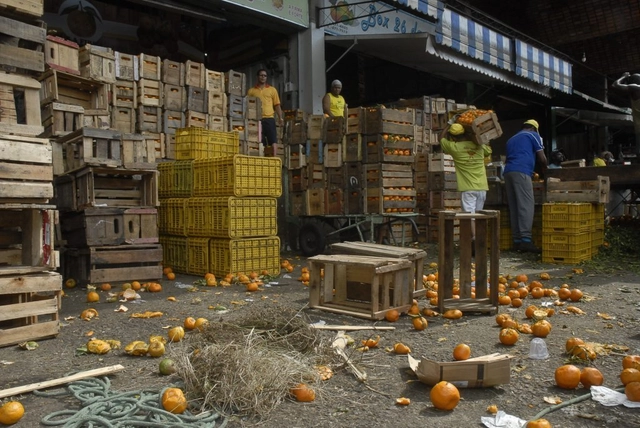
The United Nations, through its Food and Agriculture Organization (FAO), launched a publication this month focusing on strategies to integrate nutrition policies into urban planning. The document highlights best practices in reducing food waste, promoting healthy diets, and strengthening local production chains.
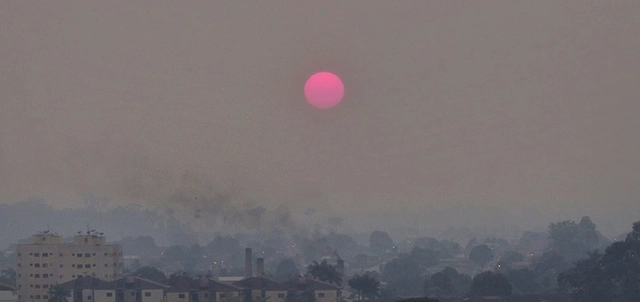
Since the beginning of the month, thousands of fire outbreaks have been recorded in Brazil's northern states, spreading through Acre, Rondônia, Mato Grosso, and Mato Grosso do Sul, and reaching the triple border of Brazil, Bolivia, and Paraguay. According to the National Institute for Space Research (INPE), the country is experiencing its worst wave of wildfires in five years.
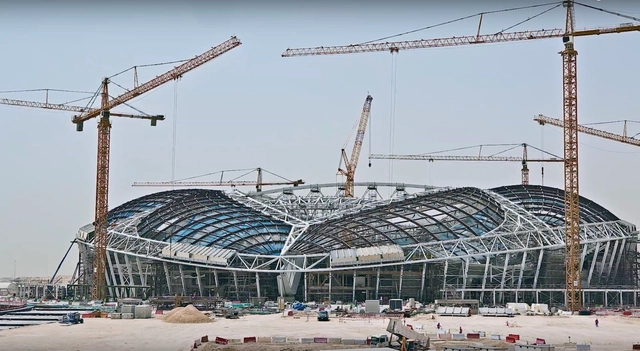

The year is 2010. As the first Arab country selected to host the 2022 FIFA World Cup, Qatar is already ramping up its preparations to host this highly anticipated and costly event 12 years down the line. Extensive construction and reconstruction efforts are being launched, targeting not only the facilities directly demanded by FIFA, but also, more broadly, the urban infrastructure systems of the country's major cities.

Infinito Vão: Brasil, the series of talks taking place on March 22 and 23 at IMS, is an extension of the program of activities for the exhibition of the same name, currently on view until April 28 at Casa da Arquitectura in Matosinhos, Portugal.
Curated by Fernando Serapião, Guilherme Wisnik, and Nuno Sampaio, Infinito Vão: Brasil will bring together architects, photographers, and cultural managers over two days for a series of talks and debates on the history of Brazilian architecture, its influence on daily and cultural life, and the connections it builds with other artistic expressions.
.jpg?1557928245 "Cortesia de Santa Luzia")