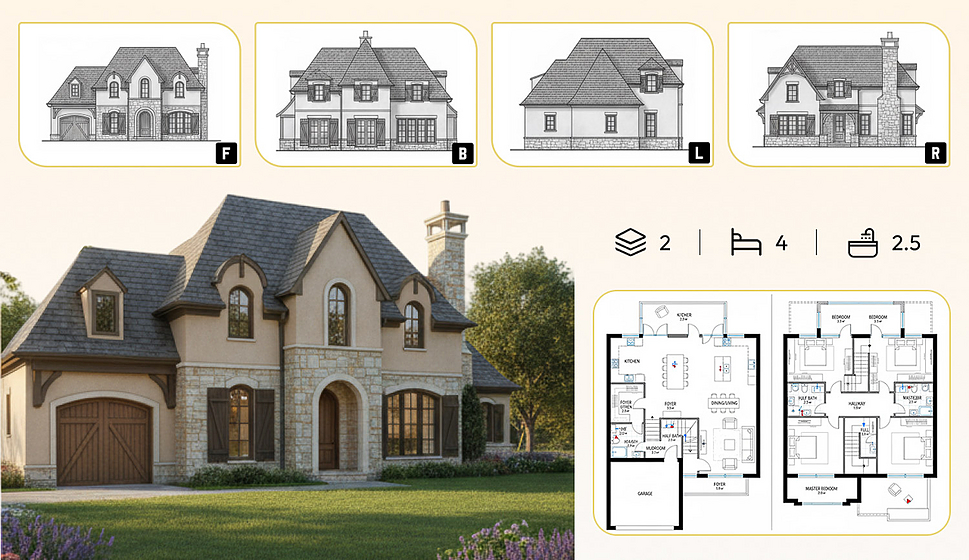
This guide covers a workflow that moves from project parameters to generated floor plans, 3D perspective views, exterior design exploration, and site context visualization, using AI tools in place of preliminary CAD and rendering work.
This guide covers a workflow that moves from project parameters to generated floor plans, 3D perspective views, exterior design exploration, and site context visualization, using AI tools in place of preliminary CAD and rendering work.
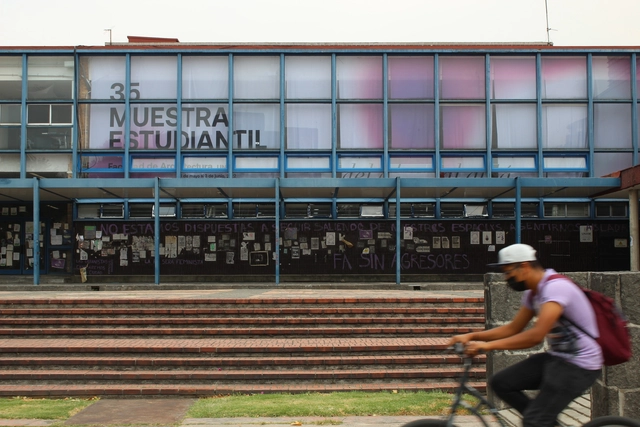
If we had to return to the beginning, which beginning would it be? The last two years have left a deep mark on all of us, like an incision on our skin. Yet at the same time, each of these marks is so unique and diverse that it would be impossible to say we have all gone through the same experience. At the UNAM Faculty of Architecture, these two years were defined by two key moments in our history: the COVID-19 pandemic itself, which introduced us to new ways of learning and teaching; and a student strike against gender-based violence—organized by female student collectives—which became the longest student strike on record at the school.
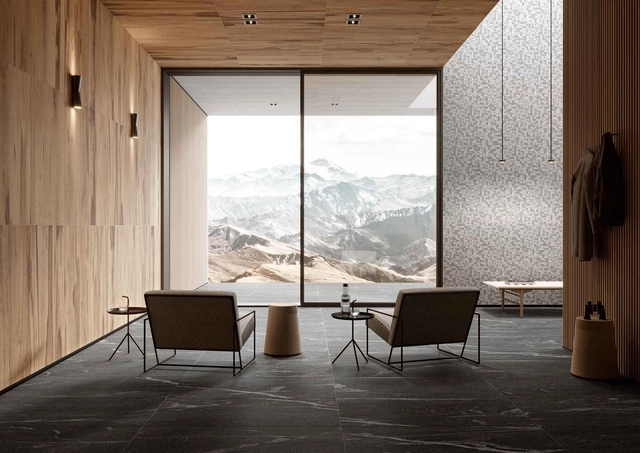
As the climate crisis intensifies and the lingering effects of the pandemic remain evident in daily life, topics like sustainability and health are more relevant than ever. This explains the rise of biophilic design, a trend characterized by connecting architecture—and, by extension, the user—with the inherent benefits of nature: comfort, calm, and well-being.
Consequently, demand has shifted toward objects and materials capable of bringing nature indoors, whether through decorative elements, vegetation, or wall and floor tiles. However, to ensure functionality within an interior space, these products must ideally combine a natural aesthetic with practical qualities such as durability and low maintenance.
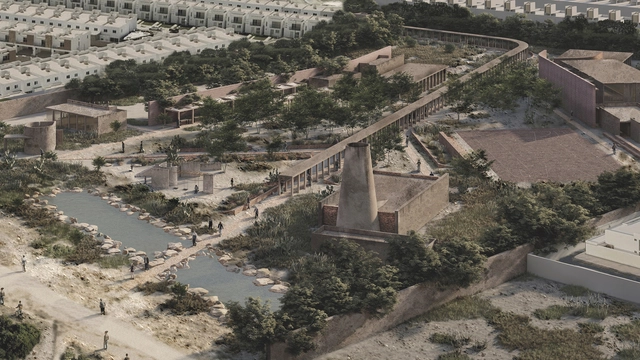
On Friday, October 14, the jury announced its decision for the Long Stage of the 38th Alberto J. Pani Architectural Composition Award, organized by the Faculty of Architecture of the National Autonomous University of Mexico, in collaboration with an institution of the Association of Architecture Teaching Institutions of the Mexican Republic (ASINEA)—which this year was the Faculty of Architecture of the Universidad De La Salle Bajío in León, Guanajuato.

Servidor Local is a connection point, a forum where dialogue takes place; it is, in essence, a sanctuary for ideas, diversity, and exchange. As a platform, it drives cultural, art, and design projects that champion narratives with a social impact, aiming to benefit the immediate environment and spread along the paths of its visitors.

Offering productivity levels 50% higher than previous models, HP introduces its new range of large-format printing solutions, HP Latex. The series consists of four devices—the HP Latex 700 and 800, and the HP Latex 700W and 800W—bringing white ink printing capabilities to this category for the first time. Print jobs run on this new series will not only deliver brighter colors and finer details, but will also do so at even faster print speeds, reaching up to 36 m2 per hour.
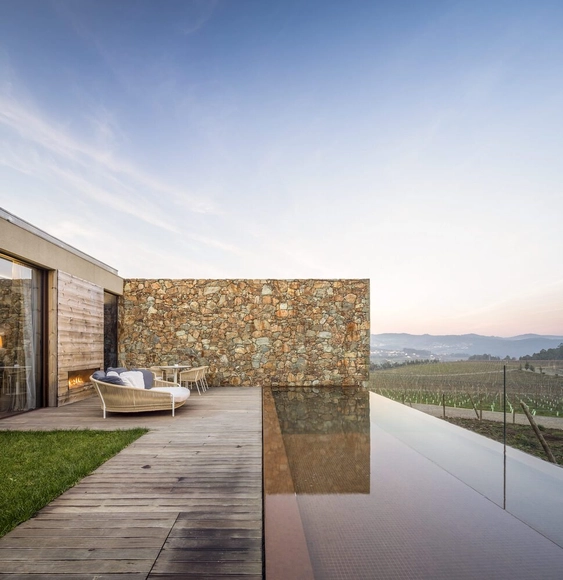
No País dos Arquitectos is a podcast created by Sara Nunes, who also runs the architectural film production company Building Pictures. The podcast aims to profile the professionals, projects, and stories behind landmark contemporary Portuguese architecture. With just over 10 million inhabitants, Portugal is a highly intriguing country in this professional field, and its architectural output far exceeds what its small population and territorial scale might suggest.
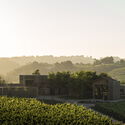
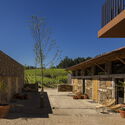
In this episode of the sixth season, Sara talks with architect Fernando Coelho of the firm FCC Arquitectura about the Monverde Rural Hotel project, located in Quinta da Lixa. Listen to the conversation and read an excerpt of the interview below.
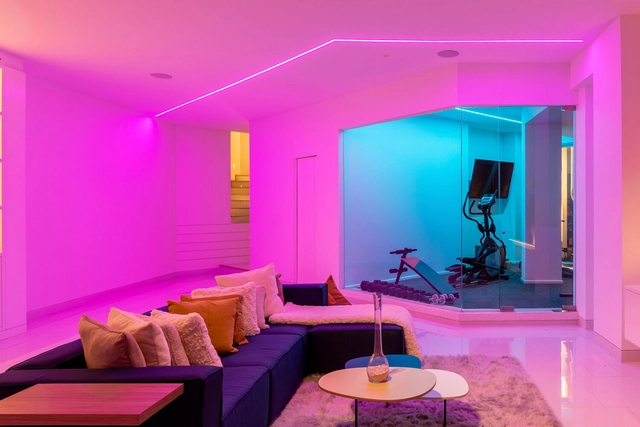
The history of light has undergone various transformations over the centuries; its intrinsic relationship with architecture itself has sparked expressions and critiques that, beyond serving as a tool to illuminate the inhabited world, directly influence how we perceive it and how the built environment is produced. Every lighting project is directly tied to its own understanding of quality, class, interpretation, intention, and meaning.
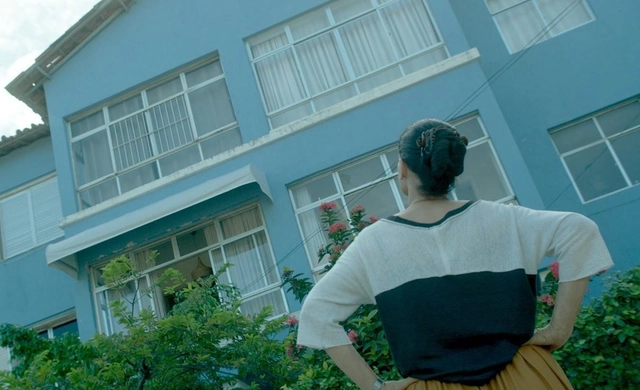
Set in Recife, specifically along Boa Viagem beach, Aquarius (2016) portrays a conflict experienced in many cities worldwide. Unfolding in parts, the film draws a parallel between the protagonist's personal struggles and her fight against a real estate developer seeking to acquire her apartment to make way for a new development.
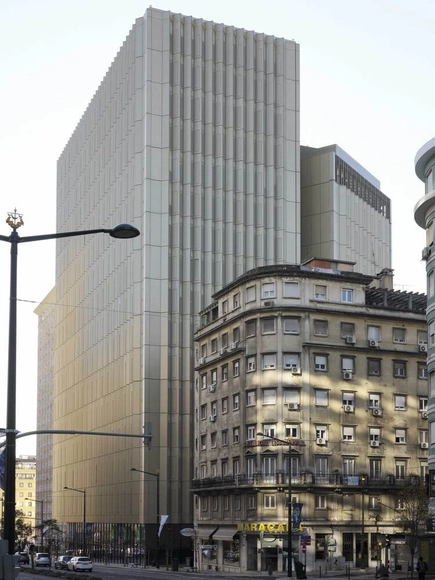
No País dos Arquitectos is a podcast created by Sara Nunes, who also runs the architectural film production company Building Pictures. The podcast aims to profile the professionals, projects, and stories behind landmark contemporary Portuguese architecture. With just over 10 million inhabitants, Portugal is a highly compelling country in this professional field, and its architectural output far exceeds what its population or territorial scale would suggest.
In this episode of the sixth season, Sara talks with architect Patrício Barbas, from the firm Barbas Lopes Arquitectos, about the FPM 41 project. Listen to the conversation and read part of the interview below.
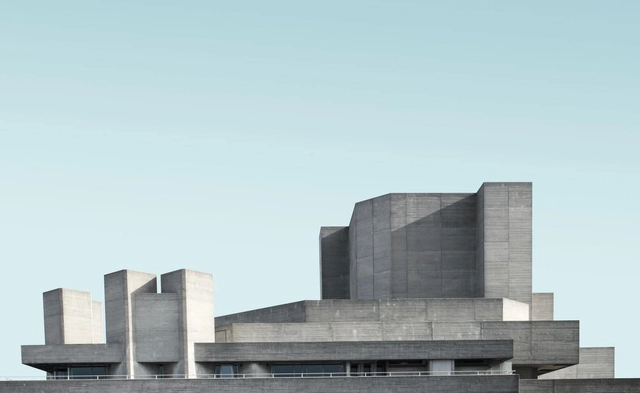
An architectural movement that emerged in the 1950s, Brutalism spread across several continents over the following decades. In this conversation, Arquicast goes beyond mere historiography to explore the legacy of this mode of spatial production and iconic buildings.
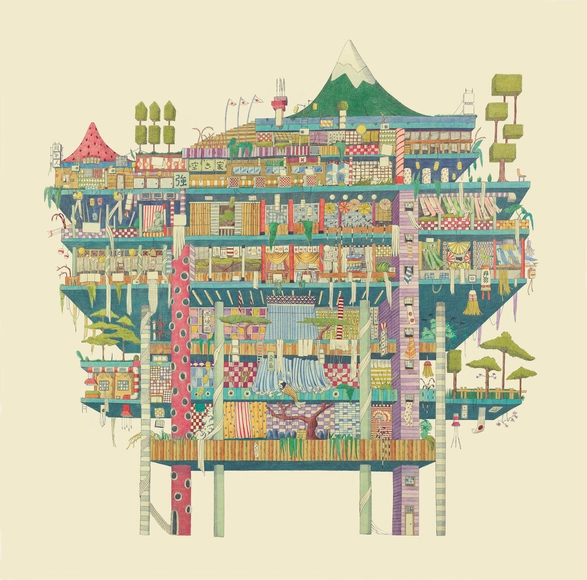
No País dos Arquitectos is a podcast created by Sara Nunes, who also runs the architectural film production company Building Pictures. The show aims to introduce the professionals, projects, and stories behind leading contemporary Portuguese architecture. With just over 10 million inhabitants, Portugal is a fascinating country when it comes to this professional field, and its architectural output far exceeds its population or territorial scale.
In this episode of the fifth season, Sara talks with designer Ana Aragão about her illustrations dedicated to architecture and cities. Listen to the conversation and read part of the interview below.
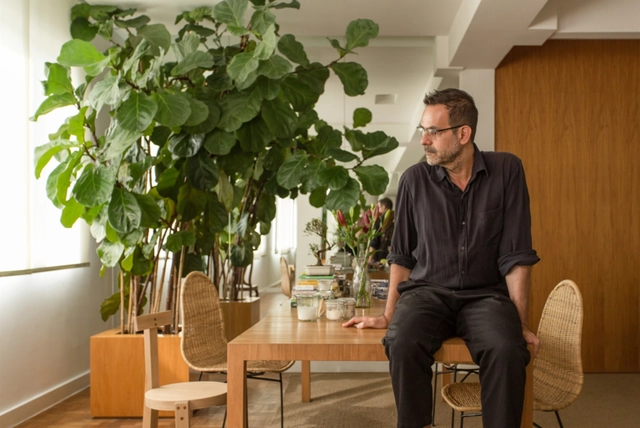
During Rio2C, the Arts&Crafts stage hosted another special episode of Arquicast for a live recording. This time, the guest was Alberto Renault, a set designer, writer, screenwriter, theater and TV director, as well as an International Emmy nominee and creator of several series, such as “Casa Brasileira,” “Lar: Vida Interior,” “Morar,” and “De Casa em Casa.”
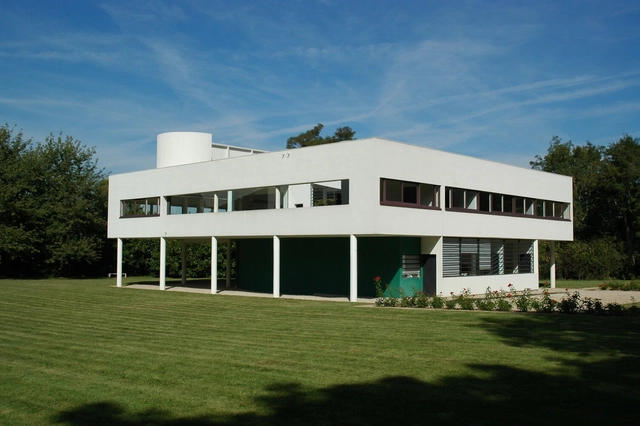
In another episode dedicated to architectural landmarks, Arquicast centers on the iconic Villa Savoye, a milestone in the history of 20th-century modernist architecture. Guest PC Lourenço offers an in-depth analysis of this architectural icon and its paradigms, providing an insightful look into its enduring significance and influence. The episode is also available in video format, allowing viewers to follow the discussion alongside photos and technical drawings of the building.
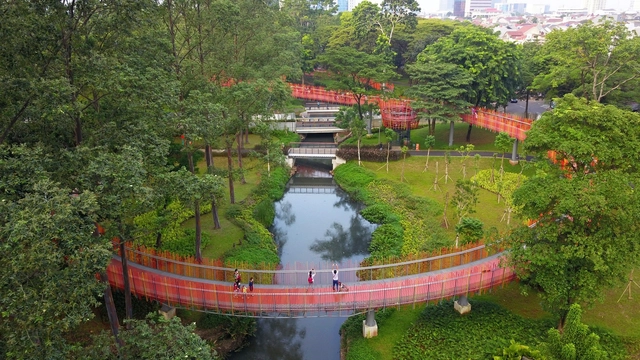
In another episode on quality of life and connection with nature, Arquicast explores a topic that has become even more relevant in recent times: public open spaces in cities, with a focus on precious, revitalizing green spaces—urban parks and plazas. In an increasingly urbanized world, the search for places to connect with nature has become essential. The discussion is enriched by two special guests: Luciana Jesus, an architect, urban planner, and leader of the Urban Landscape and Inclusion research group at the University of Vila Velha; and Klaus Chaves Alberto, a PhD in urbanism and researcher in the field of health, well-being, and quality of life at the Federal University of Juiz de Fora.

mobility, but also for other urban functions, bringing greater complexity to the use, occupation, and development of cities, as well as stairways, elevators, sidewalks, and bike lanes, among other active mobility devices. All of these structures are known as “architectures of mobility.”
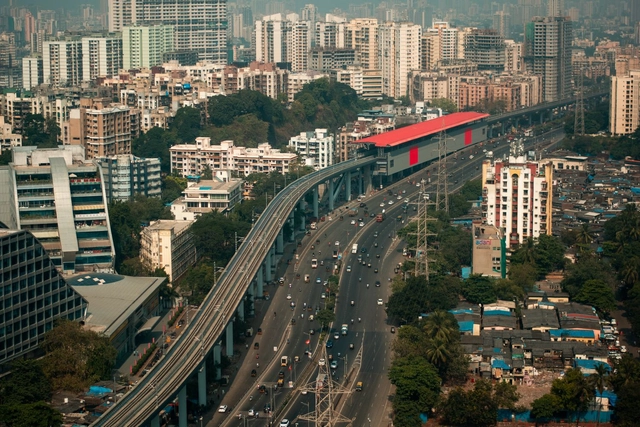
French urbanist Alain Bertaud is known for his work in the analysis and planning of urban systems. He is the author of several books, including Order without Design: How Markets Shape Cities, the Portuguese translation of which will be launched on April 11 at an event starting at 9 a.m. at Insper. Bertaud will participate in a panel to discuss the themes addressed in his work and other aspects of urban agglomerations.
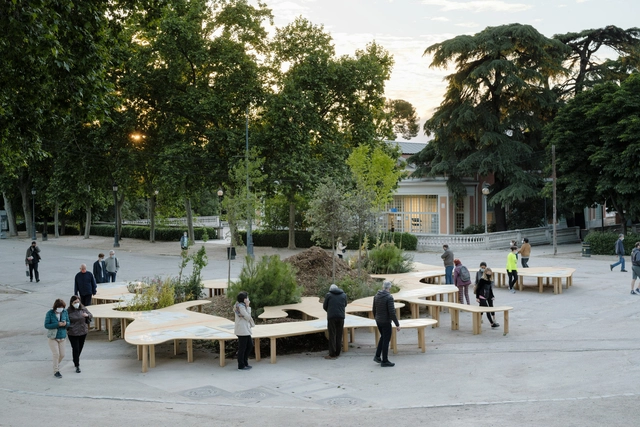
Mauro Gil-Fournier is a PhD architect, researcher, and professor who, after a 15-year career, decided to found Arquitecturas Afectivas: "a community that creates architecture with pleasure, cultivating the affects of people, other beings, and living things."
What is the process for creating affective architectures? Why are they important for the future of architecture? In the following conversation with Mauro, we delve deeper into this concept, which is fundamentally based on "enabling others to design from their truest expression."
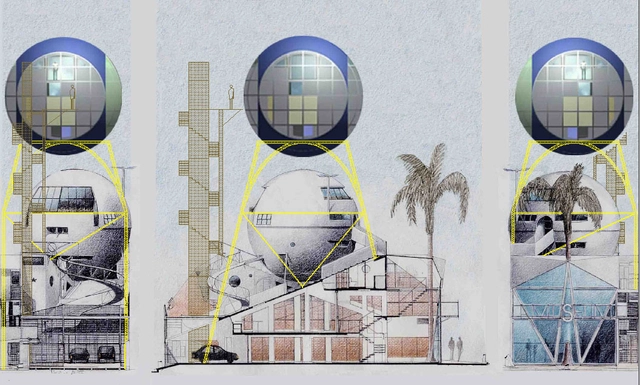
Arquicast speaks with one of Brazil's most intriguing and renowned architects, Eduardo Longo. Describing any professional's body of work is a complex task, but it is especially challenging when discussing a figure like Longo, whose career is defined by a rejection of the established principles of his time, consistently seeking innovation and experimentation in architecture.

No País dos Arquitectos is a podcast created by Sara Nunes, who is also responsible for the architectural film production company Building Pictures. The podcast aims to profile the professionals, projects, and stories behind contemporary Portuguese architecture of reference. With just over 10 million inhabitants, Portugal is a fascinating country when it comes to this professional field, and its architectural output punches far above its weight relative to its population or territorial scale.
In this episode of the fifth season, Sara talks with architects Luís Tavares Pereira and Guiomar Rosa about the Mountain House in Gerês. Listen to the conversation and read part of the interview below.

Episode 213 of Arquicast explores the fascinating field of event architecture, highlighting the importance of designing spaces that transform simple occasions into memorable experiences. The robust resurgence of the event market after two challenging years during the pandemic reflects the human need to celebrate, share joy, and escape the daily routine. Behind these memorable experiences, however, are event architects and designers, whose attention to detail and creativity shape the success of every occasion.
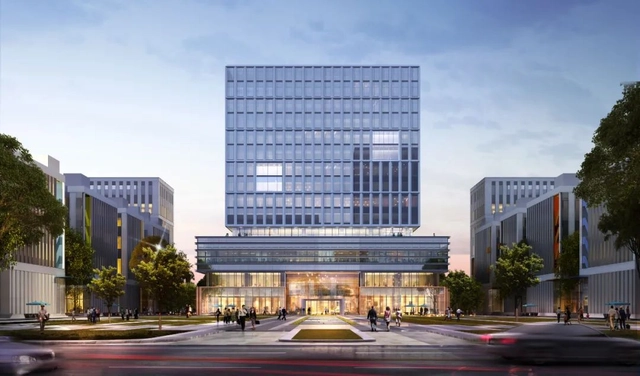
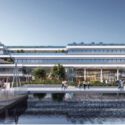
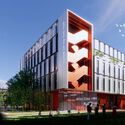
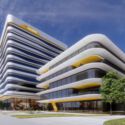
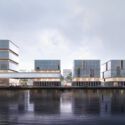
FTA Group (FTA Group GmbH) entered China in 2003, with its headquarters in Shanghai. FTA focuses on the design of offices and industrial innovation districts. Advocating for integrated services that span consulting, master planning, architecture, interior design, and landscape architecture, FTA is committed to integrating global resources, technologies, and teams to build impactful industrial communities and innovation hubs. Having designed over 1,000 office and innovation park projects, FTA has developed specialized product lines tailored to various industrial sectors, such as biopharmaceuticals, the digital economy, information technology, and artificial intelligence—with biopharmaceutical industrial parks standing out as one of its most representative sectors.
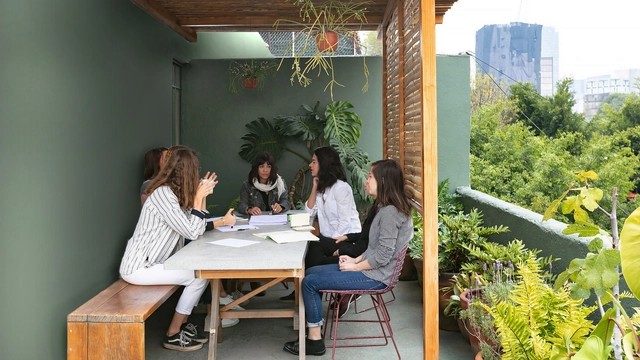
In this episode of Arquicast, a conversation with architects Liz Valente and Larissa Fioravante revisits the topic of work environments in architecture, bringing a new perspective to some of the discussions addressed in episode 214. The momentum for this "part 2" came from provocative comments from the audience, which prompted a deeper and more diverse reflection on the daily life of the profession. The participants shared their personal career paths, shaped by internships, experience in offices, the classroom, and even personal ventures.
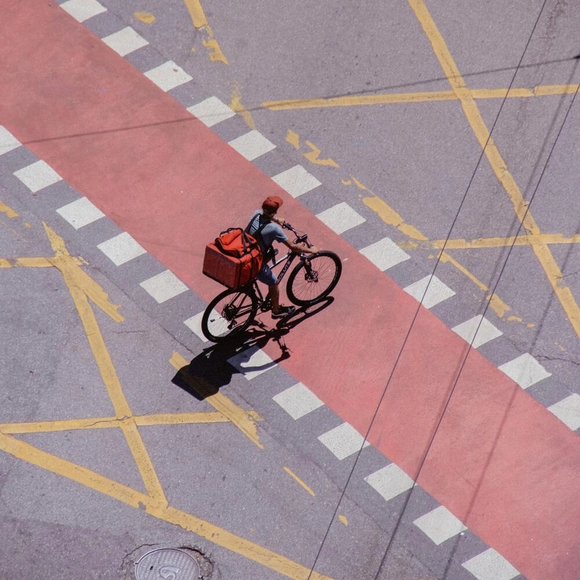
Bike lanes, with their distinct paths and dedicated signage, have increasingly shaped the urban landscape of many cities around the world. Their impacts range from reducing vehicular traffic to promoting healthier and more sustainable lifestyles. Episode 212 of Arquicast addresses this crucial topic, featuring architect and transportation engineering expert Janaína Amorim, a partner at Metrics Mobilidade. The discussion explored global best practices, design and architectural trends, and the impact of bicycle infrastructure on public health.
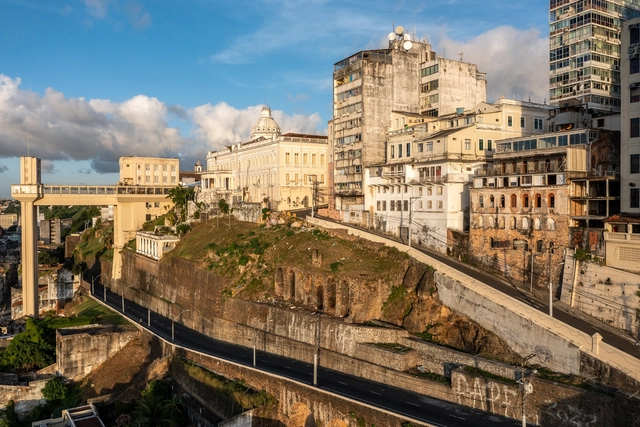
In the latest episode of the series, Arquicast spoke with the jury of the 9th Tomie Ohtake Akzonobel Architecture Award to understand the criteria established for the accolade. This time, joined by Sabrina Fontenele, architect, urbanist, and coordinator of the award, along with the other awardees, a roundtable discussion was held on the projects, providing a deeper look into their significance and the identity of the prize.