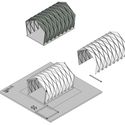
CAU/RJ has launched the eighth edition of its Cultural Sponsorship Program. Due to the COVID-19 pandemic, this year the program will only consider projects featuring remote activities. Applications will also be submitted virtually.
CAU/RJ has launched the eighth edition of its Cultural Sponsorship Program. Due to the COVID-19 pandemic, this year the program will only consider projects featuring remote activities. Applications will also be submitted virtually.

Architecture and Urbanism education, as with all other fields of knowledge, was heavily impacted by the pandemic. Forced to stay home, students and teachers faced a tremendous challenge imposed by physical distancing: how to maintain the quality of teaching practices?
Most federal universities suspended in-person activities, but made their facilities, faculty, and researchers available to combat the pandemic. Research and academic advising were adapted to remote formats, and extracurricular activities were planned to offer alternatives to the abrupt halt of in-person education. Those programs that chose to continue their traditional academic calendars had to migrate content and rethink long-held convictions to adapt to virtual learning environments in a very short period of time.

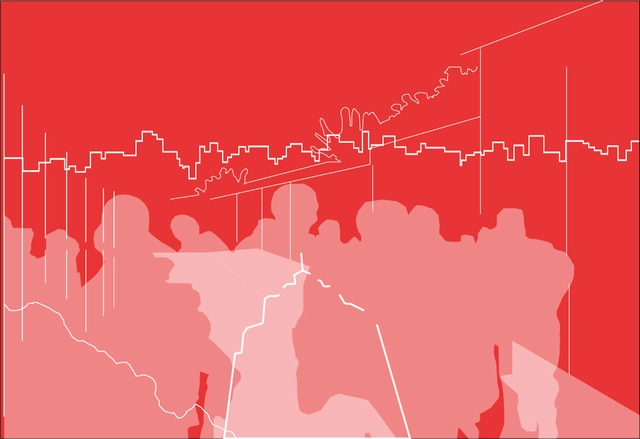
São Paulo, Sociedade Anônima is a film with a complex and profound approach to São Paulo, crafted with a sensitive and distinct 1960s perspective by those who lived through a moment of urban and socioeconomic renewal in the metropolis. Capturing this unique social transformation, the film became a cinematic landmark of the era, tracing an intense relationship between character and urban space. It contains multiple layers of interpretation that dissect the meaning of the modern, the urban, the scenographic, and the architectural, using these concepts as tools to express a historical period lived and experienced by its population, capturing the transformations of both the city and its society.
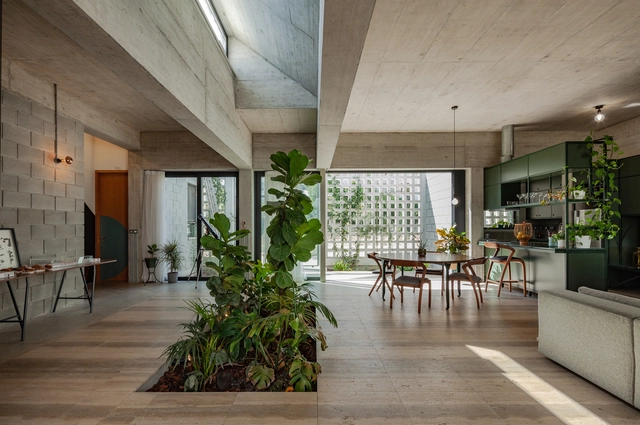
Humans spend most of their lives inside buildings, whether to live, work, or play. COVID-19 further highlighted this issue during lockdown, underscoring the need to design healthier and more comfortable buildings.
This article presents several tips for designing healthier projects, highlighting the importance of a systemic approach that integrates diverse disciplines—including architecture, engineering, materials science, mechanics, physiology, and psychology.
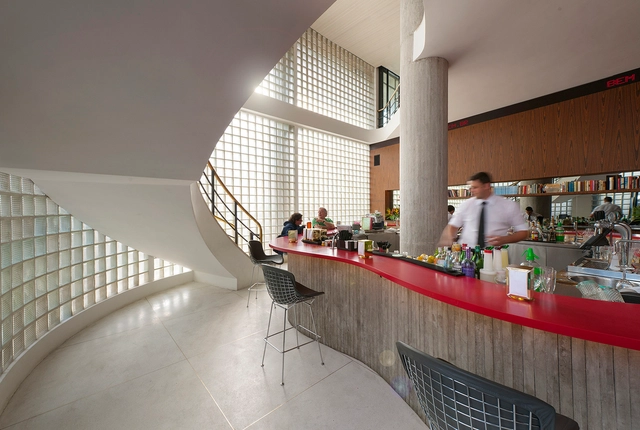
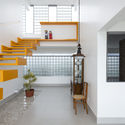
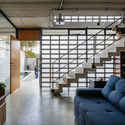
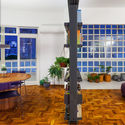
Associated with the architectural imagery of the 1980s, glass bricks—or blocks—are building elements whose sculptural potential has once again been recognized and revisited by contemporary design. First patented in 1907, this product was developed to meet the demand for light in building interiors; however, it is sought after today primarily for the visual effects produced by its translucency and texture. Currently, it is being used in diverse contexts, from bathrooms to residential partitions, and even entire facades of bars, stores, and restaurants.
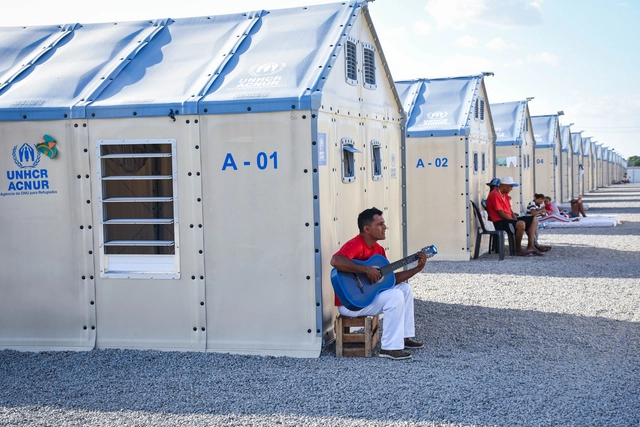
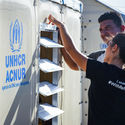
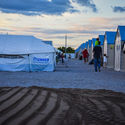
Juliana Coelho is an architect and urban planner with experience in the humanitarian, public, and private development sectors. For the past three years, she has been working in this sector with UNHCR, the UN Refugee Agency. During this period, she was involved in the planning, design, and implementation of 21 temporary shelters, transit centers, and reception/documentation centers for refugees and migrants in Brazil. She also participated in drafting a contingency plan and upgrading spontaneous settlements and donated spaces, providing technical support to Operation Welcome (Operação Acolhida)—the Brazilian government's response to the influx of Venezuelan refugees and migrants to Brazil, which in 2020 also included emergency response measures to COVID-19.
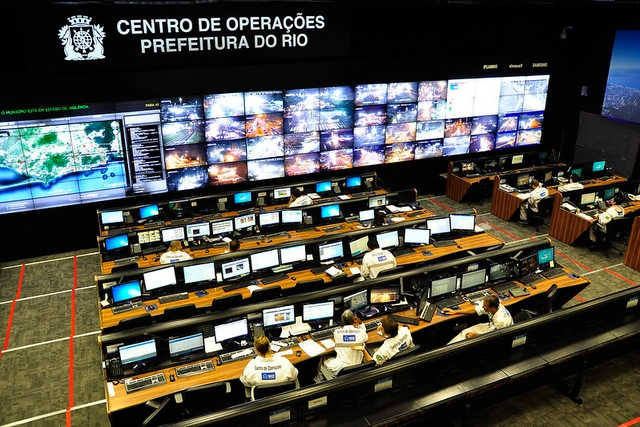
The growing presence of Information and Communication Technologies, known as ICTs, in daily life is driving profound transformations in society, shaped by new forms of interaction based on the intensive production and use of information. In a society where information is an essential raw material, the term big data has taken center stage across corporate, governmental, and academic spheres. Big data inherently refers to the vast, varied, and fast-moving volumes of data constantly being generated.
This "Data Revolution" is certainly palpable in Brazilian cities. But how can it help us move toward a better understanding and planning of our urban areas? The opportunities opened up by big data for exploring innovative questions about urban phenomena and dynamics—especially those involving real-time analysis—are undeniable.

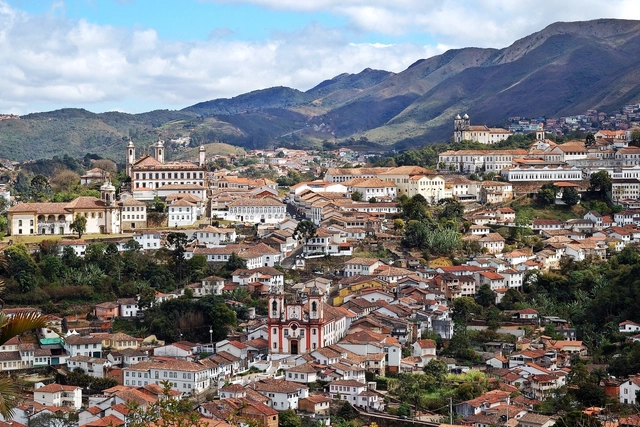
In August, the city of Ouro Preto, in Minas Gerais, signed a public-private partnership for a "smart city" project, setting in motion plans to become Brazil's first historic smart city. The contract entails an investment of R$ 10 million and establishes an administrative concession for the Ouro Luz consortium to operate Ouro Preto's public lighting network and telecommunications infrastructure for 25 years.
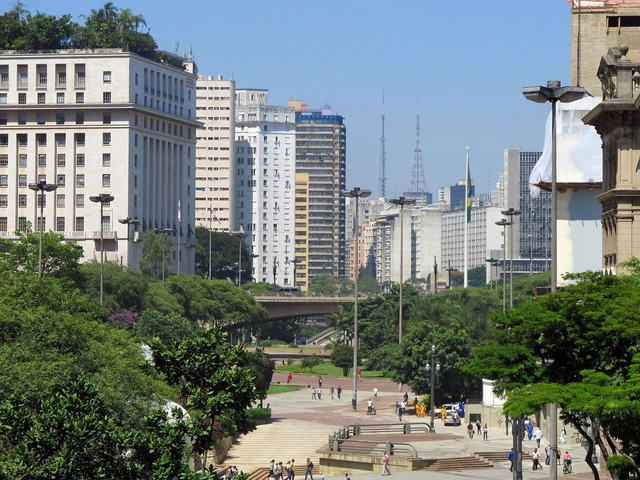
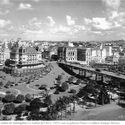
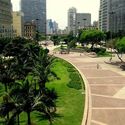
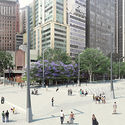
The Vale do Anhangabaú, or simply Anhangabaú, is the area of São Paulo that separates the so-called Centro Velho (Old Center) from the Centro Novo (New Center). True to its name, the Valley is the region bordering the stream of the same name—a somewhat ominous moniker that in Tupi-Guarani means “river or water of the evil spirit.” And indeed, judging by the various unsuccessful ways the space has been used over time, the “curse” embedded in its name seems to linger to this day.
We have compiled a list of our best articles, projects, and products on natural and artificial lighting in architecture.
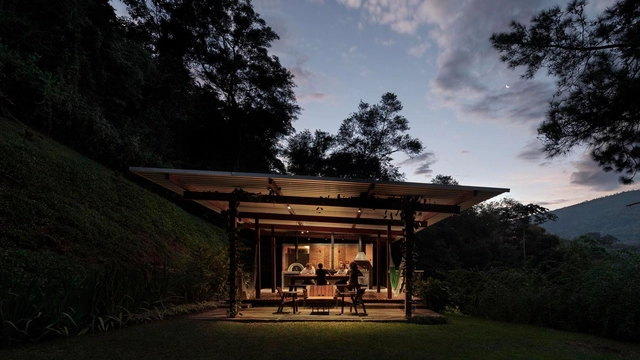
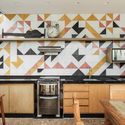
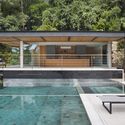
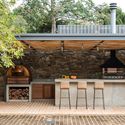
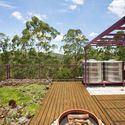
Across much of Brazil, the climate allows for the daily use of outdoor spaces. From the simplest backyards to backyard annexes equipped with barbecues and ovens, outdoor cooking is deeply rooted in the local culture. This practice has become even more prominent in light of the lessons learned from the pandemic, as open-air spaces tend to be safer. With this in mind, we have compiled twelve outdoor kitchens—or kitchens that open up completely to the outdoors—to provide design inspiration for this type of space.

Discussing the history of cities and architecture in Latin America requires an exercise in deconstruction. The dominant official narrative focuses on understanding the consequences of the colonization of the American continent – North, Central, and South – by European colonizers, overlooking the diverse cultures, techniques, and economies that for over fifteen hundred years shaped lifestyles and spatial production through distinct building traditions. These practices remain highly relevant to the multifaceted context of the world's most “vertical” continent, which spans more latitudes than any other.
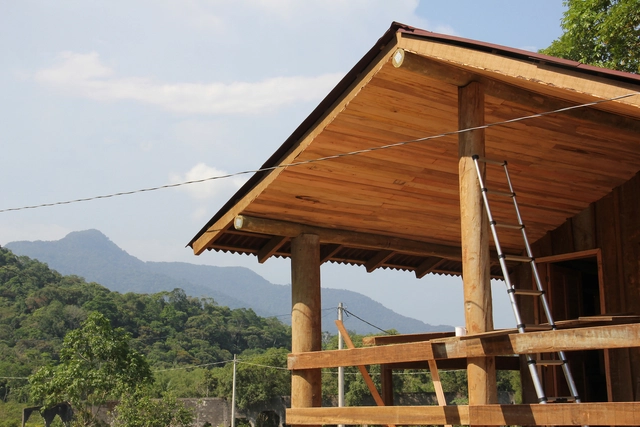
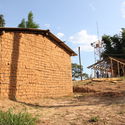
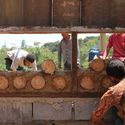
Between January and December 2018, addressing the housing demands of Indigenous communities, Grupo ][ Fresta initiated a technical architectural consulting project for the Guarani and Tupi ethnic communities located in the state of São Paulo, in the municipalities of São Paulo, São Bernardo do Campo, Mongaguá, Praia Grande, and Itanhaém.
This work was developed within the framework of a Basic Environmental Plan (PBA), a prerequisite for the environmental licensing of developments located in Indigenous territories.
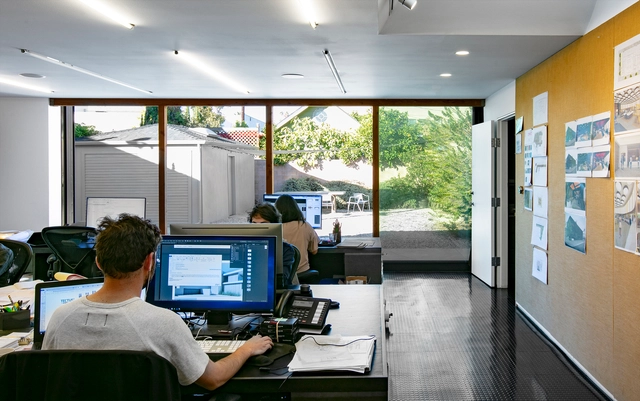
Architecture is one of the most beautiful professions—there is an undeniable romance in building the spaces where human beings dwell. It is also one of the oldest: if considered as an activity that organizes space, some form of architectural thinking can be identified dating back at least hundreds of thousands of years. Its beauty, however, is partially eclipsed by widespread frustration within the professional field in Brazil. A general lack of awareness regarding its importance to society, difficulty securing contracts, fierce competition, scarce opportunities in public projects, low-paying jobs, and a willingness to work without fees all contribute to the precarious state of architecture and urban planning.
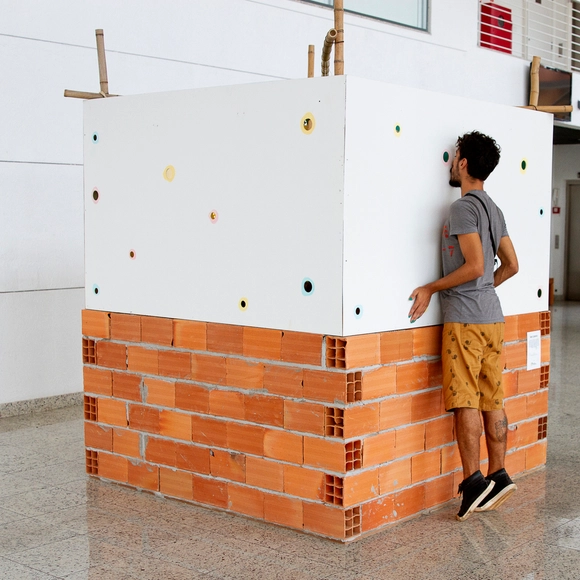
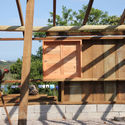
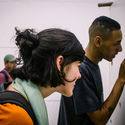
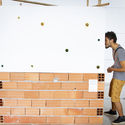
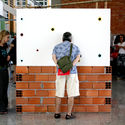
“WHERE DO WE FIND OURSELVES?” is the title of the installation produced by Estúdio Mangava for feverestival 2020 (Campinas International Theater Festival). It was exhibited during the second week of February, about a month before we went into quarantine. The festival's organizers challenged the studio to represent the edition's theme through an interactive installation, which aimed to reaffirm its present, revisit the past, and project the future: what do we want to build from here? What do we want to reinvent? What kind of world project are we seeking? What are our desirable futures?
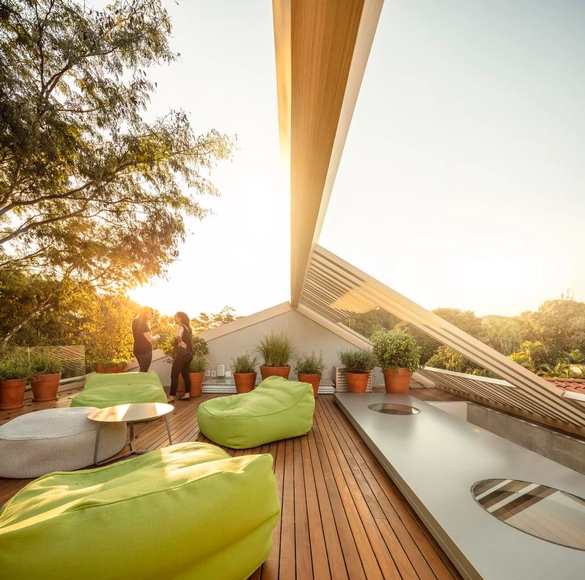
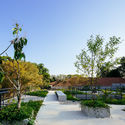
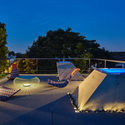
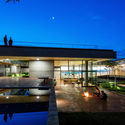
When imagining a building's roof being put to use, single-family homes are rarely the first thing that comes to mind. Utilizing the top level of a building is not always considered or prioritized; as a result, the opportunity to create spaces for contemplation and gathering—which foster a stronger connection to the outdoors and the climate—is often missed. Here, we gather 13 examples of terraces in Brazilian houses that demonstrate how this space can be utilized, regardless of its size.
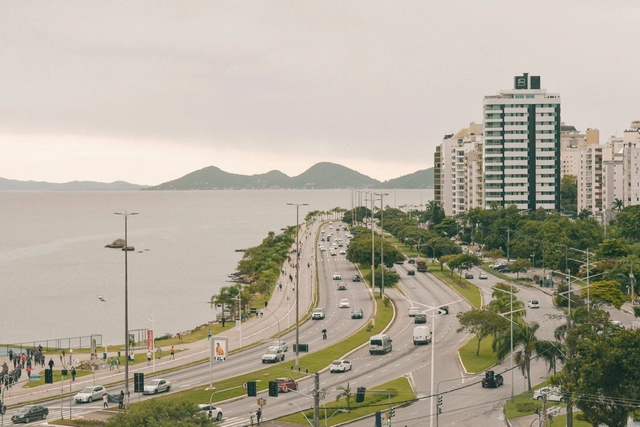
A city is a shared space where individuals seek to realize their desires and goals. Streets, sidewalks, and public spaces foster encounters and connections among diverse groups, strengthening the sense of community. Urban mobility plays a fundamental role in the social and economic development of cities, particularly in citizens' quality of life. It is not just about transportation, but about how people move through the city, impacting the time and energy expended by residents, as well as migration, communication, the formation of personal social networks, traffic flows, housing, health, and the spatial distribution of diverse points of interest. According to Ole B. Jensen, “contemporary cities and places are defined by mobility and their flows.”
Through the Contemporary Culture and Reality Seminar course—then coordinated by Professor José Guilherme Pereira, together with Baque Cidade and the Carmen Portinho Feminist Collective—Escola da Cidade welcomed Mestra Joana Cavalcante, from Nação do Maracatu Encanto do Pina, for a discussion on what Maracatu is and how, in its local territories—with the city of Recife (PE) serving as an emblematic case—it resists as a social organization while exposing issues such as racism, sexism, real estate speculation, and socio-spatial segregation.


Last week, Paulo Mendes da Rocha announced the donation of his entire project archive to the Casa da Arquitectura, a Portuguese institution based in Matosinhos dedicated to preserving and exhibiting architectural collections. The news was published at the time by ArchDaily and caused a stir among Brazilian architects, educators, researchers, and institutions—especially the FAUUSP, which expressed regret over Rocha's decision.
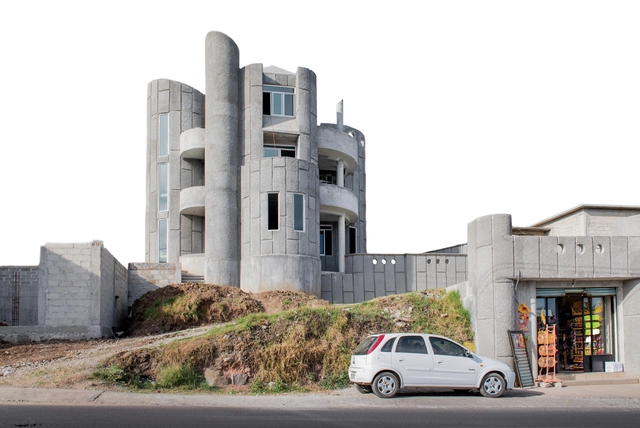
In Mexico, the practice of self-construction remains a divisive topic within the architectural community, with proponents both for and against a practice that is highly conventional and widespread throughout the country. However, though far from a consensus among construction professionals, autonomous building processes are an undeniable reality driven by economic, cultural, and social conditions—a phenomenon that knows no borders. With this in mind, over the last few years, architects have launched a series of initiatives aimed at developing and providing informative materials, support guides, and manuals for self-construction, addressing safety and well-being, and ultimately bringing to light a practice that is increasingly difficult to ignore.
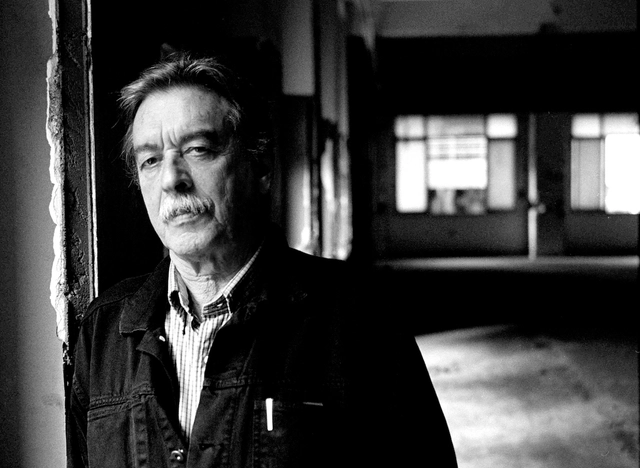
Following the donation of Paulo Mendes da Rocha's complete archive to the Casa da Arquitectura in Portugal, a major debate arose in Brazil, with many expressing regret over seeing the physical documentation of his intellectual and built work leave the country. Through an open letter released today, Nuno Sampaio, Executive Director of the Casa da Arquitectura, proposes institutional collaboration protocols with Brazilian entities.

What does the home of the future hold for us? And for whom will it become a reality? These questions served as the guiding principles for The Future of Living - Contrasts. With a keen eye on identifying the emerging movements that shape how we will live tomorrow, the research team at the Istituto Europeo di Design used the world during the COVID-19 pandemic as their primary backdrop. Drawing from this context, rather than simply discussing housing trends, the researchers address the challenges that must be resolved to make these trends a reality for everyone, rather than a mere set of forecasts that segregate rather than create opportunities.

Downtown São Paulo will receive a statue honoring Joaquim Pinto de Oliveira, an enslaved Black 18th-century architect known as Tebas. The announcement was made yesterday, September 10, by Mayor Bruno Covas at the São Paulo City Council.
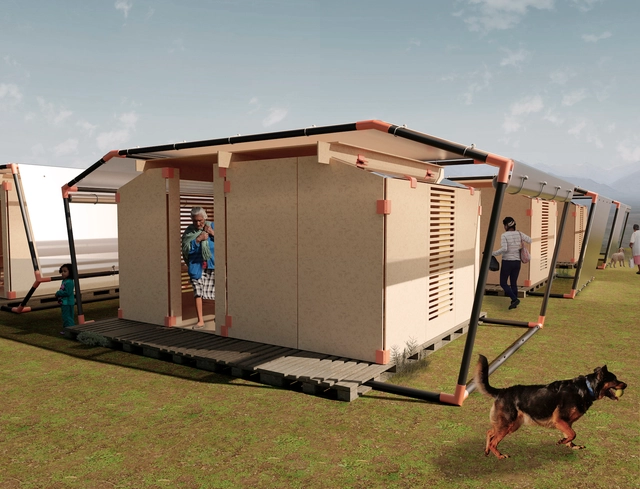
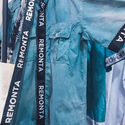
The winners of the 2nd Tomie Ohtake Institute Leroy Merlin Design Award have been announced. Originally scheduled to take place in person at the Tomie Ohtake Institute alongside an exhibition of the projects, the awards were instead announced via video due to the novel coronavirus pandemic.



.jpg?1598995537 "Cortesia de ACNUR")






.jpg?1599230293 "© Otávio Sasseron")






.jpg?1600699528 "Binder. Image Cortesia de Instituto Tomie Ohtake")