
This guide covers a workflow that moves from project parameters to generated floor plans, 3D perspective views, exterior design exploration, and site context visualization, using AI tools in place of preliminary CAD and rendering work.
This guide covers a workflow that moves from project parameters to generated floor plans, 3D perspective views, exterior design exploration, and site context visualization, using AI tools in place of preliminary CAD and rendering work.
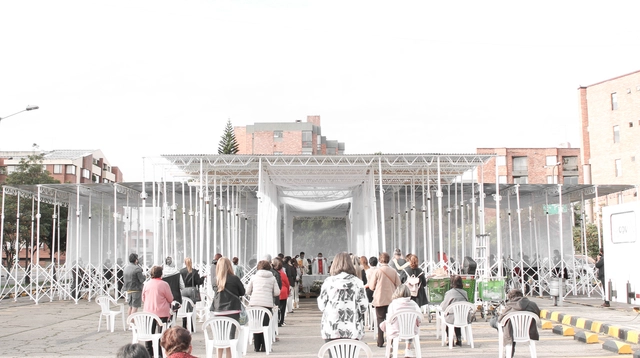
Construction shores, which typically support formwork for pouring concrete, have been used to structure a temporary chapel in Bogotá. These elements, usually relegated to construction processes, combine with zinc sheets and exposed structural trusses to define the project's spatial experience. Designed to be mobile, the chapel can be easily disassembled, ensuring its components can be reused in future projects.
Discover the project, born from a collaboration between SCA and Colab-19, designed to meet the desire of Bogotá's faithful to celebrate Easter.
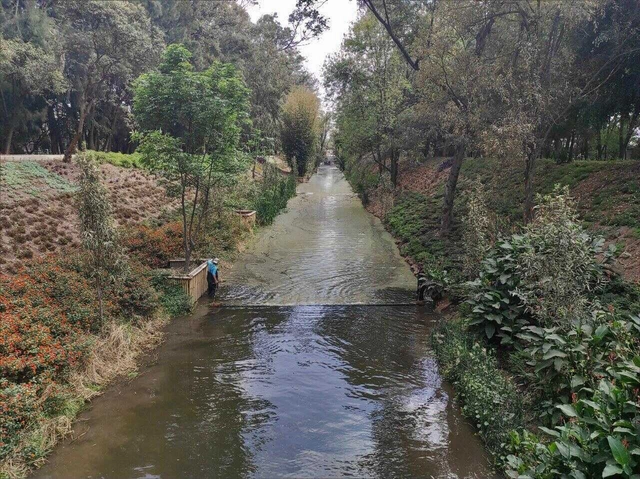
The restoration, rehabilitation, and recognition of urban rivers and canals must be integrated into state and federal policies, going beyond the mere practical use of the resource. In many developing nations, including Mexico, water-related challenges are heavily concentrated in cities, driven by the haphazard urban growth of recent decades.

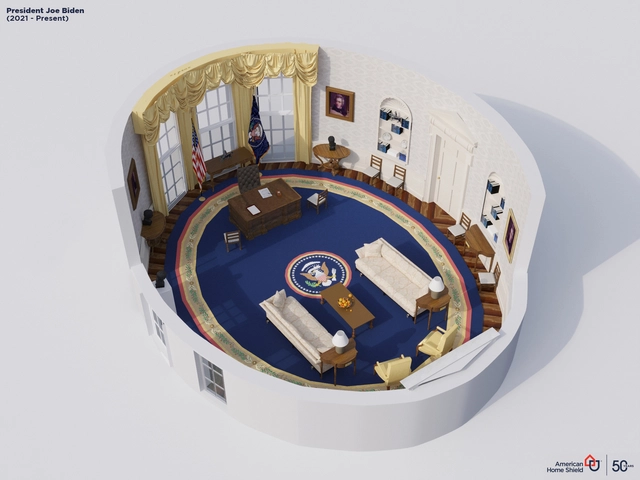
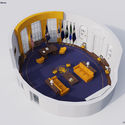
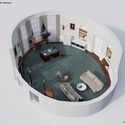
Redecorating the Oval Office is not just a statement of presidential taste; yet, as all spaces reveal principles that extend far beyond the visual, it is ultimately a statement of control. It is here that the president meets with international dignitaries and addresses the cameras to deliver messages of great importance, which is why he (or, one day, she) does not want it to look as though their predecessor still claims ownership of the space.

#Anodized Aluminum Panels
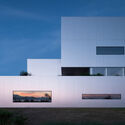
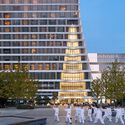
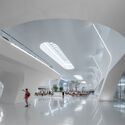
In recent years, anodized aluminum panels have emerged as a prominent material, utilized across numerous interior and exterior architectural projects in China. Anodized aluminum features six key characteristics: 1. Metallic Appearance, protected by a transparent anodic oxide film, the natural, soft metallic texture of aluminum is fully preserved; 2. Workability, anodized aluminum features exceptional workability, as well as outstanding forming and bending capabilities; 3. Surface Consistency, across diverse architectural forms, anodized aluminum panels maintain a highly uniform color; 4. Corrosion Resistance, the anodization process generates a dense oxide film on the metal surface, providing superior corrosion resistance and enhancing structural hardness and strength; 5. Weatherability, the static-free surface does not attract dust, making it easy to clean and maintain its pristine, like-new appearance even after repeated washing. This ensures the building facade stands the test of time; projects completed with anodized aluminum 40 years ago still look as good as new today; 6. Sustainability, functioning as an environmentally friendly material classified as Class A non-combustible.
#Almeco Anodized Aluminum Panels
Almeco is a global expert in pre-treated aluminum surfaces, offering a range of innovative anodized aluminum products for interior and exterior curtain walls and decoration. Their unparalleled metallic texture, rich colors, and excellent workability bring new vitality and artistic form to interior and exterior architecture, turning every building into a unique work of art. Consequently, Almeco has become the material of choice for renowned architects such as Jean Nouvel, Thom Mayne, MAD, and UNStudio.
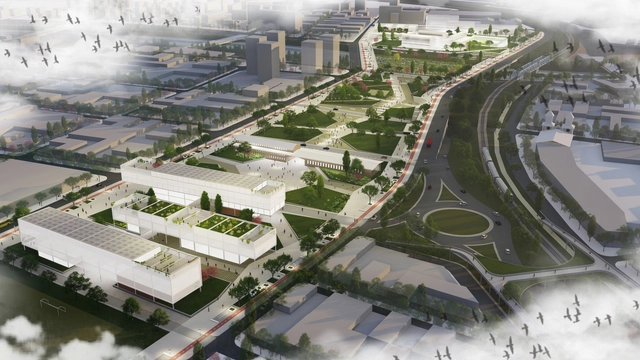
Organized by the Jujuy Association of Architects and sponsored by the Argentine Federation of Architects' Organizations (FADEA), the National Ideas Competition for the Former Penitentiary Site in the city of San Salvador de Jujuy is based on reimagining a new purpose for this walled, self-contained architectural and urban complex. Once located on the city's outskirts, the site now occupies a central position within the urban fabric. The goal is to transform it into an urban element that revitalizes and links degraded sectors.
The jury awarded first prize to architect Edgardo Barone, alongside collaborators Valentín Augusto De la Fuente, Juan María Mandalari, Joaquín Mortatti Perez, and Tomas Smachetti, and traffic engineering consultants Eng. Tomás Daels and Eng. Franco P. Di Biase. Discover the project below.
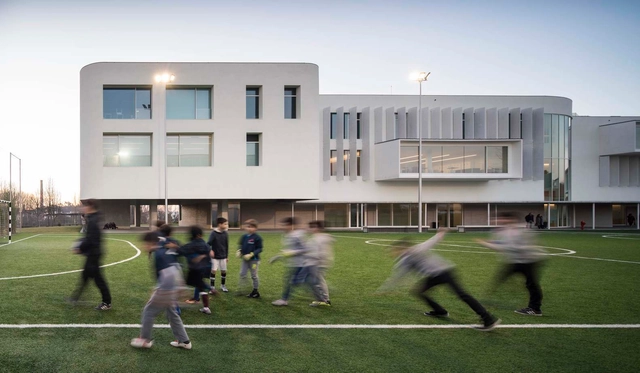
No País dos Arquitectos is a podcast created by Sara Nunes, who also runs the architectural film production company Building Pictures. The podcast aims to profile the professionals, projects, and stories behind contemporary Portuguese architecture. With just over 10 million inhabitants, Portugal is a highly compelling country in this professional field, with an architectural output that punches far above its demographic or territorial weight.
In this week's episode, Sara talks with architect Paula Santos about the Colégio Efanor, Campus II project, located in Senhor da Hora. Listen to the interview and read the transcript of the conversation below:
We invite you to participate in the 2021 Obra do Ano Award. In its fourth edition, we are giving our readers the responsibility of recognizing and rewarding the projects that have made the greatest impact on the profession. By voting, you become part of an unbiased network of jurors recognizing the most relevant projects built in Portuguese-speaking countries over the past year. There are only a few days left to close the nomination stage, which will select the 15 finalists from more than a thousand projects.
Remember, registered users can nominate their favorite project once a day. The nomination stage ends on Tuesday, March 23 at 11:59 PM (Brasília time, GMT-3). Thank you once again for helping us democratize architecture.

The “Faro Verde” Provincial Ideas Competition, organized by the College of Architects of the Province of Buenos Aires / District 8 (CAPBA) and promoted by BAHMS S.A. (a member of the Faro Verde Group), sought proposals for a new mixed-use building featuring housing, offices, retail, and parking in the city of Tandil, Buenos Aires Province, Argentina.
The jury awarded first prize to architects María Cristina Carasatorre and Luis Federico Risso, alongside collaborating architects Emilio Beilinson, Enrique Nakano, and Ms. María Sol Villaverde, with structural engineering consultation by engineer Alejandro Nico. Explore the project below.
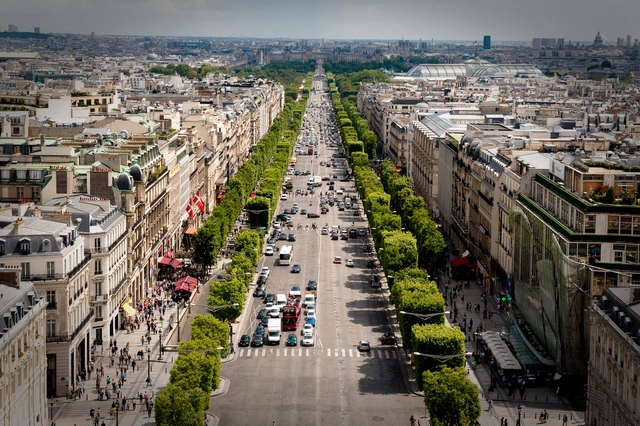
On August 30 of this year, a new speed limit of 30 kilometers per hour came into effect in Paris, France. Making streets safer, quieter, and less polluted are among the measure's goals. While it may seem too slow to many, the initiative has been paved gradually. The 30 km/h limit already applied to about 60% of Paris and now extends to cover almost the entire city. In addition, Paris has been implementing measures to restrict car use on certain streets for several years, while simultaneously expanding pedestrian-only zones.

More than a year has passed since the pandemic imposed a new routine and atypical safety protocols on the world. A survey by NZN Intelligence, in partnership with the Estadão Summit Mobilidade Urbana, shows that 45.3% of people in Brazil have changed the way they get around since then.
Avoiding crowds led 40.2% of respondents to increase their use of private cars and 31.6% to travel more on foot or by bicycle, reflecting a global trend toward promoting active mobility.
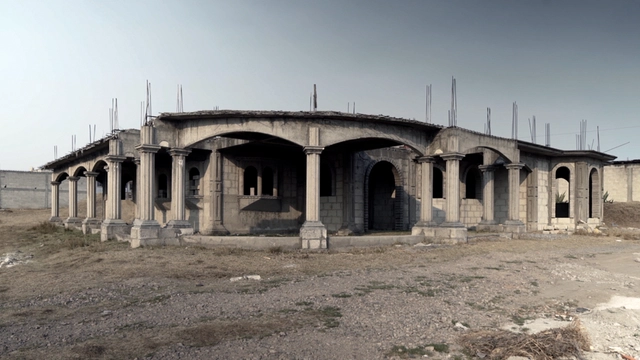
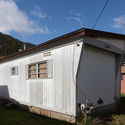
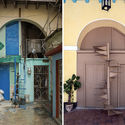
Over the years, driven by research that has brought once-neglected and marginalized issues to the fore, the debate surrounding self-construction and migratory processes has become increasingly vital for exploring the social phenomena reflected in the architecture of underserved, commonly termed "irregular" areas. While a clear polarization remains regarding what a living space should or should not be, we must observe what already exists—not only to contribute to the discussion but, above all, to listen and learn.
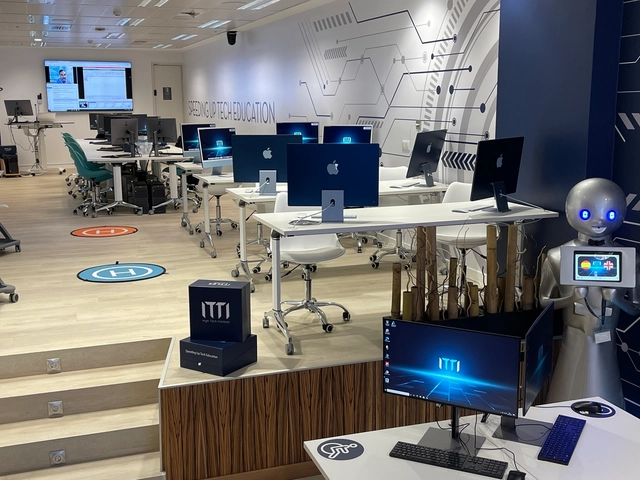
ITTI | High Tech Institute aims to pioneer BIM specialization, providing the knowledge to manage projects through its renowned "Learning By Doing" methodology. Its training programs equip BIM managers with the necessary resources to address complex issues from an innovative and revolutionary perspective.

The European Award for Architectural Heritage Intervention, organized by the COAC (Architects' Association of Catalonia) and AADIPA (Association of Architects for the Defense and Intervention in Architectural Heritage), has announced the shortlisted works in Category A (Intervention in built heritage) and Category B (Outer Spaces).
The finalists and winners will be announced on June 17 during the 5th International Biennial of Architectural Heritage Intervention.
"Domingos Libro" is hosted by Carmelo from Enorme Studio, where every two weeks, he delves deeply into forgotten architectural publications, books, and architectural magazines from the '60s, '70s, and '80s that carry the most interesting stories behind them.
This latest episode focuses on the 1989 double issue 181/182 of the Catalan magazine QUADERNS, specifically examining an unfinished house by Paco Alonso, an architect from the Madrid School who never completed any of his works and was once dubbed "The Builder of Ruins" by a colleague.
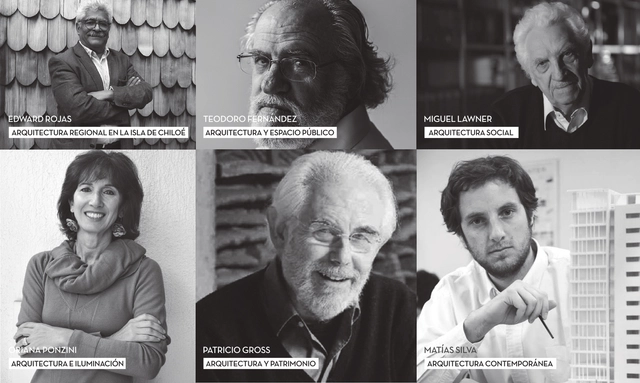
“Arquitectos” is a micro-documentary series produced by AvantVisual and directed by Mauro Alfaro on the life and work of prominent Chilean architects. The series was originally scheduled to premiere at the XXI Chile Architecture and Urbanism Biennial, “The Common and the Everyday.” However, due to the suspension of the Biennial in the wake of the 2019 social uprising, the premiere could not take place.

Out of necessity, buildings change uses over time. Churches become libraries, and abandoned warehouses are transformed into cultural centers. Although much has been written on the subject since N. John Habraken's concept of open building in the 1970s, a fascinating global debate is currently underway. Do we really need so much square footage dedicated to offices when the pandemic proved that much of our work can be done remotely?
Today is the day to announce the finalists for ODA2021. Our expert jury—meaning you, our readers—has selected 15 favorite projects from nearly 1,000 works of architecture across Latin America and Spain.
Now in its thirteenth year, this award has become a true tradition. We invite all of our readers to recognize the projects published during 2020 that inspired them and represent the identity of their local contexts in a globalized planet, shaping architectural practice in Latin America and Spain within an increasingly heterogeneous and multicultural world.
Starting today and until next Wednesday, March 31, at 11:59 PM (GMT -3), you can explore each of the finalists in detail and vote for the work that best represents the "Spanish-language" architecture that inspires us, defines us, and leaves its mark on us.

It took nearly 60 years to build the San Carlos Canal, an engineering feat that drew water from the Maipo River to irrigate the lands of southeastern Santiago.
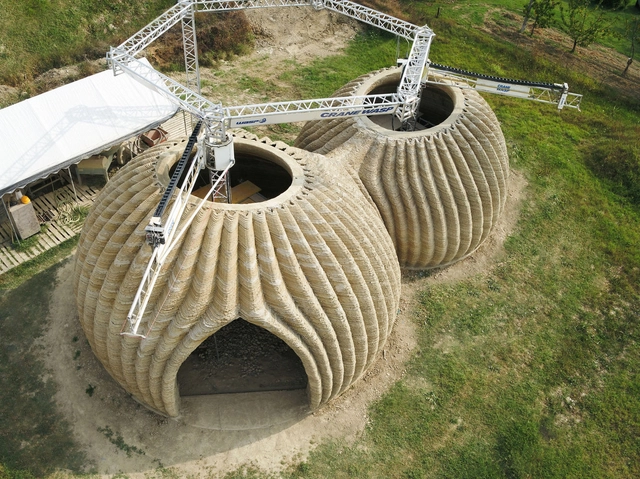
This project represents the latest collaboration between Italian firm Mario Cucinella Architects (MC A) and WASP, marking the first time the two teams have used raw earth—a natural, fully recyclable material—for 3D-printed construction. Located in Massa Lombarda (Ravenna, Italy), the completed habitat is named TECLA. The earthen dome was constructed in 200 hours of continuous printing by multiple synchronized 3D printers.

This week's featured career opportunities come from two design firms based in Beijing and Shanghai: IN.X Design and SLT- STUDIOLITE. Specialized in projects of varying scales and themes, both practices are highly active across diverse design sectors and are looking to recruit like-minded design talent to join their teams.
.jpg?1626363543&format=webp&width=640&height=580)
Architect Martín Luis Gutiérrez Martínez was born in Gómez Palacio—a city in the state of Durango, Mexico—in 1927, and he never left behind his Northern roots or any of his lifelong convictions. During the brief and cherished time I shared with him, our conversations were always filled with his exceptional memory, enlivened by an untiring passion for living and feeling architecture.
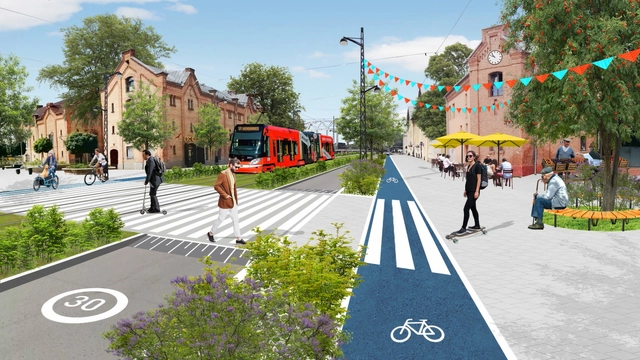
Cars remain one of the primary modes of transportation and a major contributor to the climate crisis, as the vast majority consume fossil fuels and generate emissions—particularly carbon dioxide, which intensifies the greenhouse effect and, consequently, global warming. As such, World Car-Free Day is celebrated internationally on September 22 to encourage people to spend a day without their cars and reflect on car dependency. To offer new perspectives on this issue, we highlight the work of Latvian architect Oto Ozols, who envisions cities designed for people rather than cars through videos that demonstrate how public space can be improved from this perspective.
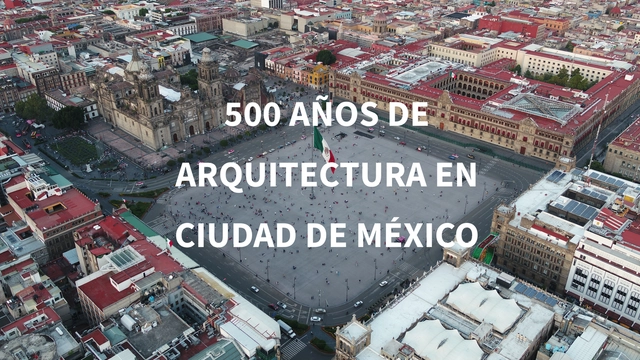
Today, August 13, commemorates two pivotal events in Mexico's history: the approximate founding of Tenochtitlan, capital of the Mexica civilization, around 1325 on an island in Lake Texcoco in the Valley of Mexico; and the fall of this empire in 1521 to the Spanish army led by the conquistador Hernán Cortés.
These are just a few of the many events that shape today's Mexico City, making it nearly impossible to summarize them all. Nonetheless, revisiting some of these milestones helps us understand the very ground we stand on and, above all, reflect on the future of our actions as architecture professionals: from the pre-Hispanic period, colonization, Independence, and the Revolution, to the foreign influences of the Modern Movement and the diverse interpretations that culminate in what we recognize today as contemporary architecture.
Archivo de Ideas Recibidas is an interdisciplinary research and dissemination project that seeks to document and connect the ideas of people contributing to the contemporary creative ecosystem through art, design, and architecture. It is built on conversations between the team and various creators, exploring themes related to memory, academia, cultural context, main influences, and working methodologies.





_page_6.jpg?1627570542 "\"Architecture without architects\". Image © Sandra Calvo")
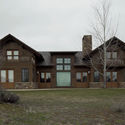

.jpg?1626363518 "Cristóbal Colón School. Image © Archivo Martín L. Gutiérrez Martínez")
.jpg?1626363496 "Revolución Ice Rink. Image © Archivo Martín L. Gutiérrez Martínez")
.jpg?1626363542 "Cristóbal Colón School. Image © Archivo Martín L. Gutiérrez Martínez")
.jpg?1626363655 "UBAC Rectory. Image © Archivo Martín L. Gutiérrez Martínez")
.jpg?1626363543)