In this week's debate hosted by Escola da Cidade, Guilherme Wisnik talks with Nuno Ramos, a painter, draftsman, sculptor, writer, filmmaker, set designer, and composer who holds a degree in philosophy from the University of São Paulo.
News
Brazil, Inside the Chamber of Lies: Guilherme Wisnik in Conversation with Nuno Ramos
https://www.archdaily.com/1124326/brazil-inside-the-chamber-of-lies-guilherme-wisnik-in-conversation-with-nuno-ramosRomullo Baratto
Casa da Arquitectura interviews Elisabete França
Elisabete França, a public administrator dedicated to implementing urban development, housing, and urban mobility programs, is the eighth guest on Studio Casa, an interview series produced by Casa da Arquitectura - Portuguese Center for Architecture.
Elisabete França has distinguished herself over the last few decades through her work promoting and disseminating architecture, curating several national and international exhibitions, and coordinating conferences and specialized publications. She holds a PhD from FAU Mackenzie and is a professor in the Architecture program at the Armando Alvares Penteado Foundation (FAAP).
https://www.archdaily.com/1123558/casa-da-arquitectura-interviews-elisabete-francaRomullo Baratto
Architecture and the circular economy in the era of shared spaces
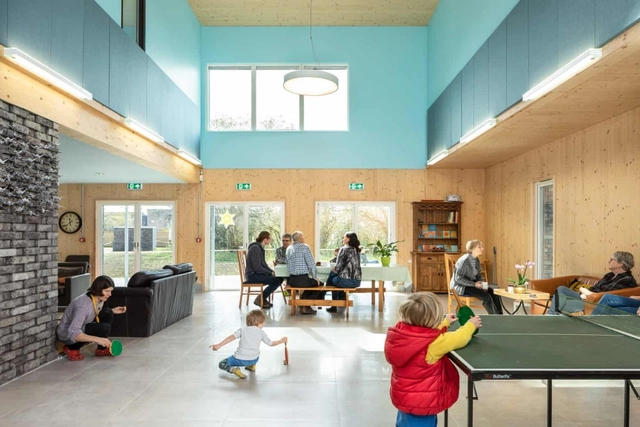
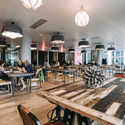
The circular economy has also been adopted as a model in the architecture and construction sector, aiming to create more efficient, functional, and sustainable building projects. The 3Rs (Reduce, Reuse, and Recycle) used as circular economy strategies are already widely recognized, with the first R, "Reduce," being the primary goal in any project. From this perspective, one of the most effective ways to reduce material consumption, natural resources, and costs in building projects is to decrease the size of occupied spaces and built-up area (while maintaining appropriate levels of spatial quality, such as accessibility, ventilation, natural light, layout compatibility, etc.).

https://www.archdaily.com/1123570/architecture-and-the-circular-economy-in-the-era-of-shared-spacesLucas Rosse Caldas
Brazilian Houses: 16 Residences with Wooden Staircases
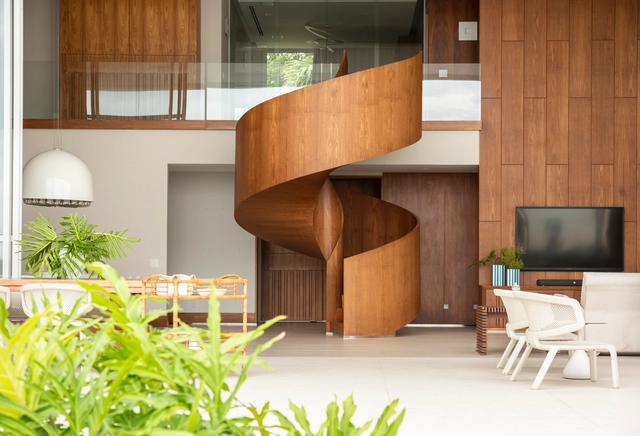
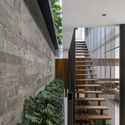
Staircases made of wood can offer a unique character to each project, thanks not only to the different configurations they can occupy in a space, but also to the variations in color and texture provided by different wood species and cuts, as well as the various ways of arranging the treads.


https://www.archdaily.com/1123796/brazilian-houses-16-residences-with-wooden-staircasesSusanna Moreira
"Every Project Is an Opportunity to Build": A Conversation with Solano Benítez and Gloria Cabral
.jpg?1590707073&format=webp&width=640&height=580)
The graduate program of Escola da Cidade — Geography, City, and Architecture — hosted architects Solano Benítez and Gloria Cabral for a series of lectures. On this occasion, an interview was conducted with the partners of Gabinete de Arquitetura, a firm that has won awards such as the SI Swiss Architectural Award 2007-2008 (Switzerland), the AIA Honorary Fellowship 2012 (USA), and the Golden Lion at the 2016 Venice Biennale.
https://www.archdaily.com/1123963/every-project-is-an-opportunity-to-build-a-conversation-with-solano-benitez-and-gloria-cabralEscola da Cidade
UN launches online publication on urban parks with a gender perspective
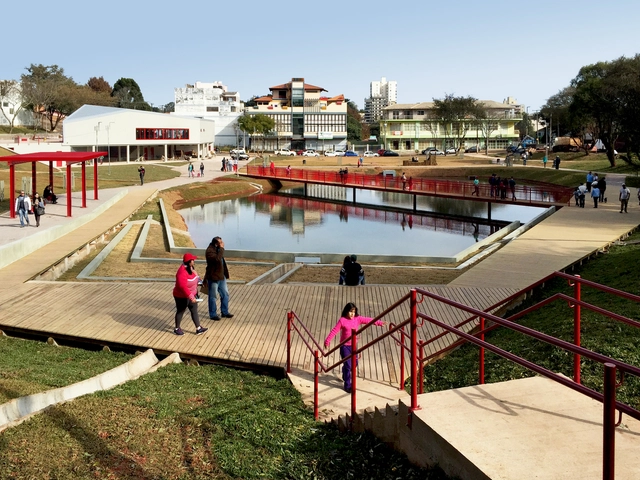
Developed by the Semeia Institute and the United Nations Office for Project Services (UNOPS), Parques para Todas e Todos is a tool to inspire the creation of more diverse spaces by incorporating a gender perspective into the planning and management of urban parks. It offers guidelines, suggestions, and ideas to begin designing parks that address everyone's needs.
https://www.archdaily.com/1123346/un-launches-online-publication-on-urban-parks-with-a-gender-perspectiveRomullo Baratto
Through tactical urbanism, cities tackle COVID-19 by prioritizing pedestrians and cyclists.

Bike lanes created overnight, streets converted into slow zones, hastily extended sidewalks—all to accommodate the need for urban mobility in a pandemic scenario. COVID-19 has driven major urban interventions, often without the possibility of extensive planning or investment. Cities are turning into living laboratories for experiments that can bring benefits during the crisis and leave behind a more sustainable world once the worst has passed.
https://www.archdaily.com/1123876/through-tactical-urbanism-cities-tackle-covid-19-by-prioritizing-pedestrians-and-cyclistsBruno Batista e Fernando Corrêa
Smart buildings: an evolving concept
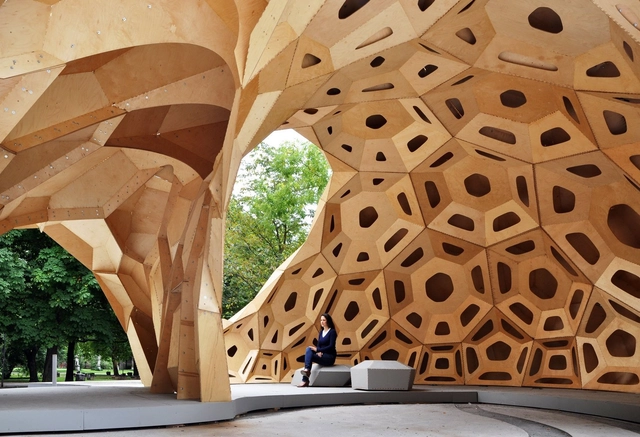
"Smart buildings" is a term that has gained prominence in recent years, both as a way to design more efficient buildings that offer greater benefits to their users and as a vehicle for the real estate industry to find a new market niche.
In many cases, the term "smart" is overused, often serving merely as a marketing pitch for so-called innovative technologies. In this light, because any technology can become obsolete over time, many building projects considered modern, advanced, or smart at the time of their construction are no longer deemed so today.


https://www.archdaily.com/1123669/smart-buildings-an-evolving-conceptLucas Rosse Caldas
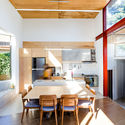
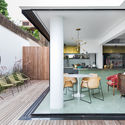
Brazilian Houses: 19 Residences with Integrated Kitchens
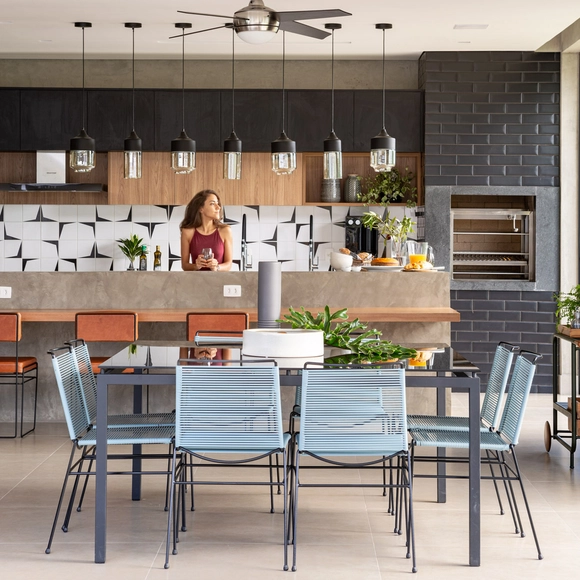
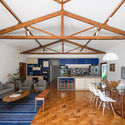
With the goal of blurring the boundaries traditionally imposed by walls, so-called integrated kitchens can be incorporated into adjacent spaces—most commonly living and dining rooms—using counters, tables, split levels, or even contrasting flooring and finishes.


https://www.archdaily.com/1123448/brazilian-houses-19-residences-with-integrated-kitchensSusanna Moreira
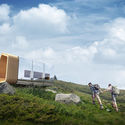
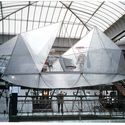
Nomadic Architecture: Moving Without Leaving Home

On one hand, the exorbitant speed represented by rapid, minute-by-minute propagation, the crossing of borders, the spread across all continents, and unrestrained multiplication. On the other, the untouched, the immobile, the domestic cloister, isolation, and confinement in an attempt to avoid any sudden movement, suppress impulse, and control the environment. On one side, the virus; on the other, humanity.
In this pandemic scenario, where a deadly virus is nurtured by the uninterrupted speed of our movements—making us, ourselves, its driving force—immobility is seen as a key part of the antidote. This is an immobility that costs us dearly, confining us to our homes and forcing us to rethink how we experience the world.



https://www.archdaily.com/1123845/nomadic-architecture-moving-without-leaving-homeCamilla Ghisleni
Active mobility as a possibility for a better city
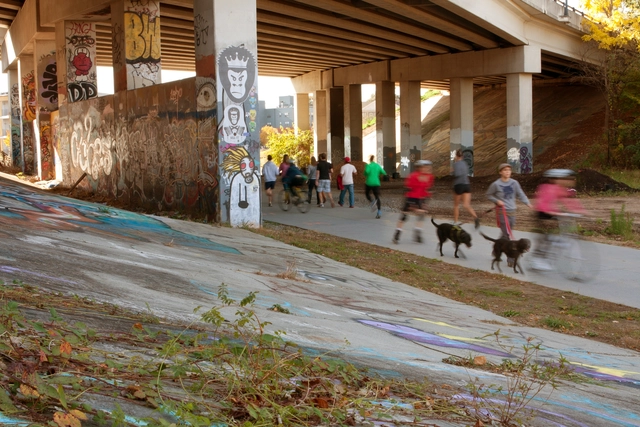
Today is World Bicycle Day, celebrated for the diverse social, economic, and environmental benefits that this mode of transport and recreation offers. By establishing this day, the UN recognizes the contribution of cycling to the Sustainable Development Goals, including the creation of more sustainable cities and communities. This perspective gains even greater relevance during and after the pandemic. When exploring healthy ways to move around the city, active mobility stands out as a highly feasible, short-term alternative—one that goes beyond bike lanes to encompass the well-being of the citizen as a whole.
https://www.archdaily.com/1124062/active-mobility-as-a-possibility-for-a-better-cityVictor Delaqua
Martin Corullon talks about prefabrication and his projects with Paulo Mendes da Rocha
Partner and founder of the firm Metro Arquitetos Associados, Martin Corullon is the ninth guest of Studio Casa, an interview series produced by Casa da Arquitectura - Portuguese Center for Architecture. Since 1994, Corullon has frequently collaborated with architect Paulo Mendes da Rocha, with whom he has completed several projects on a wide range of scales.
Between 2008 and 2009, he worked at Foster+Partners in London. He has been a professor at Escola da Cidade since 2014 and was elected a member of CAU/SP for the 2018–2020 term. The interview is conducted by architect and curator Francesco Perrotta-Bosch.
https://www.archdaily.com/1123742/martin-corullon-talks-about-prefabrication-and-his-projects-with-paulo-mendes-da-rochaRomullo Baratto
Children's participation in building humanized cities
_John_Donat_RIBA_Library_Photographs_Collection.jpg?1591219236&format=webp&width=640&height=580)
Today, building humanized cities is predicated on full public participation, as outlined by national public policies institutionalized in Brazil's City Statute. However, it is clear that these mechanisms are largely geared toward adults, leaving children and youth on the margins of the participation and decision-making process.

_John_Donat_RIBA_Library_Photographs_Collection.jpg?1591219236)
https://www.archdaily.com/1124151/childrens-participation-in-building-humanized-citiesAna Paula Wickert
Creating governance in the informal city: the case of Jardim Colombo
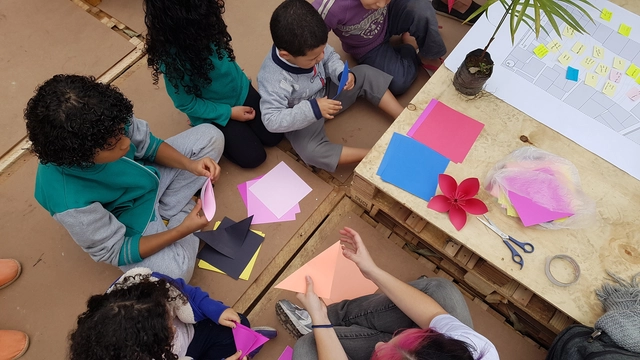
The landscape of Brazilian cities shifts between two striking realities. On one hand lies the formal city, where the rule of law prevails, the right to the city is exercised, and high-quality infrastructure and public and private investments are concentrated. This is also the reality used as the baseline for formulating laws and urban planning guidelines, and where the presence of the state is most visible.
On the other hand, there is the informal city—occupying the peripheries and favelas, with an identity marked by exposed clay bricks and excessive density. Here, self-built housing dominates, regardless of land ownership, alongside informal occupation and a chronic absence of public policies and basic infrastructure. Leisure spaces, cultural venues, and green areas are deeply lacking.



https://www.archdaily.com/1123731/creating-governance-in-the-informal-city-the-case-of-jardim-colomboMovimento Fazendinhando
Guilherme Wisnik and Bruno Dunley discuss art in the periphery of São Paulo
Guilherme Wisnik talks with Bruno Dunley, a visual artist, teacher, and co-creator and member of the project ali: arte livre itinerante, a nomadic art school that bridges centers and peripheries, operating in the district of Cidade Tiradentes on the far east side of São Paulo.
https://www.archdaily.com/1123449/guilherme-wisnik-and-bruno-dunley-discuss-art-in-the-periphery-of-sao-pauloRomullo Baratto
Wikipedia launches contest to improve articles related to Brasília
.jpg?1591199099&format=webp&width=640&height=580)
The National Archives Wiki-Contest is an editing competition on the Portuguese Wikipedia that aims to improve articles related to Brasília. It is part of a series of activities throughout 2020 conducted in collaboration by the Wiki Movimento Brasil User Group and the National Archives. The Wiki-Contest aims to encourage the Wikipedia editing community to improve entries related to the National Archives' Inter-wiki WikiProject initiative, which has been active since 2017.
https://www.archdaily.com/1123451/wikipedia-launches-contest-to-improve-articles-related-to-brasiliaRomullo Baratto
Architecture at Sea: 9 Projects Related to the Ocean
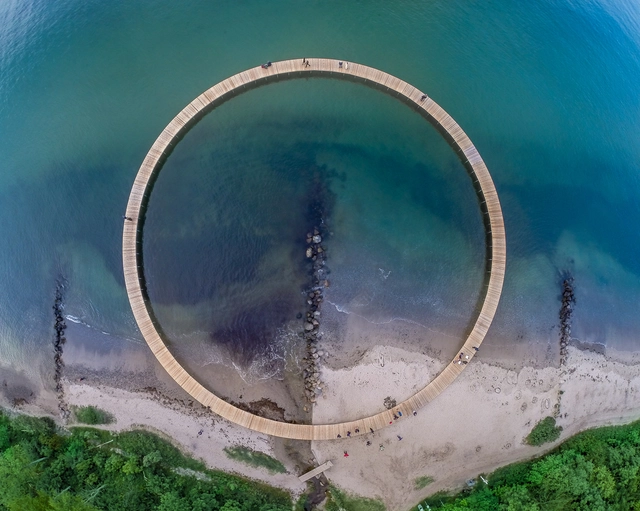
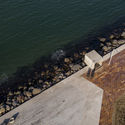
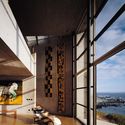
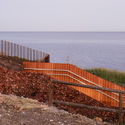
Since 1992, following the United Nations Conference on Environment and Development, World Oceans Day has been celebrated on June 8 as a tribute to the sea and everything it offers, from raw resources to its powerful presence as a landscape landmark. In architecture, projects that engage with this infinite expanse of water have the opportunity to dialogue directly with one of nature's most powerful and expressive elements.

https://www.archdaily.com/1123404/architecture-at-sea-9-projects-related-to-the-oceanJulia Daudén
Canada Invests in Urban Agriculture to Overcome Pandemic Adversities
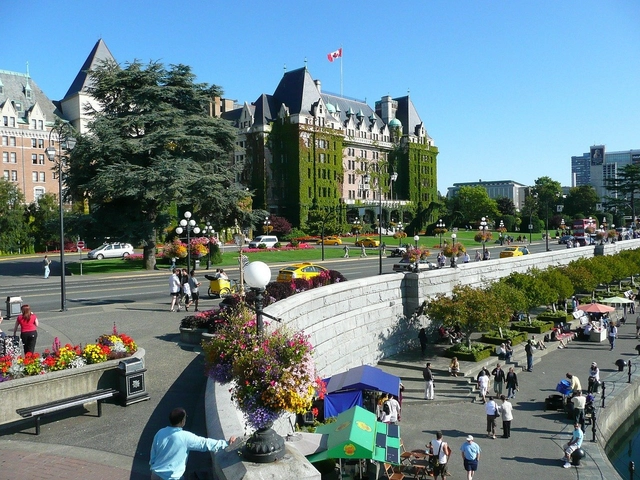
Victoria is a Canadian city famous for its flower gardens. Its climate favors the cultivation of different types of flowers, earning the city the reputation of Canada's flower capital, or the "Garden City." However, the coronavirus pandemic has slightly changed this landscape. The city's gardening team has prioritized planting vegetable seedlings to be distributed free of charge, as public interest in growing one's own food has grown considerably during this period.
https://www.archdaily.com/1123375/canada-invests-in-urban-agriculture-to-overcome-pandemic-adversitiesNatasha Olsen
The work-from-home routine: challenges, opportunities, and reflections

Amid the pandemic, it is estimated that 900 million people are or have been under home quarantine during the first half of 2020. Quarantine, imposed by the need for physical distancing, demanded a reorganization of routines, work relations, and, consequently, the spaces that previously accommodated these dynamics. Working from home is nothing new in many professions, including for some architects accustomed to independent design practice or research. However, the unprecedented nature of the pandemic has brought a series of challenges to performing different functions that must now take place in the same location, at the same time, and often by different family members (parents, children, grandparents).
https://www.archdaily.com/1123806/the-work-from-home-routine-challenges-opportunities-and-reflectionsArquicast
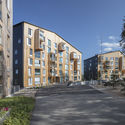
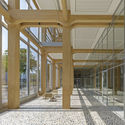
Constructive Possibilities of Timber in 8 Tall Buildings

Currently, the most common materials used in high-rise construction—steel and concrete—are non-renewable and energy-intensive to produce. In this context, wood represents a more sustainable alternative for tall building structures, offering well-known benefits such as renewability, carbon sequestration, low embodied energy during extraction, and rapid construction times. Moreover, contrary to popular belief, mass timber can perform exceptionally well in terms of fire resistance, as discussed in a previous article.



https://www.archdaily.com/1123768/constructive-possibilities-of-timber-in-8-tall-buildingsSusanna Moreira
Gustavo Penna wins competition to design Brumadinho Memorial in honor of the victims
.jpg?1591820635&format=webp&width=640&height=580)
Nearly two years after the collapse of the Córrego do Feijão mine dam in Brumadinho, Minas Gerais, the city's residents will receive a monument to honor the victims. The Brumadinho Memorial was designed by the firm GPA&A, founded by architect Gustavo Penna, and will serve to remind all Brazilians of one of the worst environmental tragedies in the country's history.
.jpg?1591820618 "Crevice Corridor. Courtesy of Gustavo Penna Arquiteto & Associados")
Estagio_03.jpg?1591820696 "Memory Space. Courtesy of Gustavo Penna Arquiteto & Associados")
.jpg?1591820499 "Foyer. Courtesy of Gustavo Penna Arquiteto & Associados")
.jpg?1591820517 "Aerial view. Courtesy of Gustavo Penna Arquiteto & Associados")
.jpg?1591820635)
https://www.archdaily.com/1123697/gustavo-penna-wins-competition-to-design-brumadinho-memorial-in-honor-of-the-victimsRomullo Baratto
Feet at Home: a series of playful activities to do at home
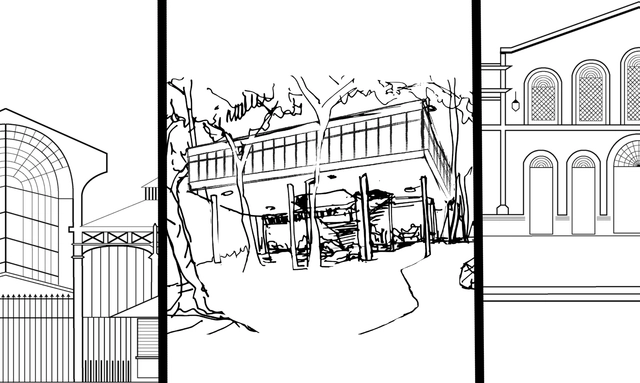
Pé na Estrada is an outreach project of the School of Architecture and Urbanism at the University of Brasília, active since 2011 as an extracurricular activity. Its primary goal is to organize and promote study trips across Brazilian cities. However, due to the COVID-19 pandemic, the project had to adapt to social distancing, launching new heritage education initiatives and encouraging alternative ways of experiencing spaces studied in the classroom to expand the knowledge and creative vocabulary of both students and the community.
https://www.archdaily.com/1124064/feet-at-home-a-series-of-playful-activities-to-do-at-homeVictor Delaqua
Technical Assistance Groups from São Paulo Send Letter to CAU on the Urgency of Supporting ATHIS Initiatives

Faced with the current emergency imposed not only by the largest pandemic in modern history but also by the complete lack of governance ruling this country, compounded by structural inequality that causes a veritable genocide of our society's most vulnerable population, we, architects and urban planners representing technical advisory groups in the State of São Paulo—with a historic trajectory of action and housing production guided by the struggle for the right to the city—believe it is essential to take a stand on the importance of effective actions by this body, which represents our profession, aimed at the needs of organized communities living in informal settlements or in situations of social vulnerability:
https://www.archdaily.com/1124170/technical-assistance-groups-from-sao-paulo-send-letter-to-cau-on-the-urgency-of-supporting-athis-initiativesUsina - CTAH, Peabiru tca e Ambiente Arquitetura
Arquiteturas Film Festival will make architecture films available online weekly
One of the world's most prestigious architecture-focused film festivals, the Arquiteturas Film Festival is launching a retrospective series of its seven previous editions, held between 2013 and 2019, with online screenings of some of the key films from each year. To kick off the series, the Canadian film Misleading Innocence (2014), directed by Francesco Garutti and Shahab Mihandoust, will be available between June 12 and 19 on the festival's website.
https://www.archdaily.com/1124034/arquiteturas-film-festival-will-make-architecture-films-available-online-weeklyRomullo Baratto