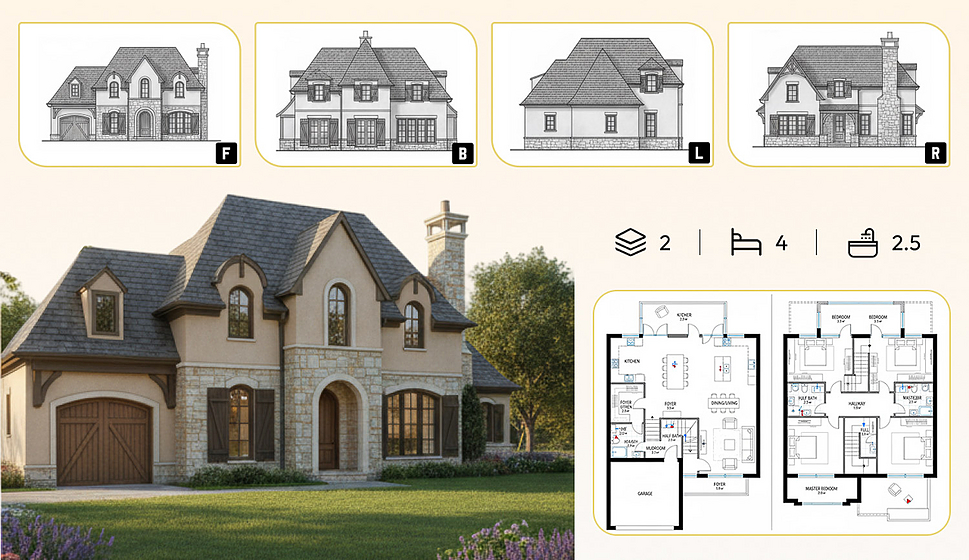
This guide covers a workflow that moves from project parameters to generated floor plans, 3D perspective views, exterior design exploration, and site context visualization, using AI tools in place of preliminary CAD and rendering work.
This guide covers a workflow that moves from project parameters to generated floor plans, 3D perspective views, exterior design exploration, and site context visualization, using AI tools in place of preliminary CAD and rendering work.
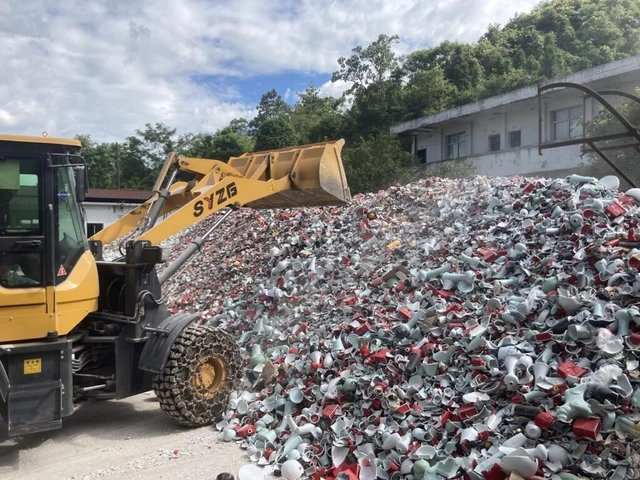
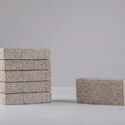
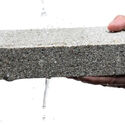
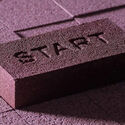
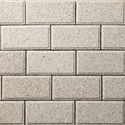
In its quest to develop circular products, Chinese company Yi Design has been creating various bricks from recycled materials. These products offer construction alternatives to address a major industry challenge: the generation of ceramic waste.
According to Yi Design, approximately 18 million tons of ceramic waste are produced every year in China. Headquartered in Jingdezhen, the country's ceramics capital, the group developed YiBrick, a permeable brick made of over 90% recycled ceramic. The material's production also incorporates wastewater and the fine dust from crushing raw waste.
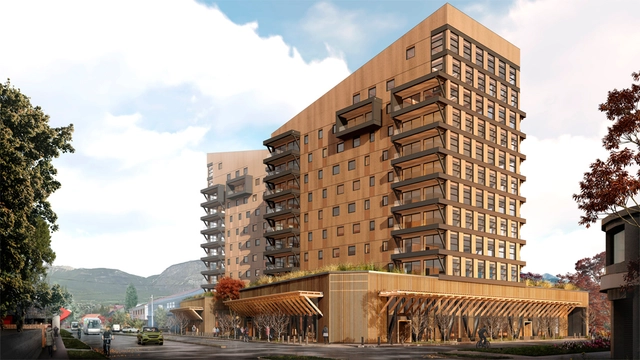
The recent arrival of the Minergie certification in Chile is overseen by EBP Chile. This effort includes training Chilean professionals in this Swiss low-energy building standard, alongside the recent granting of provisional certification to the Covarrubias Hernández House in Lliu Lliu, Limache, designed by Murillo+Toro Arquitectos, and the Burgos Net Zero Building, developed by Cristián Izquierdo together with Tecton Inmobiliaria.
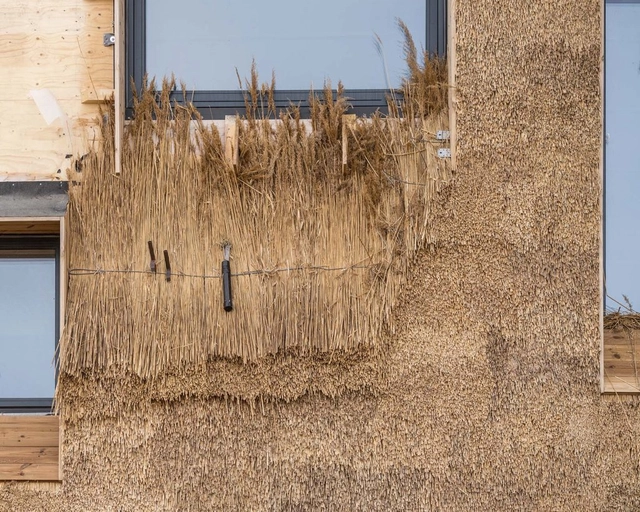
The practice of building with straw has existed since the dawn of civilization. Given the devastating impacts of contemporary construction methods, could straw be a viable, biogenic alternative to today's building materials?
Evidence suggests that straw and reed have been used in construction for over 10,000 years. Since then, the Industrial Revolution has completely transformed building practices, introducing the mass production of steel, glass, and, not least, concrete.
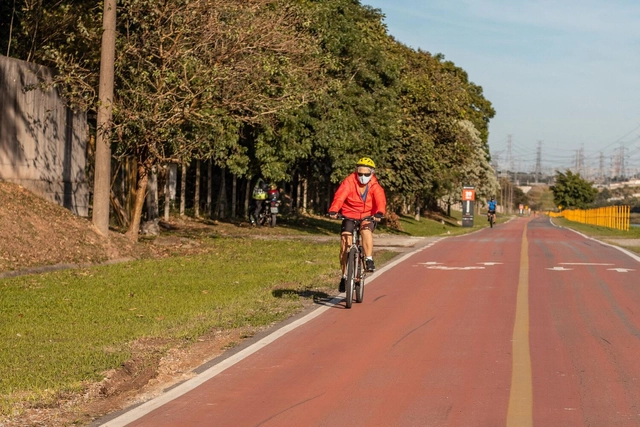
Gympass has announced a partnership with Tembici to promote the bicycle as a healthy means of transportation. Gympass users in Brazil can now make up to eight trips per month using Tembici's shared bikes in several Brazilian cities, including São Paulo, Rio de Janeiro, and Brasília, among others.
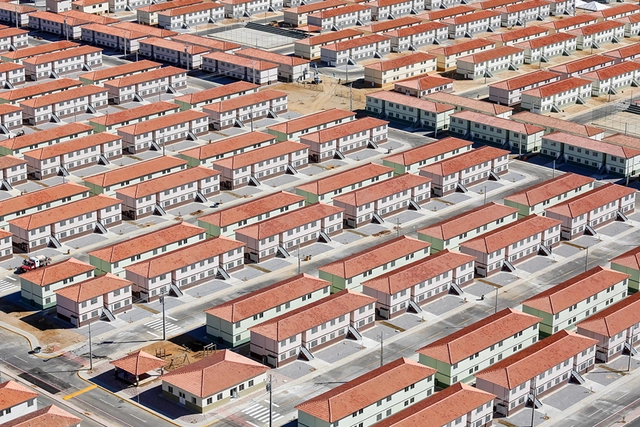
One of the structural problems of Brazilian society is the excessive growth of the urban footprint, commonly referred to as "urban sprawl," which results in low-density urban occupation. This dispersed footprint complicates the provision of public services and compromises residents' quality of life, as it fails to generate sufficient demand for mass transit and encourages the use of private automobiles for commuting. To reverse this trend, urban policy seeks to increase the density of the existing city, whether by constructing new buildings on vacant lots or by rehabilitating degraded buildings in central areas. However, as currently designed, housing policy actually encourages urban sprawl.
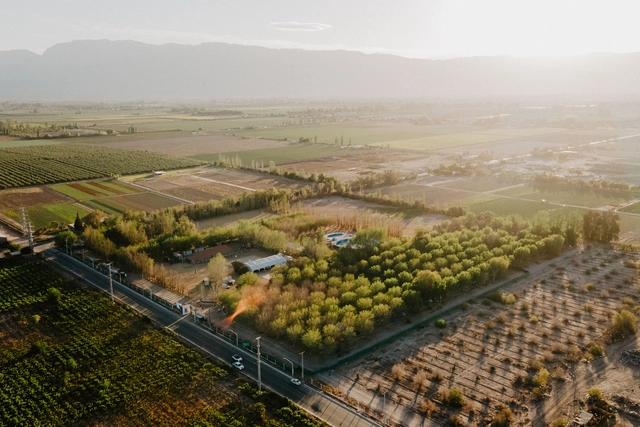
Through talks, anecdotes, gatherings, and visits, the 28th edition of the Latin American Encounter of Students of Architecture (ELEA), held in San Juan, Argentina, set out to address diverse themes surrounding resilience, new technologies, the circular economy, and sustainability, aiming to foster a shared community of ideas, knowledge, and experiences through collaborative, participatory work.

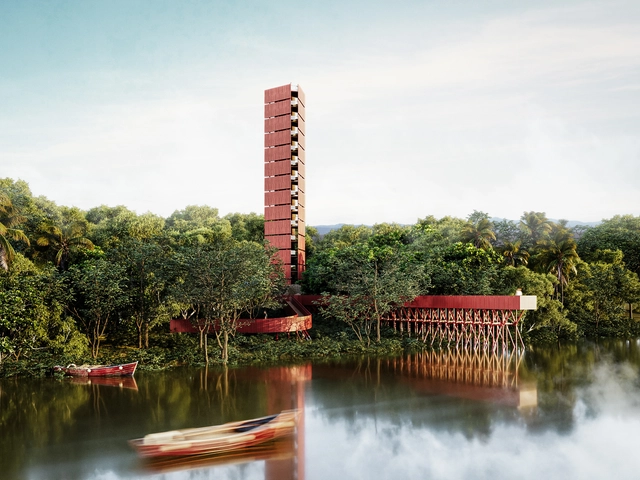
One of the primary demonstration spaces for Itaipu Binacional's socio-environmental actions is the Bela Vista Biological Refuge (RBV) in Foz do Iguaçu. Established in 1984, its initial purpose was to shelter wild animals rescued from the reservoir area—where land habitat was lost—and to serve as a nursery for forest seedlings used to create the Binational's approximately 34,000 hectares of protected areas.
To adapt the refuge's spaces to current needs and demands, including the use of zoo design strategies and ex-situ conservation actions, Itaipu Binacional organized a two-stage architectural competition open to architects from all over Brazil. Below is the winning proposal by RibasMarçal Arquitetura and Tempo Arquitetos.
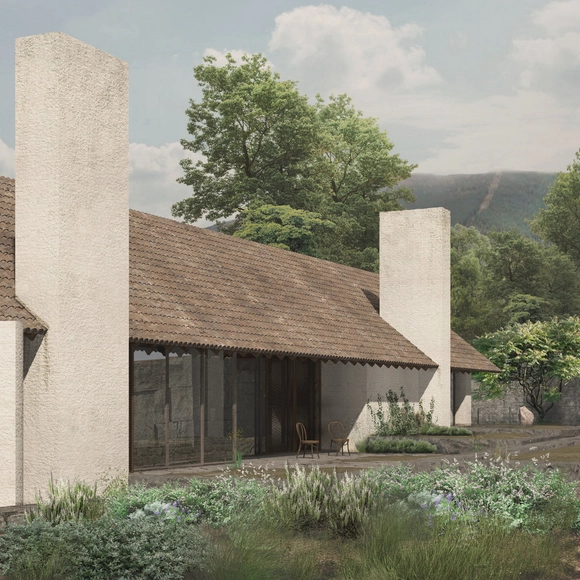
This October marked the fourth edition of the Peña Ganchegui Award for Young Basque Architecture, established in 2017 by the Peña Ganchegui Archive and the Basque Government's Housing Department. The award aims to bring visibility to architects who either trained in or practice in the Basque Autonomous Community, have less than 10 years of professional experience, and promote, develop, and strengthen a high-quality architectural culture.
The award ceremony took place at the Basque Country Architecture Institute, located in San Sebastián's Old Town, and was presented by Pablo García Astrain, Director of Housing, Land, and Architecture of the Basque Government. Jurors María Langarita, Fernando Márquez Cecilia, and António Cruz highlighted Ortega Diago's exercise in spatial synthesis, the singularity of their programmatic solutions, their delicate treatment of materials, their emphasis on transparency, and their focus on fluid circulation. These qualities were evident both in their interior design work—ranging from residential renovations to commercial and workspace fit-outs—and in their unbuilt projects.
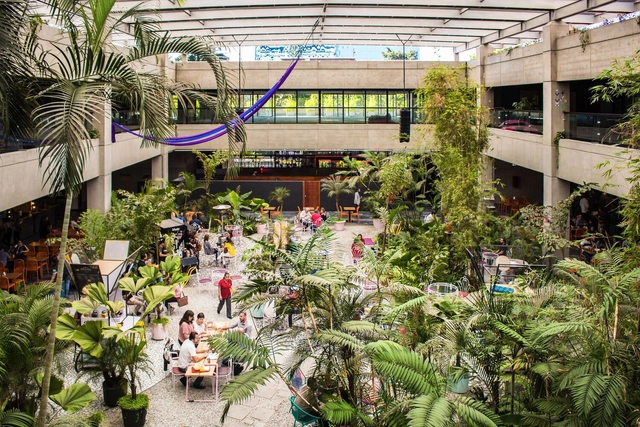
The 2023 Guatemala Architecture Biennial brings to the forefront the need to build a city without walls, integrating public spaces that foster a sense of belonging, unity, and identity. In this interview, the Biennial's general coordinator, Esteban Borjes Castillo, discusses the significance of this year's edition.
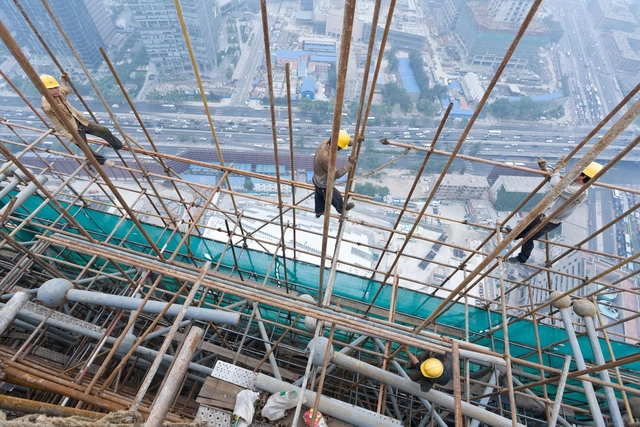
Bricklayers, foremen, steel fixers, carpenters, plumbers, painters, electricians, and welders. A wide range of professionals is required to erect a building and bring the designs of architects and engineers to life. Essential to ensuring the quality of every project, these roles are honored today, October 26th, on Construction Worker Day. To mark the occasion, we highlight the wisdom of these professionals and how they share their expertise with the public—both professionals and laypeople—through video tutorials that offer a deeper understanding of the construction site, the materials and equipment used, the various techniques available, and how to approach building.
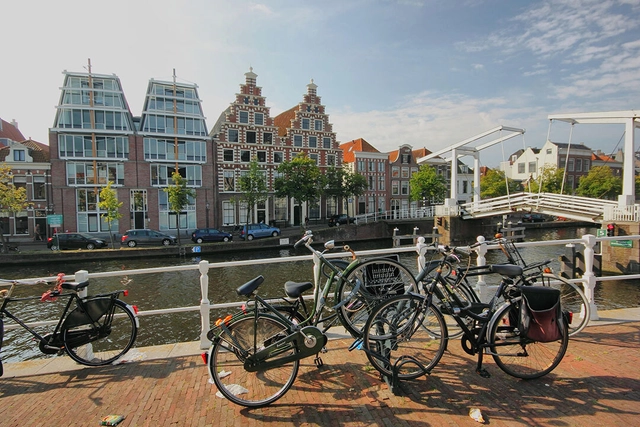
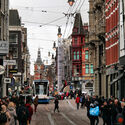
The Netherlands, colloquially referred to as Holland, is synonymous with its bicycles, an iconic element of the country's urban landscape. The integration of cyclists and motor vehicles often surprises visitors.
The Dutch connection to bicycles is clear in the statistics: in 2021, 84% of the Dutch population used bicycles daily. In Amsterdam, this figure reaches around 63%, demonstrating a strong preference for the vehicle. In contrast, only 7% of Brazilians choose the bicycle as their primary mode of transportation.
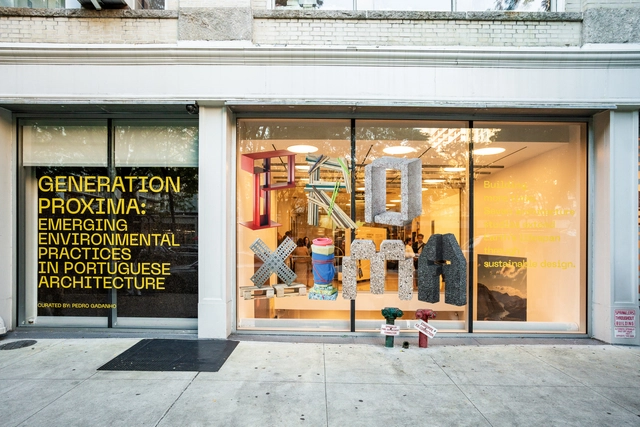
No País dos Arquitectos is a podcast created by Sara Nunes, who also runs the architectural film production company Building Pictures. The podcast aims to profile the professionals, projects, and stories behind landmark contemporary Portuguese architecture. With just over 10 million inhabitants, Portugal is a highly compelling country within this professional field, and its architectural output far exceeds what its population and territorial scale would suggest.
In this episode of the sixth season, Sara talks with architect and curator Pedro Gadanho about the exhibition Generation Proxima: Emerging Environmental Practices in Portuguese Architecture. Listen to the conversation and read part of the interview below.
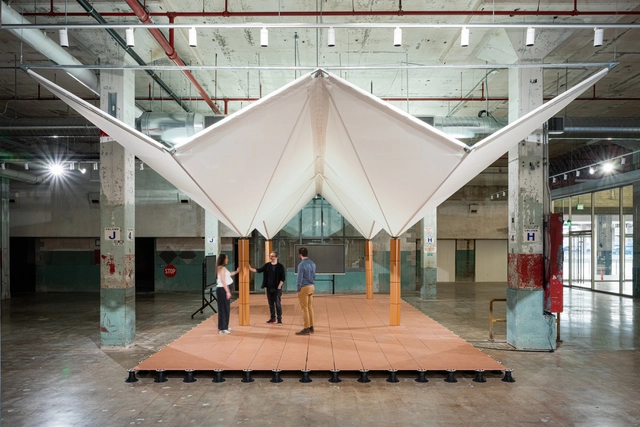
Building Ecologies is the result of collaborative and interdisciplinary research led by architect Juan José Castellón at Rice University, featuring the participation of the School of Architecture, the Department of Civil and Environmental Engineering, and the Shepherd School of Music, along with support from the Carbon Hub initiative.
Exhibited at POST Houston in Texas, this model proposes innovative approaches to urban infrastructure and social spaces, aiming to promote the integration of architectural, technological, and ecological systems.
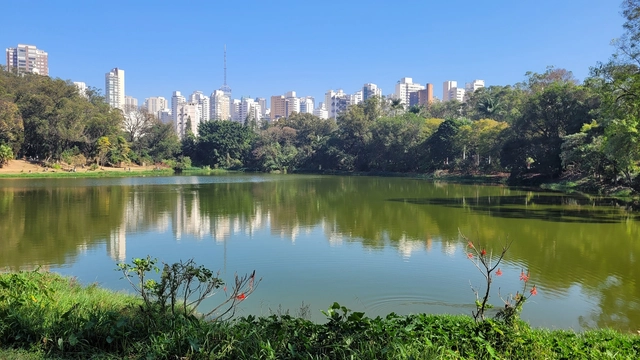
The Viva o Verde SP initiative, a partnership between the United Nations Human Settlements Programme (UN-Habitat) and the Municipal Secretariat for the Green and the Environment (SVMA) of the City of São Paulo, has officially launched assessment activities for over one hundred parks across the city.
The initiative involves implementing the City-Wide Public Space Assessment, a tool developed by UN-Habitat's Global Public Space Programme. From October to December, researchers will visit more than one hundred urban, linear, waterfront, and natural parks to conduct detailed structural assessments of each location.
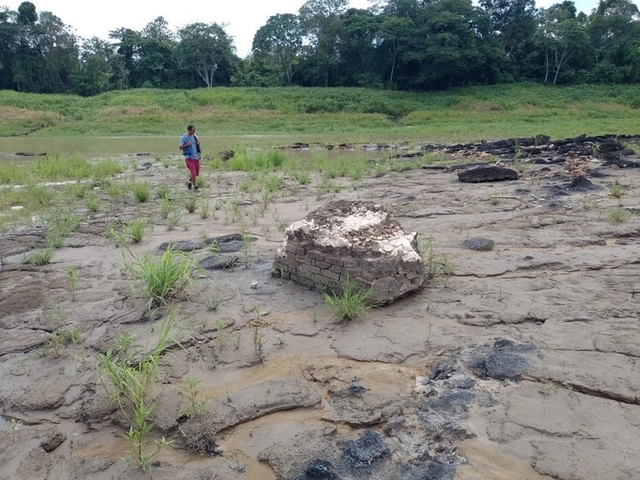
The historic drought affecting the Amazon region has revealed four archaeological sites in the state of Amazonas, three of which were completely unknown and are of great importance. The National Institute of Historic and Artistic Heritage (Iphan) has implemented an emergency action plan, involving inspections and educational initiatives in partnership with various public agencies and social organizations, including the Soka Institute of the Amazon, which voluntarily dedicates itself to the preservation of local cultural and environmental heritage.
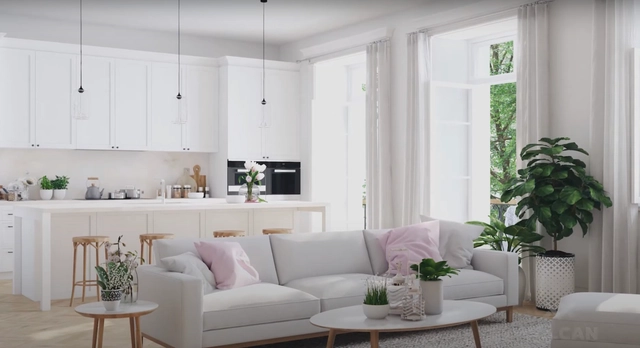
Designing and constructing homes is a complex process involving a variety of factors. Within this process, considering the various design elements is essential—including underlayments, ceilings, partitions, claddings, structures, and facades—alongside selecting the right materials for each. This choice must align with user preferences as well as indoor and outdoor conditions, prioritizing durability, energy efficiency, and aesthetics.
To simplify the design process, Volcan develops Volcanboard fiber cement building solutions for different construction elements. Available in a variety of thicknesses to adapt to various applications, these fiber cement boards stand out for their fire and moisture resistance, as well as their long-term durability and versatility. Below, we explore various applications of Volcanboard in residential design.
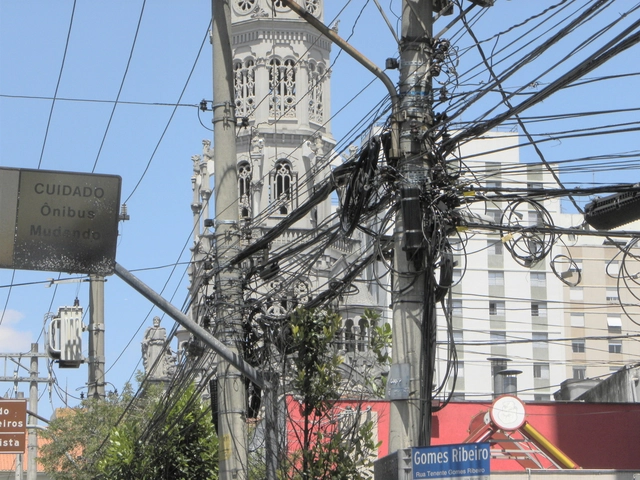
About 14% of the population of Porto Alegre, nearly 200,000 people, live in favelas, classified by IBGE as "subnormal agglomerations." These residents typically lack guaranteed property rights and do not have access to basic public utilities and services such as sanitation, drainage networks, or street lighting. Around 4,000 people experience homelessness. The city's public transit system, which carries over 20 million passengers per month, is facing the worst crisis in its history, with unsustainable operations. Our public spaces are dominated by cars, whose drivers enjoy the privilege of parking for free on public streets. Dumpsters, which are meant to receive only organic waste and non-recyclables, end up filled with all kinds of trash, undermining proper waste collection in the city.
.jpg?1584740374&format=webp&width=640&height=580)
We invite you to participate in the 2020 Obra do Ano Award. In its fourth edition, we are giving our readers the responsibility of recognizing and rewarding the projects that have made the greatest impact on the profession. By voting, you become part of an unbiased network of jurors recognizing the most significant projects built in Portuguese-speaking countries over the past year. There are only a few days left in the nomination stage, which will select the 15 finalists from over a thousand projects.
Remember, registered users can nominate their favorite project once per day. The nomination stage ends on Tuesday, March 24 at 11:59 PM (Brasilia time, GMT-3). Thank you once again for helping us democratize architecture.
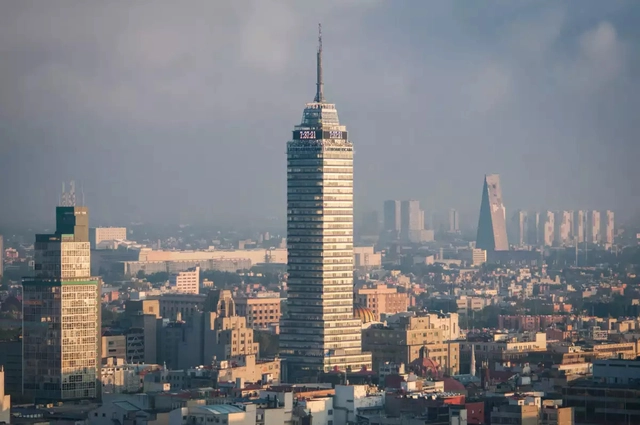
Amid the bustle and majesty of Mexico City, the iconic buildings that adorn its skyline boast not only imposing architecture, but also stories and secrets that spark curiosity. During this month dedicated to architecture, we bring you some of the curiosities and myths surrounding CDMX's buildings, which serve as the pillars of multiple narratives.
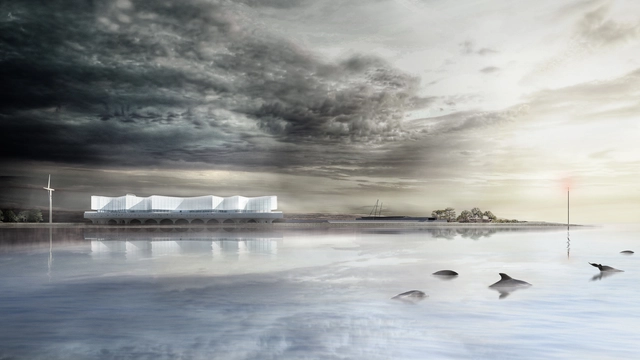
From the competition for the Gabriela Mistral Cultural Center to the competition for the restoration of Palacio Pereira, architectural competitions have enabled the design and construction of many iconic buildings in Chile's history. To recognize architectural competitions as a platform for professionals and students to not only showcase their creativity and skills, but also to secure the preliminary design that best meets a building's requirements, we have selected some of Chile's most successful architectural competition results.
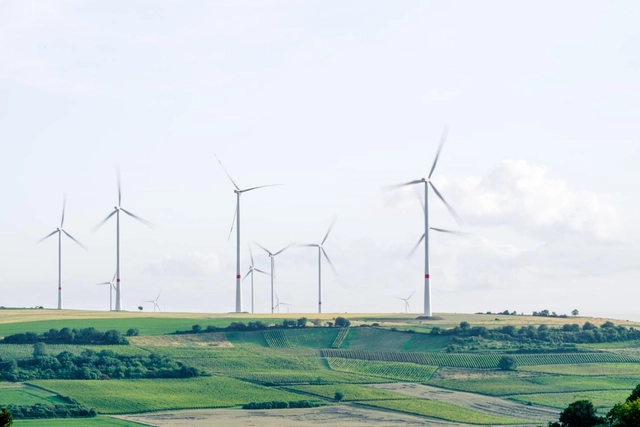
A study released by Project Drawdown shows that at this very moment, we have immediate access to at least 76 solutions to curb climate change. The proposed solutions are relatively simple, and the cost of implementing them is less than the cost of inaction.
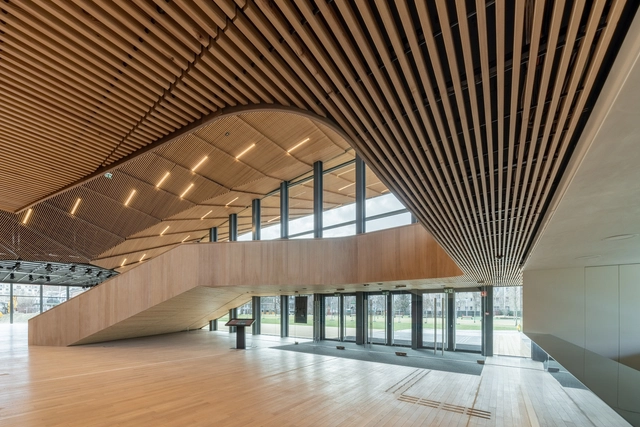
Through the incorporation of various elements, interior design creates comprehensive spaces that blend functionality and aesthetics. Among these components, suspended ceilings are a solution that integrates finishes suspended from the main structure. While adapting to a wide range of styles through a diversity of materials, colors, and textures, suspended ceilings also address acoustic needs, contribute to thermal insulation, and integrate lighting systems.
Among its solutions for interior applications, Hunter Douglas combines aesthetics, comfort, and sustainability to develop the WoodLines suspended ceiling line. Integrating innovation with natural materials, the manufacturing process continuously bonds a natural wood veneer to a roll-formed metal profile. As a result, linear ceilings composed of continuous slats are obtained, combining the functionality of a metal ceiling with the warmth and aesthetic appeal of natural wood.
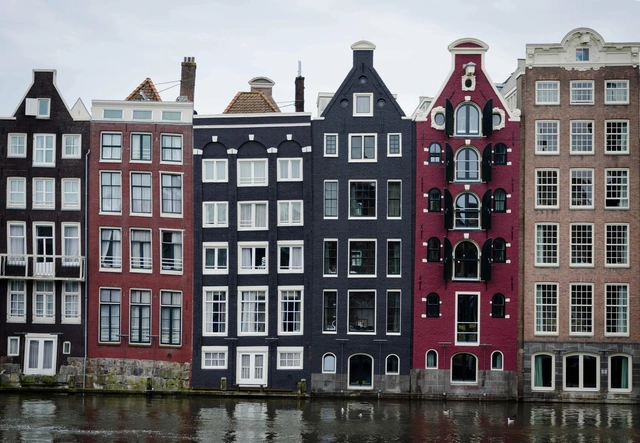
The capacity of urban planning laws to yield results entirely different from those anticipated is notorious. As is often the case, the numerous failed attempts recorded in cities worldwide are not enough to prevent new laws and regulations from being enacted.
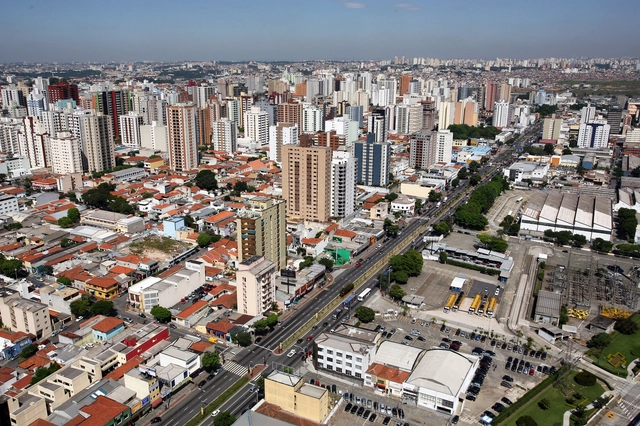
On the first of this month, São Caetano do Sul (SP) implemented free fares on municipal buses through its "Zero Fare Program." Far from an isolated initiative, the measure aims to encourage public transportation use, providing direct savings to residents while improving air quality.