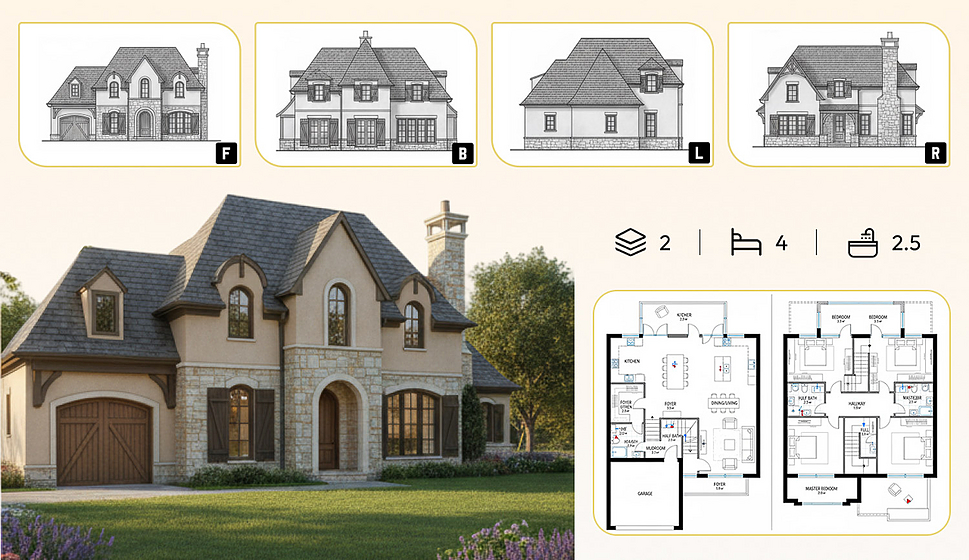
This guide covers a workflow that moves from project parameters to generated floor plans, 3D perspective views, exterior design exploration, and site context visualization, using AI tools in place of preliminary CAD and rendering work.
This guide covers a workflow that moves from project parameters to generated floor plans, 3D perspective views, exterior design exploration, and site context visualization, using AI tools in place of preliminary CAD and rendering work.
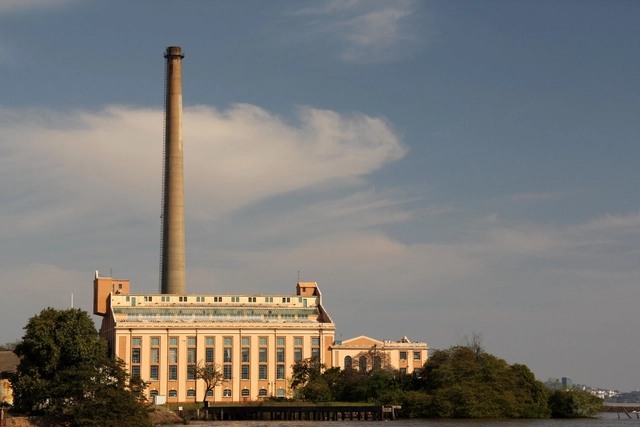
The update to Porto Alegre's Master Plan is currently underway. Much has been said about the city's future, but what can we learn from the past to foster greater dynamism, walkability, and quality of life for its citizens? After all, a more inviting city retains and attracts talent, driving innovation and wealth. In this article, I look back at the most significant moments in Porto Alegre's urban evolution, dividing them into four major periods.
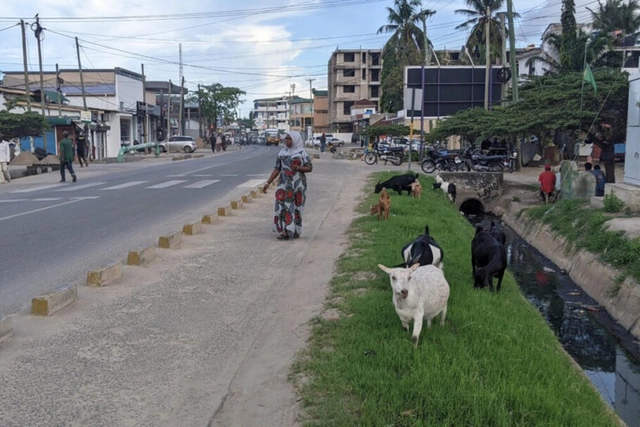
In the hyper-tech twenty-first century, urban North America is largely a service economy. New York City, for example, is currently dominated by a mix of high-end financial services, technology, and other specialized professions, while lower-skilled work is concentrated in tourism, food delivery, and other service-sector jobs. Manufacturing jobs, where they exist, persist as a legacy of strictly industrial zoning. Agrarian land uses, such as "urban agriculture," are almost non-existent—an esoteric hobby for foodies.

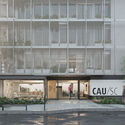
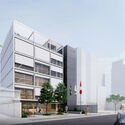
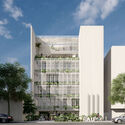
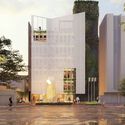
The Council of Architecture and Urbanism of Santa Catarina (CAU/SC) has announced the results of the design competition for the partial renovation of its headquarters. Acquired last year, the six-story building is located on Rio Branco Avenue in Florianópolis, and its main spaces—such as the atrium, reception, and facade—will be renovated according to the winning design.

Discouraging the use of private cars is a crucial step in addressing climate change, improving air quality, and reducing traffic collisions. Cities must find ways to curb traffic and prioritize human well-being, while also considering the environmental and social impacts of automobile use by offering transportation options that generate lower carbon emissions.
Recently, low-emission zones (LEZs) have become a popular strategy in several cities worldwide. The measures implemented in these areas effectively reduce car dependency by offering cleaner, more affordable, and accessible transportation alternatives.

The exhibition "Engine of Equality: La Residencia de Señoritas (1915-1936)" will be open until October 15, celebrating a unique, iconic, and pivotal institution in promoting equality in Spain. It is housed in the Ortega-Marañón Foundation's recently opened cultural space—an expansion at the rear of the central "casa" in Madrid that joins the historic 1930s building designed by Carlos Arniches on the corner of Miguel Ángel and General Martínez Campos streets.
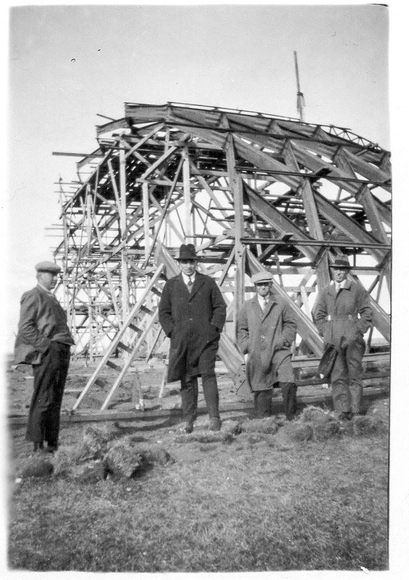
Chiloé as a starting point. From here, translocal phenomena, driven primarily by sea, served as the catalyst for sculpting the southern Patagonian cone—across both Chile and Argentina—by Chilote hands during colonial times. A hybrid people of Indigenous and European descent, whose geographic and political-administrative isolation forced them to rely on the self-construction of their settlements, the cultivation and gathering of their own food, and the making of their own clothing—all from the resources available within their archipelago. Out of this emerged the unquestionable Chilote ingenuity—a skill set highly sought after in territories that, during the colonial period, were being forged under the Chilean state. Consequently, it is easy to recognize the creative hand of the Chilote people in the architecture of the southernmost towns.
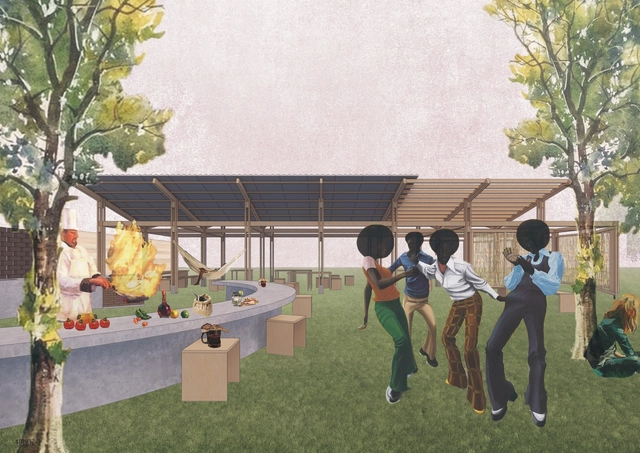
The Student Union of the Faculty of Architecture and Urbanism of UFRJ (FAU UFRJ), in collaboration with the Abricó UFRJ Model Architecture and Urbanism Office and in partnership with various entities, including the National Federation of Architecture and Urbanism Students, organized the first edition of the Quick Student Ideas Competition - CRIE!. The objective was to seek proposals for a space featuring a pizza oven and barbecue grill that dialogue with the original project by Burle Marx for the Jorge Machado Moreira Building court area, promoting solutions using bioconstruction techniques and low-impact environmental materials.
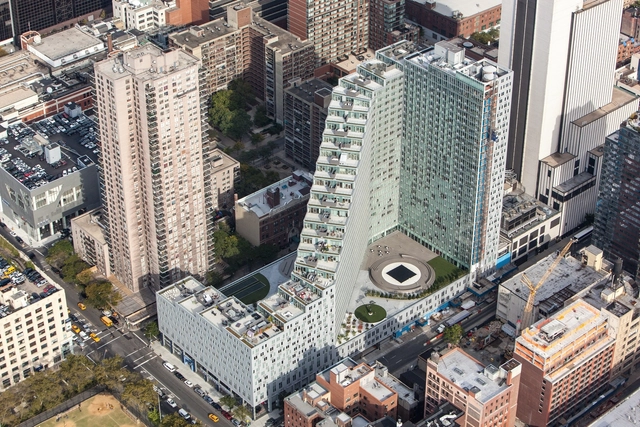
Mexican architect Enrique Norten has been awarded the Lorenzo H. Zambrano Award for his outstanding career as an architect and professor. He is the founder and director of TEN Arquitectos (Mexico City, New York, and Miami) and, throughout his career, has been internationally recognized for his extensive portfolio of more than 60 built projects around the world.
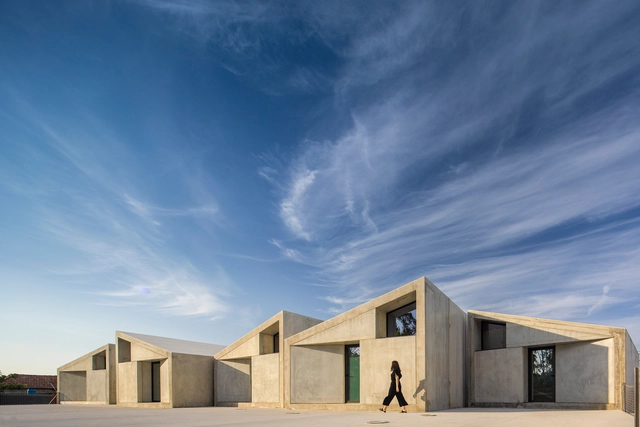
Casa da Arquitectura and Hinterland are organizing the Por Exemplo meeting on October 13, bringing together 10 practices of young Portuguese and Spanish architects aged 45 and under for an exchange of ideas, methods, and work processes.
There is a generation of young architects who have been developing their work in a stimulating international context, driven by the pressure of the tourism market. Despite their brief experience, these professionals have mastered digital tools, but they navigate a highly competitive and continuously accelerating world.
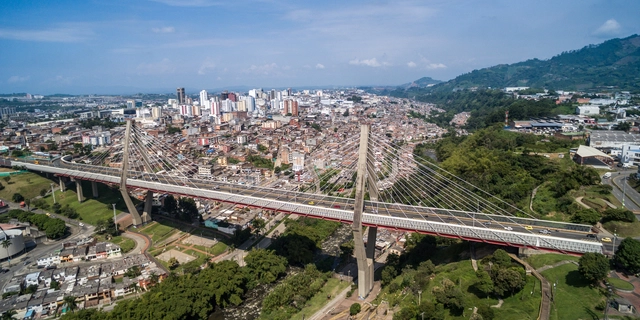
The 38th Colombian Congress of Architecture and Urbanism opened virtually on Monday, October 16, and will host its in-person sessions starting October 19 in the city of Pereira, Risaralda, Colombia. The event will run until October 21 at the Expofuturo Convention Center.
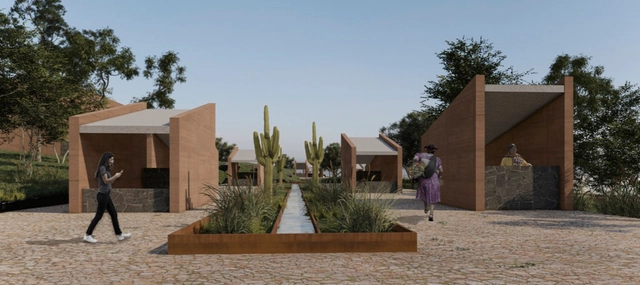
Since 1985, for 38 years, the School of Architecture at the National Autonomous University of Mexico has organized and hosted the calls for entries for the Alberto J. Pani Architectural Composition Award, with the goal of bringing together the top students from institutions affiliated with the Association of Architecture Teaching Institutions of the Mexican Republic (ASINEA). The event is organized in collaboration with an ASINEA member institution, which this year is the School of Architecture, Design, and Urbanism at the Benito Juárez Autonomous University of Oaxaca (UABJO).
.jpg?1583259431&format=webp&width=640&height=580)
The pilot project for São Paulo's first floating photovoltaic plant began operations on February 28, 2020, at the Billings Reservoir, adjacent to the Pedreira pumping station. A total of R$ 450,000 was invested in equipment, and the 100-kilowatt facility occupies an area of 1,000 square meters.
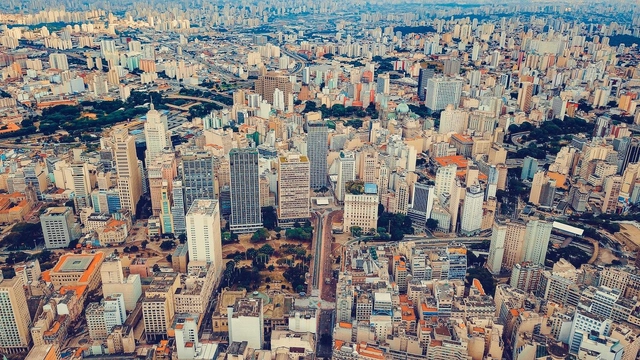
From a natural perspective, agglomerations represent a nucleation similar to the "gravitational model," in which flows of energy and matter are "optimized" through proximity and articulation—the urban center. Etymologically, as we know, polis, from the Greek, indicates the collective and political character of the formation of urban space.
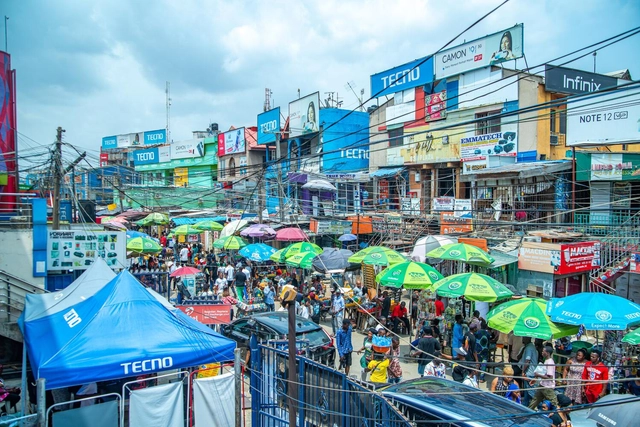
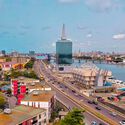
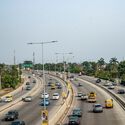
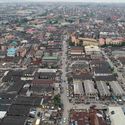
From its historical origins as a fishing village and the site of a pepper farm to today's bustling metropolis, Lagos, Nigeria, has evolved into a complex agglomeration of people, settlements, and vested interests.
As the economic powerhouse of Nigeria and West Africa, Lagos is projected to become the most populous city in Africa over the next 50 years, growing from its current 15 million to a population of 100 million. If recent migration waves are any indication—comprising those seeking economic opportunity or fleeing climate crises and conflicts in other parts of Nigeria—these projections may well be underestimates.
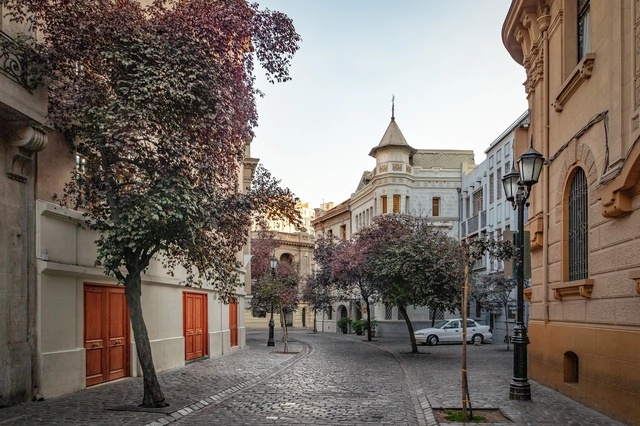
2023 has been characterized by new trends in renovating existing spaces, such as the Nueva Alameda Plan, which aims to revitalize a key hub and make it more environmentally friendly. Along these lines, numerous other projects are emerging, such as the recent "Londres 50-46 Building Rehabilitation" plan, led by Inmobiliaria Londres SpA and represented by Simón and Joaquín Duch Salas.
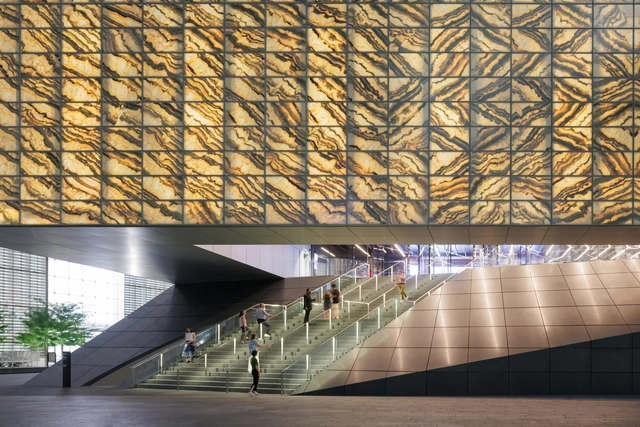
The recent completion of the Perelman Performing Arts Center (PAC), a collaboration between REX, Davis Brody Bond, and the Rockwell Group, is a milestone in the cultural transformation of Lower Manhattan. The PAC site is part of the World Trade Center complex, owned by the Port Authority of NY and NJ, an autonomous agency responsible for managing bridges, ports, tunnels, and airports. Since the 2001 attacks, the site has undergone significant changes, including the construction of the four WTC complex towers and the Oculus. More than nine years passed between the launch of the PAC competition and the project's completion, and I participated in the last five years as an architect on the Davis Brody Bond team.
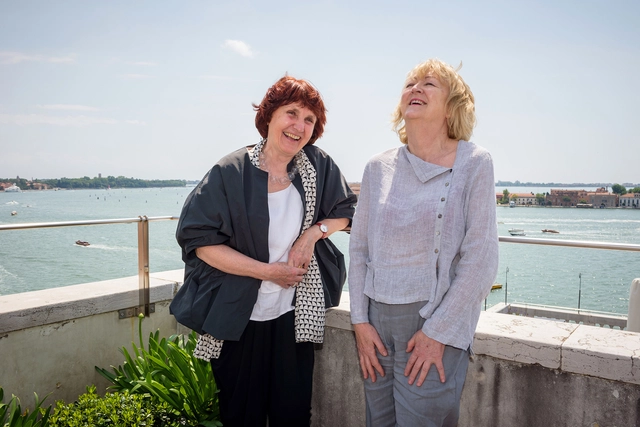
Yvonne Farrell and Shelley McNamara, co-founders of Grafton Architects, were awarded the 2020 Pritzker Architecture Prize. Earlier this year, they also received the Royal Institute of British Architects (RIBA) Gold Medal, becoming the first pair of women to jointly receive the honor.

It is 6:00 AM on a Tuesday. Where are you?
Geovana leaves her house already running late. It usually takes her two hours and three different transfers to get to her job in the city center. But it rained all night and her house flooded. She, her mother, and her siblings tried to save their furniture and other belongings. At 2:00 AM, when the rain finally let up, she managed to rest a bit, only to wake up shortly after. After yesterday's rain, she knows the streets in her neighborhood will be flooded, and her commute will take an hour longer than usual.
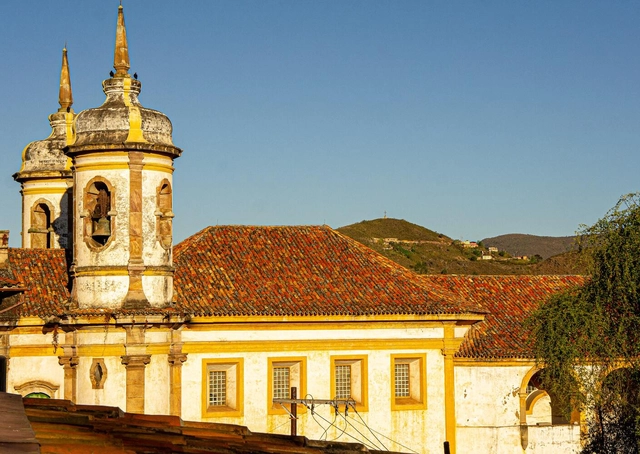
Earlier this month, the National Institute of Historic and Artistic Heritage (Iphan) launched a public call to select architectural and engineering projects dedicated to preserving Brazil's Cultural Heritage. This initiative is part of the Federal Government's New Growth Acceleration Program (Novo PAC) and aims to select up to 100 new projects for the restoration, conservation, and promotion of Brazilian cultural heritage sites. The deadline for applications is November 10, 2023, and submissions must be made through the TransfereGov platform.
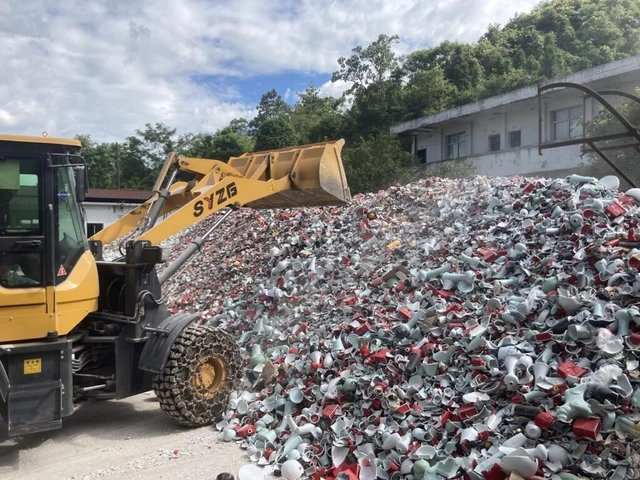
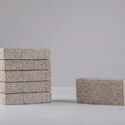
In its quest to develop circular products, Chinese company Yi Design has been creating various bricks from recycled materials. These products offer construction alternatives to address a major industry challenge: the generation of ceramic waste.
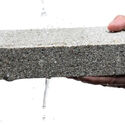
According to Yi Design, approximately 18 million tons of ceramic waste are produced every year in China. Headquartered in Jingdezhen, the country's ceramics capital, the group developed YiBrick, a permeable brick made of over 90% recycled ceramic. The material's production also incorporates wastewater and the fine dust from crushing raw waste.
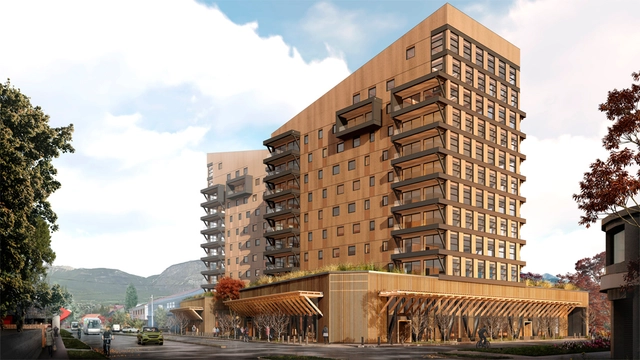
The recent arrival of the Minergie certification in Chile is overseen by EBP Chile. This effort includes training Chilean professionals in this Swiss low-energy building standard, alongside the recent granting of provisional certification to the Covarrubias Hernández House in Lliu Lliu, Limache, designed by Murillo+Toro Arquitectos, and the Burgos Net Zero Building, developed by Cristián Izquierdo together with Tecton Inmobiliaria.

The practice of building with straw has existed since the dawn of civilization. Given the devastating impacts of contemporary construction methods, could straw be a viable, biogenic alternative to today's building materials?
Evidence suggests that straw and reed have been used in construction for over 10,000 years. Since then, the Industrial Revolution has completely transformed building practices, introducing the mass production of steel, glass, and, not least, concrete.
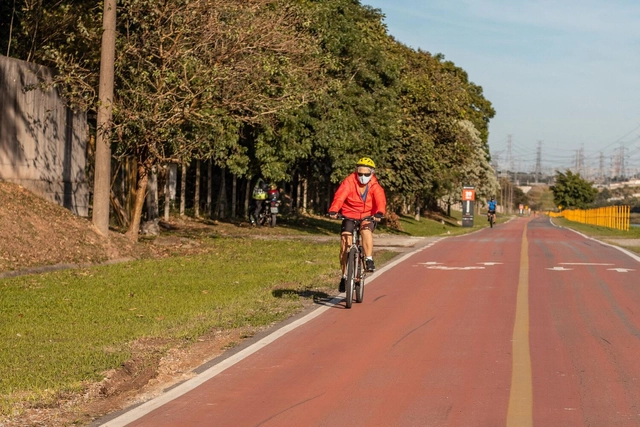
Gympass has announced a partnership with Tembici to promote the bicycle as a healthy means of transportation. Gympass users in Brazil can now make up to eight trips per month using Tembici's shared bikes in several Brazilian cities, including São Paulo, Rio de Janeiro, and Brasília, among others.
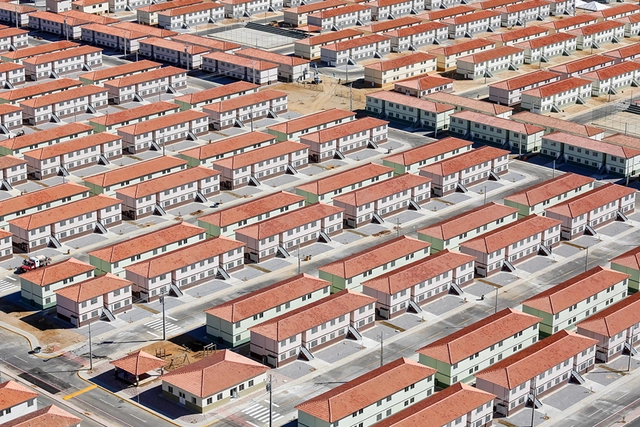
One of the structural problems of Brazilian society is the excessive growth of the urban footprint, commonly referred to as "urban sprawl," which results in low-density urban occupation. This dispersed footprint complicates the provision of public services and compromises residents' quality of life, as it fails to generate sufficient demand for mass transit and encourages the use of private automobiles for commuting. To reverse this trend, urban policy seeks to increase the density of the existing city, whether by constructing new buildings on vacant lots or by rehabilitating degraded buildings in central areas. However, as currently designed, housing policy actually encourages urban sprawl.