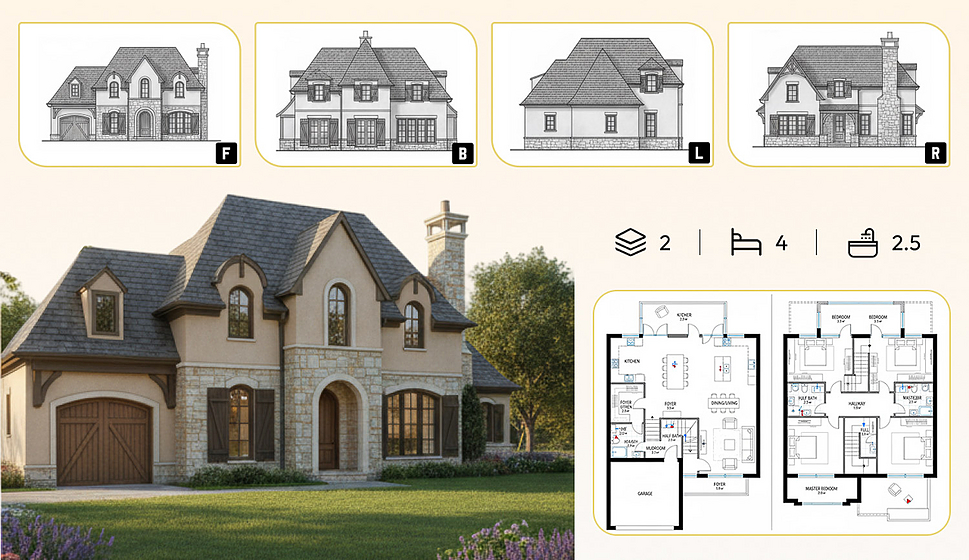
This guide covers a workflow that moves from project parameters to generated floor plans, 3D perspective views, exterior design exploration, and site context visualization, using AI tools in place of preliminary CAD and rendering work.
This guide covers a workflow that moves from project parameters to generated floor plans, 3D perspective views, exterior design exploration, and site context visualization, using AI tools in place of preliminary CAD and rendering work.
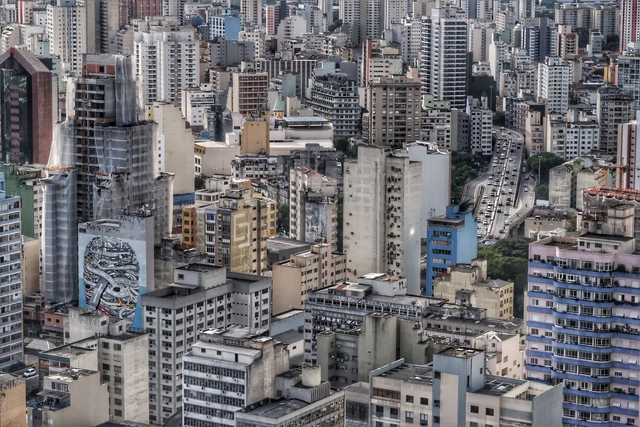
Many cities around the world face severe housing affordability issues. One of the primary reasons is highly restrictive zoning regulations. Zoning—the rules that dictate what can be built on any given lot—was originally designed to manage urban issues such as congestion, pollution, and shadow impacts.
Over time, however, planners aligned with property owners to tighten these rules. Planners disliked urban density and were more than happy to reduce it. Homeowners realized that stricter codes could preserve their property values and exclude low-income residents and minorities from their neighborhoods.
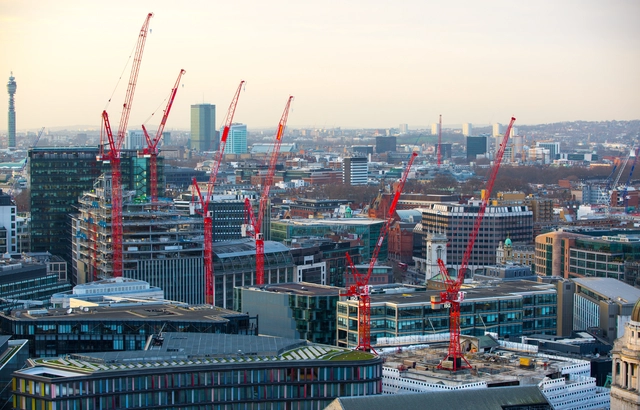
Every day, governments, financial institutions, and corporations face a critical decision: continue investing in physical assets that emit greenhouse gases and degrade nature, or prioritize developing green solutions that foster a stable, resilient, and equitable economy. As communities bear the brunt of severe climate impacts, the imperative to build a sustainable future becomes increasingly clear.

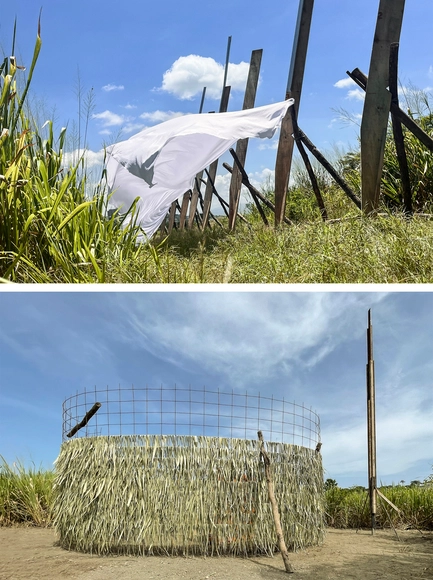
For five days, we ventured into the Turbio River of Barquisimeto, its valley, and its banks to experience fieldwork that culminated in the construction of landscape interventions. We were 70 students and 30 professors, guests, and collaborators, taking part in a Summer School organized by Dislocal alongside the Faculty of Architecture and Urbanism of the Universidad Central de Venezuela and its Extramural Teaching Unit in the city of Barquisimeto.
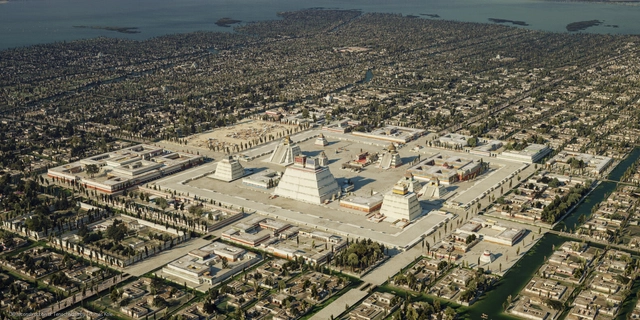
As part of a project led by Dutch artist Thomas Kole, a website titled "Portrait of Tenochtitlan: A 3D reconstruction of the Mexica capital" has been launched, presenting a variety of images of what Tenochtitlan once was. This reconstruction is based on historical and archaeological sources, as well as the collective knowledge that yields these images today to continue studying our history. The site offers navigation in three languages: Nahuatlahtolli, Spanish, and English, featuring an overlay of contemporary images where users can compare before and after simply by sliding the cursor across the screen. It was created using open-source software: Blender, Gimp, and Darktable.
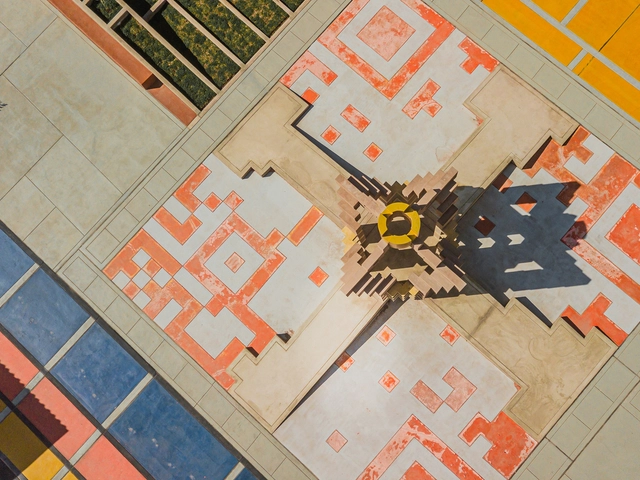
The Time Portal, designed by Longhi Architects, is an architectural project commissioned by the company "Los Portales" to create an identity landmark in the plaza of a modern residential development in the city of Juliaca, Peru.
The project merges fundamental characteristics of Inca culture and landscape design with elements of contemporary globalization, represented by the recognizable QR code icon.
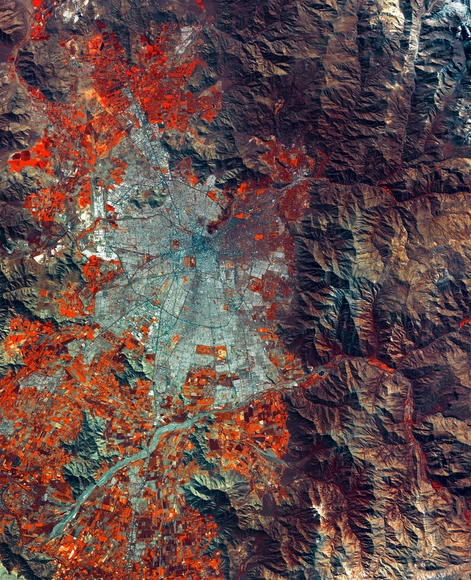
Paola Jirón is the newly appointed president of Chile's new National Council for Territorial Development (CNDT), a recently established entity that merges the National Council for Urban Development (CNDU) and the National Council for Rural Development (CNDR). She takes on the challenge of promoting planning that accounts for the specific characteristics of each region, while facilitating dialogue to develop solutions for pressing spatial issues, such as the growing population in informal settlements, urban development in disaster-prone areas, and the increasing subdivision of rural land.
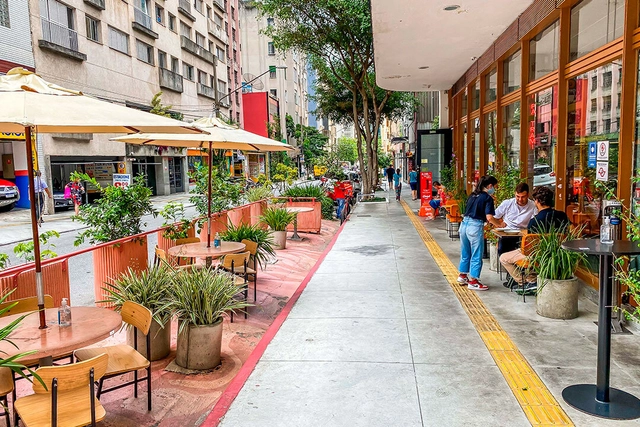
Twenty-one years after the passage of the federal City Statute (Estatuto da Cidade)—which regulated the “Urban Policy” chapter of the Brazilian Constitution, leading to the formulation of several master plans for 21st-century cities with more than 20,000 inhabitants and, now, the opportunity to revise many of them—it seems timely to tune our radars to a highly relevant topic for all cities, and one we have consistently struggled to address: our sidewalks!
I am referring to various aspects of their use and purpose, their regulatory mechanisms, their maintenance, and their design... Let us look at them.
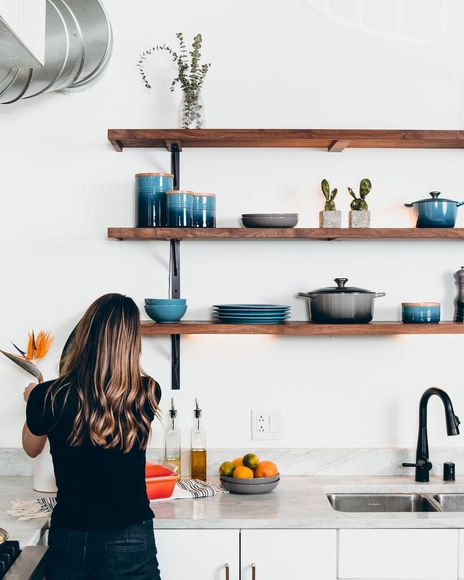
While high expectations build up during the development of an architectural project—which often represents the realization of a professional dream or a new home for a family—and even though, despite careful planning, countless unforeseen issues and headaches can arise during construction, after weathering endless estimates, schedules, and delays, once construction is complete and the property is occupied, it usually feels as though the journey has finally come to an end.
However, even with the work seemingly finished and a sense of accomplishment, architects and clients will likely still need to align on certain points or address issues that crop up along the way. In light of this, what are the architect's responsibilities once the owners occupy the property?
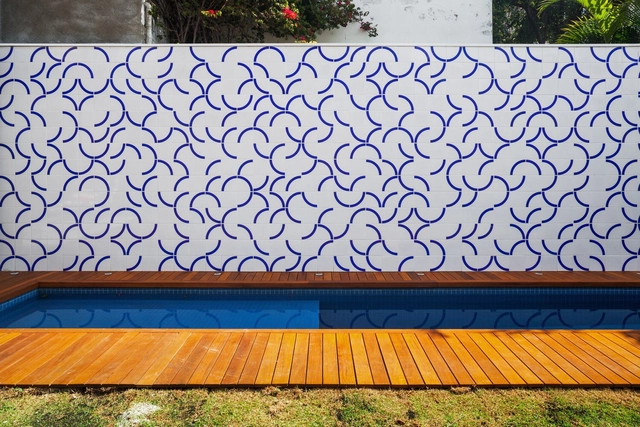
The word "deck" originated in the English language to refer to a ship's deck. Today, the term is used to describe outdoor surfaces made of wooden planks that may or may not surround pools, hot tubs, and soaking tubs. These design options can be highly diverse—so much so that a new approach has emerged in the market as a growing trend: the wet deck.






The municipality of Rio do Antônio, located about 700 kilometers from the capital of the state of Bahia, still retains remnants from the era of slavery in Brazil. This period left deep marks that remain visible in the town's daily reality, including its architecture.

Artist André Chiote has shared his latest series of illustrations with us, this time portraying the Art Deco and modern architecture of Goiânia. Commissioned for the 31st Brazilian Congress of Dermatological Surgery, organized by the Brazilian Society of Dermatological Surgery in the state capital, Chiote's illustrations use the colors of the official congress logo to represent some of the most celebrated landmarks of Goiânia's heritage.
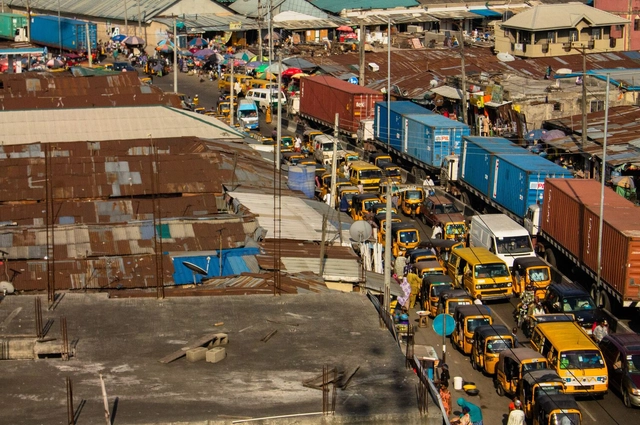
African countries have issued a stark joint declaration calling on major polluting nations to help poorer countries develop without further destroying the planet's climate and ecosystems, as wealthy nations did. They advocate for a global carbon tax as the primary mechanism to enable sustainable investment in vulnerable countries.

The City of São Paulo, through the online portal GeoSampa—an initiative of the Municipal Secretariat of Urban Development (SMDU)—has made a map of all the city's archaeological sites available. The portal maps heritage sites ranging from clandestine cemeteries and Indigenous artifacts to gold mining ruins.

Throughout 2019, ITDP and the Brazilian Cyclists Union (UCB) worked together to develop a map to facilitate and expand access to data on bicycle infrastructure in Brazilian cities. In September of last year, the public voted on the platform's name, and CicloMapa was launched at the Northeastern Bicycle Forum (FNEBici) in Aracaju.
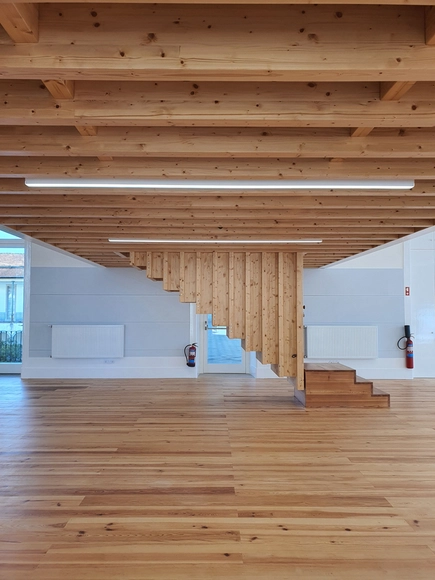
The results of the National Wood Architecture Prize - PNAM’23 have been announced. In its seventh edition, the award recognized a winning project and two honorable mentions in “Sustainability and Circular Economy” and “Material Typology.”
The top prize was awarded to the renovation of Sala Projeto I - Colégio das Artes at the University of Coimbra, designed by architect Paulo Providência, with carpentry by Veiga Lopes, S.A., Carpinlux, and Brito Móveis. The University of Coimbra was the institution responsible for executing the project.

On Tuesday, September 26, the National Electoral Commission released the list of architecture and urbanism professionals eligible to vote in the October 10 elections.
Check the Qualified Electoral Roll for the entire country on the CAU/BR election website.
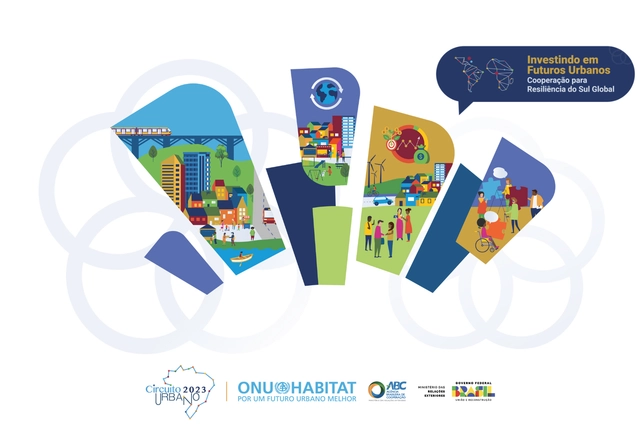
Throughout October, more than 230 events will discuss building urban resilience in the Global South. Featuring representatives from over 20 countries in Latin America and Lusophone Africa, the 2023 Urban Circuit (Circuito Urbano) will take place from October 2 to 31. The schedule is now available on the event website.

The podcast "Lápiz femenino en el aula de arquitectura" was created by Layla Jorquera Sepúlveda, an architect from the Universidad de Chile, to bring visibility to women from different architecture institutions who have completed the Design Studio course, which carries the highest number of academic crédits.

Even though one-third of all trips in Brazilian cities are made on foot, citizens who walk or use wheelchairs are not treated as a priority. In fact, the words "pedestrian" and "sidewalk" do not even appear in Law 12,587/2012, which establishes the guidelines for the National Urban Mobility Policy—a clear sign of legal inconsistency at both federal and municipal levels.

Urban public space is, and must remain, a platform for social, cultural, and political expression. Studies such as those by UN-Habitat recognize that accessible, safe, and inclusive public spaces are vital tools for mitigating urban inequality.
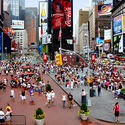
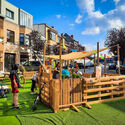
Moreover, when conceiving these spaces as a "living room," they should ideally be functional and welcoming to everyone, ensuring users feel "invited" to linger, use, and care for them. Over the past two decades, open public spaces (streets, intersections, squares, plazas, parks, etc.) have increasingly become the focus of strategic and tactical activations and experiments.

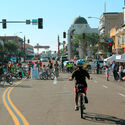
The Liberdade neighborhood, in the central region of São Paulo, will begin testing the Open Streets (Ruas Abertas) program this Sunday (1st). Similar to what has been done on Paulista Avenue since 2016, four streets in the area will be open exclusively to pedestrians from 9 a.m. to 8 p.m. on Sundays and holidays.
Led by the Municipal Department of Urban Development and Licensing, the initiative aims to prioritize the use of urban space based on pedestrian needs. “The goal is to foster conditions that encourage people to linger, improve walkability, and strengthen the area as a tourist and commercial attraction,” the São Paulo city government stated in a press release.
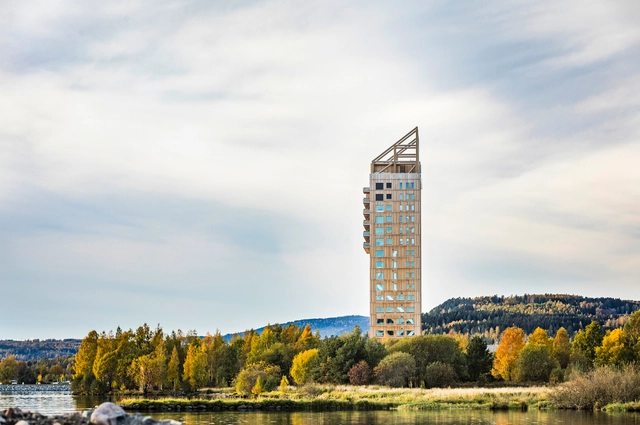
Atrium Ljungberg unveiled Stockholm Wood City in Sweden, the world's largest urban construction project in wood, and in Norway, just four years ago, Voll Arkitekter completed the Mjøstårnet Tower on Lake Mjøsa, one of the tallest wooden buildings in the world at 18 stories. On the other side of the planet, the Tamango project by Tallwood Architects is an example of the challenges and opportunities of wood construction in Chile, as it could become the first 12-story building with a prefabricated wood structure in Latin America. Meanwhile, in Peru, the Construye para Crecer project by Poggione+Biondi Arquitectos won the XIX National Architecture Biennial 2022 with a residential complex to be built mainly of wood. Nearby, Uruguay recently concluded its social housing in wood competition, paving the way toward innovation in social interest architecture. Furthermore, in 2020, Vicente Guallart won an international competition to define the standards for the buildings of a new city in China. The project, titled The Self-Sufficient City, was already a design that materialized a new urban model in wood across four city blocks.
Across the globe, sustainability and innovation in construction are constantly evolving, and wood structures are presented as a promising option. ArchDaily presented The Future of Wood as its monthly topic, opening up a discussion to explore and hear predictions and thoughts from our readers regarding the future of this material in architecture and urbanism. Is wood the key to a more sustainable and livable urban future? Or are there challenges we must address before embracing this trend? What are the implications for architecture, cities, the economy, and the environment?
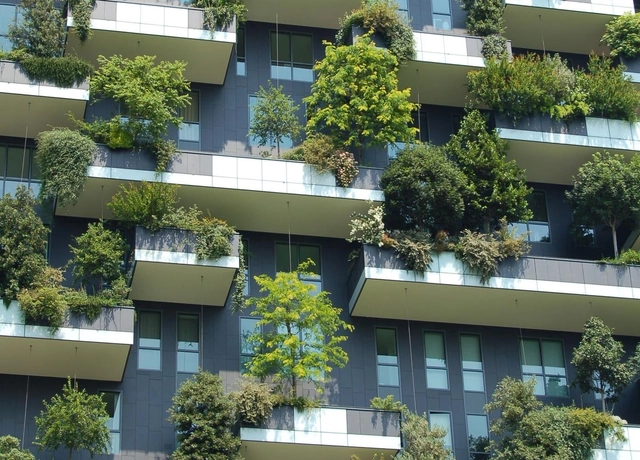
As part of the UIA2020 Congress activities, the Institute of Architects of Brazil, in partnership with CAU/BR, will produce a publication featuring Brazilian architecture and urbanism projects aligned with the 17 Sustainable Development Goals (SDGs), in an effort to showcase sustainable architectural and urban planning practices.
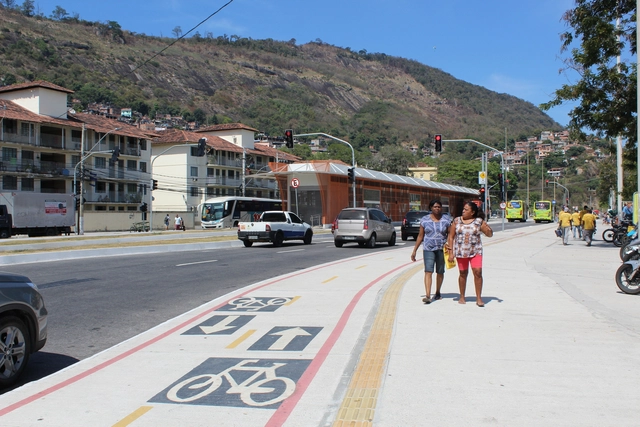
With the rapid acceleration of the climate emergency and the consolidation of an urbanized planet, the challenge of transforming cities and metropolitan areas into more inclusive and sustainable environments depends on reducing the negative impacts of transportation. Shortening the distances traveled by residents, bringing homes closer to work and opportunities, promoting the shift from private motorized transport to active or public transit modes, and creating more plural and democratic territories are the outcomes of policies aligned with addressing 21st-century global challenges. Implementing the necessary transformations across urban territories on a global scale, while also considering local particularities, is an even greater challenge—yet a vital one for a more sustainable future.