Much has been said about the power of artificial intelligence and how its rise could transform the architectural profession. This topic has already been explored in previous articles here.
The primary tool causing concern among industry experts is DALL-E, a machine learning-based software that generates images from text prompts entered by the user. Other platforms offer similar capabilities, such as Midjourney and Stable Diffusion.
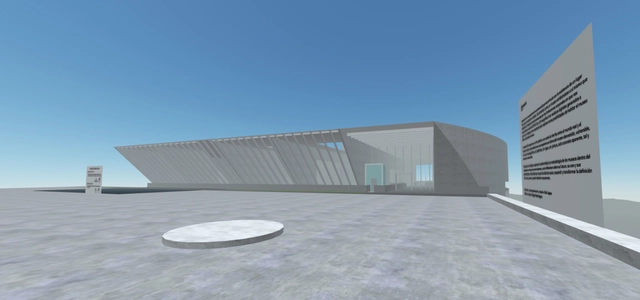
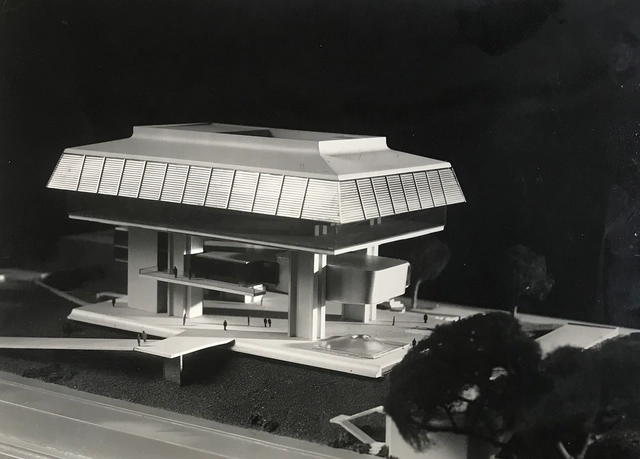
Located in the Recoleta neighborhood of Buenos Aires, the Mariano Moreno National Library stems from a national design competition launched in 1961. Built on the site of Argentina's former Presidential Residence during the presidency of Juan Domingo Perón (the Unzué Palace), the competition—which closed in April 1962—sought to shake up the architectural scene, serving not only as a mandatory step to develop the project but also as a platform for formal and programmatic experimentation.
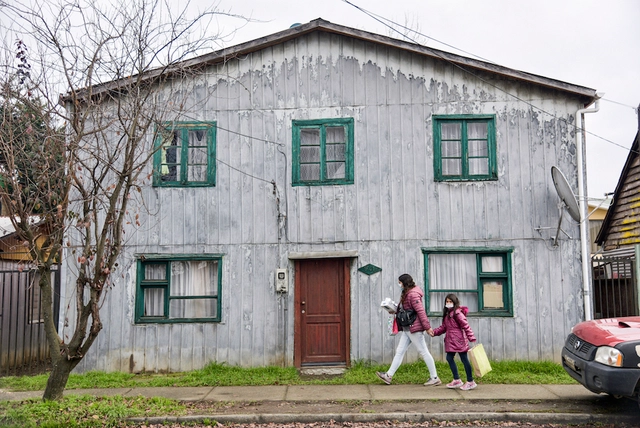
In October 2022, Fundación Patrimonio Sustentable, alongside the Downtown Valdivia Trade Association and Sercotec Los Ríos Region, launched the Barrio Cochrane Guide: Heritage and Commerce of Valdivia. This publication highlights the heritage, human, and architectural value of the neighborhood, featuring stories of local businesses, historic trades, and iconic buildings in the area.
First Prize: Cohabiting in the City. Olaguer 3136, Colegiales. Image via Wikipedia user: TOAGCA. Licensed under CC BY-SA 4.0. Image author: TOAGCA
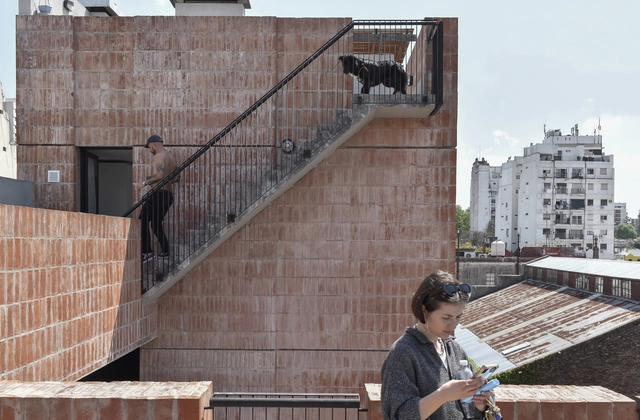
As part of Open House Buenos Aires, the themed photography competition Open Foto 2022 was held with the support of Wikimedia Argentina. Its goal is to highlight the architecture of Buenos Aires through the routes taken by visitors during the architecture and urbanism festival on October 1 and 2, 2022.
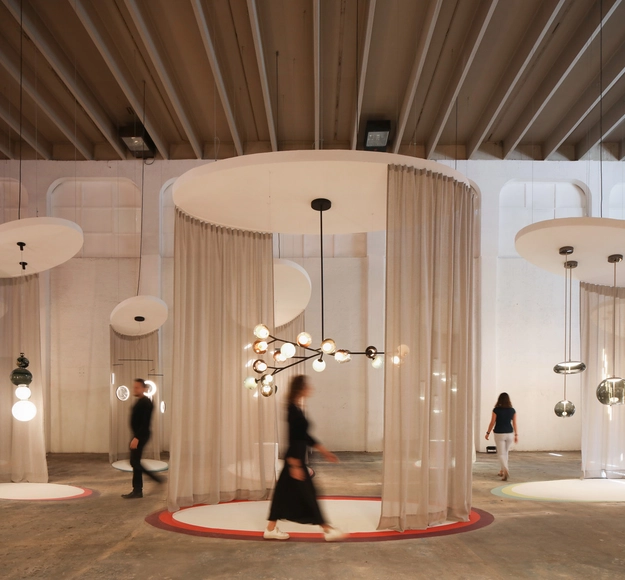
On November 10, Diez Company launched the fourth edition of Maison Diez Company to Mexican and international audiences. This space, dedicated to lighting design, brings together designers, creatives, architects, interior designers, business partners, lighting experts, and representatives of international brands to celebrate light.
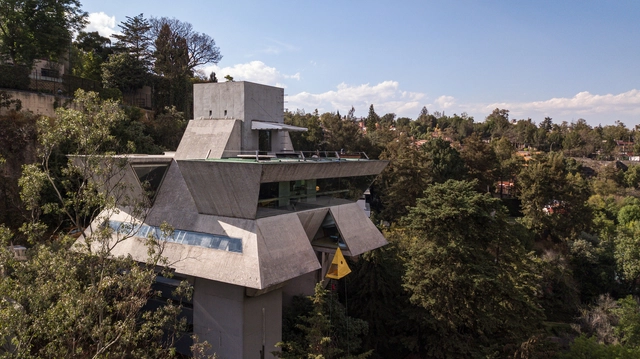
Today, November 10, the National Academy of Architecture, through a statement issued by Arch. José F. Reygadas Valdéz (President) and Arch. Antonio Gallardo E. (Secretary General), announced the passing of Mexican architect Agustín Hernández Navarro, an Emeritus Academic of the institution.
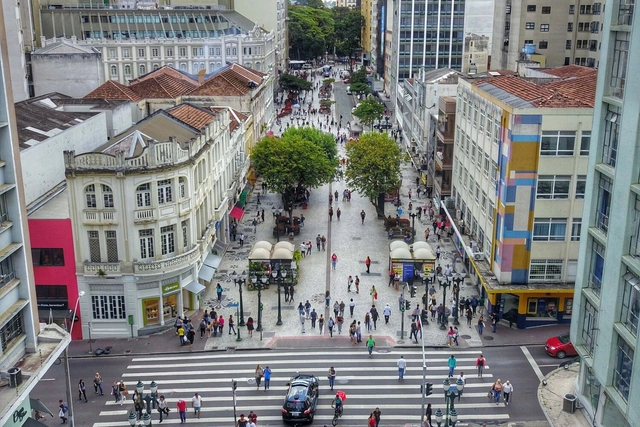
XV de Novembro Street in Curitiba, Brazil, became a social gathering point after being closed to cars in 1972. Via: CBN Curitiba
The urgent need to reduce greenhouse gas (GHG) emissions in the transportation sector presents both a challenge and an opportunity for local governments. This is particularly true for Zero Emission Areas (ZEAs)—urban zones where pollutant emissions are neutralized. This measure primarily benefits citizens, who enjoy healthier urban spaces and more vibrant commercial activity. However, ensuring success—or at least mitigating public backlash—requires deep social engagement and effective communication with the population.
https://www.archdaily.com/1132084/what-are-zero-emission-zonesITDP Brasil
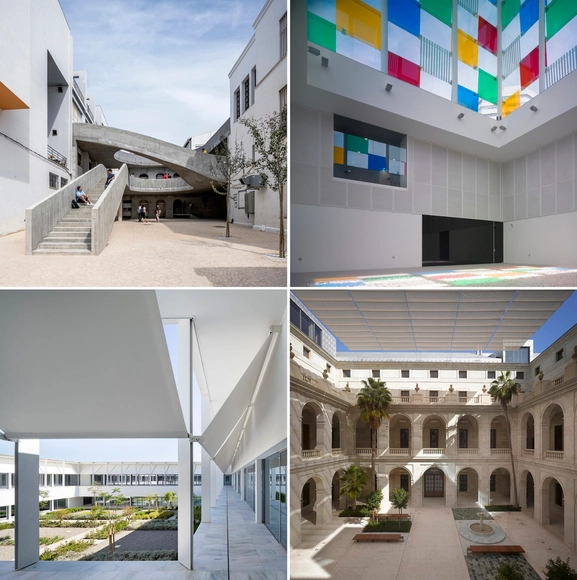
1. Patio Bellas Artes UMA / DJ arquitectura. Image by Jesús Granada. 2. Centre Pompidou Málaga / Javier Pérez De La Fuente, Juan Antonio Marín Malavé. Image by Jesús Granada. 3. Government Pavilion of the University of Málaga / alcolea+tárrago arquitectos + Roberto Ercilla + Lecumberri & Cidoncha. Image by Javier Callejas. 4. Museo de Málaga / Pardo Tapia Arquitectos. Image by Roland Halbe. Image
From November 18 to 20, 2022, Open House Málaga, one of the world's most important architecture and city festivals, will take place. Now in its second year in the city, the festival features over 40 free activities, including building visits, urban tours, and experiences. The event aims to connect the city with its residents and visitors, offering a unique architectural perspective alongside architects and industry professionals.
The city of Sharm El Sheikh, Egypt, hosts the 2022 United Nations Climate Change Conference, COP27, from November 6 to 18. The conference builds on the negotiations of COP26 in Glasgow, Scotland, in 2021, with the expectation that countries will demonstrate climate ambition and urgency to limit the rise in global temperature to 1.5°C.
https://www.archdaily.com/1132088/3-topics-of-interest-to-brazil-at-cop27WRI Brasil
Various studies have indicated that, to prevent temperatures from rising more than 1.5°C, there must be a major drop in greenhouse gas (GHG) emissions. To achieve this, it is necessary to developcompact cities designed for pedestrians, cyclists, and transit users, as well as rapidly and strategically adopting electric vehicles, with a focus on public transportation.
https://www.archdaily.com/1132312/compact-and-electrified-cities-to-curb-climate-changeITDP Brasil
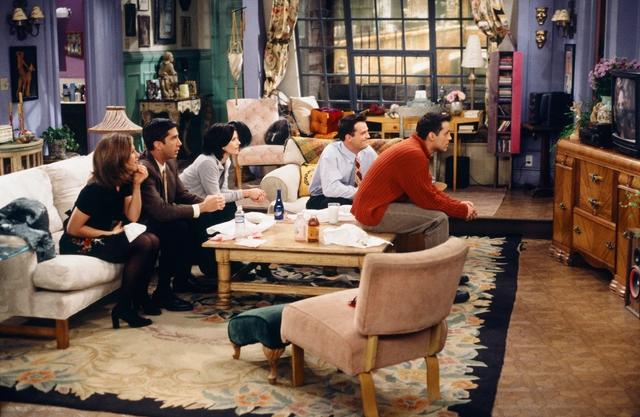
On November 21, we celebrate World Television Day, a communication tool that has transformed social relations since its invention in the late 19th century and its industrial widespread adoption beginning in the 1920s. Since then, television programs—inheriting theatrical genres—emerged, evolved, and multiplied, taking center stage in daily life and sparking widespread curiosity about how they work. Among their various aspects, we explore the set designs and present the logic behind television environments.
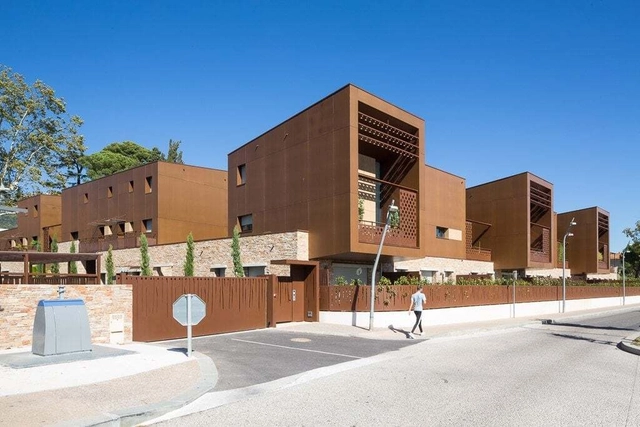
The Lofts of La Baume / Serge Botello, C + B Architect. Image Cortesia de Fundermax
To explain the passage of time, the ancient Greeks relied on two gods: Chronos and Kairos. While the former is represented as ruthless, like a clock that never stops, Kairos evoked the opportune moment for action. In other words, while Chronos is quantitative, Kairos has a qualitative and permanent nature. Indeed, humanity's relationship with the passage of time is not always an easy one.
Buildings are no different. In his seminal work The Seven Lamps of Architecture (1849), John Ruskin argued that only ruined buildings could preserve our past perceptions and, at the same time, allow us to confront our own mortality. In this sense, the marks of time and rubble were crucial witnesses to architectural aging, which, in his view, achieved an aesthetic somewhere between the sublime and the picturesque. Although this is a somewhat controversial perspective, the idea of considering how a building will endure over time has been gaining traction. It is well known that some materials age better than others: while a plastered white wall quickly shows cracks and stains, a stone wall seems to improve with age, blending into its surroundings, for example. Time brings new nuances, tells the story of what has passed, and lends authenticity to surfaces.
Cities have never been more engaged in climate action. At the 2021 UN Climate Change Conference (COP26), more than 1,100 cities representing a quarter of global CO2 emissions joined the Cities Race to Zero initiative. By doing so, these municipalities committed to ambitious, inclusive, and equitable actions to keep global temperature rise below 1.5°C. In November of this year, at COP27, these cities presented their progress and shared how they plan to deliver on their commitments.
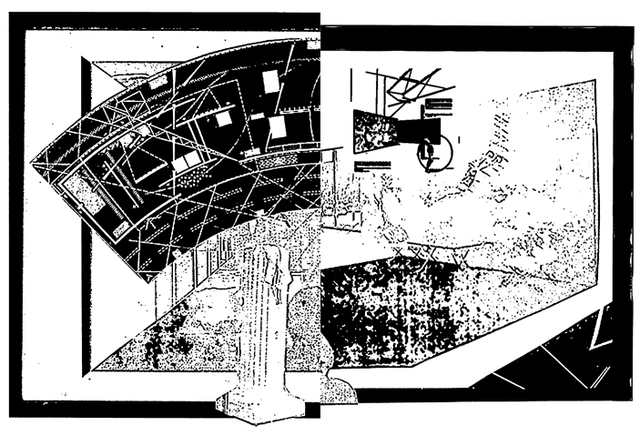
CASA PALESTRA. Collage produced by the author from images taken from the book S, M, L, XL and the OMA website
There is no doubt that the construction of the Barcelona Pavilion by Mies van der Rohe was designed to reaffirm the Modern Movement. This "icon" of the movement, deeply embedded in the architectural imagination, was built to be ephemeral. At the end of the International Exposition, the pavilion was dismantled; however, it was reconstructed 54 years later, sparking a debate within the architectural field regarding the authenticity of this replica.
On Tuesday, November 15, the public announcement of the finalists for the BAQ 2022 Competition (Pan-American Architecture Biennial of Quito) took place at the National Theater of the Casa de la Cultura Ecuatoriana.
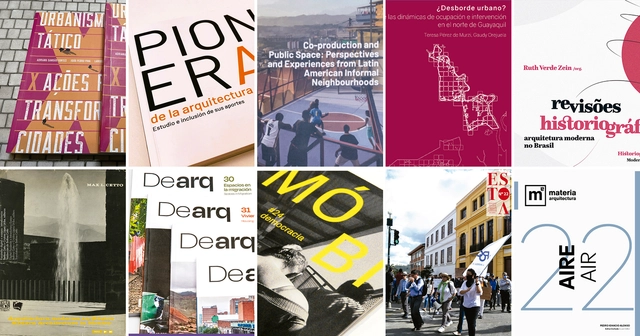
During the event, jurors Nuno Grande of Portugal and Carla Hermida of Cuenca announced the selections for the Publications Award, which was an open call for books and magazines—both print and digital—produced throughout the Americas during the four years prior to the event. Read the full list below.
The Pan-American Architecture Biennial of Quito (BAQ2022) will take place at the Casa de la Cultura Ecuatoriana until November 18. Organized by the Colegio de Arquitectos del Ecuador, Provincial de Pichincha (CAE-P), the biennial has been held since 1978, aiming to foster dialogue, exchange, and reflection on architecture and the contemporary city. This edition's theme, "Inflexions: Looking Back," aims to provide a space for discussion and debate on architecture surrounding turning points in history.
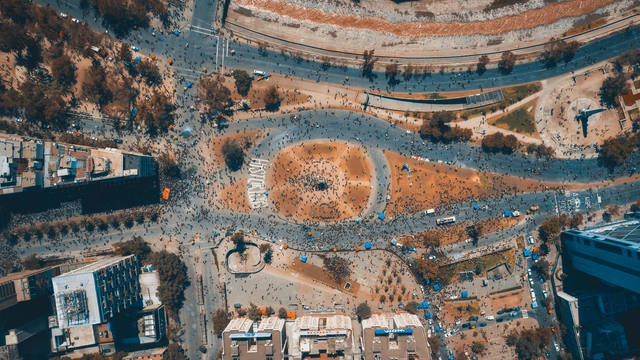
Plaza Baquedano durante las manifestaciones del 19 de octubre. Image Cortesía de Enzo Giusti / Shuttertstock
On Wednesday, November 3, work began on the redevelopment plan for Plaza Baquedano and its surroundings in Santiago de Chile. It is worth noting that Plaza Baquedano—traditionally known as Plaza Italia and recently referred to as Plaza de la Dignidad—is the convergence point for both celebrations and protests. These events have often been marked by social unrest and, particularly following the events of October 18, 2019, have left their mark on the public space. What does the future hold for this site of immense social and political significance?
In the early 19th century, in a Paris on the verge of having its medieval fabric torn open by Haussmann's grand boulevards, novelist George Sand dressed as a man to walk the streets. According to her journals, "in trousers and boots I could fly from one end of the city to the other, regardless of the weather, the hour, or the place." No one paid her any attention, no one guessed her disguise, and no one stared or criticized; she was just another "atom lost in that immense crowd." Thanks to her male attire, Sand experienced fearless incursions and solitary wanderings like a true flâneur—experiences that would later become fundamental to crafting her successful narratives.
Museo Nacional de Perú (MUNA) /Autores: María Alexia León Angell, Lucho Antonio Marcial Kuehne. Image Cortesía de CAP Consejo Nacional y CAP Regional Cusco
After a four-year hiatus due to the pandemic, the Peruvian Architecture Biennial resumed, organized by the Architects' Association of Peru (CAP) based in the Cusco region. Held during the month of October, the biennial focused on the theme "Building the Heritage of the Future," addressing the social responsibility of architects regarding the legacy being built for future generations.
On November 15, the finalists for the Social Habitat and Sustainability Award of the BAQ2022 Competition (Pan-American Architecture Biennial of Quito) were announced. The winners, along with those of the National Award and Pan-American Award, will be announced on Friday, November 18, during the closing and awards ceremony at the National Theater of Ecuador.
No País dos Arquitectos is a podcast created by Sara Nunes, who is also behind the architectural film production company Building Pictures. The podcast aims to profile the professionals, projects, and stories behind leading contemporary Portuguese architecture. With just over 10 million inhabitants, Portugal is a highly intriguing country in this professional field, and its architectural output far exceeds its demographic and territorial scale.
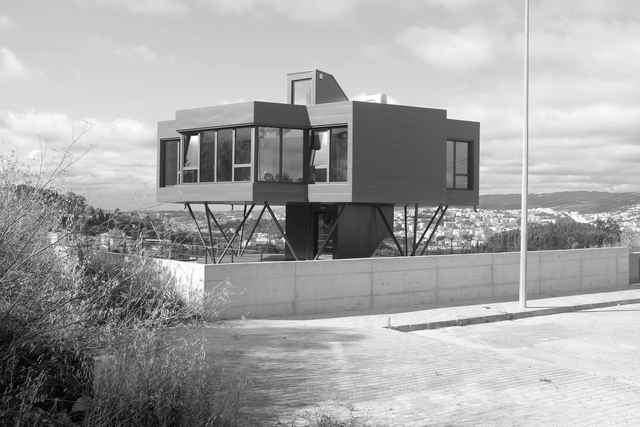
In this episode of the fourth season, Sara talks with architect Pedro Bandeira about the Rotating House (Casa Rotativa) project and the essential synergy between architecture and engineering required to develop this residence, which actually rotates around a vertical axis. Listen to the conversation and read an excerpt of the interview below.
On Friday, November 18, the winners of the XXVIII Colombian Biennial of Architecture and Urbanism (BCAU 2022) were announced across nine categories: Architectural Project; Interior and Ephemeral Architecture; Urban Design and Landscaping; Dissemination; Social Habitat; Heritage Intervention; Research, Theory, and Criticism; Urban and Regional Planning; and Single-family, duplex, and triplex housing.
Combining art, nature, and architecture, Barcelona-based practices Mendoza Partida (Héctor Mendoza and Mara Partida) and BAX studio (Boris Bezan) have joined forces to design Art-Sauna, an experience conceived as a continuation of the emotional journey at the Gösta Serlachius Museum of Contemporary Art in Mänttä, Finland. With a subtle, intimate, and domestic scale, this new space joins the complex, harmonizing the dialogue between these three variables and integrating the building into the journey by merging it with the terrain and making it part of the landscape.