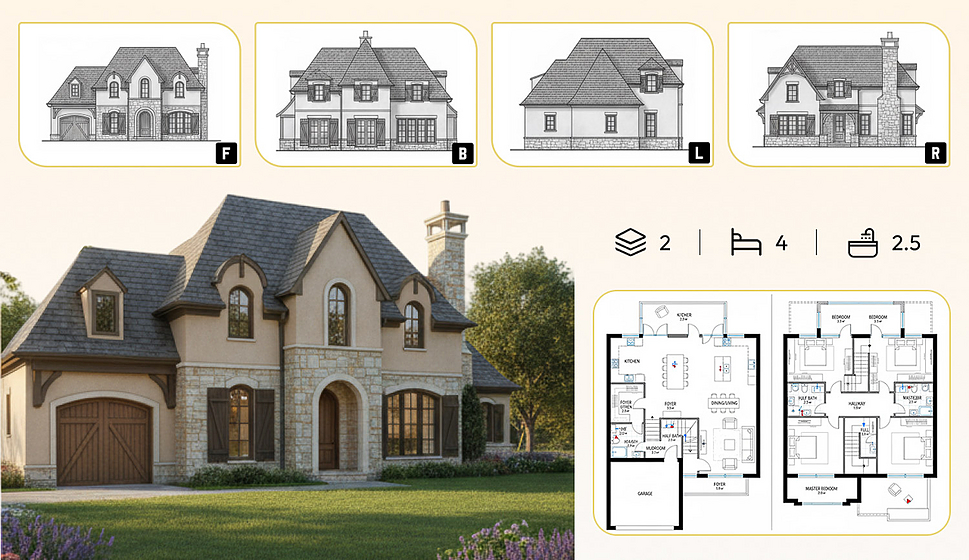
This guide covers a workflow that moves from project parameters to generated floor plans, 3D perspective views, exterior design exploration, and site context visualization, using AI tools in place of preliminary CAD and rendering work.
This guide covers a workflow that moves from project parameters to generated floor plans, 3D perspective views, exterior design exploration, and site context visualization, using AI tools in place of preliminary CAD and rendering work.
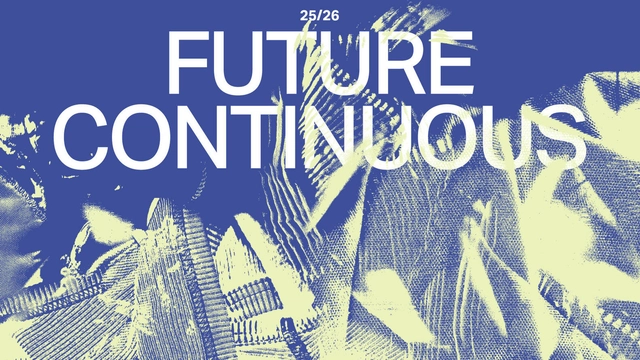
Curated by Alcova Milano under the theme "Future Continuous," Heimtextil Trends 25/26 offers an exciting new perspective on the textile industry. This trend showcase will be presented in the Trend Arena at Heimtextil from January 14 to 17, 2025.
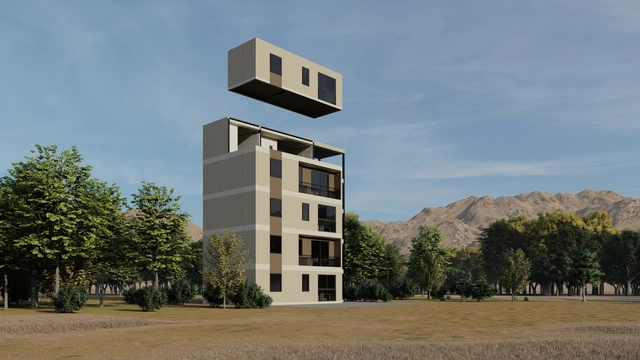
The Edifica 2024 International Construction Exhibition, an essential event for the sector in Latin America, will take place from October 15 to 17 at Espacio Riesco in Santiago, Chile. In this edition, the fair will not only showcase the latest advances in construction but will also serve as a platform to highlight how innovation and sustainability are transforming the industry landscape through concrete case studies and outstanding solutions.
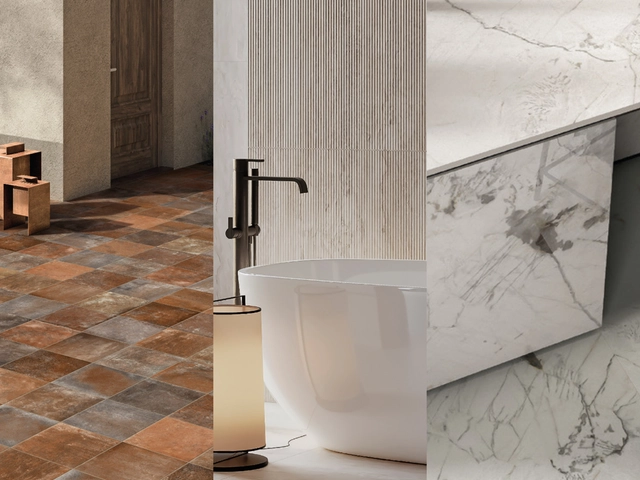
Stone and marble continue to establish themselves as essential materials in architecture and design, for both interiors and exteriors worldwide. CHC offers a curated selection designed to create spaces with a timeless, elegant character. Discover how to incorporate marble and stone into your projects to add a touch of modern style.
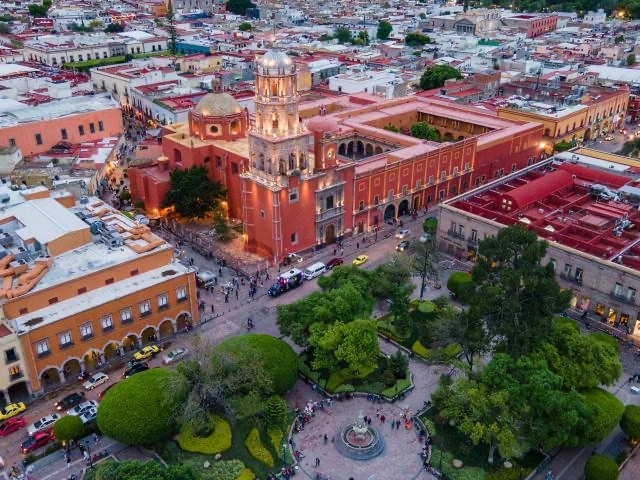
As the world rapidly urbanizes, cities are becoming home to a new generation of leaders and changemakers. Youth are at the center of this transformation, especially in regions like Africa, Asia, and the Americas. On Monday, October 7, the United Nations Human Settlements Programme (UN-Habitat) invites everyone interested in sustainable urban development to celebrate World Habitat Day, which this year centers on the theme "Engaging youth to create a more inclusive urban future."

Choosing between vinyl and laminate flooring is no longer necessary, as resilient hybrid flooring combines the best features of both materials. Kiwi is a natural flooring made of 80% wood, utilizing a premium impregnation technology that makes it 100% waterproof. This product features 80% wood, while the remaining 20% is composed of plant-based resins. Consequently, it is 100% PVC-free, making it an entirely eco-friendly choice.
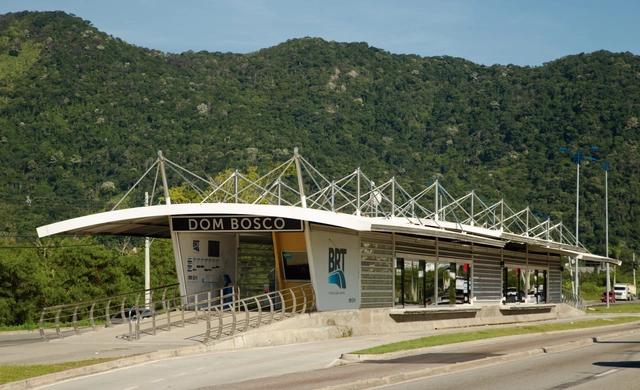
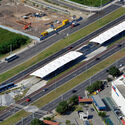
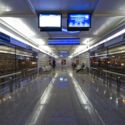
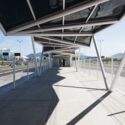
Jozé Candido is an architect and urban planner from Rio de Janeiro with extensive experience in the public sector, particularly in transportation. His design for the BRT (Bus Rapid Transit) stations in Rio de Janeiro was recognized as a "Gold Standard BRT" in 2013 by the ITDP. The BRT is a public transit system that crosses the city in the center-west direction and was implemented in Rio de Janeiro between 2012 and 2024.
Urban mobility architecture and its infrastructure — stations, terminals, pedestrian overpasses, etc. — are spaces of collective, daily use for the population of Brazilian metropolises. Aiming to expand knowledge and repertoire regarding these spaces, this interview explores the technical, political, and logistical challenges faced during the design and implementation of the BRT in the city, as well as the legacy of Jaime Lerner. The following interview highlights the impact of this project on urban development, transit modal integration, and the role of architecture in the functionality and sustainability of transportation systems.

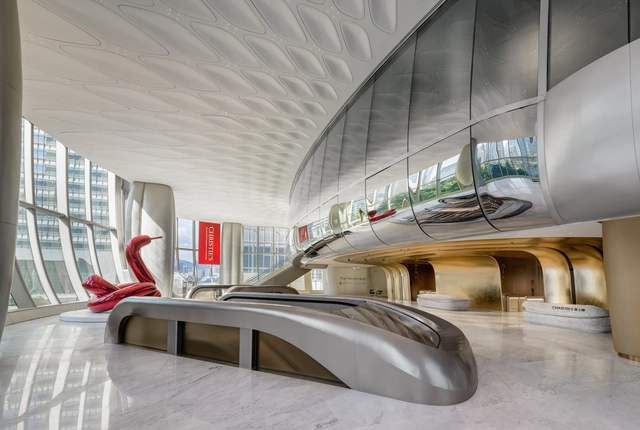
In Central, the bustling hub of Hong Kong's commercial, financial, cultural, and entertainment activities, what kind of synergy can emerge between a landmark skyscraper and a world-renowned art auction house? Can they break free from the traditional convention-center framework of art auctions to pioneer an entirely new spatial and operational model? Christie’s, one of the world's oldest art auction houses, has made a bold and successful attempt at its new Asia-Pacific headquarters in Hong Kong's landmark building, The Henderson—
The design strategy and spatial features of the new Asia-Pacific headquarters center on four key elements:
1. Large-scale motorized movable walls
2. Automated lighting and smart building control systems
3. A vertical gallery
4. Open-plan workspaces
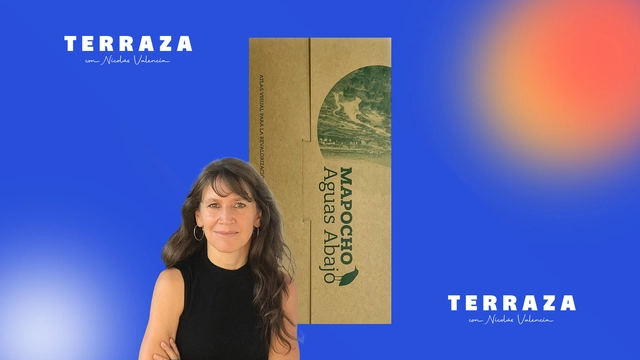
On this week's episode of the TERRAZA podcast, Nicolás Valencia speaks with Chilean architect Sandra Iturriaga about the book Mapocho Aguas Abajo (Ediciones ARQ), a publication developed by the Mapocho 42K Lab at the Pontificia Universidad Católica de Chile that proposes revaluing the heritage and landscape of the downstream stretch of the Mapocho River in Santiago, Chile.
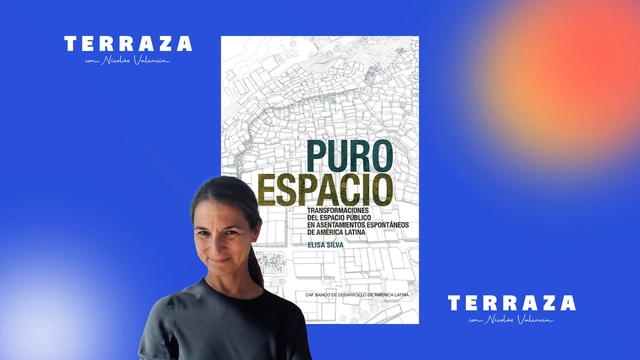
This week on the TERRAZA podcast, Nicolás Valencia talks with Venezuelan-American architect Elisa Silva about her book, "Pure Space: Public Space Transformations in Latin American Spontaneous Settlements" (Actar Publishers), an analysis of a series of public space interventions in communities across Mexico, Colombia, Venezuela, Brazil, Argentina, Peru, and Chile.
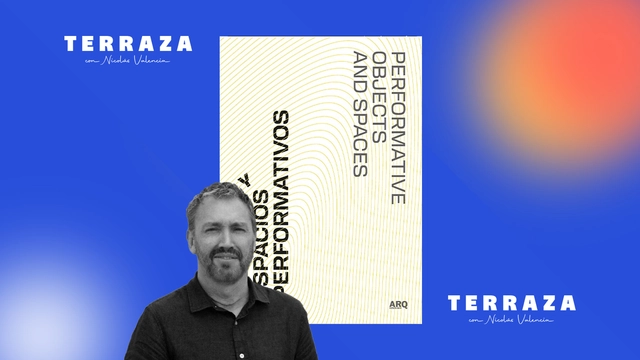
Nicolás Valencia talks this week on the TERRAZA podcast with Chilean architect Rodrigo Tisi about his book Objetos y espacios performativos (Ediciones ARQ), research that examines key moments to observe, explain, and establish the possibilities of certain performance practices in academia and creative environments.
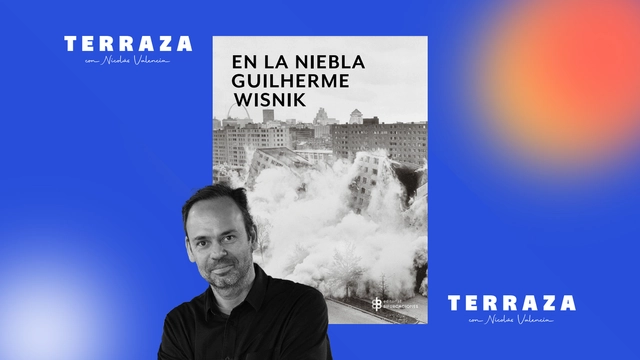
This week on the TERRAZA podcast, Nicolás Valencia talks with Brazilian architect and critic Guilherme Wisnik about his book En la niebla (Editorial Bifurcaciones), a series of essays where fog serves as a metaphor for the state of uncertainty in today's world, weaving together contemporary debates on space, art, and politics.
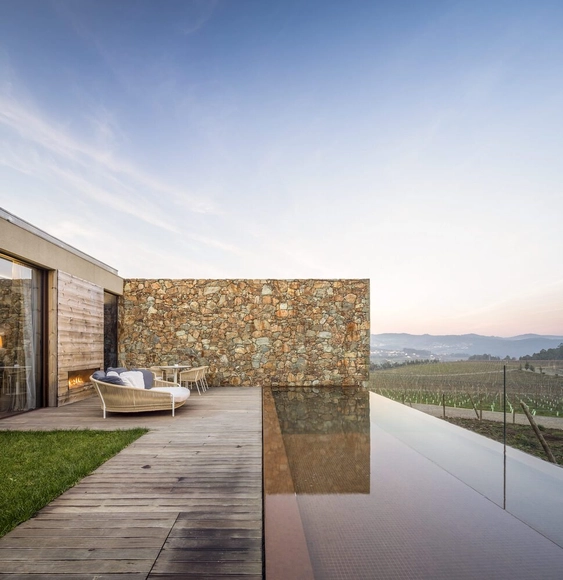
No País dos Arquitectos is a podcast created by Sara Nunes, who also runs the architectural film production company Building Pictures. The podcast aims to profile the professionals, projects, and stories behind landmark contemporary Portuguese architecture. With just over 10 million inhabitants, Portugal is a highly intriguing country in this professional field, and its architectural output far exceeds what its small population and territorial scale might suggest.
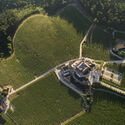
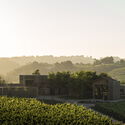
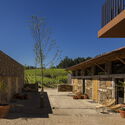
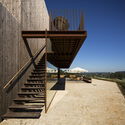
In this episode of the sixth season, Sara talks with architect Fernando Coelho of the firm FCC Arquitectura about the Monverde Rural Hotel project, located in Quinta da Lixa. Listen to the conversation and read an excerpt of the interview below.
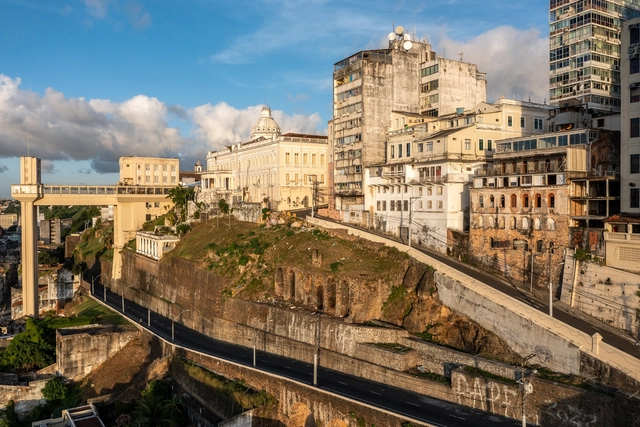
In the latest episode of the series, Arquicast spoke with the jury of the 9th Tomie Ohtake Akzonobel Architecture Award to understand the criteria established for the accolade. This time, joined by Sabrina Fontenele, architect, urbanist, and coordinator of the award, along with the other awardees, a roundtable discussion was held on the projects, providing a deeper look into their significance and the identity of the prize.
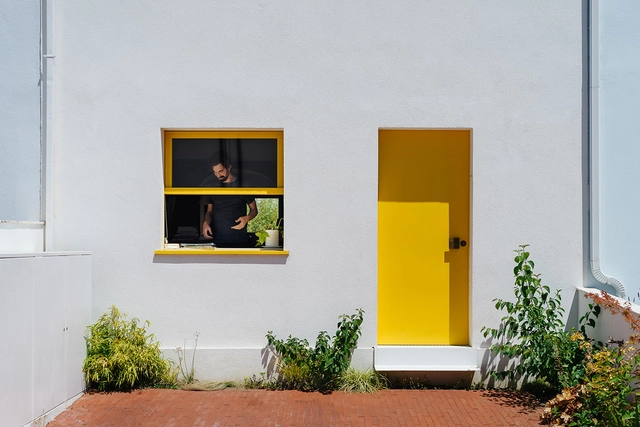
Doing more with less is an urgent architectural imperative. This is especially true in our recent global context, where environmental concerns are compounded by economic and social crises in various parts of the world. Within this landscape, the firm Branco Del Rio Arquitectos has been developing its practice since its founding in Coimbra in 2014. Established during a period of instability in Portugal, the office is the result of Paula del Rio and João Branco's pursuit of a simple architecture that seeks to address contemporary demands as objectively as possible.
In less than ten years of activity, the firm has garnered competition awards and international recognition, and was recently selected as one of ArchDaily's Best New Practices of 2023. We had the opportunity to speak with the architects about their experience with architectural rehabilitation, their collective housing projects, and their practice characterized by an economy of means.
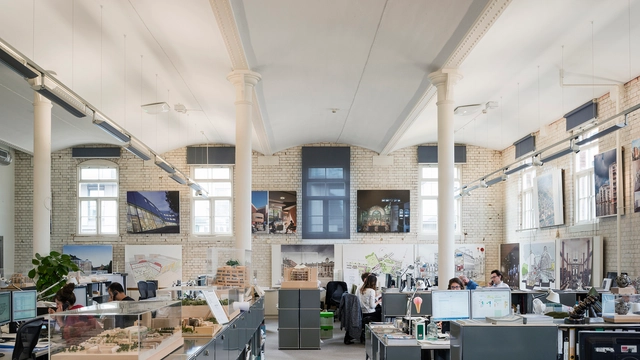
In the field of architecture, the challenges are multifaceted, including long working hours, low pay, inequality, and a lack of transparency. Yet, focusing solely on these negative aspects is often insufficient, if not simplistic. It is crucial to reflect on how we address these issues in our daily practice—promoting ethical decision-making, fostering teamwork and collaboration, and facilitating adaptation and innovation. While projects and clients often take center stage, we rarely delve deeply into the culture, work environments, routines, and dynamics of architecture firms.
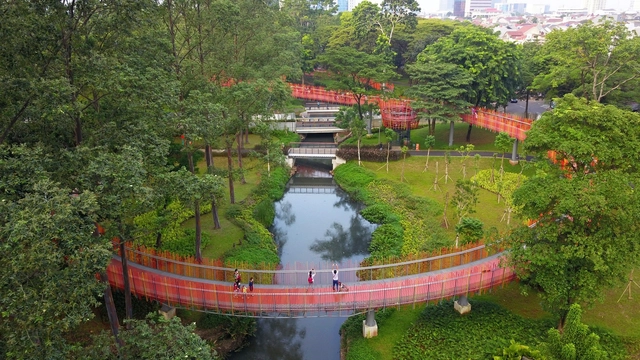
In another episode on quality of life and connection with nature, Arquicast explores a topic that has become even more relevant in recent times: public open spaces in cities, with a focus on precious, revitalizing green spaces—urban parks and plazas. In an increasingly urbanized world, the search for places to connect with nature has become essential. The discussion is enriched by two special guests: Luciana Jesus, an architect, urban planner, and leader of the Urban Landscape and Inclusion research group at the University of Vila Velha; and Klaus Chaves Alberto, a PhD in urbanism and researcher in the field of health, well-being, and quality of life at the Federal University of Juiz de Fora.

mobility, but also for other urban functions, bringing greater complexity to the use, occupation, and development of cities, as well as stairways, elevators, sidewalks, and bike lanes, among other active mobility devices. All of these structures are known as “architectures of mobility.”
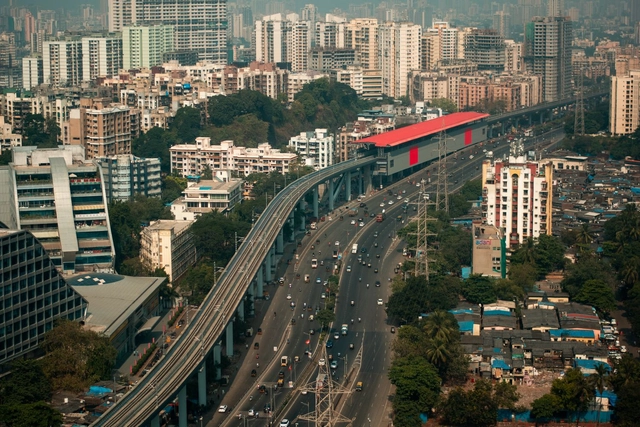
French urbanist Alain Bertaud is known for his work in the analysis and planning of urban systems. He is the author of several books, including Order without Design: How Markets Shape Cities, the Portuguese translation of which will be launched on April 11 at an event starting at 9 a.m. at Insper. Bertaud will participate in a panel to discuss the themes addressed in his work and other aspects of urban agglomerations.
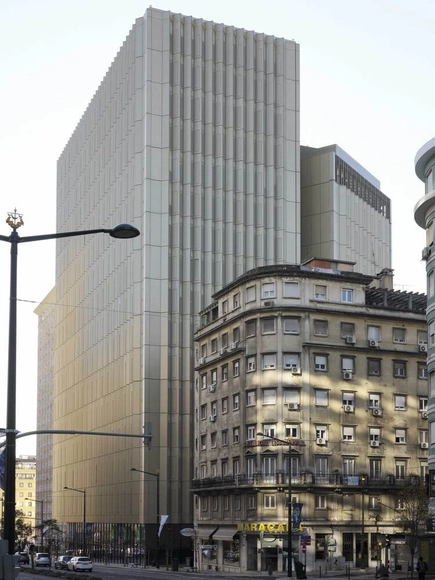
No País dos Arquitectos is a podcast created by Sara Nunes, who also runs the architectural film production company Building Pictures. The podcast aims to profile the professionals, projects, and stories behind landmark contemporary Portuguese architecture. With just over 10 million inhabitants, Portugal is a highly compelling country in this professional field, and its architectural output far exceeds what its population or territorial scale would suggest.
In this episode of the sixth season, Sara talks with architect Patrício Barbas, from the firm Barbas Lopes Arquitectos, about the FPM 41 project. Listen to the conversation and read part of the interview below.
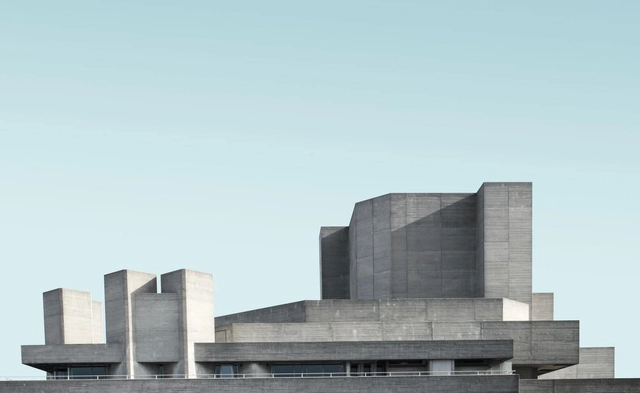
An architectural movement that emerged in the 1950s, Brutalism spread across several continents over the following decades. In this conversation, Arquicast goes beyond mere historiography to explore the legacy of this mode of spatial production and iconic buildings.
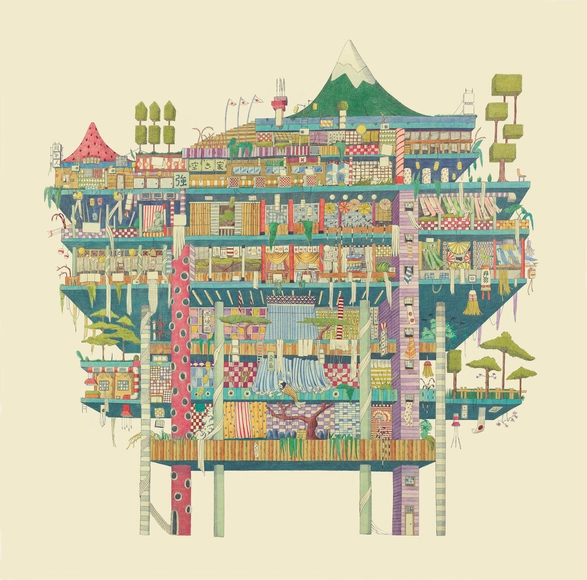
No País dos Arquitectos is a podcast created by Sara Nunes, who also runs the architectural film production company Building Pictures. The show aims to introduce the professionals, projects, and stories behind leading contemporary Portuguese architecture. With just over 10 million inhabitants, Portugal is a fascinating country when it comes to this professional field, and its architectural output far exceeds its population or territorial scale.
In this episode of the fifth season, Sara talks with designer Ana Aragão about her illustrations dedicated to architecture and cities. Listen to the conversation and read part of the interview below.
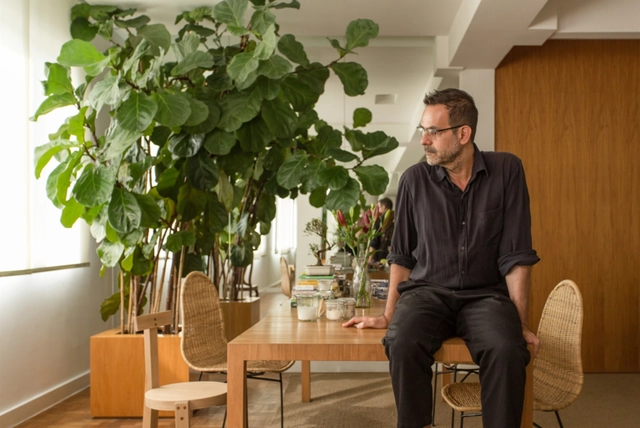
During Rio2C, the Arts&Crafts stage hosted another special episode of Arquicast for a live recording. This time, the guest was Alberto Renault, a set designer, writer, screenwriter, theater and TV director, as well as an International Emmy nominee and creator of several series, such as “Casa Brasileira,” “Lar: Vida Interior,” “Morar,” and “De Casa em Casa.”
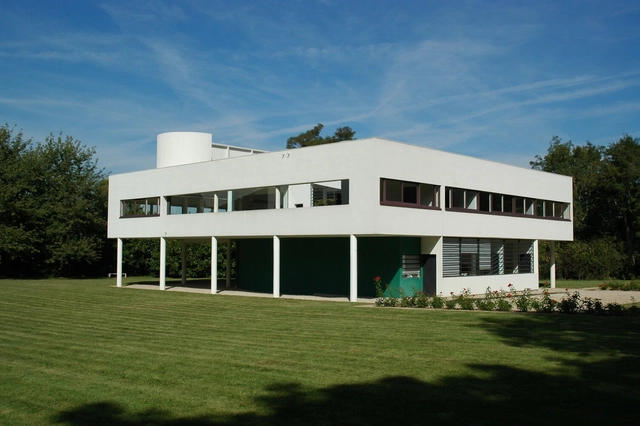
In another episode dedicated to architectural landmarks, Arquicast centers on the iconic Villa Savoye, a milestone in the history of 20th-century modernist architecture. Guest PC Lourenço offers an in-depth analysis of this architectural icon and its paradigms, providing an insightful look into its enduring significance and influence. The episode is also available in video format, allowing viewers to follow the discussion alongside photos and technical drawings of the building.
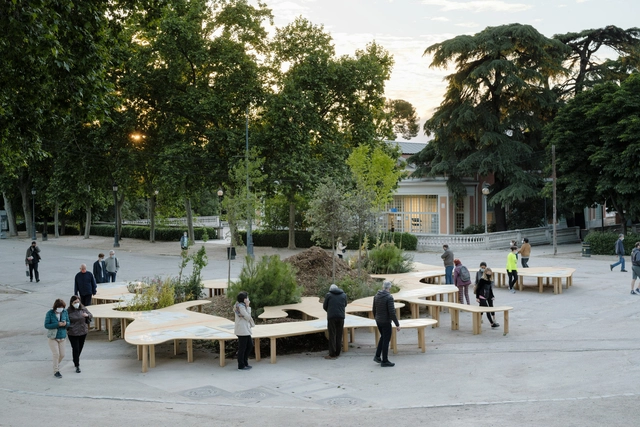
Mauro Gil-Fournier is a PhD architect, researcher, and professor who, after a 15-year career, decided to found Arquitecturas Afectivas: "a community that creates architecture with pleasure, cultivating the affects of people, other beings, and living things."
What is the process for creating affective architectures? Why are they important for the future of architecture? In the following conversation with Mauro, we delve deeper into this concept, which is fundamentally based on "enabling others to design from their truest expression."