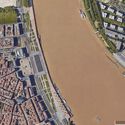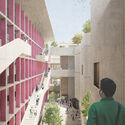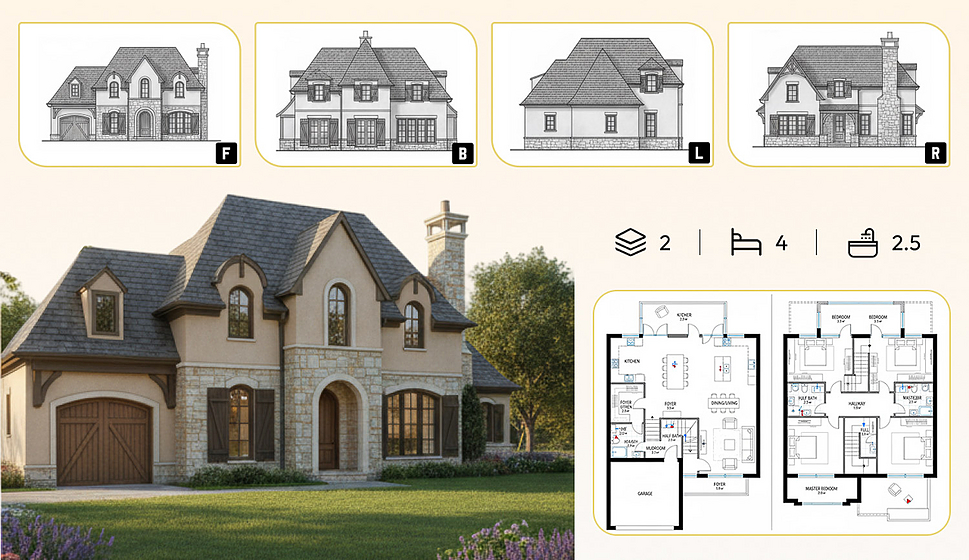
This guide covers a workflow that moves from project parameters to generated floor plans, 3D perspective views, exterior design exploration, and site context visualization, using AI tools in place of preliminary CAD and rendering work.
This guide covers a workflow that moves from project parameters to generated floor plans, 3D perspective views, exterior design exploration, and site context visualization, using AI tools in place of preliminary CAD and rendering work.
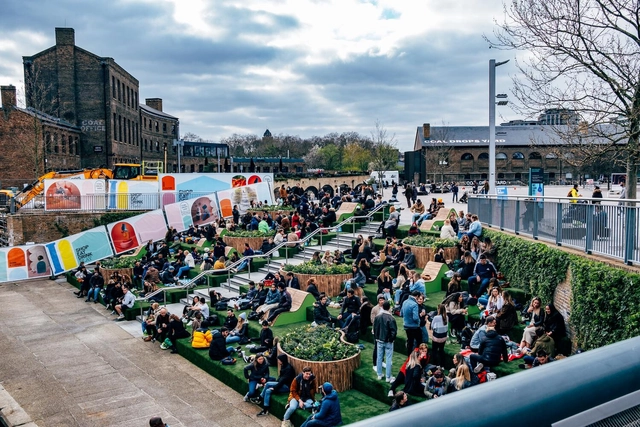
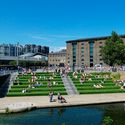
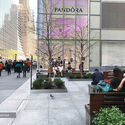
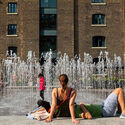
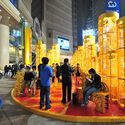
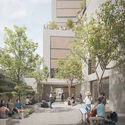
Privately owned public spaces, commonly known as POPS, originated in New York City in 1961 as a public policy incentive to create open, public-use areas on private property, with maintenance provided by the owners.
"Domingos Libro" is hosted by Carmelo from Enorme Studio, delving into forgotten architectural publications, books, and architecture magazines from the 1960s, 70s, and 80s that hide the most fascinating stories behind them.
After a hiatus in 2022, the series returned with episode 19, titled “Always Young,” which tells the story of Ettore Sottsass Jr. Now, it presents "No One Is a Prophet in Their Own Land," a tribute to the recently deceased master of architecture Ricardo Bofill.
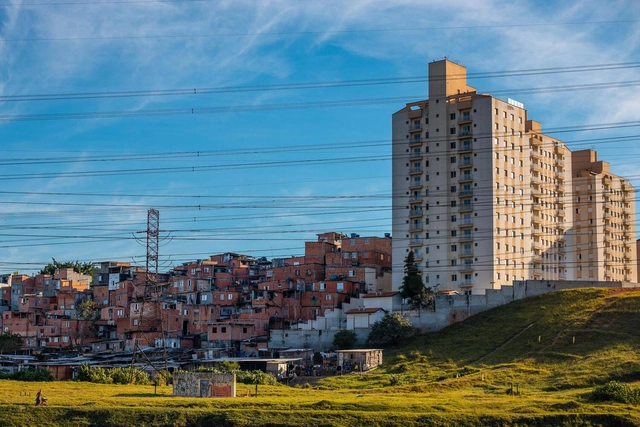
We know that Brazilian cities are exclusionary. They fail to prioritize public transit, which disproportionately harms the poorest residents. They segregate wealthier neighborhoods, driving the working class to live on the urban peripheries. And even there, a large part of the population can only afford housing in the informal market.

Doris Mary Clark Núñez is considered the first female Peruvian architect. With a life marked by difficulties, scrutiny, and restrictions solely due to being a woman in a professional world that had traditionally been male, Clark Núñez stands as a model of activism and resistance, as well as a pursuit of subversion and paradigm shifts in traditional debates and structures. Her life was dedicated—through teaching, political action, and academia—to laying the foundation for expanding the field of influence for women in architecture.


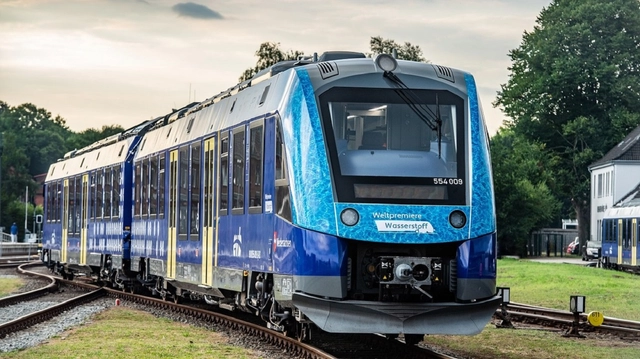
The world’s first hydrogen-powered passenger train service has begun operations in Germany. The 100% hydrogen-fueled rail line debuted in the small town of Bremervörde, near Hamburg. A total of 14 trains will replace diesel locomotives across nearly 100 kilometers of track in the northern part of the country. In addition to Bremervörde, the regional line serves the cities of Cuxhaven, Bremerhaven, and Buxtehude.
"Architecture and urbanism have the opportunity to offer solutions that involve looking beyond the discipline itself, so that the margins and boundaries of necessity lead us to seek actions outside of standard practice. Positioning ourselves on the margins allows us to see new alternatives, expand the practice, and have a perspective that is not central, but peripheral," say Anna Vergés and Guillem Augé (UNDO), curators of the XII Ibero-American Biennial of Architecture and Urbanism, whose central theme is "Habitar al margen" (Living on the Margins).
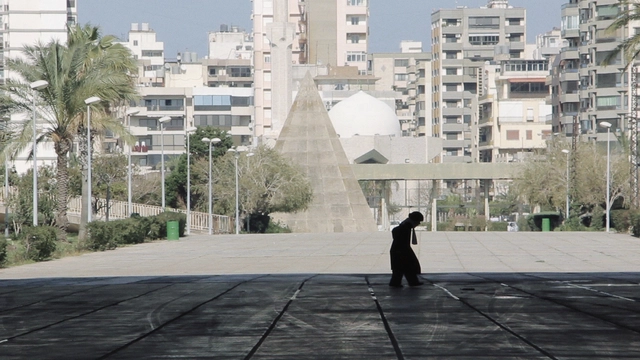
Slow Down! is the theme driving the 9th edition of the Arquiteturas Film Festival to the city of Porto, marking a change in both location and organization. Now organized by INSTITUTO under the direction of architect Paulo Moreira, the 2022 edition of the Arquiteturas Film Festival establishes itself as an international platform to discuss and disseminate architectural production through films, exhibitions, and debates.

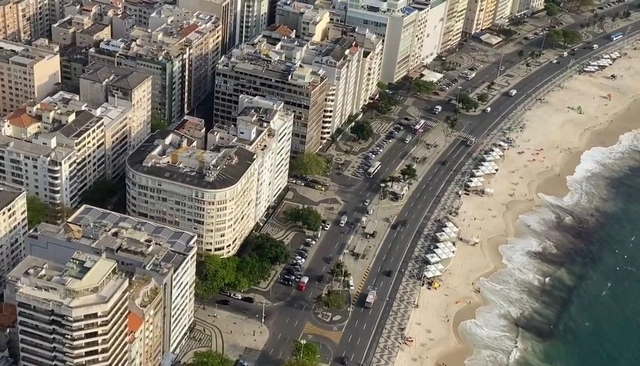
Over its 457-year history, the built landscape of Rio de Janeiro has taken shape in diverse ways. During its first few centuries, the city developed around Rua Direita (now Rua Primeiro de Março), consisting primarily of two-story row houses, typically featuring a single door and two windows on the ground floor. This layout stemmed from the measurement standard of the era, the *braça* (fathom), with plots usually measuring three *braças* wide (each *braça* equivalent to 2.2 meters). Rio's land ownership profile has always driven its urban form, and the Portuguese plot—with its narrow frontage and deep lot—defined an era and left an indelible mark on the city's development.
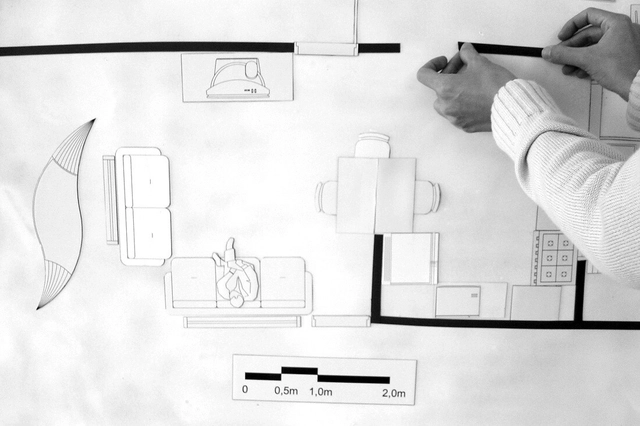
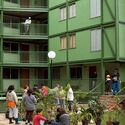
The vulnerability found in countries on the periphery of capitalism, such as Brazil, has wide-ranging consequences that are evident both in statistics and in how the occupied territory is shaped. Peripherization and the struggle to access fundamental rights—such as healthcare, education, and housing—are among these consequences. Addressing these challenges falls to organized social groups striving to build alternatives within this context, as seen in social movements and Usina CTAH, an architectural practice dedicated to providing technical assistance to organized social groups.
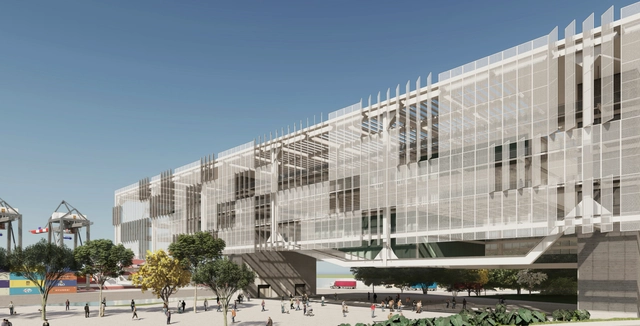
The Brazilian Steel Construction Center (CBCA) has announced the winners of the 15th CBCA Competition for Architecture Students. In this nationwide competition, teams were challenged to address the theme “Industry, Innovation, and Infrastructure.”
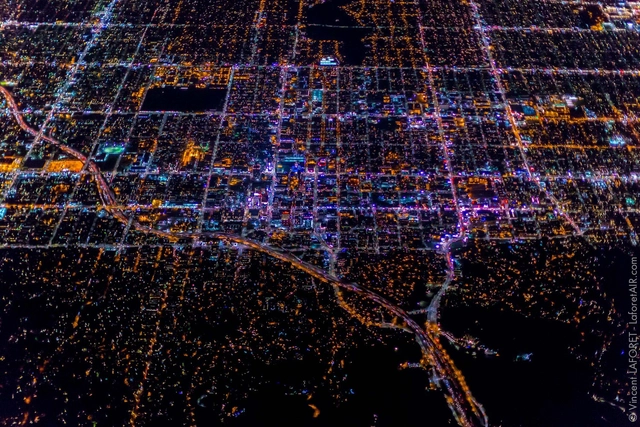
For a long time, cars were the primary protagonists of major cities. This prioritization resulted in territories occupied mostly by highways, leaving them uninviting to people. In recent years, however, many cities have undergone spatial transformations, seeking to reshape their relationship with automobiles and prioritize pedestrians and the human scale.
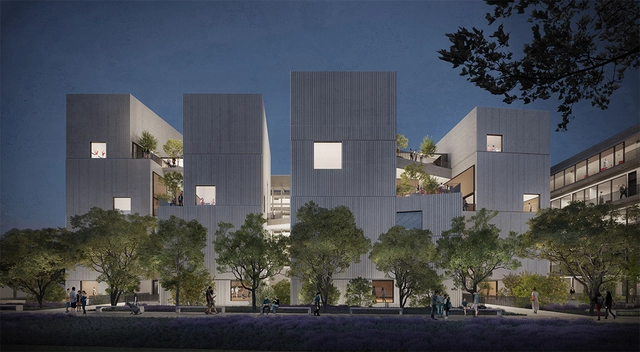
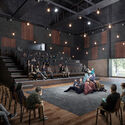
The winning proposal for the construction of the new infrastructure for the Faculty of Performing Arts at the Pontificia Universidad Católica del Perú (PUCP) has been announced. The project will be designed by the prestigious architecture firm Barclay & Crousse. The new building aims to centralize Performing Arts activities on the PUCP campus and strengthen a sense of community by bringing theater, performing arts creation and production, music, and dance together in an integrated space for learning where the architecture itself becomes a stage and a landscape for education.
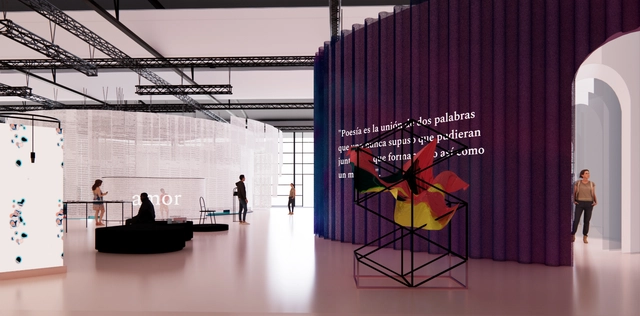
The Frankfurt Book Fair is the world's largest book trade fair in terms of publishing representation, taking place every year in mid-October. In this edition, Spain is the Guest of Honor, presenting a unique opportunity to showcase its culture and literature to the world.
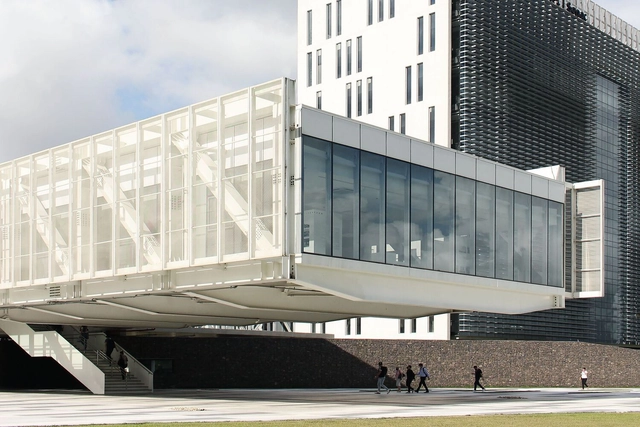
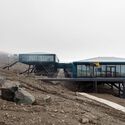
Estúdio 41 is a name frequently seen on lists of design competition winners throughout Brazil. Based in Curitiba, the architecture firm was born out of a collaboration between architects who graduated from UFPR, dedicating its energy to developing competition proposals where inquiry, experimentation, and innovation find fertile ground. What is striking is that the team—composed of João Gabriel Rosa, Martin Kaufer Goic, Eron Costin, Emerson Vidigal, and Fabio Henrique Faria—has achieved a remarkable success rate, with completed projects such as the Antarctic Station and the Fecomércio Headquarters.
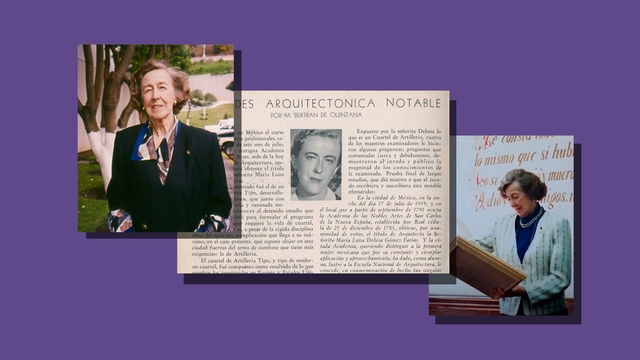
María Luisa Dehesa Gómez Farías (1912–2009) was a Mexican architect from Xalapa, Veracruz, who became the first woman in Mexico to earn a degree in architecture. Her professional training began in 1933 when she entered the Royal Academy of San Carlos. This required her to relocate to Mexico City—renting a rooftop room in Coyoacán from which she commuted by streetcar—to join a class of 113 students, only five of whom were women.
YouTube is the social network with the highest number of monthly active users—around 2 billion, nearly double that of Instagram. As a search engine, it ranks second, behind only Google. It comes as no surprise, then, that the fashion, music, and beauty industries have embraced the platform with open arms. By contrast, design and architecture have lagged behind.
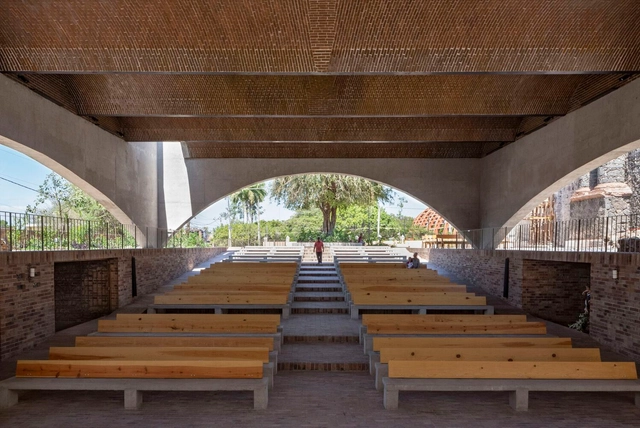
The Federation of Colleges of Architects of the Republic of Mexico, A.C., invited all Mexican architects to participate in the XVII National and International Biennial of Mexican Architecture 2022. This event sought to identify the country's best architectural works, as well as publications, research, and theses, recognizing their authors and promoting the most outstanding projects to foster, through analysis and critique, a reflection on responsible contemporary architecture and sustainable solutions. In this biennial, a single Gold Medal was awarded, and the projects were classified into 23 categories, featuring various Honorable Mentions and Silver Medals. Read on to discover the winners.
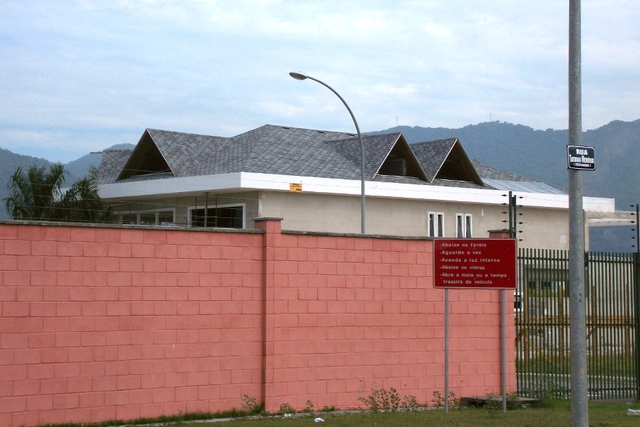
“Don't build walls, no more; Or the city dies.” I discovered this poem on a solitary wheatpaste poster stuck to one of the endless walls that make the city of São Paulo a worse place to live. I must admit that every time I take my youngest son to get vaccinated at the local health clinic (UBS) in Vila Romana, I think it would be nice to have a can of spray paint to graffiti the poem onto the walls of one of the apartment complexes recently built right across the street, which occupies nearly an entire block in the neighborhood.

What are the stories of the first Ibero-American women architects? This is the central question we seek to answer in celebration of this month's ArchDaily topic: Women in Architecture.
In seeking to present their motivations, inspirations, and career paths, we conducted research to bring visibility and recognition to several figures who have historically been overlooked. Meet Doris Clark Núñez, Guadalupe Ibarra, Matilde Ucelay Maórtua, Filandia Pizzul, Dora Riedel, Luz Amorocho, María Luisa Dehesa, Arinda da Cruz Sobral, and Julia Guarino below.

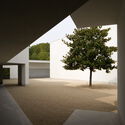
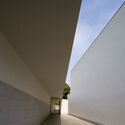
With the goal of getting to know the architects, projects, and stories behind landmark Portuguese architecture, Sara Nunes, from the architectural film production company Building Pictures, launched the podcast No País dos Arquitectos, where she talks with leading figures of contemporary Portuguese architecture. In the first episode of the fourth season, Sara speaks with architect Álvaro Siza Vieira about the expansion project for the Serralves Museum of Contemporary Art.
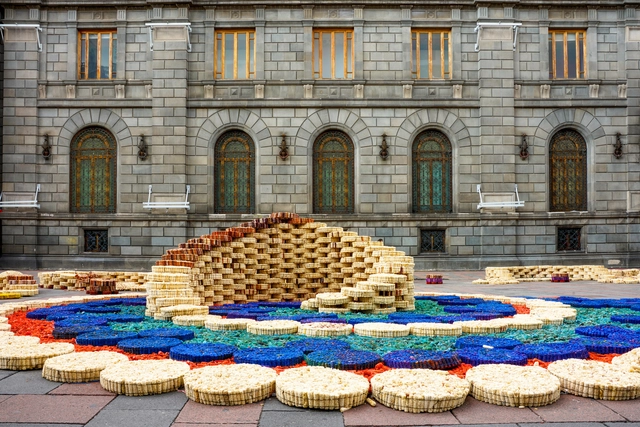
For the eighth time, the MEXTRÓPOLI Architecture and City Festival held the Arquine No. 24 | MEXTRÓPOLI 2022 Pavilion competition, a platform where architecture, urban planning, and art meet to contemplate and celebrate Mexico City. The event also aims to engage citizens by occupying public space with architectural installations that can be activated by visitors. Celebrating public spaces or offering a fresh perspective on everyday routes is the driving force behind MEXTRÓPOLI’s exhibition of these ephemeral architectural installations.
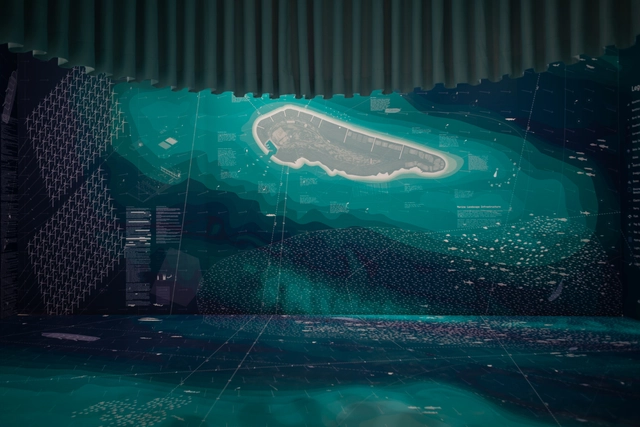
Terra. A term used to define the planet we live on, the soil we walk on, and the raw material for the most diverse works. From it derives the word territory, which, beyond its symbolic meaning in shaping culture and worldviews, is also the foundation of any settlement and of nature itself. The power of all the meanings this word carries is taken as the title of the 6th Lisbon Architecture Triennale, which explores themes concerning the human relationship with its context and the revolutionary processes spanning the most diverse scales of architecture.
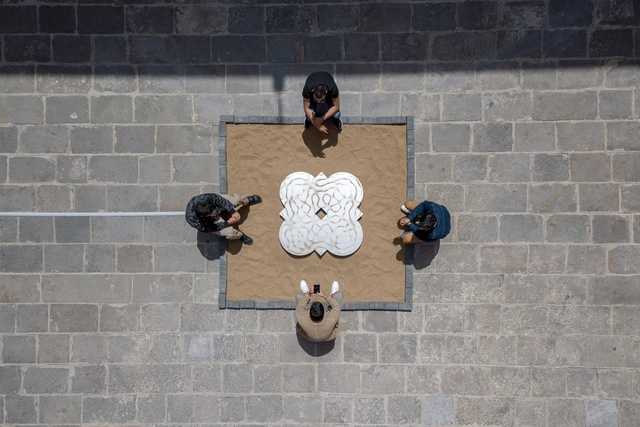
Initiated by Patio Efímero—a collective of young creatives—the open call for the "Patio 3 Competition: Encounter of Ephemeral Interventions" was launched in early 2022. Organized in collaboration with the National System of Art Creators of the Federal Ministry of Culture, the Puebla State Ministry of Culture, Museos Puebla, the Municipal Institute of Art and Culture of Puebla, the Municipal Ministry of Economy and Tourism of Puebla, and the Historic Center and Cultural Heritage Management Office of the Municipality of Puebla, the call invited established and emerging graphic, visual, and multidisciplinary artists, as well as architects, to participate in the third edition of Patio Efímero.
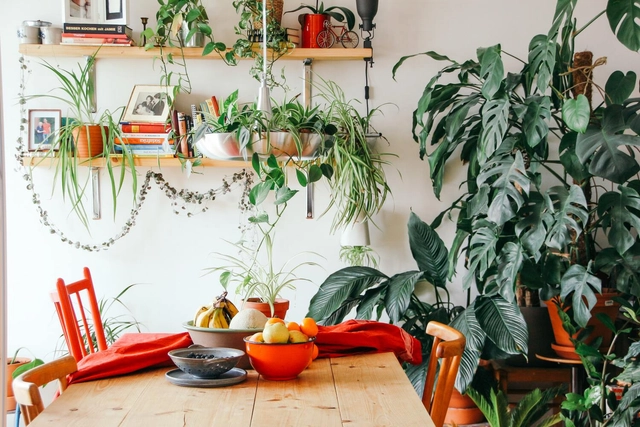
The importance of connecting with nature is the subject of numerous studies. Research by the Harvard T.H. Chan School of Public Health indicates that living near woodlands, parks, and gardens is associated with a lower risk of developing kidney and respiratory diseases, as well as reduced rates of depression. However, those living in major urban centers cannot always bridge this gap, whether due to a lack of parks, a shortage of time, or simply the distance to the nearest green space. In such cases, an alternative is to bring nature indoors, relying on the power of plants as an integral part of home decor.