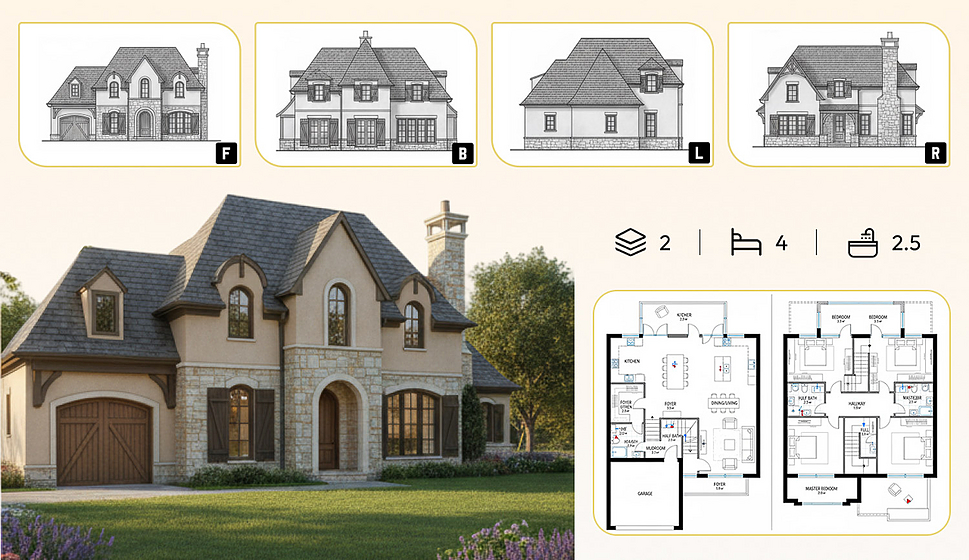
This guide covers a workflow that moves from project parameters to generated floor plans, 3D perspective views, exterior design exploration, and site context visualization, using AI tools in place of preliminary CAD and rendering work.
This guide covers a workflow that moves from project parameters to generated floor plans, 3D perspective views, exterior design exploration, and site context visualization, using AI tools in place of preliminary CAD and rendering work.
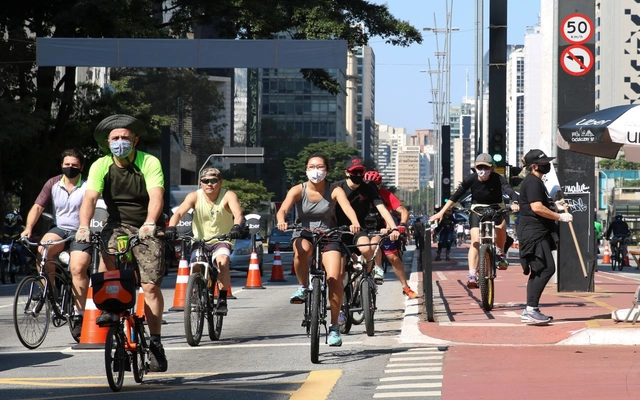
Since 2011, the Aromeiazero Institute has been promoting the "Bike Parada não Rola" (A Stationary Bike Doesn't Roll) campaign. The initiative partners with residential building managers to identify abandoned bicycles in condominium bike racks.
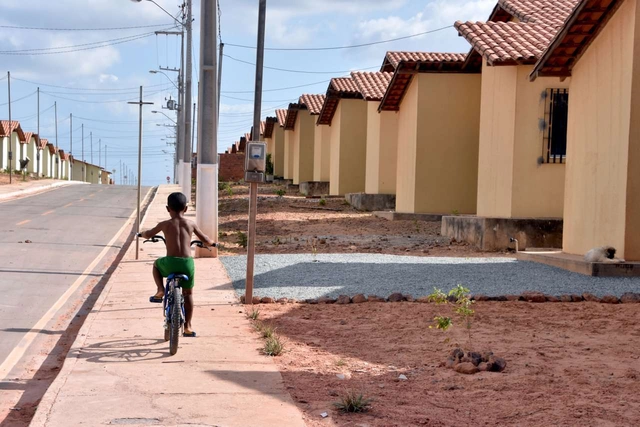
For another episode in the series on Social Interest Housing (HIS), Arquicast has selected a crucial chapter of our recent history: the Minha Casa Minha Vida Program (MCMV). The episode discusses the foundations of the so-called housing deficit, the program's progress, and its shortcomings.

Women Architects and Urban Planners Day was established in 2020 by the Council of Architecture and Urbanism of Brazil (CAU/BR) to reaffirm its commitment to promoting gender equality across all its spheres and in its relationship with society. According to a survey by CAU/BR in its 2019 Yearbook, women represent 63% of architects and urban planners, a proportion expected to increase in the near future. Among professionals aged 30 and under, that number rises to 75% women compared to 25% men.
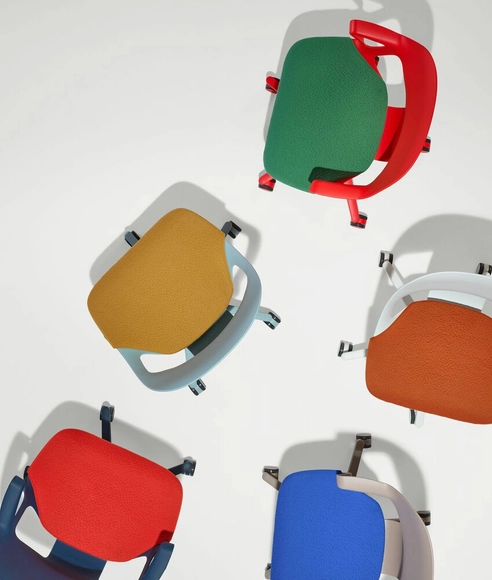
Around the world, people continue to adapt to new ways of working, making the search for suitable furniture and equipment for both home and work environments more relevant than ever. At the same time, finding options that balance personal aesthetics and style with functionality is essential.
Herman Miller, a global leader in innovative design and furniture solutions, has announced the launch of an office chair inspired by the iconic Eames Shell chair. Design firm Studio 7.5 and Herman Miller have teamed up once again to reveal their latest collaboration: the Zeph chair.
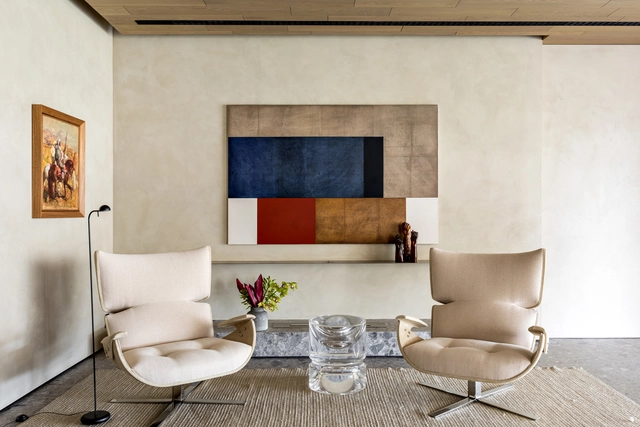
The determination of focal points in the environments offers dynamism, personality and activates internal and external environments from the enhancement of decorative objects or construction elements. Here are some examples for you to understand what it is and how to use it in the design and decoration of your home.
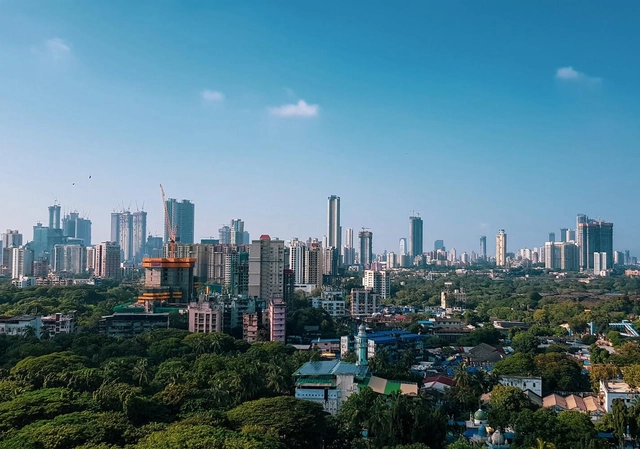
Cities and communities around the world are stepping up to reduce greenhouse gas (GHG) emissions and prevent the most dangerous impacts of climate change. Typically, strategies focus on reducing emissions in sectors such as transportation, energy, housing, and waste. Yet, there is another sector that many communities have overlooked in their climate plans: trees and forests.


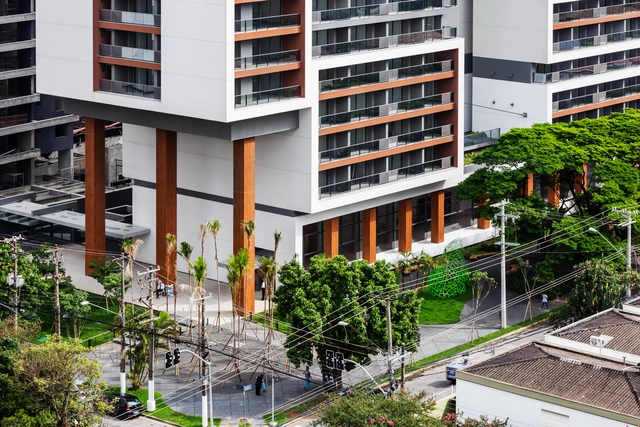
In a new interview episode, Arquicast speaks with one of the most renowned and established practices in Brazilian architecture. In 2022, aflalo/gasperini arquitetos celebrates 60 years of a practice that has evolved alongside the nation's architecture. A commitment to building performance is central to their work, as is their pursuit of the most advanced technology to support sustainable design—an approach validated by several of their older projects that have gone on to receive international certifications.
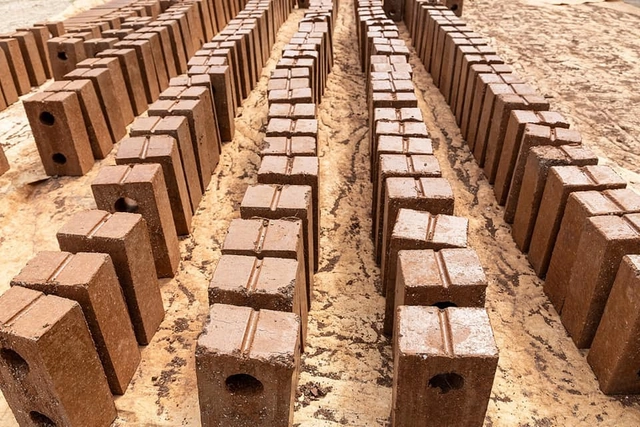
Periodically, we have witnessed how the coasts of Quintana Roo have suffered from severe sargassum algae blooms, representing a major problem for local residents who, year after year, dedicate themselves to exhaustively cleaning the beaches during the April-August season. Various media outlets have reported that the cause of the sargassum is still unknown; however, some theories link it to climate change and variations in the Atlantic Ocean. Currently, the non-governmental organization Red de Monitoreo del Sargazo de Quintana Roo (Quintana Roo Sargassum Monitoring Network) monitors sargassum presence in the region. According to its latest alert level system, there are 22 locations with an excessive presence of this macroalgae, and the same number considered abundant.
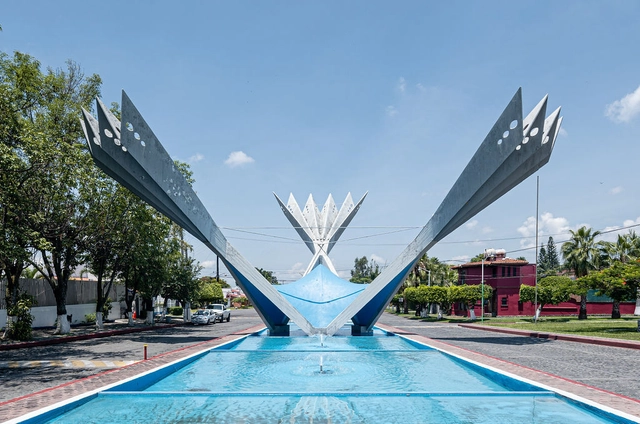
The Spanish-Mexican architect Félix Candela is one of the world's most renowned twentieth-century architects, celebrated for a career that explored reinforced concrete through experiments resulting in his famous cascarones (thin-shell structures)—structural and design elements that support many of his works, such as the Cosmic Rays Pavilion at UNAM in Mexico City (1951); the Palmira Chapel in Cuernavaca (1958); the Los Manantiales Restaurant in Xochimilco (1958); and the Palacio de los Deportes for the 1968 Olympic Games in Mexico City.
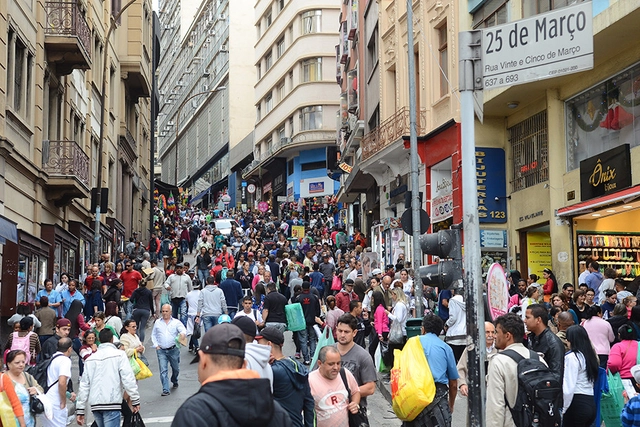
An ideal address implies convenience, meeting basic needs for goods and services within a short walk. Breakfast at the base of the building, a quick run to the pharmacy, pulling a cart overflowing with fruit, heading down on Saturday for a haircut, walking the dog in the corner plaza. The health of a city depends on the presence of people walking in public spaces, fostering a sense of community, safety, civility, and the capacity to meet basic consumption needs. And the street-level storefront along this walk is a vital catalyst.
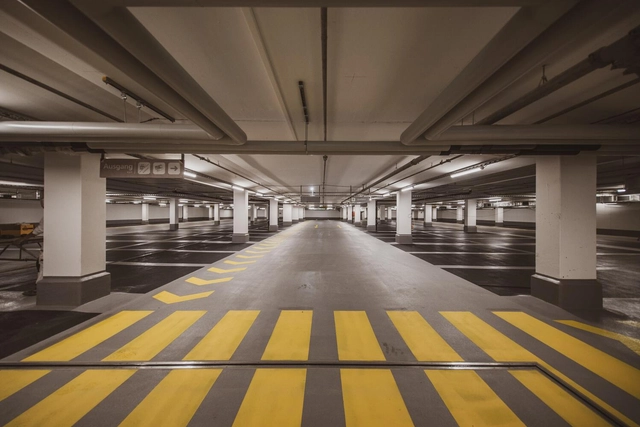
Tie-in sales are one of the major consumer rights issues and are typically banned in most market economies. They occur when a seller conditions the sale of one product or service on the purchase of another. In Brazil, the Consumer Defense Code, under Article 39, Subsection I, expressly condemns this practice. Meanwhile, Law 12,529/2011, which structures the Brazilian competition defense system, establishes in Article 36, Subsection XVIII, that tie-in sales constitute an infraction against the economic order.
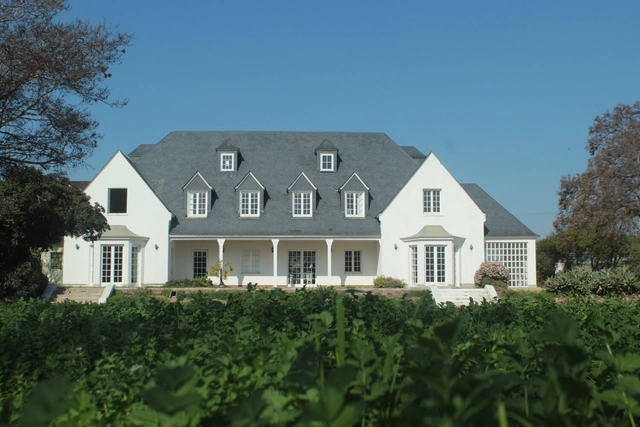
In 2016, in the commune of Limache in Chile's Valparaíso region, tunnels connecting to various parts of the city—including the CCU brewery—were discovered beneath a hatch in the gardens of the landmark Eastman Mansion. Prompted by uncertainty over why they were built, an investigation was launched, with the findings behind the project's origins finally revealed in 2021.

"Light and movement allow us to achieve anything that is recognized as beautiful." This quote by Álvaro Siza Vieira, the universally acclaimed Portuguese architect, captures his philosophy. His work guides the relationship between built space and its surroundings, creating true works of art that prioritize nature. In furniture design, the approach can be similar. The intervention can indulge in the status of art, redefining meaning and joining new dialogues as if framed in a museum setting.
Driven by this provocation, Dell Anno presents an approach for its 2022 campaign that further strengthens its DNA of connecting architecture, art, and fashion. Titled Singular Dell Anno, the campaign draws a parallel with the sublime work of the Portuguese architect, paying tribute to his legacy of simplicity and architectural sophistication, which earned him global recognition and made him a major architectural influence today.
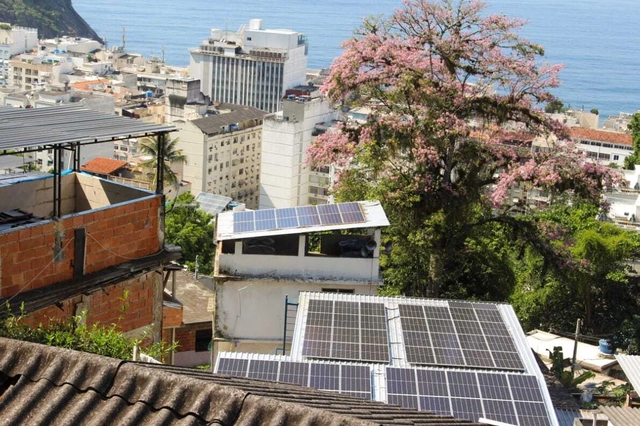
An initiative in the Rocinha community in Rio de Janeiro will provide professional training for residents in the solar energy market and install two photovoltaic plants in the community (at Acadêmicos da Rocinha and Igreja Batista), directly benefiting the NGOs Rocinha Recicla and Pedrinho Social through local energy generation.
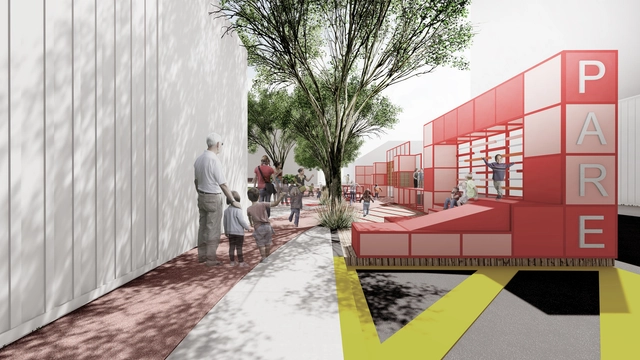
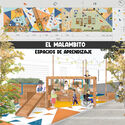
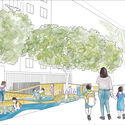
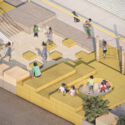
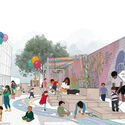
During the International Festival of Urban Interventions (FIIU), the finalists and winners of the 'Public Spaces for Early Childhood' competition were announced. Organized by Ocupa Tu Calle and Lima Cómo Vamos as part of the Pact for Public Spaces, the initiative was held in strategic alliance with the Bernard van Leer Foundation and Urban95. The competition aimed to design two public spaces in the districts of Barranco and Miraflores in Lima, Peru, utilizing an early childhood-centered approach.
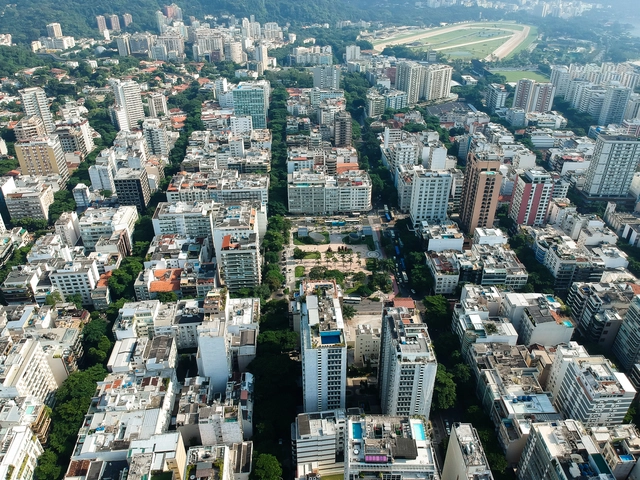
In an effort to improve air quality and the health of Rio's residents, the Rio de Janeiro City Hall is launching the Low Emission District. Measures to reduce greenhouse gas emissions will be implemented across an area of just over two square kilometers in the city center.
The district's implementation will be carried out in phases through 2030. The first phase, which is currently underway, consists of revitalizing 35,000 square meters of public space in the city center and monitoring air quality and GHG emissions. It is expected to be completed in 2024.
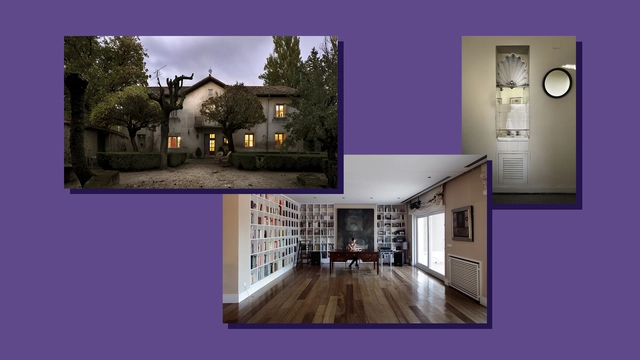
Matilde Ucelay Maórtua was born in 1912 in Madrid into a bourgeois, professional, and enlightened family, as the eldest of four sisters. Her father's family, Enrique Ucelay, of Basque origin, had held a prominent economic, political, and professional position in 19th-century Madrid, closely tied to political liberalism. Meanwhile, her mother, Pura Maórtua, also of Basque descent, came from a wealthy family as well. Though she lacked formal academic training, she possessed an insatiable desire to learn and was fortunate to travel extensively, visiting museums and architectural works.
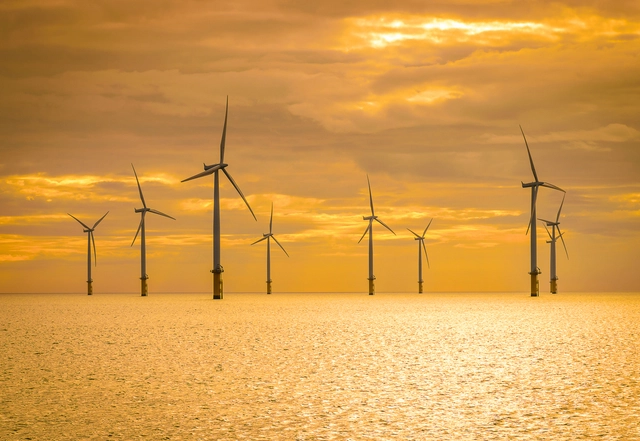
On Wednesday, August 17, the Senate Infrastructure Services Committee approved a bill establishing a regulatory framework for offshore energy generation—including wind, solar, or tidal—in Brazil's open seas, lagoons, and other bodies of water. The Bill (PL) 576/2021 regulates authorizations for harnessing offshore energy potential. Authored by Senator Jean Paul Prates (PT-RN), the bill was approved in a final vote by the committee and will now proceed to the Chamber of Deputies for review.
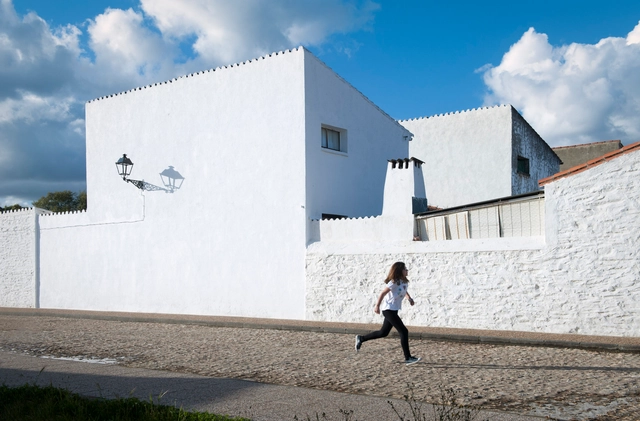
Since 2009, World Photography Day has been celebrated every August 19, commemorating the presentation of the daguerreotype to the French Academy of Sciences. The daguerreotype was the first photographic process, a milestone invention for human history and, of course, for our own discipline. Discussing architecture through photography is, in the words of Beatriz Colomina, one of its primary means of dissemination.
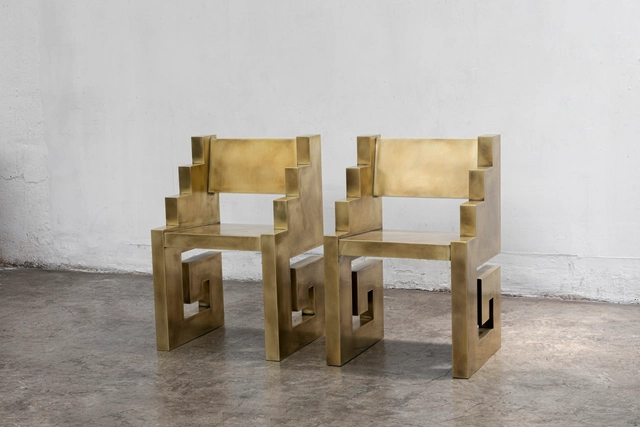
"Harmonious Contradiction" is the third and final summer exhibition at Sotheby's East Hampton Gallery New York and the first collaboration between MASA and Sotheby’s. Running from August 24 to September 18, this group exhibition features brass and polished bronze floor works by eight contemporary artists from Mexico City-based Masa Gallery, in conversation with a curated selection of contemporary and post-war works from Sotheby's.
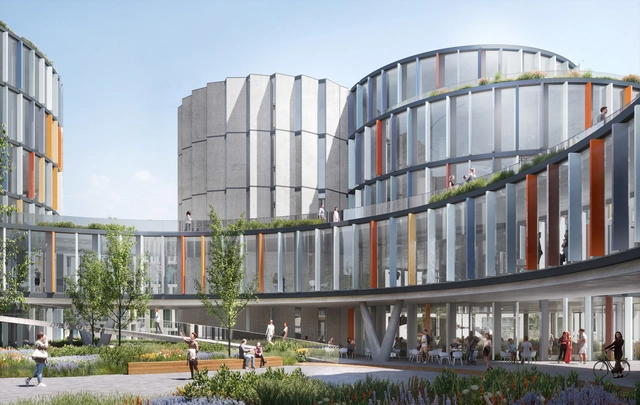
In the northern area of Greater Buenos Aires, Nordelta has been developing a new urban project across its 1,700 hectares for around 30 years. Initially conceived for low-density residential use, it now also includes medium- and high-density housing, educational, recreational, and service facilities, as well as production and supply hubs, among others. Area Beta is located in the southern part of Nordelta, designed to complement this mixed-use and service urban sector.
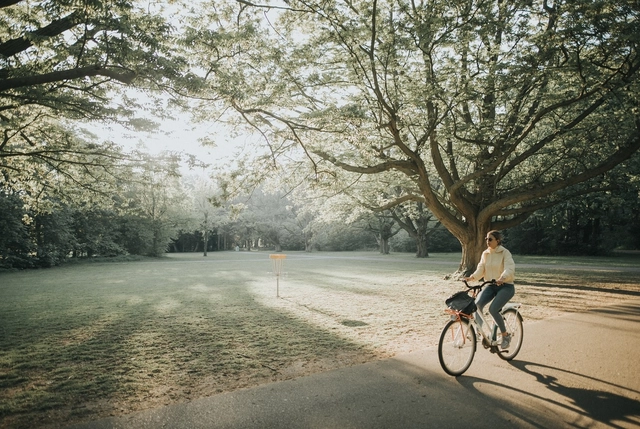
Those interested in purchasing low- or zero-emission transportation options can now access a new line of credit. This month, Banco do Brasil (BB) launched the BB Crédito Mobilidade line, which will finance items such as bicycles, kick scooters, electric or manual scooters, and motorcycles under 125cc, with repayment terms of up to five years.
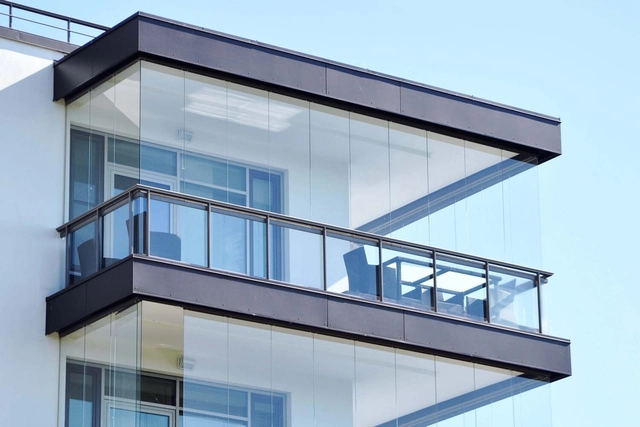
In Brazilian cities, we see new residential buildings being constructed with cantilevered balconies—that is, extending beyond the building's perimeter and encroaching upon the minimum required setbacks (referred to as afastamentos in Rio de Janeiro). However, what we have seen in recent years is a growing trend of enclosing these balconies with glass panels, consequently expanding the adjacent rooms. But what is the reason behind this enclosure? If there is a need to enlarge these spaces, why aren't they designed this way to begin with?
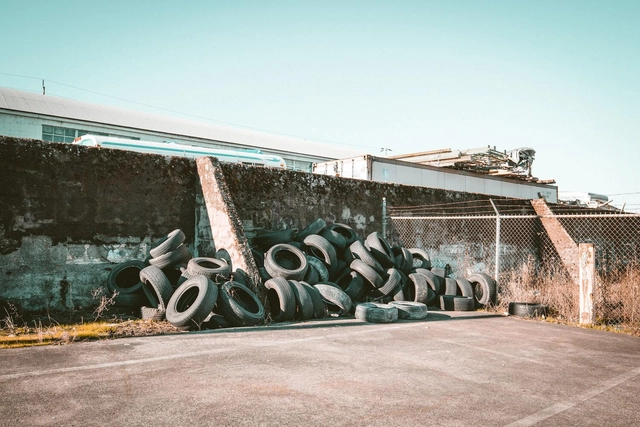
Rubber from discarded tires can replace 100% of conventional aggregates used in manufacturing concrete. This is what engineers at RMIT University in Melbourne, Australia, have discovered. The concrete made with the material meets building codes and promises to boost the circular economy.
This “greener concrete” uses rubber from discarded tires instead of gravel and crushed stone. According to the team that developed the material, the new concrete is lighter and promises to significantly reduce manufacturing and transportation costs.