The course Architecture and City in Brazil, taught by architect, curator, and professor Guilherme Wisnik, joins the online learning catalog of the Sesc Digital platform starting March 31. Entirely free and open, the self-paced, asynchronous course allows students to watch at their own pace.
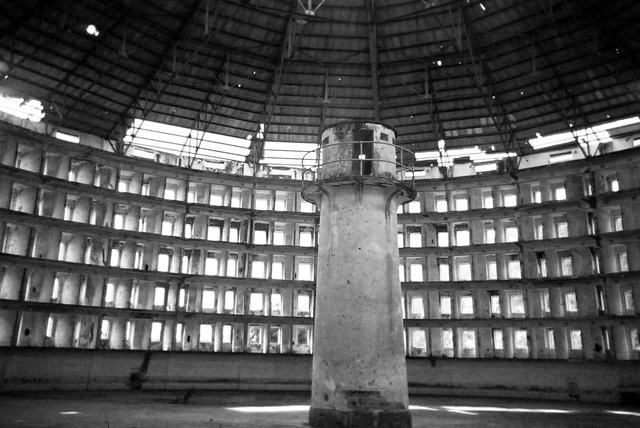
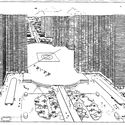
Panopticon prison model – author's own intervention on an existing image. Image via Friman/Wikimedia Commons, license CC BY-SA 3.0
This essay seeks to call upon the field of Architecture and Urbanism to reflect on the prison. When discussing urban crises, the existence of spaces of confinement is rarely problematized as a component—or even a generator—of the issues facing contemporary cities. Yet, this essay advances the premise that they are, in fact, central to them.
https://www.archdaily.com/1131863/critical-reinterpretation-of-prison-space-through-an-abolitionist-lensNara Albiero e Pedro Flosi Trama
Pinheiros River, São Paulo. Photo: Pixabay, via CicloVivo
The Novo Rio Pinheiros Program announced the results of actions taken by the São Paulo State Government to clean up the river since 2019. According to January data from the Secretariat of Infrastructure and Environment, there has been a significant improvement in oxygenation and a reduction in organic matter in the water. In June 2019, Governor João Doria promised to clean up the river by 2022.
In the film Aquarius, directed by Kleber Mendonça Filho, the character Clara, played by Sônia Braga, refuses to sell her apartment—located in a condominium building—to a real estate developer. Her neighbors, on the other hand, accept the deal. In an article for Estadão, economist Pedro Fernando Nery views the case through a lens opposite to the cinematic narrative: instead of a hero resisting unscrupulous real estate capital with no respect for Recife's coastal landscape, Clara is actually the villain.
Last week, we announced the 15 finalists for the 2022 Obra do Ano, an award celebrating the best of Portuguese-speaking architecture by inviting our readers to vote for their favorite projects built in Portuguese-speaking countries. The day has come to announce the winners of ODA 2022.
No País dos Arquitectos is a podcast created by Sara Nunes, who also runs the architectural film production company Building Pictures. The podcast aims to profile the professionals, projects, and stories behind leading contemporary Portuguese architecture. With just over 10 million inhabitants, Portugal is a fascinating country when it comes to this professional field, and its architectural output far exceeds what its population or territorial scale might suggest.
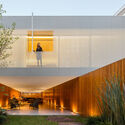
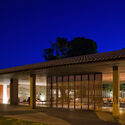
In this episode, Sara talks with Marcio Kogan, Diana Radomysler, and Suzana Glogowski of Studio MK27 about the use of the muxarabi (wooden latticework) and the influences of Portuguese colonialism and Brazilian modernism on the firm's work. Listen to the full interview and read an excerpt of the conversation below:
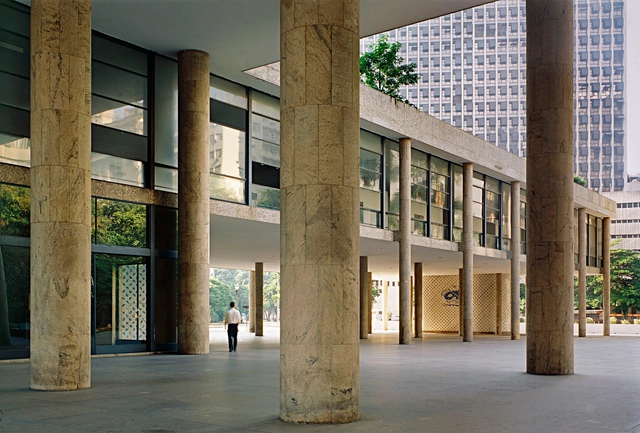
Capanema Palace, also known as the Ministry of Education and Health, in Rio de Janeiro. Photo: Nelson Kon
Thought you had already seen, read, and heard everything about the Week of '22? The Betoneira Podcast, however, approached the topic through a different lens: architecture. Guest Guilherme Wisnik explained how Oswald de Andrade's *antropofagia* underpinned Lúcio Costa and Oscar Niemeyer’s relationship with Le Corbusier in the design of the Capanema Palace, Brazil’s first public modernist building.
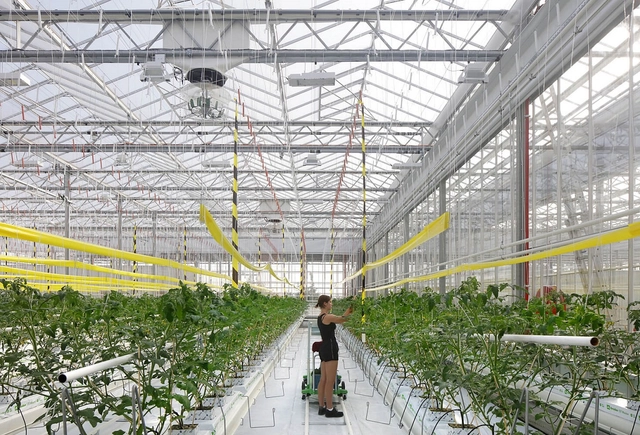
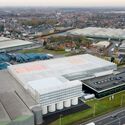
Europe's largest research center for urban food production has opened in West Flanders, Belgium. Named Agrotopia, the space is a giant greenhouse where innovative urban horticulture techniques will be applied.
Vegetables and fruit trees are being planted across the 6,000-square-meter cultivation area. The space is divided into four climate zones, allowing for the cultivation of diverse species.
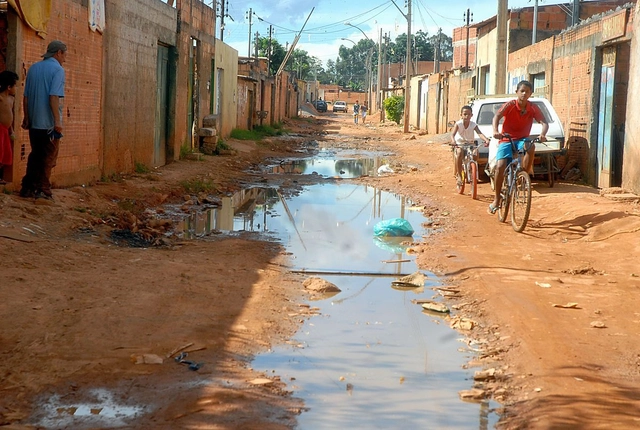
Photo: Valter Campanato | Agência Brasil, via CicloVivo
Even as 5G technology is about to launch in major cities, placing Brazil among a select group of countries with advanced technology installed, 35 million people still lack access to quality drinking water and 100 million do not even have sewage collected from their homes. Furthermore, a volume of sewage equivalent to 5,300 Olympic swimming pools is discharged into nature every day without any treatment in the country.
Residents of the Brussels-Capital Region in Belgium will receive up to €900 to deregister their vehicles. The initiative is part of "Bruxell’Air," a financial support program for those looking to adopt alternative modes of transportation.
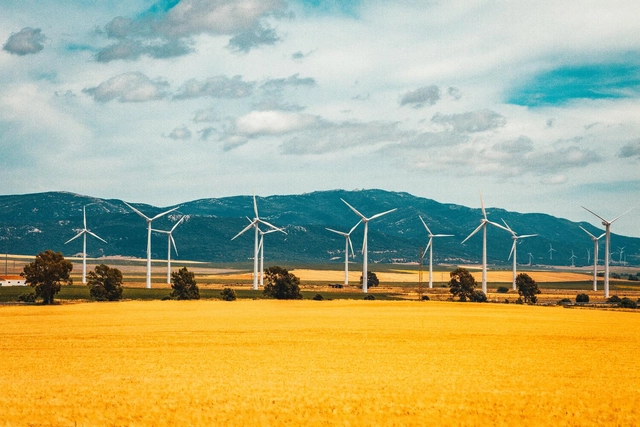
We are still far from the goal of limiting global warming to 1.5°C above pre-industrial levels and avoiding the worst risks of climate change. However, this target remains within reach, according to the latest report by the Intergovernmental Panel on Climate Change (IPCC)—and this hope must guide the political and economic decisions of this decade, according to WWF-Brazil.
Walking through the city. A territory in constant motion. It is complex, shaped by an infinite tangle of yearnings. These may drive the construction of a new place—whether physical or otherwise—but also the deconstruction of others that, despite being well-established, remain burdened with past conceptions. Amidst all this, there is an inevitable need for individuals to seek spaces where they can connect with others, so that their diverse identities may find expression.
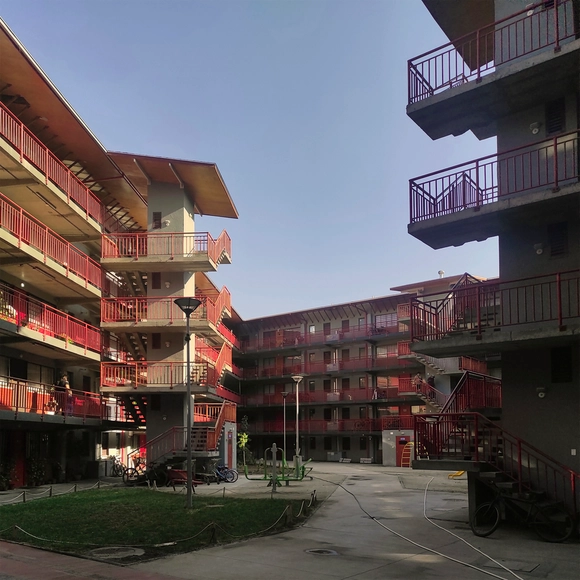
"The city is conflict, just as society is conflict, but the types of conflict that take shape and express themselves in each city reveal what each is like," says urban anthropology specialist María Cristina Cravino regarding the right to the city in Latin America. In a growing context of cities undergoing gentrification, where high land and housing prices displace working-class residents, the new Barrio Maestranza Ukamau offers a compelling example that has much to say about potential pathways to public-interest housing in Santiago, Chile.
Located on the grounds of the former San Eugenio railway workshops in central Santiago, between Santiago Watt and Exposición streets in the Estación Central district, the project was not only designed by architect Fernando Castillo Velasco in his final years and continued by his son Cristián Castillo alongside Elías Becerra and Pamela González, but also by the community of families organized through the assemblies of the Ukamau Social and Popular Movement, where they deliberated and discussed their future homes step by step. The project spans nearly 3 hectares and comprises 424 apartments.
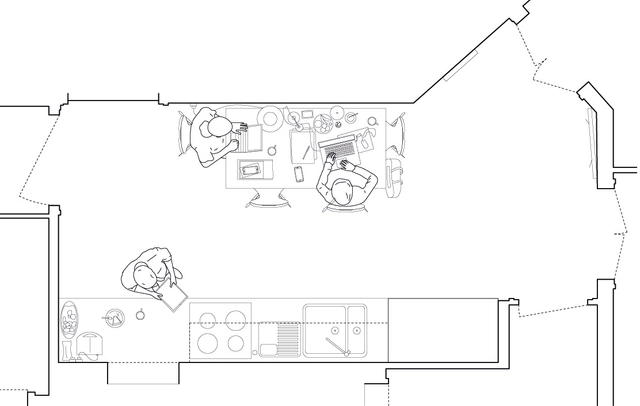
“The House Through the Dining Room: Architecture Around the Table” is a research project conducted by architect Francisco Javier Fernández García as part of the Master’s Degree in Advanced Studies in Architecture at the Barcelona School of Architecture (ETSAB). Advised by Xavier Monteys and written in the style of an “editorial essay,” the work aims to bring to the table—quite literally—the role of the dining room as a domestic space capable of reshaping our understanding of the home. Rather than simply compiling a collection of dining rooms, it features a diverse range of images in a comparative exercise, juxtaposing them to reveal shared characteristics. Discussing the dining room serves as a pretext to illuminate many other issues related to the home and the act of dwelling.
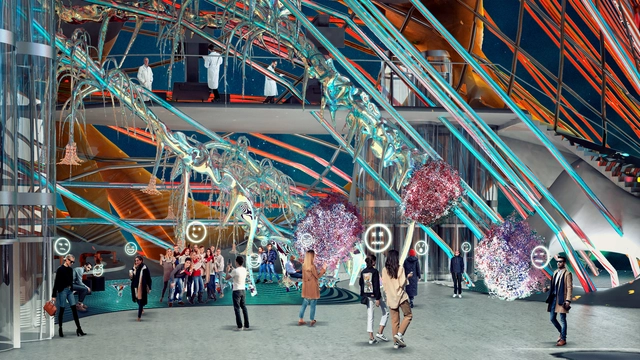
El poder de la Data - Render interior conceptual. . Image Cortesia de Online Lab of Architecture (OLA)
From NFTs to the metaverse and the benefits of real-time rendering, this is an opportune moment to discuss the latest trends in architectural visualization.
With this in mind, we want to open the debate and hear your thoughts on the subject. What can we learn from other related industries, such as cinema, video games, and industrial design? How can architecture contribute to and advance the world of visualization?
Pingado, carioca, espresso, drip, americano, cappuccino. Unlike in architecture, in this case, form is the least important factor when it comes to declaring a passion for coffee. A loyal companion since the college days of pulling all-nighters, and one that continues to accompany the daily creative process throughout the careers of many architects, this traditional beverage holds a special place in the profession and deserves to be celebrated. Today, March 14, is World Coffee Day. To celebrate, we feature a selection of projects where this sensory-awakening ingredient takes center stage.
One of the most talked-about films of the year is part of an acclaimed franchise that features the city as one of its main characters. While the protagonist is a well-known superhero, it is impossible to talk about Batman without talking about Gotham City. In this episode, Arquicast discusses the latest installment of the Caped Crusader's saga, following his journey to rescue Gotham from the clutches of organized crime and restore a sense of citizenship that might bring unity and hope to the city's unequal and battered population.
Who do you design a city for? Your answer is unlikely to focus on a baby or a child under the age of six—the age bracket that defines early childhood. Yet, a wide range of guidelines and actions can be taken to integrate this demographic into urban planning. After all, this is when a citizen's first interactions with urban life begin, making it essential to provide the most welcoming environment possible.
https://www.archdaily.com/1131869/how-to-develop-early-childhood-friendly-neighborhoodsArchDaily Team
The seven main representative entities of Brazilian architects and urban planners, members of the Board of Architecture and Urbanism Entities (CEAU), launched the Open Letter to Candidates in the 2022 elections. Featuring 20 proposals, the document aims to address structural issues, economic and social development policies, and territorial planning in the country.
https://www.archdaily.com/1132454/cau-and-other-architecture-organizations-issue-an-open-letter-to-candidates-in-the-2022-electionsArchDaily Team
No País dos Arquitectosis a podcast created by Sara Nunes, who is also responsible for the architectural film production company Building Pictures. The podcast aims to profile the professionals, projects, and stories behind leading contemporary Portuguese architecture. With just over 10 million inhabitants, Portugal is a fascinating country when it comes to this professional field, and its architectural output far exceeds what its population and territorial scale would suggest.
At one of Bolivia's most important architecture events, a Brazilian project took home the top prize. Sesc Parque Dom Pedro II, designed by the firm UNA Arquitetos under the coordination of Fernanda Barbara and Fabio Valentim, won the International Project category of the International Architecture Biennial of Santa Cruz 2022 (VIII BASC), held between March 25 and April 3 of this year.
https://www.archdaily.com/1132630/sesc-parque-dom-pedro-ii-wins-international-award-at-the-2022-santa-cruz-architecture-biennialArchDaily Team
With every fraction of a degree of global warming, the impacts of climate change become more intense. In the Sixth Assessment Report of the Intergovernmental Panel on Climate Change (IPCC), 278 scientists from 65 countries demonstrate that to keep the 1.5°C limit established by the Paris Agreement within reach, global greenhouse gas (GHG) emissions must peak within the next three years.
https://www.archdaily.com/1132298/6-key-takeaways-from-the-2022-ipcc-report-on-climate-change-mitigationClea Schumer, Sophie Boehm, Taryn Fransen, Karl Hausker e Carrie Dellesky
Municipalities, much like people, are dynamic entities, constantly evolving to keep pace with and adapt to the social, economic, and environmental shifts of their time. By the same token, the vision of how the ideal city should be planned has continually been shaped by the reality and prevailing thought of each era.
No País dos Arquitectos is a podcast created by Sara Nunes, who is also responsible for the architectural film production company Building Pictures. The podcast aims to get to know the professionals, projects, and stories behind contemporary Portuguese architecture of reference. With just over 10 million inhabitants, Portugal is a fascinating country in this professional field, and its architectural output far exceeds what its small population or territorial scale would suggest.