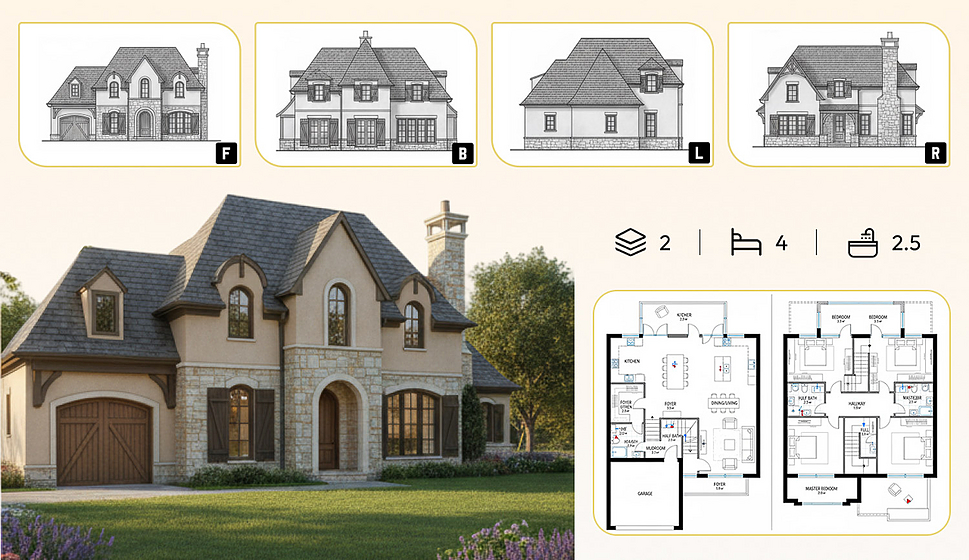
This guide covers a workflow that moves from project parameters to generated floor plans, 3D perspective views, exterior design exploration, and site context visualization, using AI tools in place of preliminary CAD and rendering work.
This guide covers a workflow that moves from project parameters to generated floor plans, 3D perspective views, exterior design exploration, and site context visualization, using AI tools in place of preliminary CAD and rendering work.
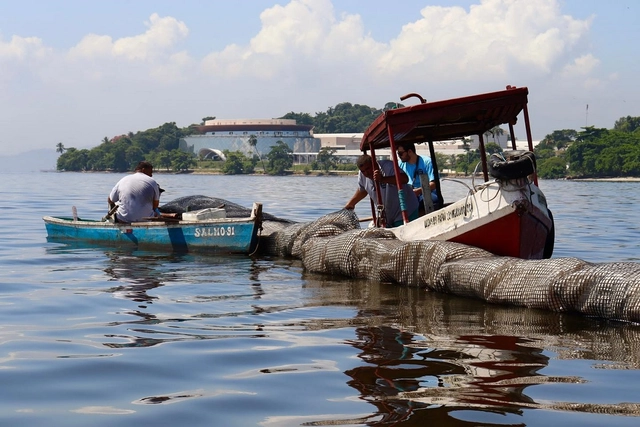
An experimental barrier to collect floating trash at Prainha on Ilha do Fundão, located on the coast of Guanabara Bay in Rio de Janeiro, was installed in early June by the Orla Sem Lixo (Trash-Free Shoreline) Project. The initiative aims to find a sustainable alternative for managing floating waste in coastal and adjacent marine areas, fostering a knowledge exchange between the local fishing community and researchers.

Although the architecture and construction industry has been making strides in new fields like artificial intelligence (AI), parametric modeling, virtual reality (VR), and other cutting-edge tools for years, their implementation and integration into daily design workflows remain slow. In an increasingly connected and constantly evolving world, digital tools and emerging technologies are revolutionizing how architects design and build—changing the rules of the game and expanding creative horizons. Consequently, there is an ongoing need to discuss how these technologies are being incorporated and how their use within the discipline can be further enhanced.
ArchDaily featured the topic of Design Process in July, and we didn't want to miss the opportunity to open the discussion with an invitation. We believe in the power of dialogue and the exchange of ideas. We want to hear about your experiences, learn from your successes, challenges, and mistakes—and explore together how these new tools are transforming the way you practice architecture.
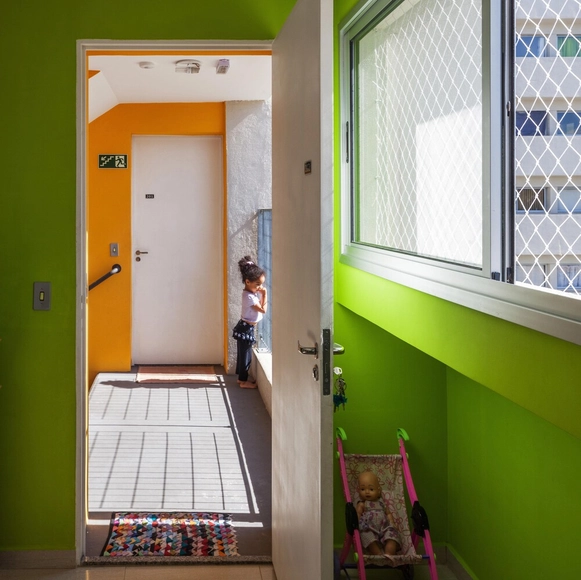
A close look at the building facades in many Brazilian cities, such as São Paulo, Belo Horizonte, and Rio de Janeiro, reveals that the use of aluminum frames is highly common and popular in Brazil. Adopted across a wide range of building typologies, including residential and commercial projects, and in various formats such as doors, windows, and railings, these versatile structures are widely used in construction, representing about 80% of the total volume of aluminum consumed by the sector in the country. But why, after all, have aluminum frames become so widely used in Brazilian cities?

In Mexico City, the federal government has launched its final major cultural project of this administration, after allocating most of the sector's investment funds to improvements in Chapultepec Forest. On June 15, the National Institute of Fine Arts and Literature (INBAL) issued the first call for bids for the "La Mariscala" project, which aims to develop seven vacant lots totaling 5,043 square meters in the Historic Center, located between the Palacio de Bellas Artes and Garibaldi.
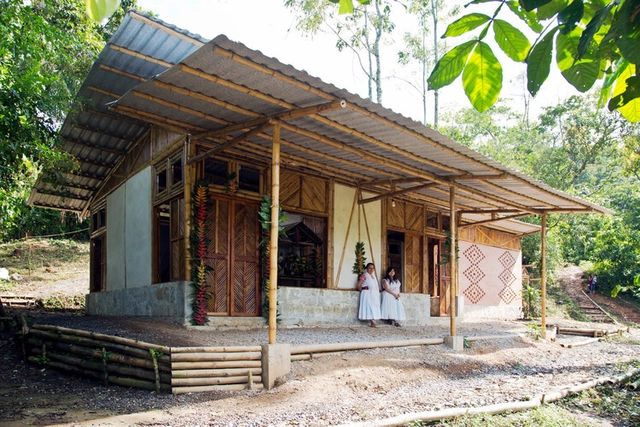
The Royal Academy has honored Shane de Blacam at the 2023 Royal Academy Architecture Awards, alongside announcing the finalists for the Royal Academy Dorfman Award—an accolade that celebrates global architecture, looking toward the future of the discipline and architectural practice. The finalists are COMUNAL (Mexico), Taller Gabriela Carrillo (Mexico), H Arquitectes (Spain), and Tropical Space (Vietnam).
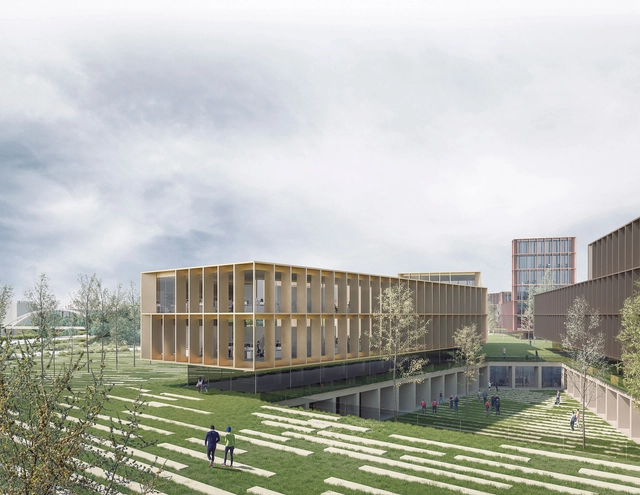
Navarre-based architecture firm Vaillo + Irigaray Architects has won the design competition for the Navarre Security and Emergency Coordination Center (CCSE) to be located in Mutilva, in the municipality of Valle de Aranguren. Led by Antonio Vaillo, Juan Luis Irigaray, and Yago Vaillo, the firm has developed projects both nationally and internationally. They currently have several projects under construction, including the Faculty of Tourism in Malaga, the Basque Ethnographic Museum in Bilbao, the Cultural Center of Letters for the Barcelona City Council in Barcelona, and the World Car Center in Vigo.
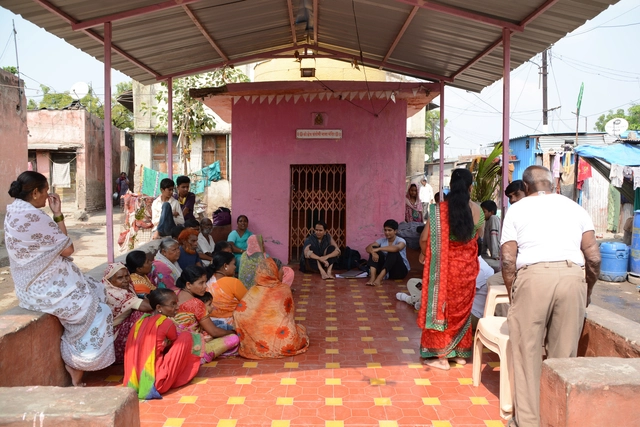
The era when Le Corbusier's Modulor—the perfect man—was the only one “allowed” to occupy our cities and architecture is long gone. Decades ago, it became clear that environments were being designed as ideological representations that failed to reflect actual demand and its rich diversity of social class, gender, race, age group, and sexual orientation, among other factors. Planning and design were often disguised as “neutral” concepts, while in reality they reproduced the perspective of a middle-class white man. Ultimately, the time has come for the city to move past this flawed assumption of universal appropriation and instead materialize in its spaces the specific needs of every citizen.
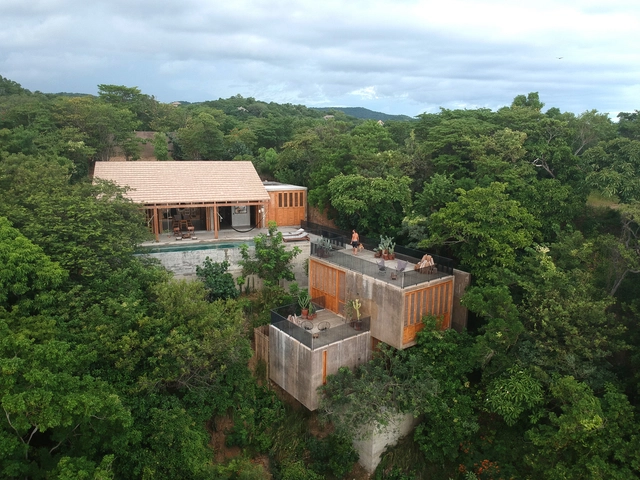
A popular saying goes, "Mexico is many Mexicos," a reality that manifests in various ways. The country's multiculturalism is highly pronounced; since pre-Columbian times, it has been clear that while there were commonalities linked to general human traits, material availability, and regional influence, architectural discourse and needs varied distinctly according to the geographical conditions of where it was built.
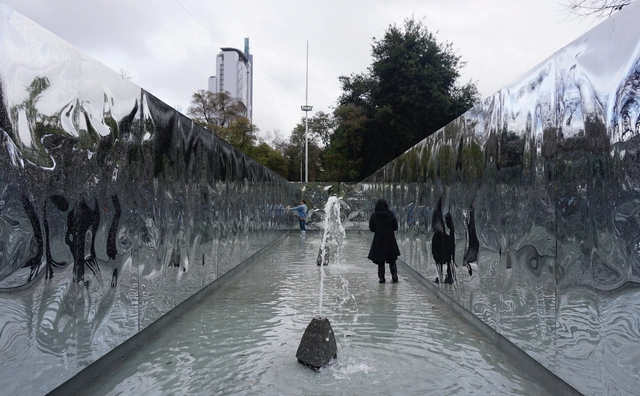
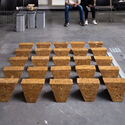
From July 11 to 16, the La Fuente Pavilion is open to the public in Balmaceda Park in Santiago, Chile. This new public space installation, designed by architect Camilo Palma (Abarca+Palma), invites visitors to engage in "contemplation and tranquility around the stimuli and sensations of water." The structure, composed of mass-produced, prefabricated building elements, sits atop the original 1931 fountain designed by Oscar Prager, Sergio Larraín, and Jorge Arteaga.
To experience the public space firsthand, ArchDaily visited the installation on a rainy day.
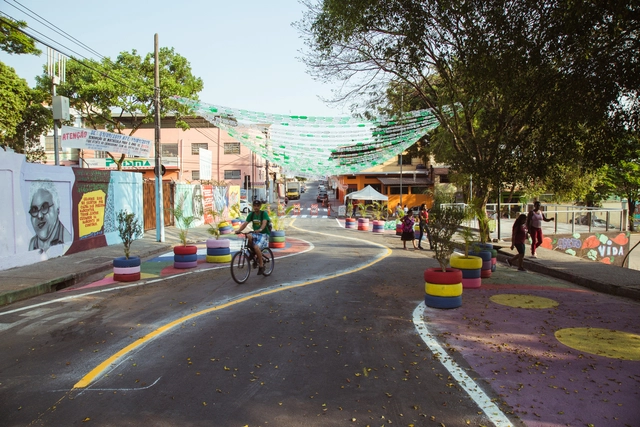
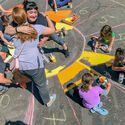
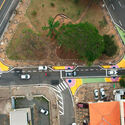
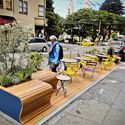
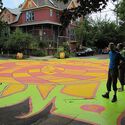
Tactical urbanism is a type of urban intervention that has gained prominence and sparked widespread discussion in recent years. It is based on the premise that low-cost, small-scale civic actions can have a significant impact on the urban environment, improving its dynamics and people's daily lives. Yet, starting as localized, temporary, or small-scale interventions, once accepted and recognized, many of these initiatives have transcended their initial ambitions. They have become catalysts for broader urban processes, triggering new actions that involve other stakeholders, spheres, and even the public administration itself.
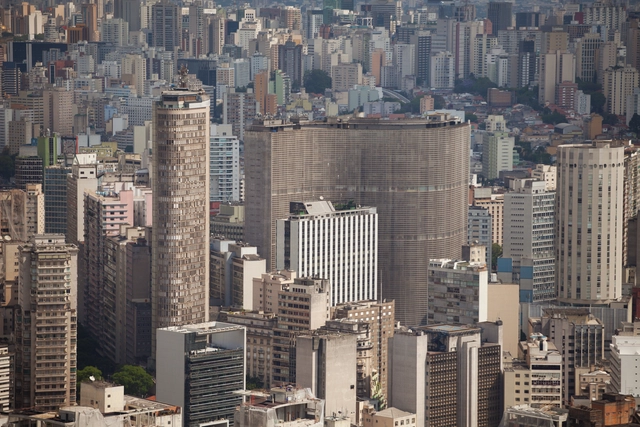
July 11th marks World Population Day, an annual event established by the United Nations Development Programme in 1990 to raise awareness of global demographic issues. This is a highly pressing issue today; not only is the global population projected to reach nearly 10 billion by 2050, but the latest UN-Habitat reports estimate that two-thirds of us will live in cities by then. Furthermore, this year is particularly notable because India has become the world's most populous country, reaching 1.4286 billion people—a milestone that naturally raises the question of what it means to build for billions.
World Population Review annually tracks urban growth and metropolitan populations to understand global development trends. Although the list of the 20 most populous cities in the world features familiar Asian hubs such as Tokyo in Japan, Delhi in India, and Shanghai in China, it also includes several Latin American giants. Among them are São Paulo, Mexico City and Buenos Aires, which recorded year-over-year growth rates of 0.85%, 0.89%, and 0.78%, respectively.
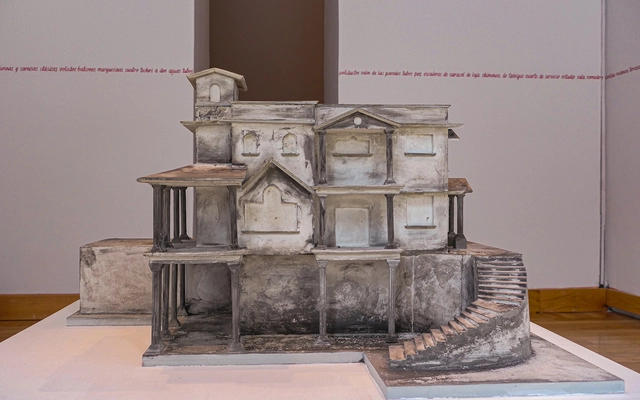
As part of the cultural program of the Centro Cultural España en México, the exhibition "Copias del abandono" is presented as a collaboration between Mexican artist Sandra Calvo and migrant communities from Tlaxcala. It is an investigation that began in 2016 comprising a film, archives, architectural plans, and testimonials. This research—which was presented at the 17th International Architecture Exhibition of the Venice Biennale in 2021—reflects on an architecture born from migratory processes between Mexico and the United States, focusing on the architectural parallels between the houses where migrants work in the US and the homes they build with remittances in their hometowns.
Despite apparent progress and setbacks, migration in North America continues to unfold under conditions of inequality and violence. To this day, the Mexican population continues to make up the largest percentage of migrants residing in the United States, and the cultural bridges between communities are increasingly evident.

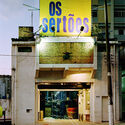
The year was 1969. Lina Bo Bardi wandered through the São Paulo neighborhood of Bixiga, which at the time resembled a war zone. The clearings and piles of rubble were the result of a violent urbanization cutting through the region in the shape of São Paulo's East-West expressway complex.
Against this backdrop, Lina collected personal objects found in the debris, picking up "the most sordid items," as Zé Celso, director and creator of Teatro Oficina, stated in an interview. There was a clear reason for this undertaking: to compose the set for the play In the Jungle of Cities (Na selva das cidades), designed by the architect herself. In it, a stage shaped like a boxing ring was fashioned from the rubble of the demolitions taking place around the theater. The play was divided into 11 rounds, in each of which an institution is destroyed until the ring itself is demolished. At the end, the actors remove even the theater floor to reach the bare earth.

Environmental issues have been the defining theme in architecture for several years now. The imminent scarcity of natural resources and growing awareness of the environmental damage caused by the construction industry have forced the profession to take a stand and develop solutions that mitigate its impact on the planet. While developing new technologies that enable more sustainable materials is essential, this impetus can—and must—originate at the very beginning of architectural practice: the design phase.
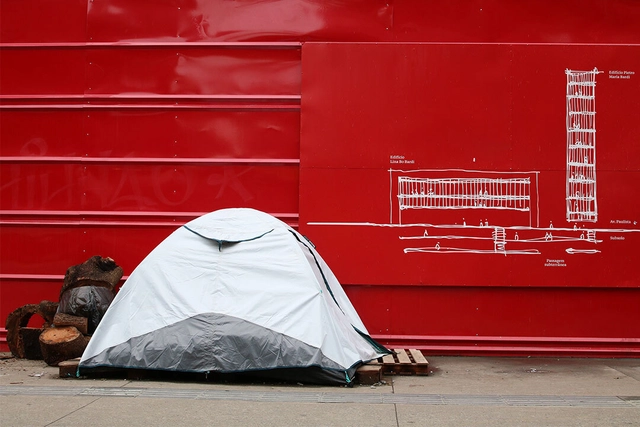
Have you ever considered the possibility of a world with no more people experiencing homelessness? The United States did, and countries like Canada, Spain, Portugal, France, and Denmark followed suit, incorporating the Housing First methodology into their national strategies to address the issue.
The formula consists of providing exactly what they lack: housing and connection. The results are consistent and, moreover, beneficial to public coffers. In Brazil, Projeto RUAS is testing the model and seeking resources to expand it. The NGO's goal is to understand how it adapts to our reality and, in the future, propose it to public authorities.
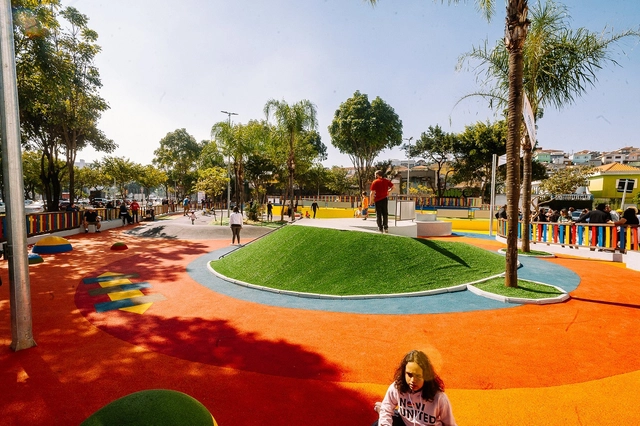
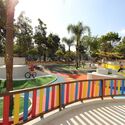
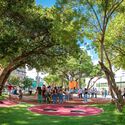
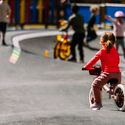
Creating a playful space designed specifically for the needs of early childhood was the goal of the São Paulo municipal government when developing its first “Concept Plaza”—recently inaugurated at São Sebastião Plaza in the Ipiranga neighborhood. Early childhood, spanning from birth to age six, is a critical period for human development. Numerous studies show that experiences in early life, starting from pregnancy, directly shape adulthood.


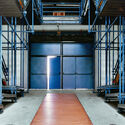
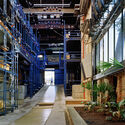
This article by Germán Hidalgo Hermosilla was originally published in issue 113 of ARQ magazine. Discussing the renovations to the Santiago Municipal Theater building, from its inauguration in 1857 until nearly a century later, Germán Hidalgo recounts the forces driving change: natural disasters, stylistic debates, and urban modernization, among others. The foyer occupies a central role in this narrative as a space of presentation and representation: where the technical demands of the theater meet the aspirations of an institution, a city, and the building's successive architects.


What is the city? It is the opposite of the forest. The opposite of nature. The city is an artificialized, humanized territory. The city is a territory designed exclusively for humans. Humans have excluded all possibilities of other life forms in the city. Any other life that attempts to exist in the city is destroyed. If it does exist, it is thanks to the force of the organic, not because humans want it to.
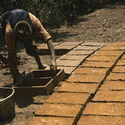
I was raised in a house with a dirt floor, where I walked barefoot. Chickens and other animals lived with us inside the house. When a chicken left its droppings on the dirt floor, the wet part of the waste was absorbed by the earth. We would pick up the solid part and throw it in the backyard to use as fertilizer. To city people, this is horrifying. Step on chicken droppings? Impossible! There must be perfectly smooth ceramic tile to spot any other life, any other living being that might be there, to disinfect it and kill every microorganism. To kill even what cannot be seen. To walk barefoot, the floor must be disinfected: ceramic tiles were created because humans cannot step on the earth. Shoes were created because humans cannot step on the earth. Because the earth is the original yearning.
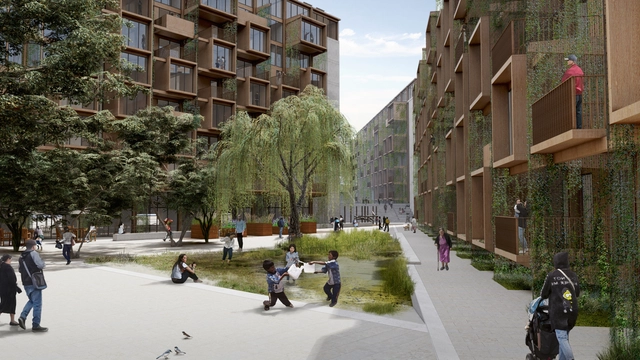
The "Construye para Crecer" (Build to Grow) project by Susana Biondi Antunez de Mayolo and René Poggione Gonzáles (Poggione+Biondi Arquitectos) was named the winner of the XIX National Architecture Biennial of Peru 2022. The jury highlighted its "comprehensive sustainability proposal linked to efficient water management, energy, and the life cycle of the proposed materials." Remarkably, the design not only incorporates an artificial wetland to support the local ecology but is also structured to be built primarily of timber.
This would make the residential complex one of the tallest timber-built developments in South America, directly addressing material use and energy efficiency in the country. It promotes sustainable forest management while offering an environmentally conscious alternative that minimizes energy consumption and boasts a low life-cycle impact.
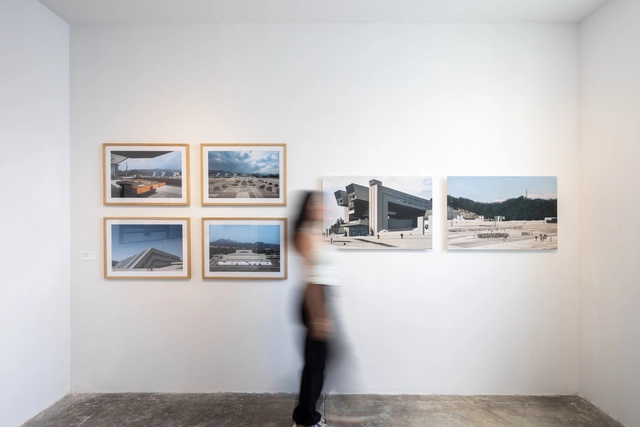
As part of the cultural programming of LIGA, Espacio para arquitectura in Mexico City, the exhibition "Architecture for Gods" ("Arquitectura para dioses") opened in late June. It offers a contemporary record of the Heroico Colegio Militar building, designed by Agustín Hernández Navarro and Manuel González Rul in 1976—an iconic work of Mexican architecture of its era.
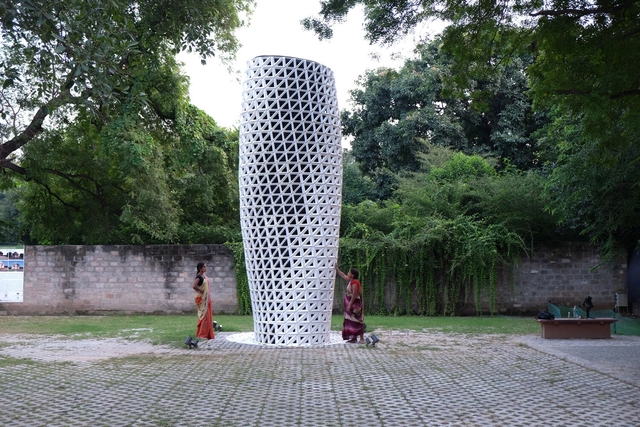
Architects Amit and Britta Knobel Gupta moved from London, England, to New Delhi, India, and confronted a severe problem: air pollution unlike anything they had ever seen. To help make the air more breathable and the city more livable, the couple developed a tower designed to purify the air through design. “Our main business is architecture; we didn't want to get into air purification,” Amit said. “But the pollution here was simply unacceptable. It’s very bad.”
And they are right. A study published by the medical journal *The Lancet* revealed that in 2019 alone, air pollution caused nearly 1.6 million deaths in India. New Delhi is regularly shrouded in smog, with vehicle emissions, crop burning, and coal-fired power plants all contributing to the decline in the city's quality of life. It was against this backdrop that the newcomers decided to take action.
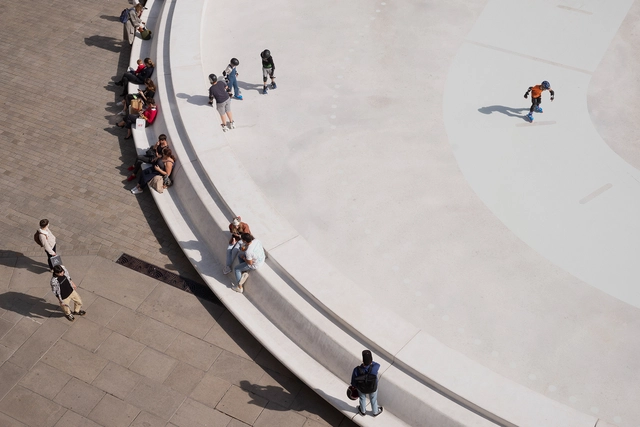
Neuroarchitecture and environmental psychology are two fields based on the relationship between the physical environment and human behavior, yet they employ distinct approaches and practical applications. Learn about the differences between these fields and their practical applications in architectural and design projects.
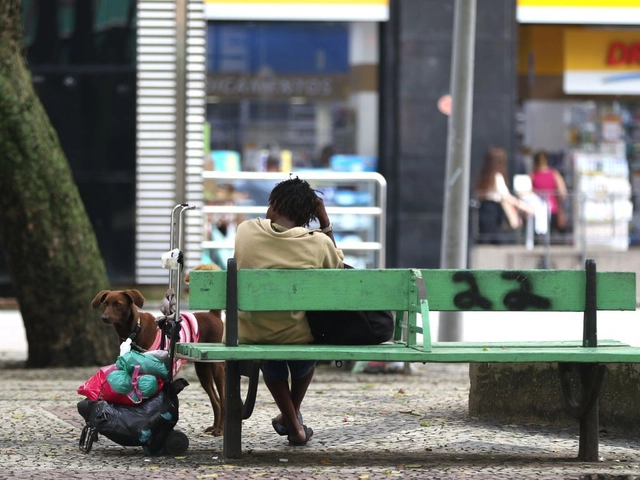
There is a growing public perception that the number of people experiencing homelessness has been rising in Brazil. To better understand this issue, the Brazilian Observatory of Public Policies on the Homeless Population, established under the Polos de Cidadania Program at the Federal University of Minas Gerais, compiled data from thousands of municipalities in a historical series spanning from 2012 to 2021. Unfortunately, the data indicates that this crisis is indeed worsening across the country.
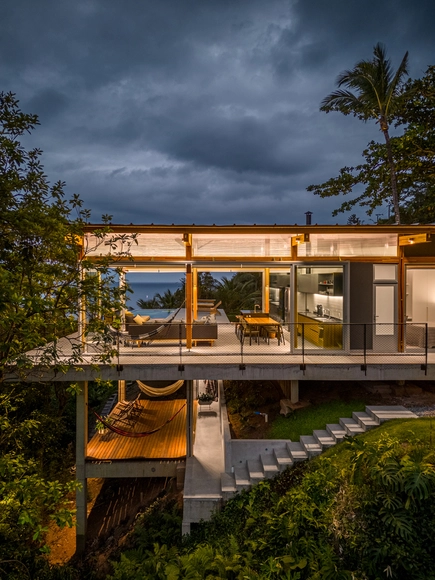
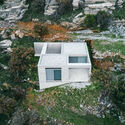
Sloping terrains, hillsides, and mountains present challenges for architects and engineers alike, but they also offer the potential to create unique homes that embrace their context. Following a careful study of the topography, soil, drainage, and access to power and water systems, designing how to integrate the house with the landscape, establishing its aesthetic, and, above all, ensuring a safe and welcoming environment is the responsibility of the architects.