This guide covers a workflow that moves from project parameters to generated floor plans, 3D perspective views, exterior design exploration, and site context visualization, using AI tools in place of preliminary CAD and rendering work.
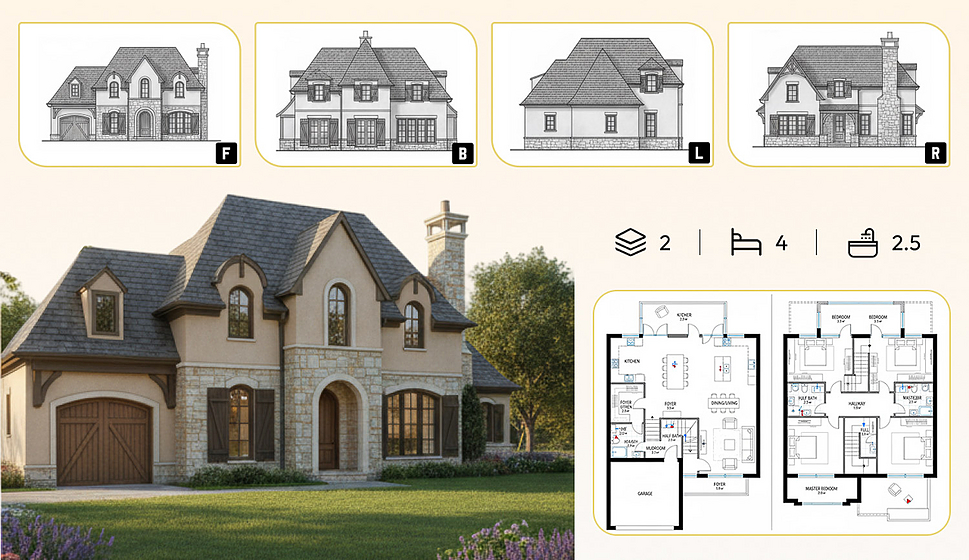
This guide covers a workflow that moves from project parameters to generated floor plans, 3D perspective views, exterior design exploration, and site context visualization, using AI tools in place of preliminary CAD and rendering work.
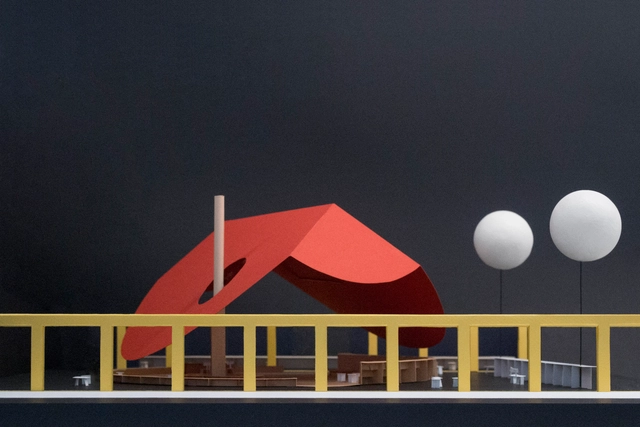
From February 22 to 26, 2023, the International Contemporary Art Fair ARCOmadrid will take place at IFEMA Madrid. HANGHAR and estudio DIIR, both Madrid-based architecture firms, have been selected to design the fair's VIP Lounge. Its central theme, "The Mediterranean: A Round Sea," serves as the starting point and inspiration for this proposal, titled VERBENA.

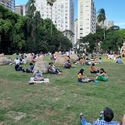
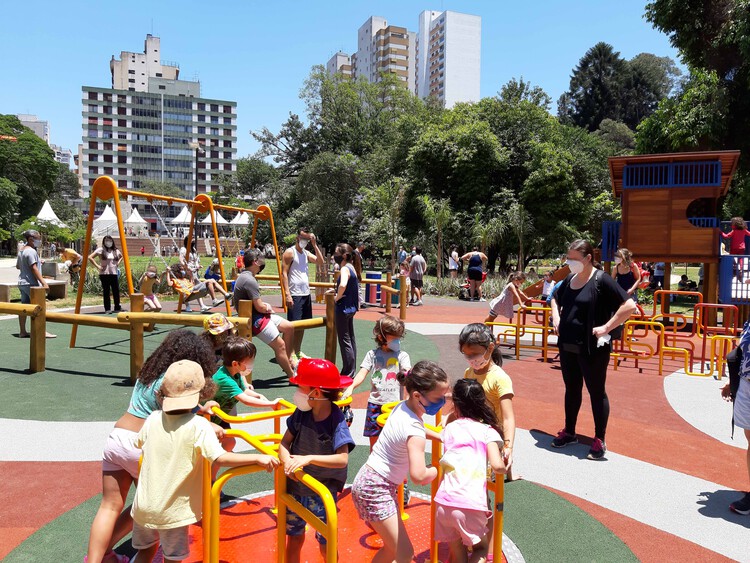
In November 2022, Augusta Park celebrated its first anniversary of reopening to the public. The park reached maximum capacity on its opening day and, today, has welcomed over 1.5 million visitors. The site went through a long journey before reaching consolidation. The nearly 50-year struggle for the park deserves to be highlighted, and public participation in its creation must be recorded and shared so it can inspire new campaigns for public spaces across the city.

Various studies have indicated that, to prevent temperatures from rising more than 1.5°C, there must be a major drop in greenhouse gas (GHG) emissions. To achieve this, it is necessary to develop compact cities designed for pedestrians, cyclists, and transit users, as well as rapidly and strategically adopting electric vehicles, with a focus on public transportation.

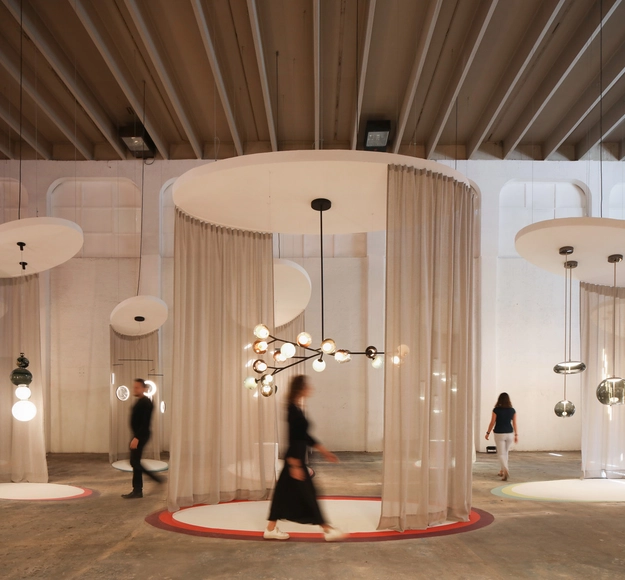
On November 10, Diez Company launched the fourth edition of Maison Diez Company to Mexican and international audiences. This space, dedicated to lighting design, brings together designers, creatives, architects, interior designers, business partners, lighting experts, and representatives of international brands to celebrate light.
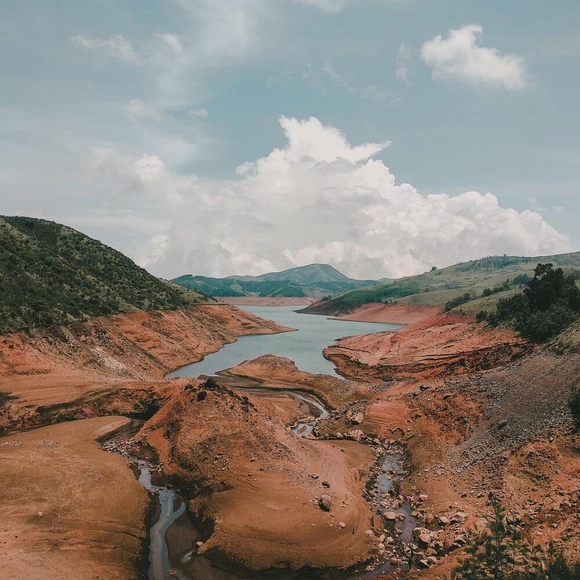
The city of Sharm El Sheikh, Egypt, hosts the 2022 United Nations Climate Change Conference, COP27, from November 6 to 18. The conference builds on the negotiations of COP26 in Glasgow, Scotland, in 2021, with the expectation that countries will demonstrate climate ambition and urgency to limit the rise in global temperature to 1.5°C.
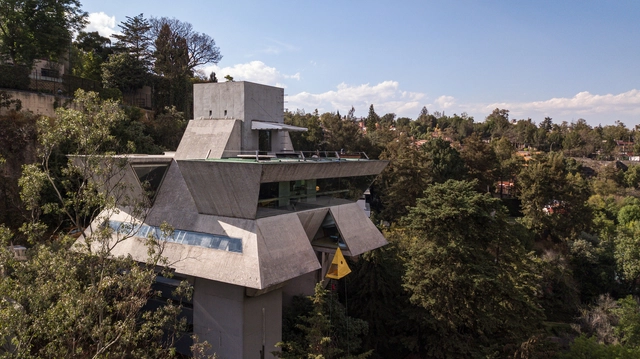
Today, November 10, the National Academy of Architecture, through a statement issued by Arch. José F. Reygadas Valdéz (President) and Arch. Antonio Gallardo E. (Secretary General), announced the passing of Mexican architect Agustín Hernández Navarro, an Emeritus Academic of the institution.
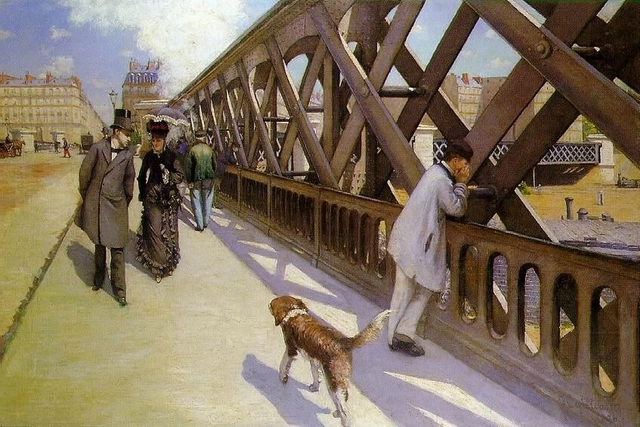
In the early 19th century, in a Paris on the verge of having its medieval fabric torn open by Haussmann's grand boulevards, novelist George Sand dressed as a man to walk the streets. According to her journals, "in trousers and boots I could fly from one end of the city to the other, regardless of the weather, the hour, or the place." No one paid her any attention, no one guessed her disguise, and no one stared or criticized; she was just another "atom lost in that immense crowd." Thanks to her male attire, Sand experienced fearless incursions and solitary wanderings like a true flâneur—experiences that would later become fundamental to crafting her successful narratives.
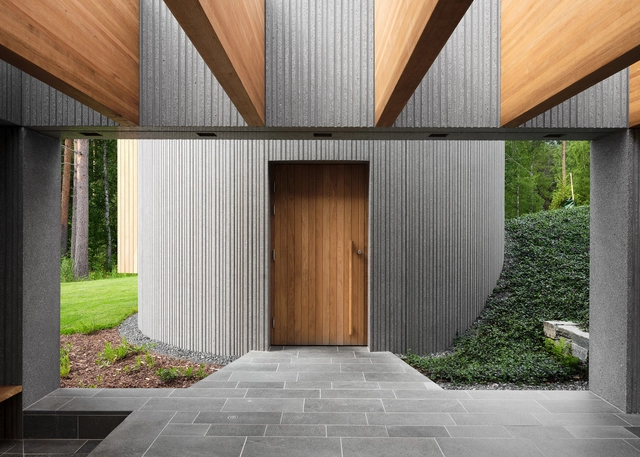
Combining art, nature, and architecture, Barcelona-based practices Mendoza Partida (Héctor Mendoza and Mara Partida) and BAX studio (Boris Bezan) have joined forces to design Art-Sauna, an experience conceived as a continuation of the emotional journey at the Gösta Serlachius Museum of Contemporary Art in Mänttä, Finland. With a subtle, intimate, and domestic scale, this new space joins the complex, harmonizing the dialogue between these three variables and integrating the building into the journey by merging it with the terrain and making it part of the landscape.
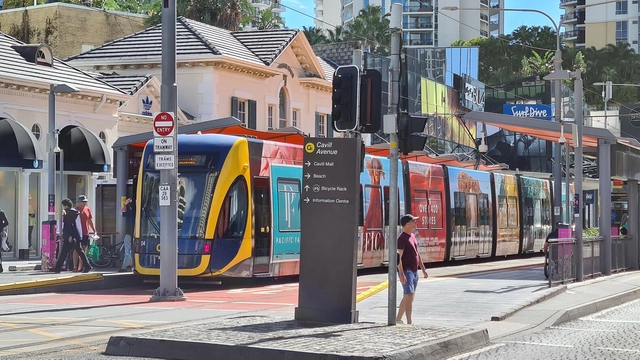
Cities have never been more engaged in climate action. At the 2021 UN Climate Change Conference (COP26), more than 1,100 cities representing a quarter of global CO2 emissions joined the Cities Race to Zero initiative. By doing so, these municipalities committed to ambitious, inclusive, and equitable actions to keep global temperature rise below 1.5°C. In November of this year, at COP27, these cities presented their progress and shared how they plan to deliver on their commitments.
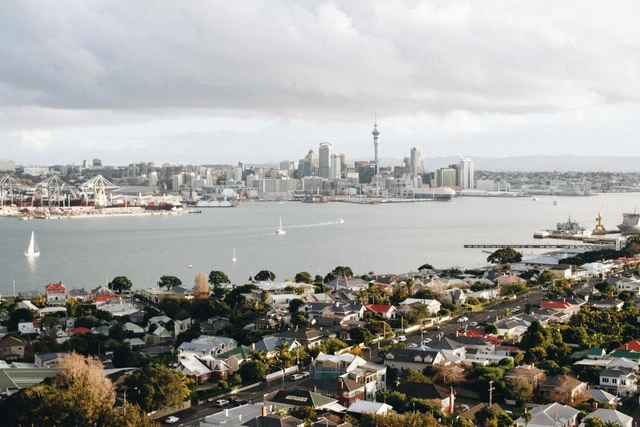
Mired in a housing crisis for about a decade, New Zealand has modified its zoning laws to allow more medium-density housing to be built in the nation's largest municipalities.
The initiative comes in response to a shortage of housing units, soaring property values and rents, and is aimed at narrowing the widening “chasm” between household incomes and housing costs, as detailed in a report by The Guardian.
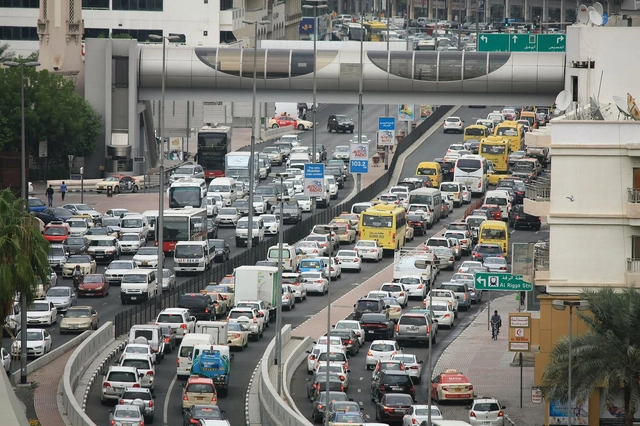
Among the various problems stemming from the excessive use of cars in large and medium-sized cities, traffic congestion and time lost in transit are undoubtedly those that receive the most attention from the media and society.
Drivers tend to overlook other issues, however severe, such as traffic fatalities and tragedies, air pollution, the stressful noise generated by motorized vehicles, urban sprawl—which makes cities dysfunctional, expensive, and far-flung—or the hydrological problems caused by the excess of asphalt and concrete dedicated to cars. Generally, these issues are ignored or seen as inevitable, whereas gridlock is highly visible, instantly perceived as a nuisance demanding immediate solutions.



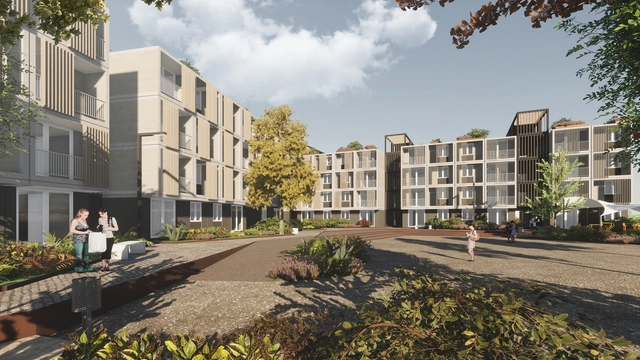
Archiplan S.A. has won the Industrialized Social Housing Competition organized by Chile's Ministry of Housing and Urbanism. Part of the government's Housing Development Plan, the initiative includes the construction of 60 homeownership units in the Lo Espejo district and 103 fair-rent housing units in the Renca district.
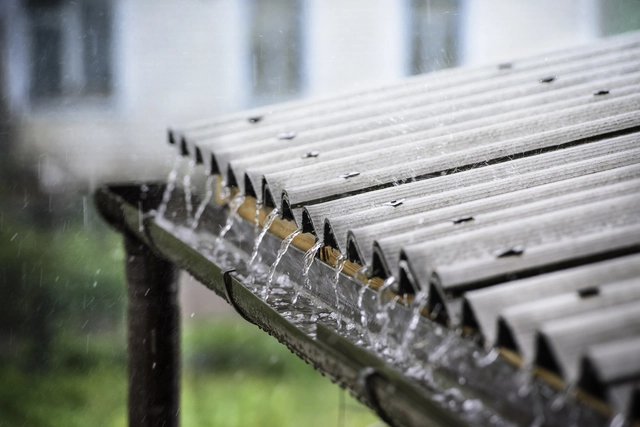
Young people from the Quebrada Agroecógica collective received the ImaGen Ventures award during COP-27, the world's largest climate change summit, held in Sharm El Sheikh, Egypt. The collective brings low-cost mini-cisterns to informal settlements and low-income communities.
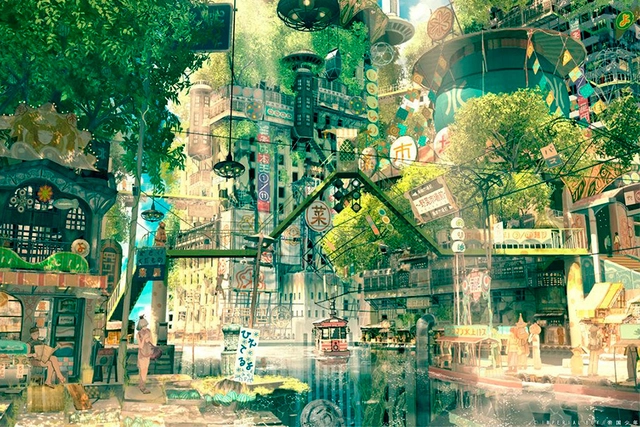
The illustration above is a famous image by the artist Imperial Boy (帝国少年), who works in the anime industry. I sometimes claim that the entire *solarpunk* genre was inspired by this image. That is an exaggeration, of course—some people have thought very seriously about *solarpunk* design principles—but the influence and appeal of Imperial Boy's design are undeniable. Moreover, other *solarpunk* art, though often lovely, tends not to immediately resemble the kind of cities you would actually want to build; it is either an image of a high-tech farm, or some variation of "slap a tree on the side of every building."
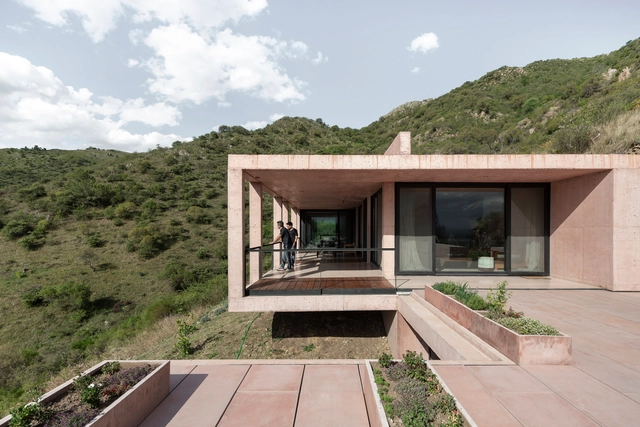
Beyond Pelé and Maradona, November marks the celebration of Brazil-Argentina Friendship Day. Established in 2018, the date (November 30) aims to highlight diplomatic and commercial relations between the two nations. Together, Brazil and Argentina account for 63% of South America's total land area, 60% of its population, and 61% of its GDP, establishing themselves as key trading partners.
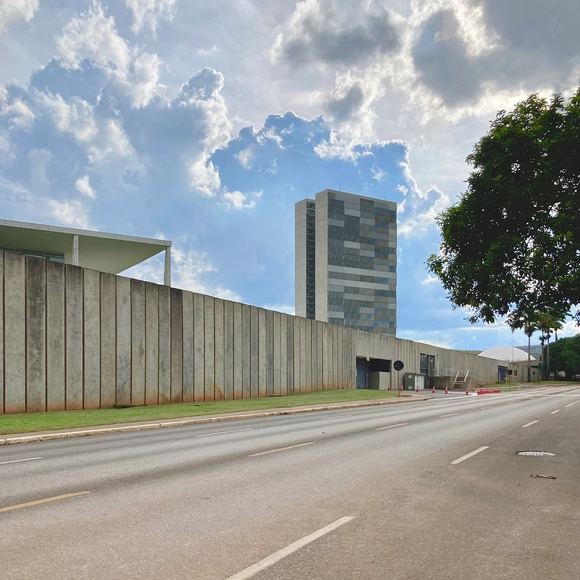
“If I said that Brasília is beautiful, people would immediately see that I liked the city. But if I say that Brasília is the image of my insomnia, they see this as an accusation; yet my insomnia is neither beautiful nor ugly — my insomnia is me, lived, it is my astonishment.” — Clarice Lispector
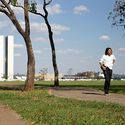
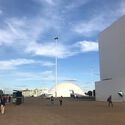
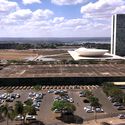
In 2020, Brasília turned 60. The anniversary almost slipped by, but in times of isolation, I recalled the walks I had the opportunity to take there last year — walks that opened my eyes to the beautiful, the unbeautiful, and the “unobvious” in this famous modernist city. That said, I would like to share my astonishment in exploring this machine-city on foot.
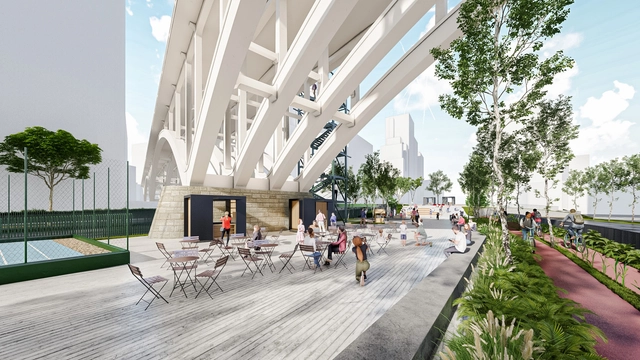
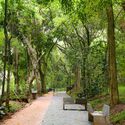
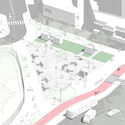
A new urban park under the Santa Ifigênia Viaduct, a lookout on Senador Queirós Avenue, wider sidewalks and reorganized traffic at Alfredo Issa Square, increased green space at Dr. João Mendes Square, and a redesigned Clóvis Beviláqua Square for public use. These are some of the urban design solutions presented by the winners of the Reinventing Cities São Paulo International Competition to revitalize four public spaces in the city's downtown.

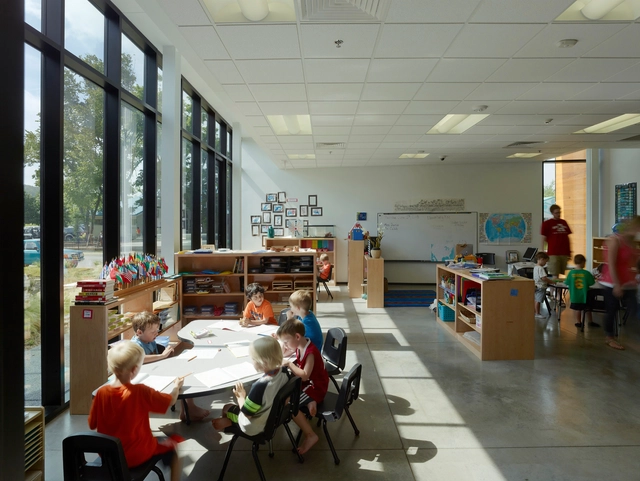
It could be argued that indoor air quality has never received its due attention throughout history. While atmospheric pollution has been considered a threat since the time of Hippocrates in 400 BC, becoming a tangible concern with industrialization during the Industrial Revolution, little is said about comfort conditions in indoor environments. This issue is increasingly critical given that humanity spends about 90% of its time indoors, and the quality of these spaces directly affects long-term well-being and health. In fact, Indoor Environmental Quality (IEQ) encompasses far more than just indoor pollution. It refers to a balance between air quality, acoustics, lighting, temperature, and other factors that contribute to a pleasant and, above all, healthy environment for occupants. Under the motto “every space can be a healthy space,” Armstrong has developed solutions to help improve the environments where we spend the most time, such as educational and healthcare facilities, offices, and homes.
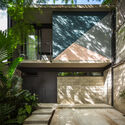
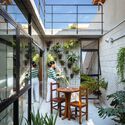
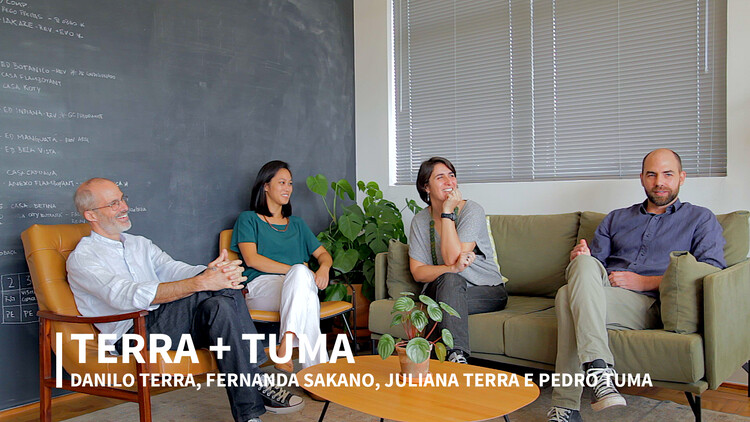
Juliana Terra, Fernanda Sakano, Danilo Terra, and Pedro Tuma are not typical Paulistano architects. At least, not to the extent that the recognition of the firm they lead—Terra e Tuma Arquitetos Associados—might suggest. Rejecting the figure of the genius and dispensing with that of the entrepreneur, the quartet runs the firm as craftspeople shaping the object. "We see ourselves as a craft-based practice," says Danilo, who explains the design process as a continuous remaking, free of hierarchy, involving four heads and eight hands.
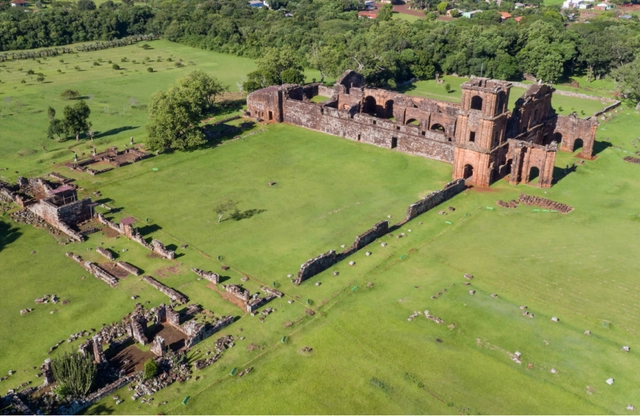
The public can now experience the virtual version of the traveling exhibition 7 Povos – Retratos de um Território. This is a restaging of the exhibition that has already taken place in person at three venues across the country: the Memorial do Rio Grande do Sul in Porto Alegre (RS); the Sítio Arqueológico de São Miguel Arcanjo in São Miguel das Missões (RS); and the Paço Imperial Cultural Heritage Center (CCPPI) in Rio de Janeiro (RJ). With the launch of the online version, the National Institute of Historic and Artistic Heritage (Iphan) aims to bring the exhibition to an even broader audience, both in Brazil and internationally.
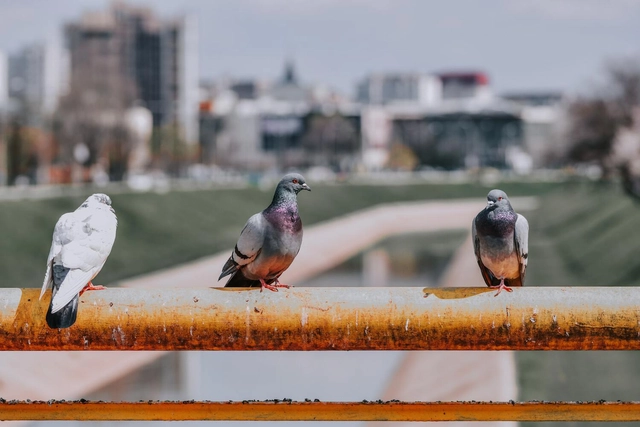
With the rapid urbanization of our cities, animals that once called these environments home have been displaced, forced to seek refuge elsewhere.
Birds are perhaps among the species hardest hit by urban growth, as they are drawn during flight by stimuli like artificial light and wind currents—both of which can be radically altered by how a city is built and laid out.


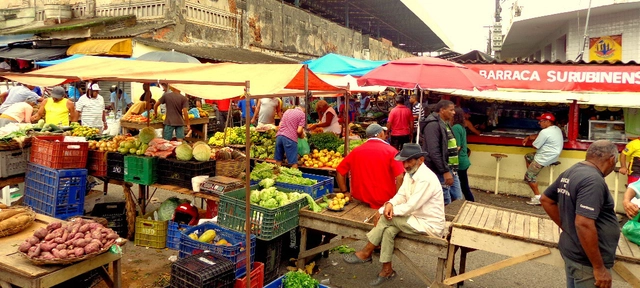
As part of the celebrations for its 158th anniversary, Campina Grande, Paraíba, has launched a national design competition for the revitalization of its Central Market. The competition is promoted by the City of Campina Grande and organized by the Institute of Architects of Brazil (IAB), with support from the Council of Architecture and Urbanism of Brazil (CAU/BR), the Council of Architecture and Urbanism of Paraíba (CAU/PB), the Institute of Architects of Brazil – Paraíba Department (IAB/PB), and the National Institute of Historic and Artistic Heritage (IPHAN).
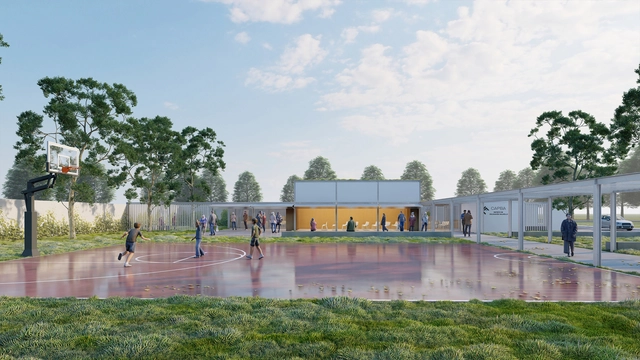
The Association of Architects of the Province of Buenos Aires District VIII launched a provincial preliminary design competition for the design of its headquarters in the town of Saladillo.
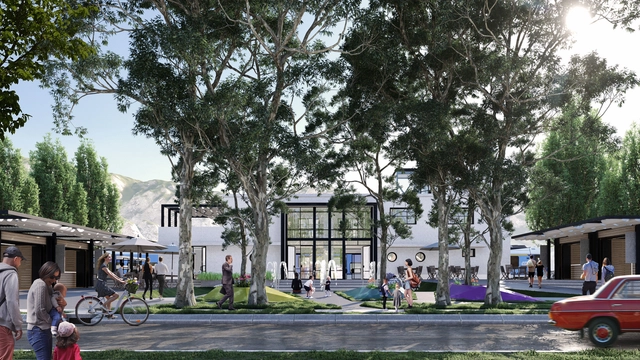
In 2020, Trenzando launched the “Ideas for the Rehabilitation of Railway Stations” competition, designed as an opportunity to showcase the richness of this heritage, which includes 170 stations connected to the country's railway network. The open call received around 100 proposals for the rehabilitation of the San Rosendo and Yumbel stations in the Biobío Region, Rungue in the Metropolitan Region, and Ocoa in the Valparaíso Region.