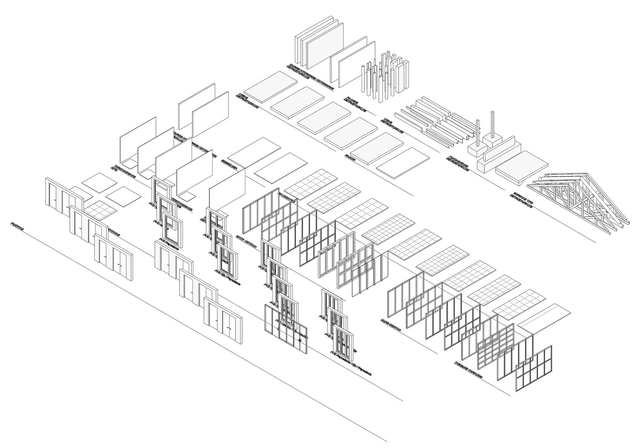
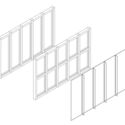
Revit templates are the starting point for working in Revit, as they contain the basic elements and settings required to work on any project type. Consequently, each architecture firm creates different templates for its various projects.
Whether you are just starting to work in Revit or looking to supplement your existing templates, we present two templates containing everything you need to successfully begin in the BIM world, available in 2017 and 2018 versions.
The debate over the roles of architects and engineers and the perceived overlap of their professional scopes has driven a series of recent protests in Portugal, sparked by parliament's approval of a bill that allows engineers to sign off on architectural projects.
Under these circumstances, the frustration of architects and their resentment toward their engineering colleagues is understandable. However, in an article published by the newspaper Público.pt, Gonçalo Cano Moniz offers an alternative perspective. In hopes of reversing this unfortunate decision, he seeks to reunite engineering and architecture as the complementary fields they are, using historical arguments to shift the focus to the true consequence of the legislation: the weakening of both professions—architecture for having been undermined, and engineering for being assigned "responsibilities for which it is clearly unprepared."
With the launch of ODA18, this year we celebrate the tenth anniversary of the Building of the Year Award (ODA), the premier award in the Spanish-speaking architectural world where the winners are chosen by popular vote. Starting today, Monday, March 12, and for two weeks, our readers will be responsible for determining which projects inspired us during 2017, faithfully representing the identity of our local contexts while shaping the way architecture is practiced around the world.
Over the next two weeks, the entire ArchDaily en Español network (Plataforma Arquitectura, ArchDaily México, ArchDaily Colombia, and ArchDaily Perú) will host this celebration of the best built architecture in Spain and Spanish-speaking Latin American countries.
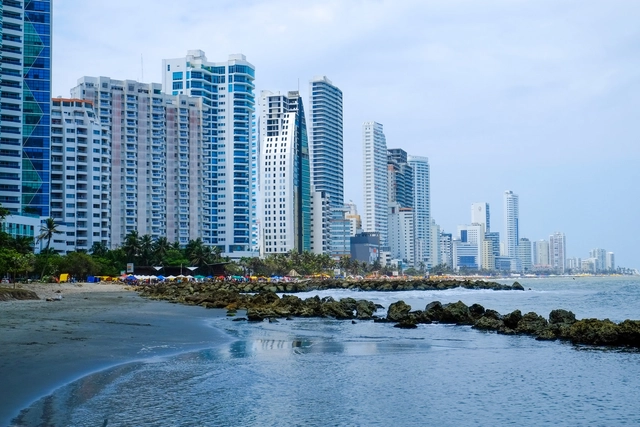
On April 27, 2017, the collapse of the Blas de Lezo II building brought to light numerous construction projects in Cartagena that violate building permits, hold forged licenses, or lack the necessary permits altogether. The tragedy claimed the lives of 21 workers and left more than 30 injured. Only then did an agreement between the Cartagena Mayor's Office and the Inspector General's Office (Procuraduría) establish a normalization plan to curb irregularities in the city's construction sector.
According to the diagnostic report, by late October 2017, 124 properties were identified as unlicensed or built using fraudulent permits. However, the controversy surrounding building permit irregularities in Cartagena resurfaced that same month when a complaint was filed against the ongoing construction of the Aquarela multi-family residential project.
https://www.archdaily.com/1114079/demolition-of-building-in-cartagena-demanded-for-seriously-violating-the-enjoyment-of-public-spaceJulián Jerez V.
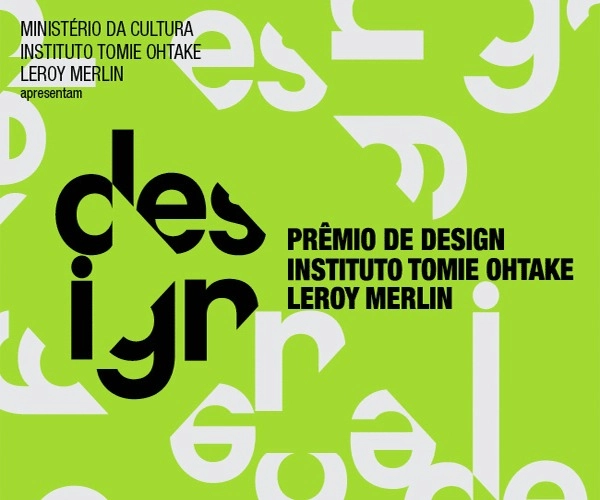
The new award, a partnership between the Tomie Ohtake Institute and Leroy Merlin, has extended its submission deadline. Until August 10, university students of any discipline can submit design projects related to products, furniture, fashion, interiors, landscaping, web, graphics, services, and other fields, under the theme SHARE.
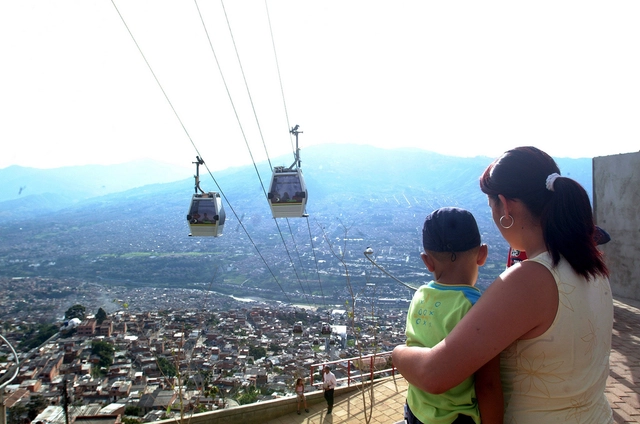
Some urban changes go deeper than the surface. These are transformative projects with the power to generate an impact far greater than aesthetic or infrastructural updates. They are initiatives that positively influence the economy, the environment, and the host community—in unexpected or even unprecedented ways.
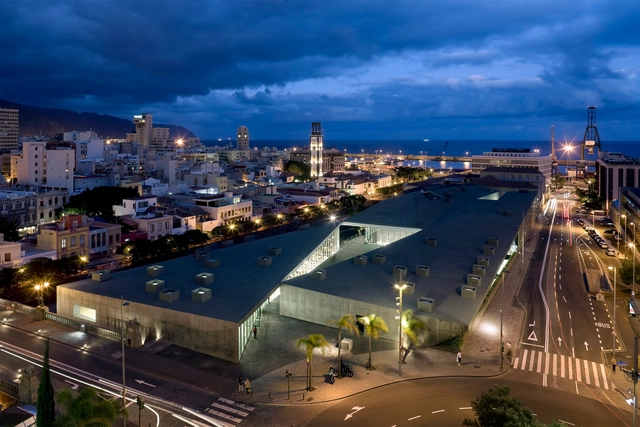
Tenerife Espacio de las Artes / Herzog & de Meuron + Virgilio Gutiérrez Herreros. Image Cortesía de COACTFE
As part of Architecture Week, celebrated by the Official Association of Architects of Tenerife, La Gomera, and El Hierro (Spain), the Oraá Architecture Prizes were awarded, recognizing the best architectural achievements of the last 10 years on the islands of Tenerife, La Gomera, and El Hierro.
The Spanish accolade highlights new construction, restorations, renovations, landscape, public space, and interior design, along with special distinctions for outstanding career achievements, emerging talent, patronage, and the best architectural photography.
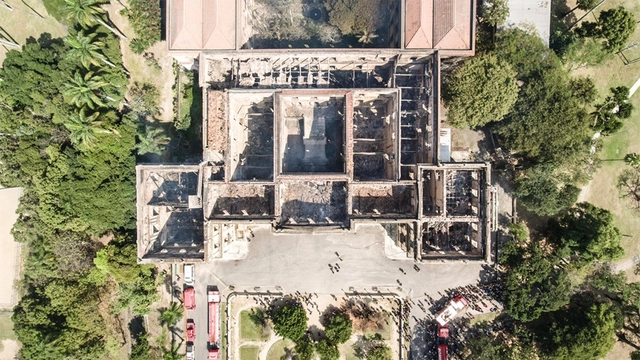
The destruction of the National Museum at Quinta da Boa Vista in Rio de Janeiro cannot go unnoticed. This tragedy must serve as a cry of "enough!" against the abandonment, neglect, and destruction of the nation's memory. The unfortunate reality is that the situation of the National Museum is not unique. Similar tragedies could happen again.
The values that define us as a society cannot turn to ashes like the National Museum. We call upon the State, architects and urban planners, universities, intellectuals, professional associations, and ultimately, Brazilian society as a whole to mobilize.
Pontificia Universidad Católica de Chile [Flickr]: Lo Contador, CC BY-SA 2.0. ImageFaculty of Architecture, Design and Urban Studies of the Pontificia Universidad Católica de Chile
América Economía magazine has published its most recent ranking of Chilean universities, just a few months ahead of the upcoming 2019 higher education admission process. In addition to the general evaluation—in which the Universidad de Chile remains in first place for the fourth consecutive year—the publication features the specific ranking of the 16 "most in-demand or highly regarded and prestigious" programs in Chile, including Architecture.
With our commitment to providing the most comprehensive information for university applicants, in this article we share the ranking of the best universities to study Architecture in Chile. This list includes technical data on average admission scores, faculty specialization levels, annual tuition costs and variations, and first-year post-graduation employability rates, among other key metrics.
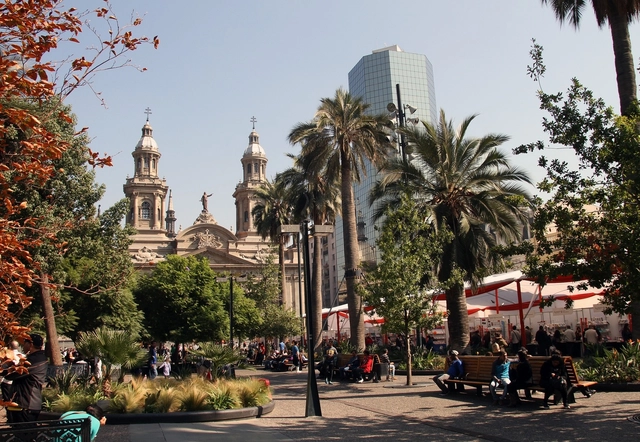
The impact of the Santiago Metro's new lines, recognition for a new metropolitan park in the capital, and the final design for the Barón Pier in Valparaíso. Indeed, a week dedicated to major metropolitan projects is the focus of this edition of La ciudad chilena en la prensa, the ArchDaily column where we cover what is happening in Chile's major cities.
Videos
Escala 1:5. Documental nueva Sala Beckett. Image Cortesía de Architecture Player
The Catalan architecture firm Flores & Prats Architects presents the launch of the documentary series ESCALA 1:5, which explores the design process of the international drama center at the new Sala Beckett in Barcelona. Produced by the independent production company 15-L, the documentary consists of five 10-minute episodes directed by Patricia Tamayo and Albert Badia.
Following its premiere on December 14, 2017, at the Girona Cinema in Barcelona before an enthusiastic crowd of about 200 spectators, the episodes are now available on demand on The Architecture Player channel on Vimeo.
https://www.archdaily.com/1114041/scale-1-5-the-new-documentary-on-the-sala-beckett-designed-by-flores-and-prats-architectsJavier García Librero
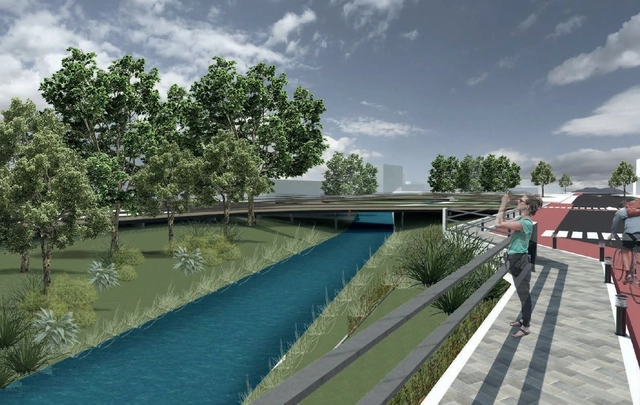
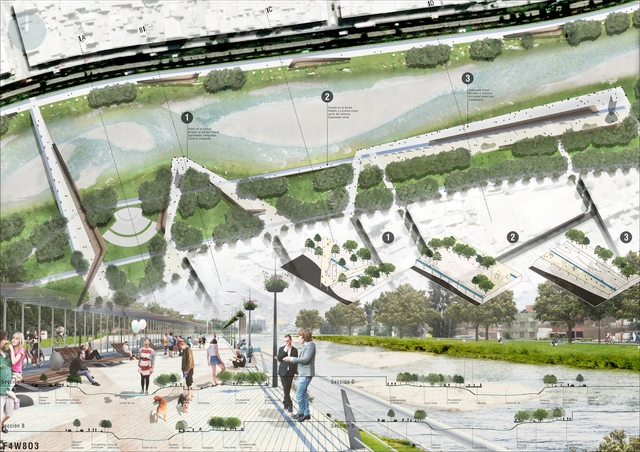
The city of Lima and the Rímac River seem to be at odds, despite the river crossing (and nourishing) the city from east to west. This is why we highlight the word “friendship” as an added value for addressing this issue: a way of understanding this relationship with the solidity and integration it deserves. This is the premise of the project presented here, which we have retrieved from our archives to bring to light. As summer begins and the El Niño phenomenon approaches, bringing inevitable rising water levels to the Rímac, it is impossible not to recall the mudslides (huaycos) that caused disaster a year ago. Little to nothing has been done to address this disconnect between the city and the river; thus, let us take a fresh look.
Colombian architect Konrad Brunner passed away this Tuesday, September 25, in Bogotá. Grandson of the historic urban planner Karl Brunner, Konrad was born on November 17, 1950, in the Colombian capital and graduated from the Universidad de los Andes in 1974.
Brunner founded his own architecture firm in 1978, a practice noted for projects such as the Plaza de Jubileo at Compensar, the master plan for the Ciudadela El Recreo (alongside Germán Samper and Gustavo Perry), the Arroyoviejo and El Vigía residential buildings, and the Casa Vélez. Additionally, the architect balanced his private practice with teaching at the Universidad de los Andes starting in the 1980s.
The president of the Venice Biennale, Paolo Baratta, and directors Yvonne Farrell and Shelley McNamara presented, via videoconference, the official curatorial proposal of the Artistic Direction for the 16th International Architecture Exhibition of the Venice Biennale.
The 21 projects making up the Official Selection of the Mexican Pavilion at the 16th International Architecture Exhibition of the Venice Biennale converge across latitudes, geographical regions, and territorial echoes, rooted in the curatorial concept of "Freespace." In four installments, we will share the work and ideas of each participant representing Mexico in Venice. Read on to discover the fourth part of these projects.
Designed by Pelli Clarke Pelli Architects (PCPA), San Francisco’s tallest tower and its accompanying transit center are now partially open to the public after a decade in the making. The Salesforce development comprises both the tower and the transit center, where PCPA has integrated planning, architecture, transportation, and landscape design to mark a new chapter in American urban development.
https://www.archdaily.com/1114058/cesar-pellis-salesforce-tower-and-transit-center-a-project-ten-years-in-the-making-a-20000-square-meter-rooftop-garden-injects-a-new-green-lung-into-san-franciscos-business-district韩爽 - HAN Shuang
After analyzing 94 projects by undergraduate students from 20 architecture schools across 8 regions in Chile, the jury of the 2018 Arquitectura Caliente Competition has announced the winning projects of its latest edition.
These projects span the entire country and encompass diverse typologies, ranging from urban planning to student housing, as well as landscape designs and structural emergency initiatives.
Below, we present the award-winning third-year projects:
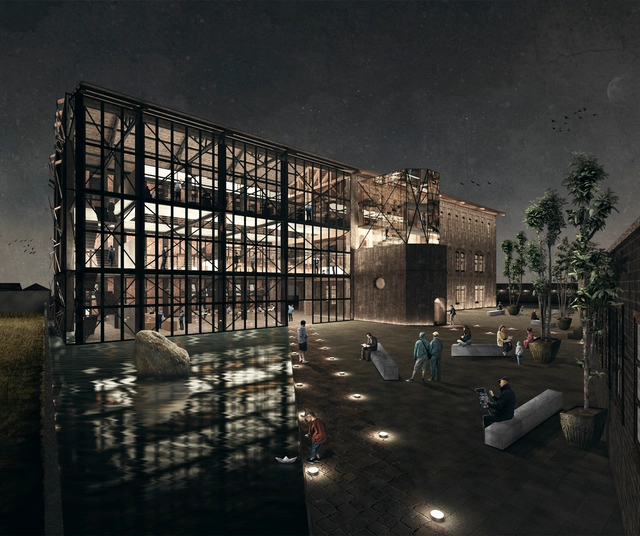
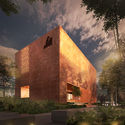
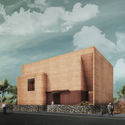
The Colegio de Arquitectos del Estado de Michoacán is a non-profit association established 54 years ago serving the city of Morelia, dedicated to heritage preservation and fostering debate on contemporary architectural production and urban development. To provide an adequate space for these activities, a competition was launched after securing a site for the new headquarters to support and foster contemporary architecture.
On November 29, the National Competition for the Headquarters Project of the Colegio de Arquitectos Michoacán, A.C. was held at its current headquarters. The jury—composed of Pedro Núñez González, Isaura González Gottdiener, Salvador Reyes Ríos, José Muñoz, Carlos Marín, and Jorge Humberto Flores Romero—evaluated 17 completely anonymous proposals.
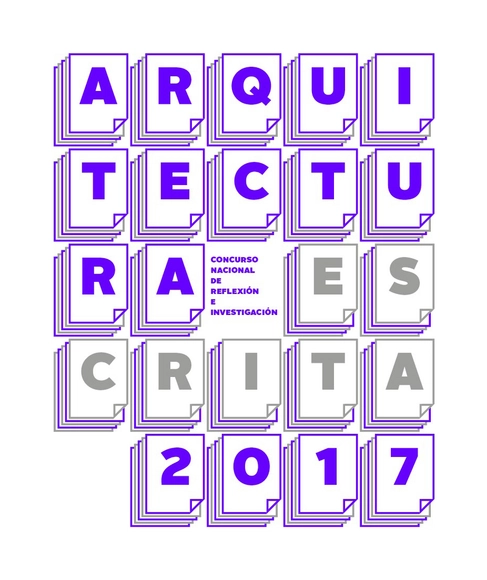
On December 20, the final curating process for the first edition of the National Essay and Research Competition, Arquitectura Escrita 2017, took place at the national headquarters of the Colegio de Arquitectos de Chile.
Organized by Grupo Arquitectura Caliente and co-organized by Ediciones ARQ, the competition awarded the 20 best articles among the 87 proposals submitted in the undergraduate and graduate categories, representing 18 architecture schools across 9 different Chilean cities.
The competition was directed by Gabriela García de Cortázar and featured a jury of 30 prominent academics and professionals who formed the Evaluation Committee. All the articles will be published digitally soon and compiled into a book available for pre-order at this link.
Projeto Vencedor Nacional / Região 5. Image Cortesia de Prêmio Rosa Kliass
The Brazilian Association of Landscape Architects - ABAP, in partnership with CAU-SP, has announced the results of the first edition of the Rosa Kliass Prize for landscape architecture graduation projects, open to final undergraduate thesis submissions from all architecture schools across the country. Entries had to address projects of any scale in landscape architecture, landscape planning, historical research, or technical and critical work within the broader field of landscape architecture.
The projects were evaluated by region, with first-place winners selected for each. From these, one work was chosen as the overall national winner. The regions were divided as follows:
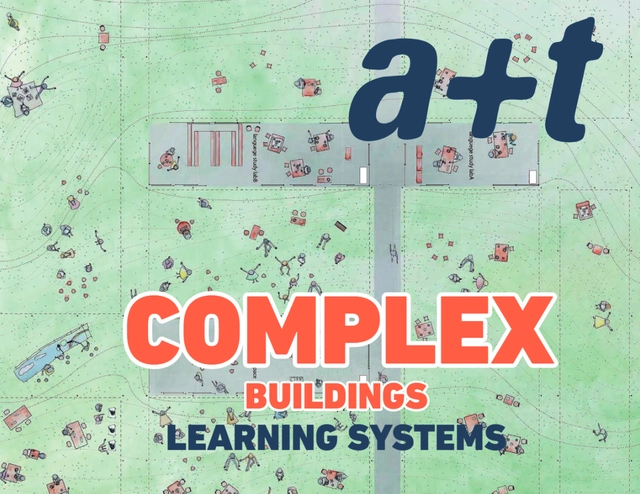
School buildings house complex systems. From kindergarten to university faculty, the journey through the levels of learning consists of an accumulation of vital experiences resulting from the interaction between these systems.
The educational function, as functionalism termed it, now builds its environments under new paradigms that reflect and respond to an increasingly diverse and complex social agenda.
“Earthquakes are a naturally destructive effect of our earth's constantly changing surface” -National Geographic, “Latest Earthquakes–and How Earthquakes Work”, February 2018.
ReConstructo is a group exhibition curated by Mexican architects Luis Carbonell and Andres Souto, presented at Zuecca Project Space in parallel with the International Architecture Exhibition of the Venice Biennale 2018. The exhibition offers a multifaceted look at simultaneous and overlapping readings of the actions and agents of destruction that subsequently paved the way for a latent reconstruction following the 2017 earthquakes in Mexico.
On this occasion, the project team —Claudia Torres, Sandro Maino, Ricardo Labra, Valentina Soto, and Laura Gallardo— share the story of the mechanized pier of Caldera, a symbol of the iron ore mining boom in Chile.
In the 1950s, small- and medium-scale copper mining went through a period of depression, giving rise to iron mining, which grew exponentially in the Atacama and Coquimbo regions. Many of the copper and saltpeter miners left unemployed by the crisis were absorbed by the flourishing iron mining industry.
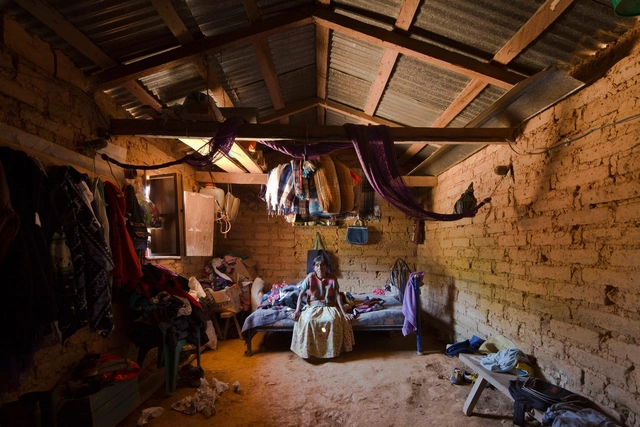
Since its founding, the National Workers' Housing Fund Institute (Infonavit) has conducted research to guide its urban, architectural, economic, and social approach to housing in Mexico.


.jpg?1521036848&format=webp&width=640&height=580)

_(1).jpg?1539273048&format=webp&width=640&height=580)

.jpg?1520005213&format=webp&width=640&height=580)
.jpg?1520005166 "© Mexico Pavilion")
.jpg?1520005196 "© Mexico Pavilion")
.jpg?1520005136 "© Mexico Pavilion")
.jpg?1520005151 "© Mexico Pavilion")
.jpg?1520005213)